Science Teaching Resources for Year 2
- Plus Plan
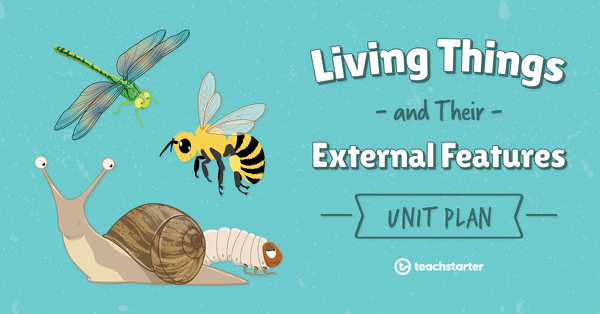
Asking Questions About Living Things
A 60 minute lesson in which students will identify that small animals have different external features.
- Plus Plan
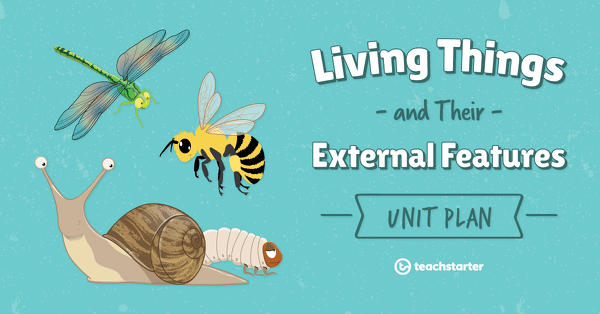
Living Things Are All Around Us
A 60 minute lesson in which students will activate prior knowledge about living and non-living things.
- Plus Plan
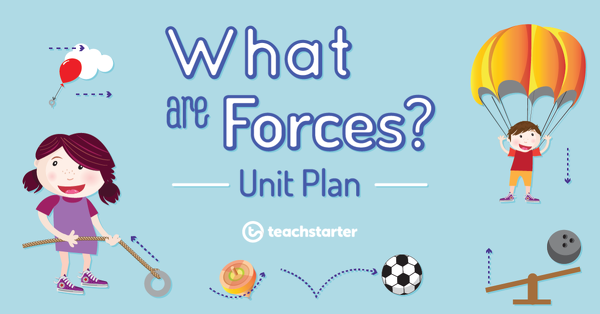
Force Knowledge Check
An assessment task in which students will demonstrate an understanding of push and pull forces.
- Plus Plan
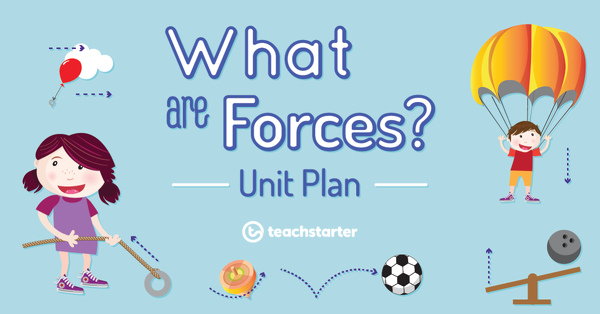
Forces Revision
A 60 minute lesson in which students will revise the forces covered in the unit.
- Plus Plan
Gravity Investigation
A 60 minute lesson in which students will explore the force of gravity.
- Plus Plan
Gravity
A 60 minute lesson in which students will explore the force of gravity.
- Plus Plan
Whatever Floats Your Boat
A 60 minute lesson in which students will explore the force of buoyancy.
- Plus Plan
The Force of Friction
A 60 minute lesson in which students will explore the force of friction.
- Plus Plan
Forces in Play
A 60 minute lesson in which students will investigate push and push forces at work in the playground.
- Plus Plan
Push and Pull Forces
- Plus Plan
Habitat Diorama - Assessment Task
An inquiry-based assessment task in which students will demonstrate an understanding of the four basic needs for living things.
- Plus Plan
Shelter Building Experiment
A 60 minute lesson in which students will investigate how a shelter can protect a living thing.
- Plus Plan
Living Things Need Shelter
A 60 minute lesson in which students will identify why living things need shelter.
- Plus Plan
Making a Mini Water Cycle Experiment
A 60 minute lesson in which students will investigate how the water cycle works.
- Plus Plan
Living Things Need Water
A 60 minute lesson in which students will investigate why living things need water.
- Plus Plan
Balloon Rocket Experiment
A 60 minute lesson in which students will investigate how energy makes things move.
- Plus Plan
Living Things Need Energy
A 60 minute lesson in which students will identify why living things need energy.
- Plus Plan
Creating Oxygen Experiment
A 60 minute lesson in which students will investigate how plants make oxygen.
- Plus Plan
Living Things Need Oxygen
A 60 minute lesson in which students will identify why living things need oxygen.
- Plus Plan
What Do Living Things Need?
A 60 minute lesson in which students will identify the four basic needs of living things.
- Plus Plan
Living or Non-Living?
A 60 minute lesson in which students will identify the features of living and non-living things.
- Plus Plan
Stretch, Bend and Twist – I Think You've Got the Gist
A 60-minute lesson designed for students to use their knowledge of materials to predict and identify whether materials stretch, bend or twist.
- Plus Plan
Marvellous Materials
A 60-minute lesson in which students recap their prior knowledge of materials and their physical features.
- Plus Plan
Sensational Stretching
A 60-minute lesson designed to explain how certain materials can be stretched.
- Plus Plan
Brilliant Bending
A 60-minute lesson designed to explain how certain materials can bend.
- Plus Plan
Terrific Twisting
A 60-minute lesson designed to explain how certain materials can be twisted.
- Plus Plan
Handy Heating
A 60-minute lesson designed to explain how certain materials change when they are heated.
- Plus Plan
Choice Cooling
A 60-minute lesson designed to explain how certain materials change when they are cooled.
- Plus Plan
Are You Getting Hot or Cold?
A 60-minute lesson designed to summarise the physical changes that occur when things stretch, bend, twist, heat and cool.
- Plus Plan
Assessment: Chemical Science – Clever Changes
A 30-minute assessment designed to assess students' ability to describe physical changes in materials.
- Plus Plan
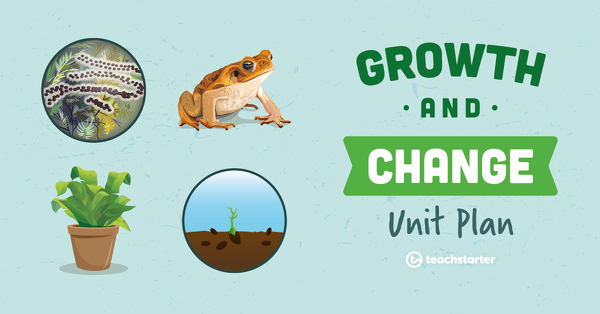
Changes, Changes Everywhere!
An assessment task in which students will demonstrate their knowledge and understanding of how living things grow and change.
- Plus Plan
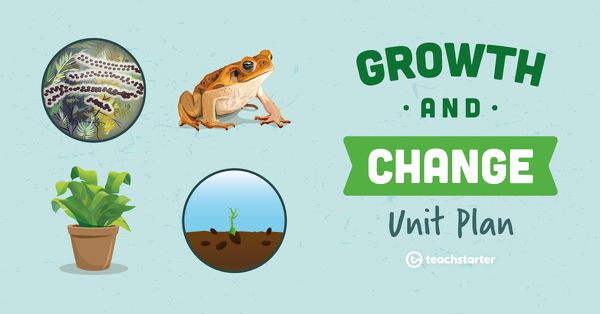
This is Your Life
A 60 minute lesson in which students will demonstrate knowledge and understanding of the stages of the human life cycle.