English
By the beginning of year 3, pupils should be able to read books written at an age-appropriate interest level. They should be able to read them accurately and at a speed that is sufficient for them to focus on understanding what they read rather than on decoding individual words. They should be able to decode most new words outside their spoken vocabulary, making a good approximation to the word’s pronunciation. As their decoding skills become increasingly secure, teaching should be directed more towards developing their vocabulary and the breadth and depth of their reading, making sure that they become independent, fluent and enthusiastic readers who read widely and frequently. They should be developing their understanding and enjoyment of stories, poetry, plays and non-fiction, and learning to read silently. They should also be developing their knowledge and skills in reading non-fiction about a wide range of subjects. They should be learning to justify their views about what they have read: with support at the start of year 3 and increasingly independently by the end of year 4.
- Plus Plan
Home Spelling Poster
A poster to show your students what activity to complete each night using their spelling words.
- Plus Plan
Comprehension - Thunderstorms
A comprehension activity using an information text about thunderstorms.
- Plus Plan
Comprehension - The Three Little Pigs
A comprehension activity using a narrative text .
- Plus Plan
The Park - Comprehension
A comprehension activity using poetry.
- Plus Plan
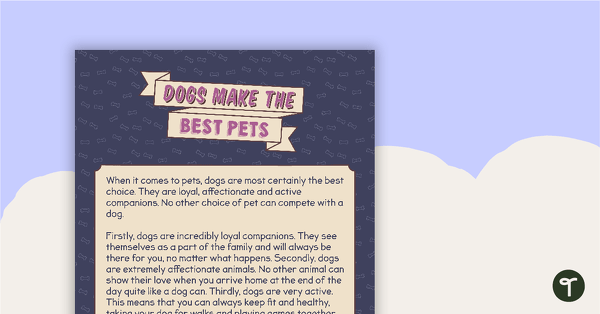
Comprehension - Dogs Make The Best Pets
A comprehension activity using a persuasive text.
- Plus Plan
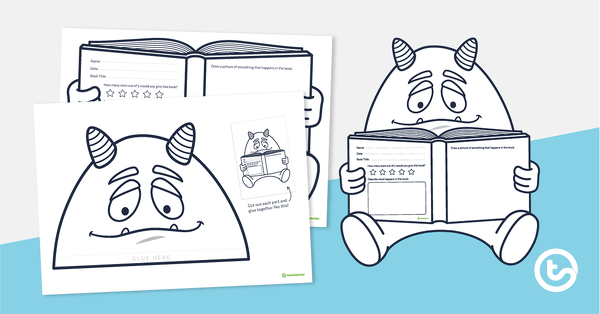
Monster Book Report Template
A cute monster book report template.
- Plus Plan
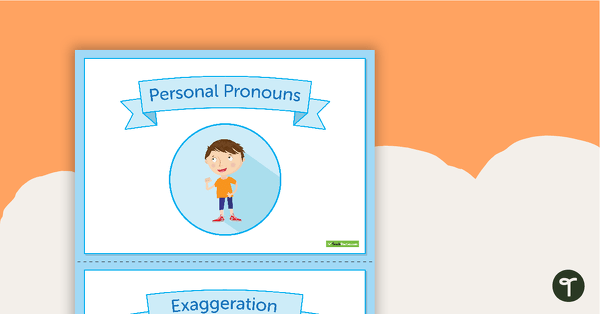
Persuasive Devices Sorting Activity
A hands-on sorting activity to use when introducing persuasive devices.
- Plus Plan
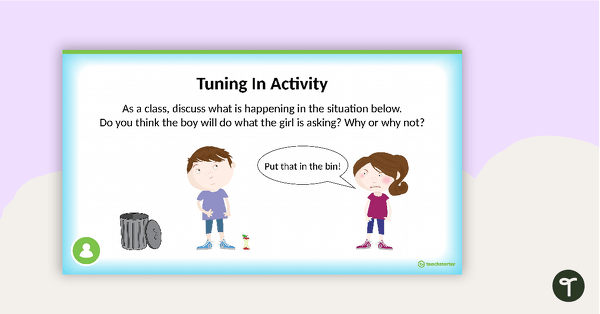
Introduction to Persuasive Devices PowerPoint
A 14 slide editable PowerPoint template to use when introducing your students to persuasive devices.
- Plus Plan
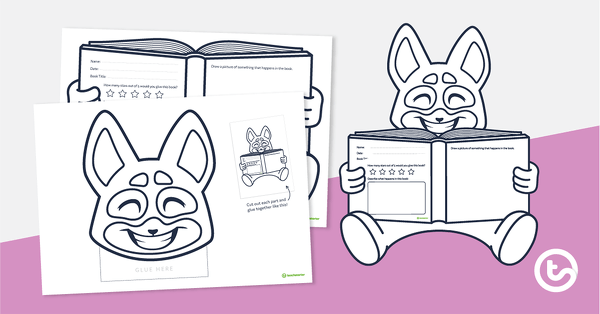
Fox Book Report Template
A fun fox book report template for your students to use when giving their opinion of a book.
- Plus Plan
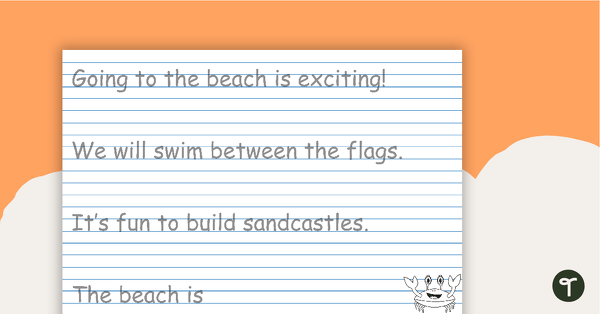
Handwriting Sheets - Theme Pages 1
Ten themed handwriting sheets with your choice of fonts.
- Plus Plan
Grammar and Punctuation Tails - Active Learning
An active game that requires students to use their basic grammar and punctuation knowledge.
- Plus Plan
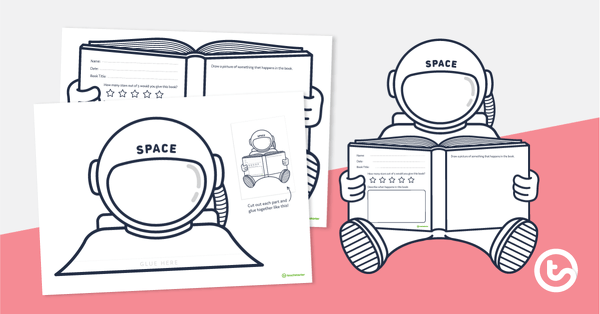
Astronaut Book Report Template
A fun book report template for students to review their favourite book.
- Plus Plan
Persuasive Topic Cards - Upper Primary
A set of persuasive topic cards for upper primary.
- Plus Plan
Persuasive Topic Cards - Lower Grades
A set of persuasive topic cards for lower grades.
- Plus Plan
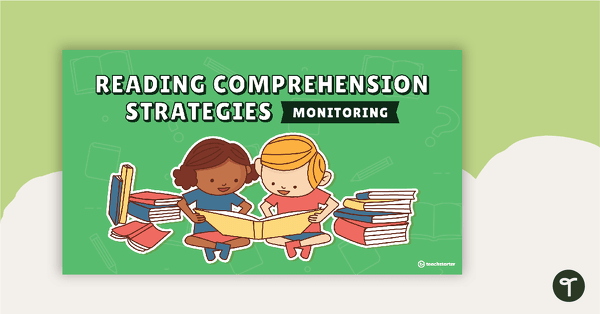
Reading Comprehension Strategies PowerPoint - Monitoring
A 14 slide editable PowerPoint template explaining the reading comprehension strategy of monitoring.
- Plus Plan
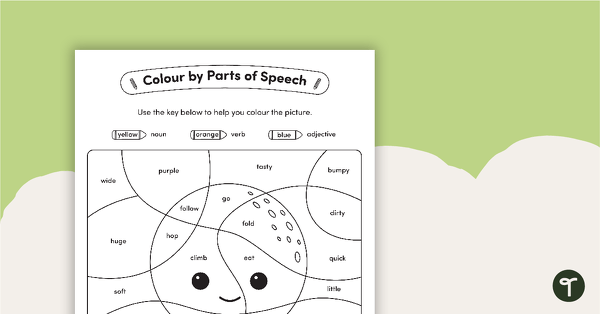
Colour by Parts of Speech - Nouns, Adverbs, Verbs, Interjections - Owl
Consolidate parts of speech by colouring nouns, adverbs, verbs and interjections on the owl.
- Plus Plan
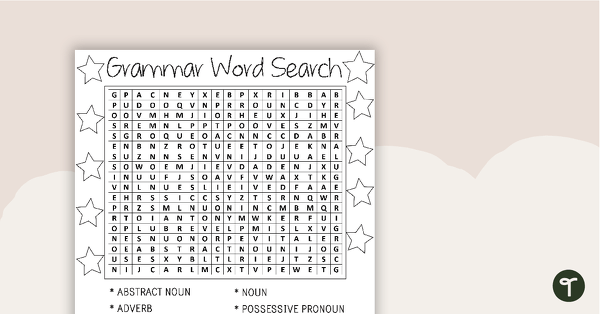
Grammar Word Search with Solution
A word search to help your students learn a variety of grammatical terms.
- Plus Plan
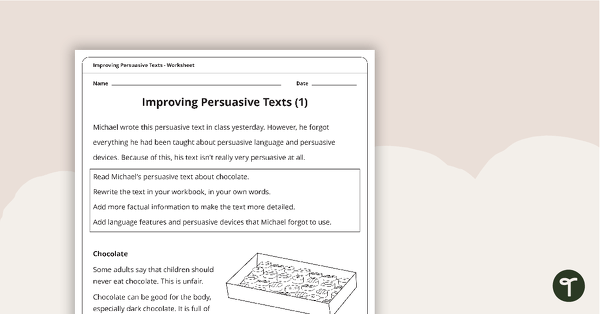
Improving Persuasive Texts Worksheets
3 pieces of text for students to rewrite in order to make them more persuasive.
- Plus Plan
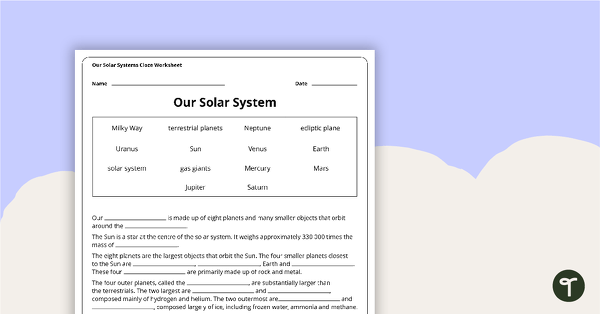
Our Solar System Cloze Worksheet
Our Solar System cloze worksheet for your students to complete.
- Plus Plan
Persuasive Writing Word Wall Vocabulary
Persuasive language for a word wall.
- Plus Plan
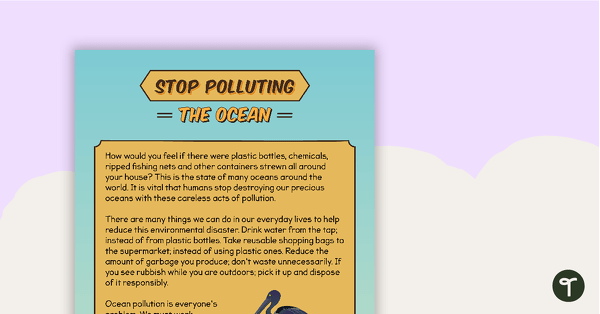
Sequencing Activity - Stop Polluting The Ocean (Persuasive Text)
A sequencing task using a persuasive text.
- Plus Plan
Introduction to Personal Recounts PowerPoint
An 18 slide editable PowerPoint template to use when teaching younger students about the structure and language features of personal recounts.
- Plus Plan
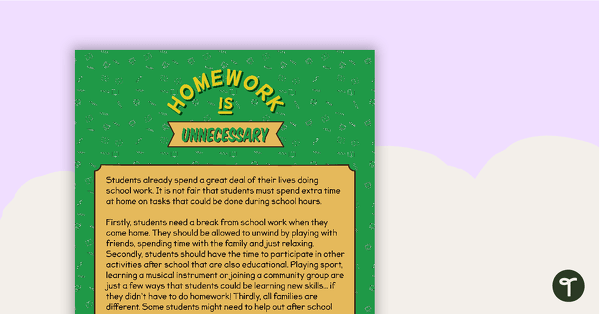
Sequencing Activity - Homework is Unnecessary (Persuasive Text)
A sequencing task using a persuasive text.
- Plus Plan
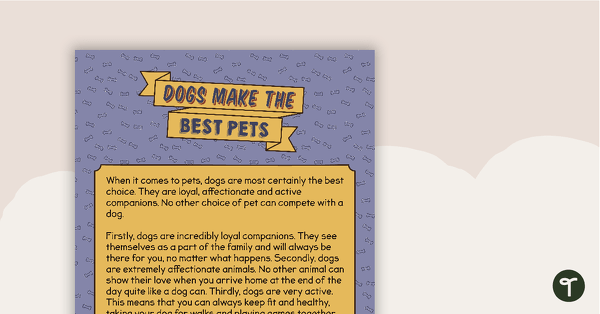
Sequencing Activity - Dogs Make the Best Pets (Persuasive Text)
A sequencing task using a persuasive text.
- Plus Plan
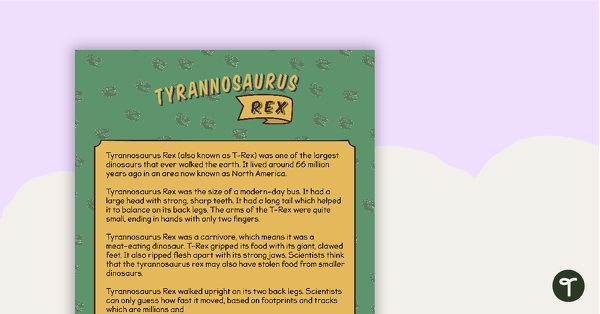
Sequencing Activity - Tyrannosaurus Rex (Informative Text)
A sequencing task using an informative text.
- Plus Plan
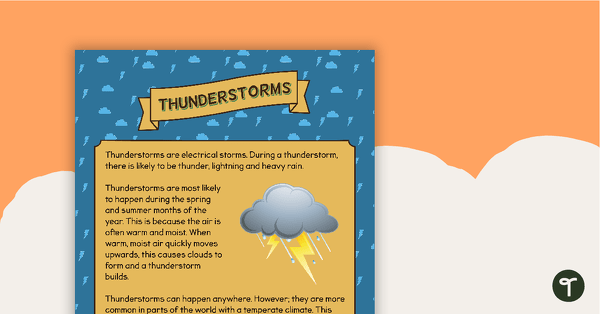
Sequencing Activity - Thunderstorms (Informative Text)
A sequencing task using an informative text.
- Plus Plan
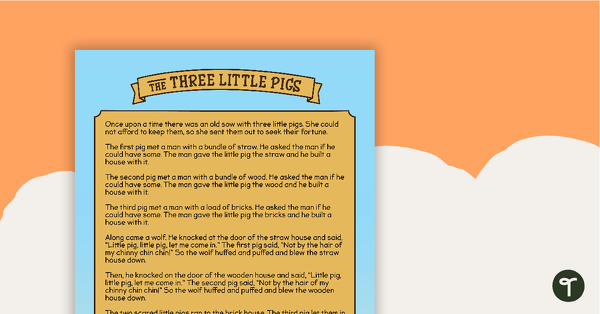
Sequencing Activity - Three Little Pigs (Imaginative Text)
A sequencing task using an imaginative text.
- Plus Plan
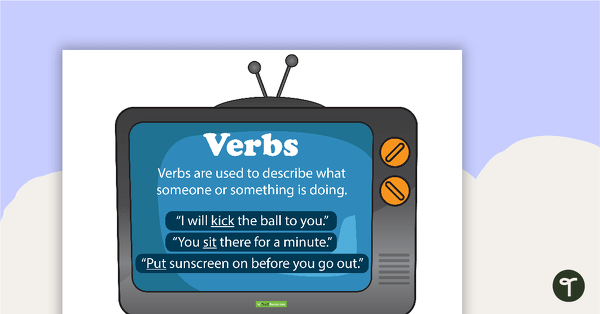
Grammar TVs
Grammar presented on TVs.
- Plus Plan
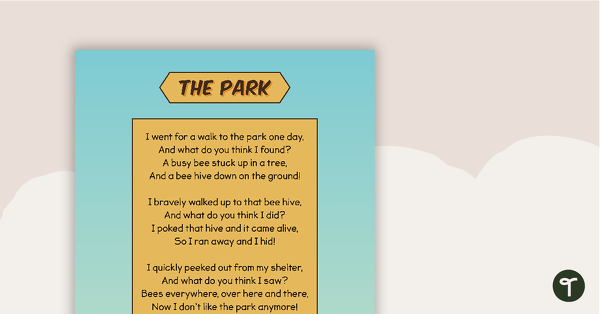
The Park (Poem) - Sequencing Activity
A sequencing activity using poetry.
- Plus Plan
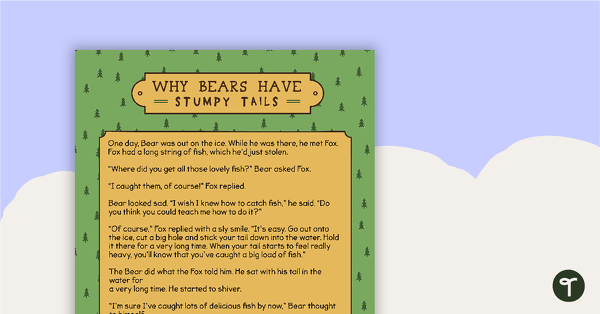
Sequencing Activity - Why Bears Have Stumpy Tails (Imaginative Text)
A sequencing task using an imaginative text.
- Plus Plan
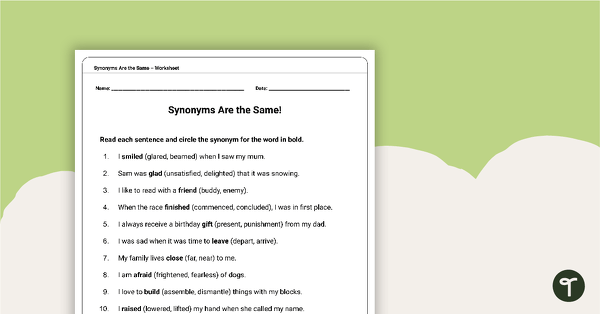
Synonyms Are the Same! – Worksheet
A worksheet to practise identifying synonyms.
- Plus Plan
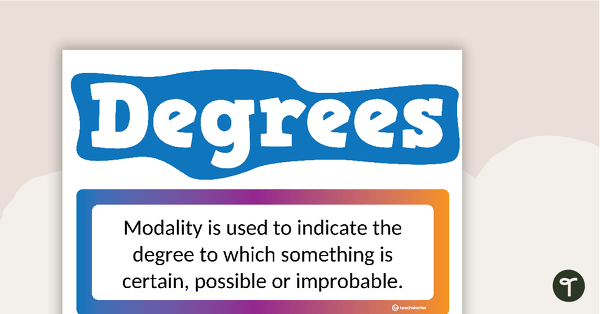
Modality Word Wall with Information
A set of 56 vocabulary words based on the degrees of modality in persuasive writing.