English
By the beginning of year 3, pupils should be able to read books written at an age-appropriate interest level. They should be able to read them accurately and at a speed that is sufficient for them to focus on understanding what they read rather than on decoding individual words. They should be able to decode most new words outside their spoken vocabulary, making a good approximation to the word’s pronunciation. As their decoding skills become increasingly secure, teaching should be directed more towards developing their vocabulary and the breadth and depth of their reading, making sure that they become independent, fluent and enthusiastic readers who read widely and frequently. They should be developing their understanding and enjoyment of stories, poetry, plays and non-fiction, and learning to read silently. They should also be developing their knowledge and skills in reading non-fiction about a wide range of subjects. They should be learning to justify their views about what they have read: with support at the start of year 3 and increasingly independently by the end of year 4.
- Plus Plan
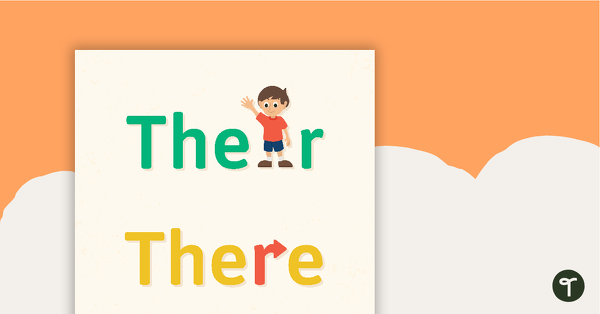
'Their, There, They're' Visual Learning Guide
A poster for visual learners to easily differentiate between the definitions of their, there and they're.
- Plus Plan
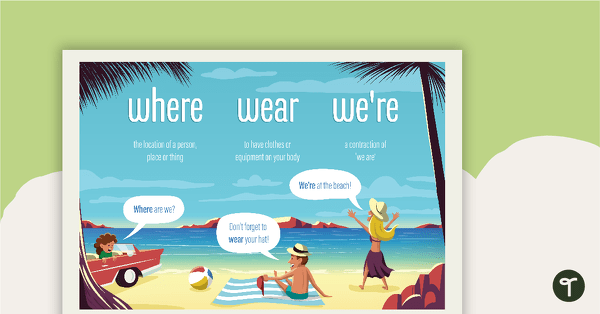
Where, Wear and We're Homophones Poster
An educational poster for the homophones where, wear and we're.
- Plus Plan
Reading Comprehension Strategies PowerPoint - Questioning
A 15 slide editable PowerPoint template explaining the reading comprehension strategy of questioning.
- Plus Plan
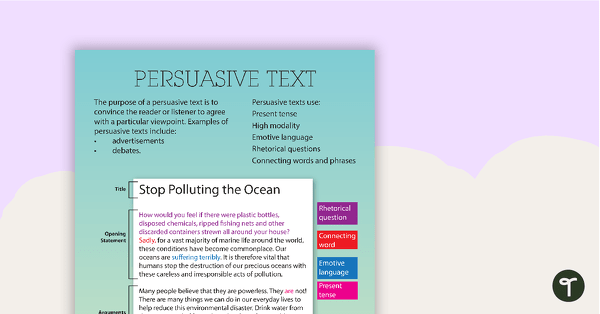
Persuasive Text Type Poster With Annotations
A poster about the persuasive text type, including an annotated example.
- Plus Plan
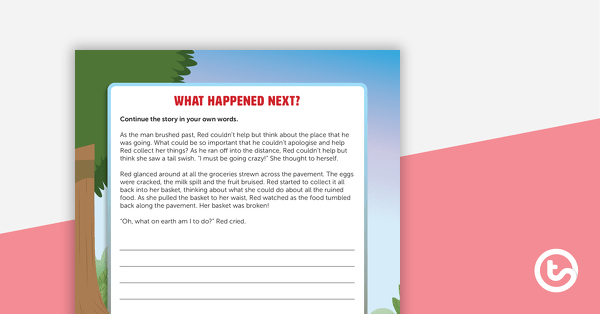
What Happened Next? Little Red Riding Hood Writing Template
Finish the Little Red Riding Hood story in your own words.
- Plus Plan
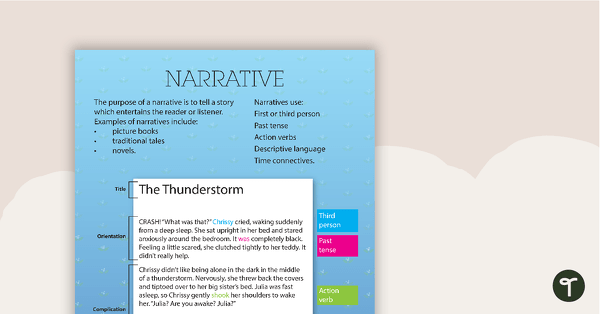
Narrative Text Type Poster With Annotations
A poster about the narrative text type, including an annotated example.
- Plus Plan
Reading Comprehension Strategies PowerPoint - Summarising
A 14 slide editable PowerPoint template explaining the reading comprehension strategy of summarising.
- Plus Plan
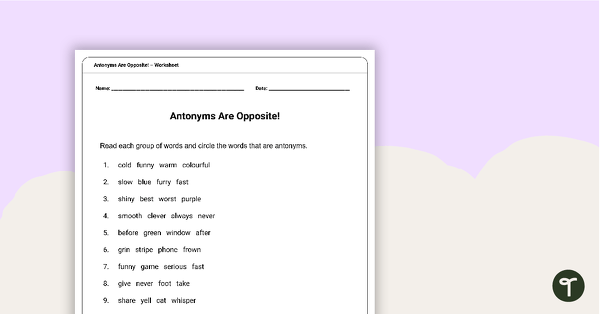
Antonyms Are Opposite! – Worksheet
A worksheet to practise identifying antonyms.
- Plus Plan
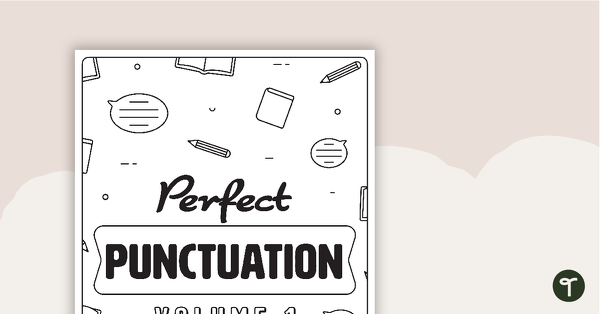
Perfect Punctuation Volume 1 – Worksheet Book
A workbook packed with 50 punctuation activities for use in the classroom.
- Plus Plan
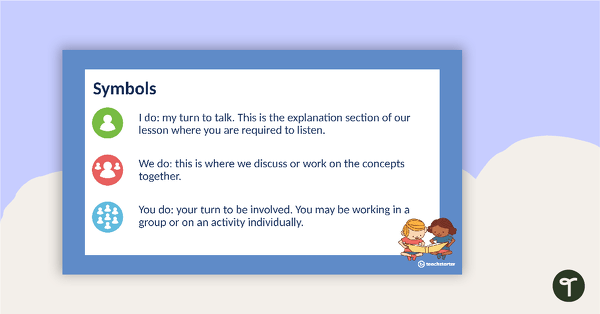
Reading Comprehension Strategies PowerPoint - Predicting
A 14 slide editable PowerPoint template explaining the reading comprehension strategy of predicting.
- Plus Plan
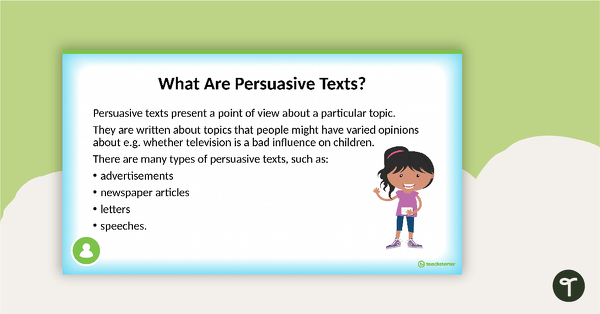
Developing Persuasive Writing Skills PowerPoint - Year 3 and Year 4
A 24 slide editable PowerPoint template to use when teaching your students about the structure and language features of persuasive texts.
- Plus Plan
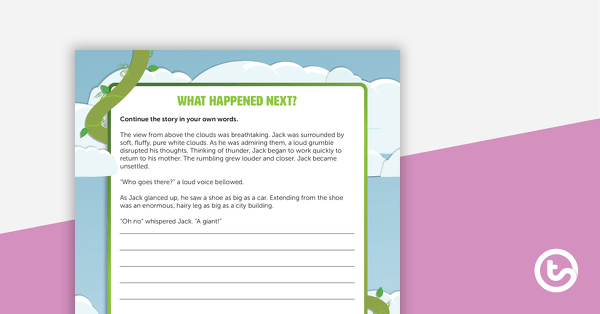
What Happened Next? Jack and the Beanstalk Writing Template
Finish the Jack and the Beanstalk story in your own words.
- Plus Plan
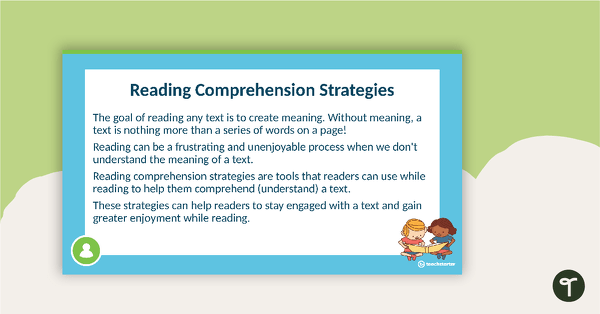
Reading Comprehension Strategies PowerPoint - Inferring
A 13 slide editable PowerPoint template explaining the reading comprehension strategy of inferring.
- Plus Plan
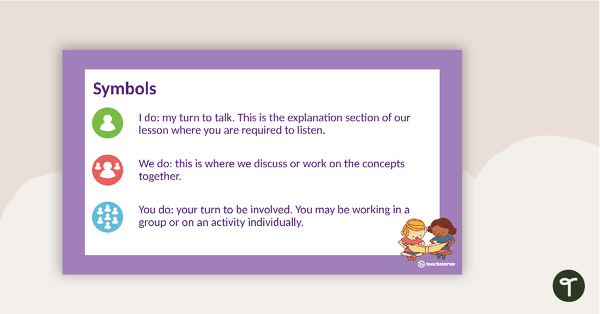
Reading Comprehension Strategies PowerPoint - Visualising
A 12 slide editable PowerPoint template explaining the reading comprehension strategy of visualising.
- Plus Plan
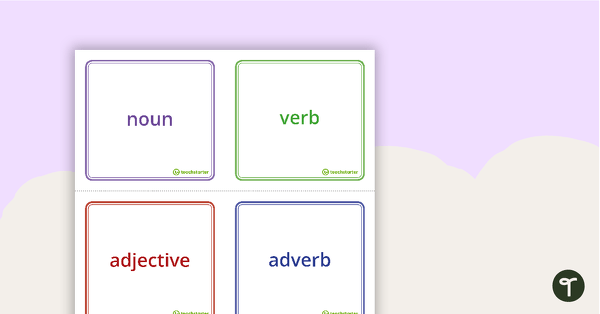
Parts of Speech Word Cards - Sorting Activity
A sorting activity to help students identify different parts of speech.
- Plus Plan
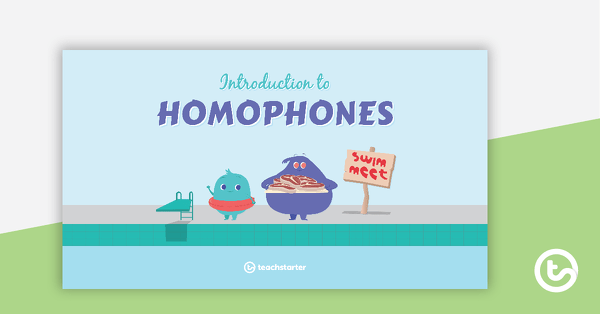
Introduction to Homophones PowerPoint
A 37 slide editable PowerPoint template to be used when teaching correct usage of homophones.
- Plus Plan
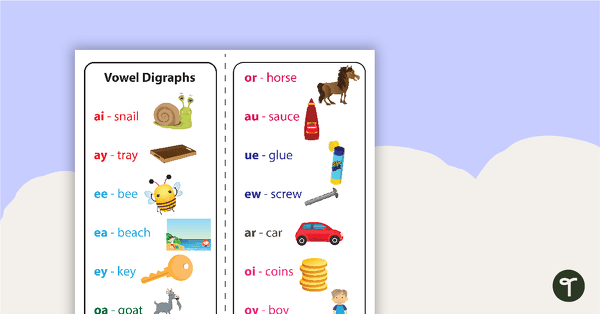
Vowel Digraphs Bookmarks
These bookmarks are designed to help students remember some of the most common vowel digraphs while reading.
- Plus Plan
Reading Comprehension Strategies PowerPoint - Activating Prior Knowledge
A 13 slide editable PowerPoint template explaining the reading comprehension strategy of activating prior knowledge.
- Plus Plan
Using Homophones Correctly PowerPoint
A 14 slide editable PowerPoint template to be used when teaching correct usage of homophones.
- Plus Plan
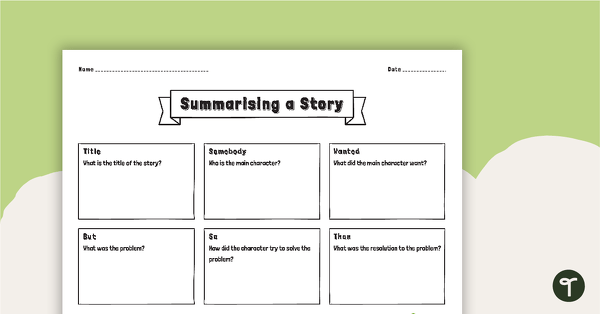
Summarising a Story Graphic Organiser (Alternate Version)
A teaching resource to help your students summarise a story.
- Plus Plan
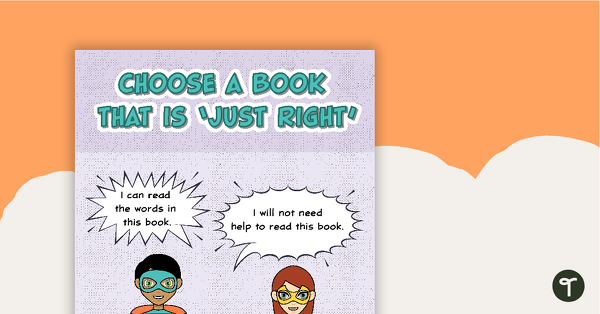
Super Stamina Reading Posters
A set of 6 reading stamina posters that highlight strategies students can use to read for longer periods of time.
- Plus Plan
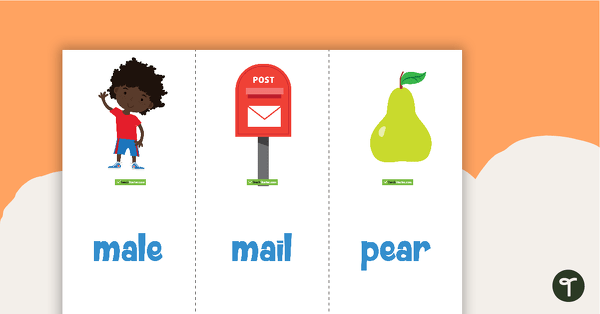
Homophones Match-Up Activity
A set of flashcards showing some common homophones in words and pictures.
- Plus Plan
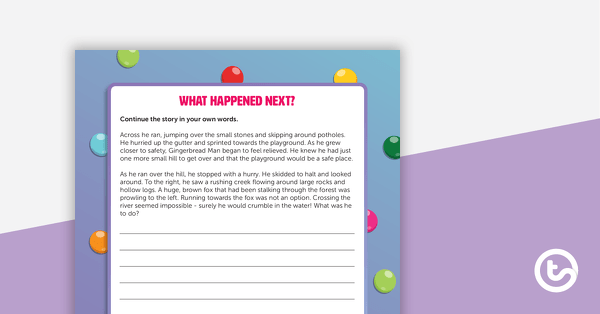
What Happened Next? The Gingerbread Man Writing Template
Finish The Gingerbread Man story in your own words.
- Plus Plan

Decoding Strategy Posters – Middle-Upper Years
A set of 7 posters that display different decoding strategies.
- Plus Plan
Narrative Writing Visual Prompts Presentation
A 19 slide teaching presentation containing visual narrative writing prompts.
- Plus Plan
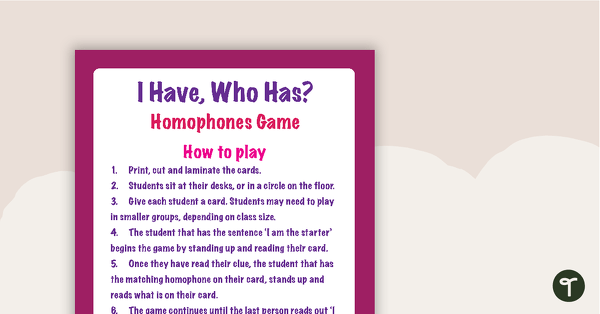
I Have, Who Has? Homophones Game
A game to play as a class when learning about homophones.
- Plus Plan
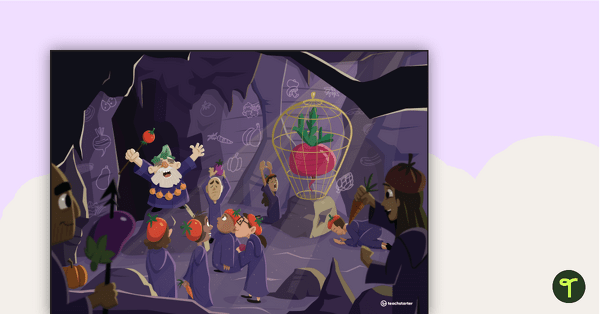
The Secret Society of Vegetable Venerators Inference Scenario Poster
Part of a series of inference scenario posters to use when teaching your students how to infer information from images.
- Plus Plan
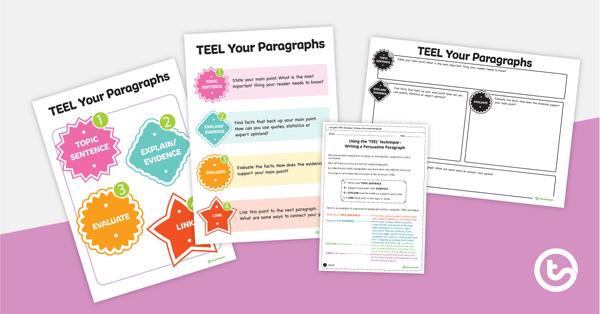
TEEL Paragraph Structure - Poster and Worksheets
A TEEL paragraph technique poster, explanatory worksheet and graphic organiser.
- Plus Plan
Blank Writing Template
A blank template for pieces of writing.
- Plus Plan
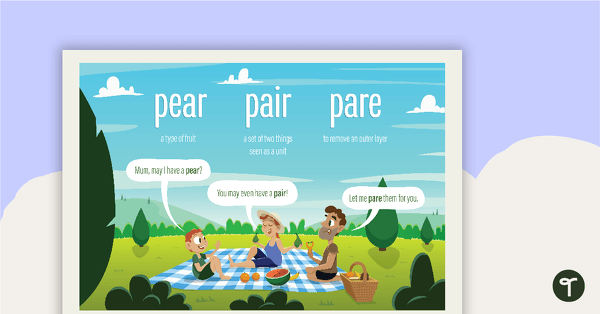
Pear, Pair and Pare Homophones Poster
An educational poster for the homophones pear, pair and pare.
- Plus Plan

The Elegant Express Inference Scenario Poster
Part of a series of inference scenario posters to use when teaching your students how to infer information from images.
- Plus Plan
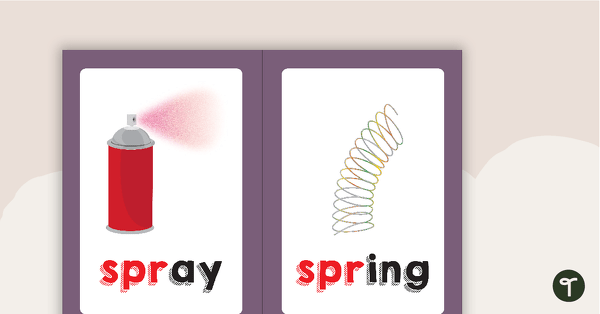
Spr & Spl Blend Flashcards
Fourteen flashcards showing spr and spl blend words and pictures.