Shape, space and measures
Children use everyday language to talk about size, weight, capacity, position, distance, time and money to compare quantities and objects and to solve problems. They recognise, create and describe patterns. They explore characteristics of everyday objects and shapes and use mathematical language to describe them.
- Plus Plan
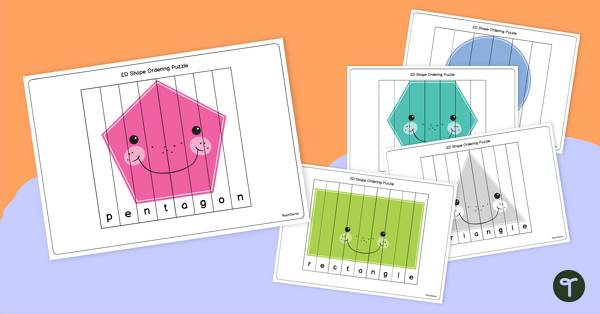
2D Shape Puzzles
Use these 2D shape puzzles to help familiarise your students with the most common two-dimensional shapes.
- Plus Plan
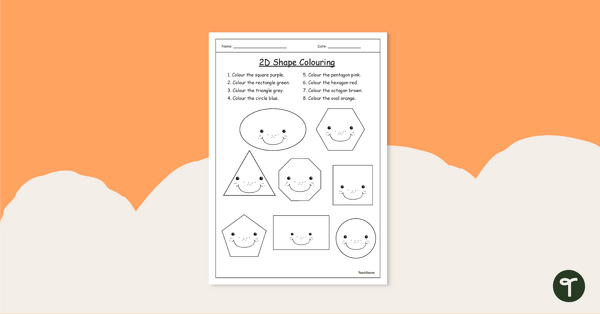
Identify and Colour 2D Shapes Worksheet
Use this 2D shapes worksheet to help your students identify 8 of the most common two-dimensional shapes.
- Plus Plan
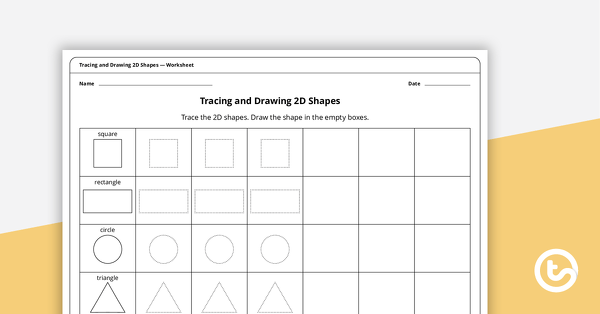
Tracing and Drawing 2D Shapes Worksheet
A simple trace and draw worksheet for 2D shapes.
- Plus Plan
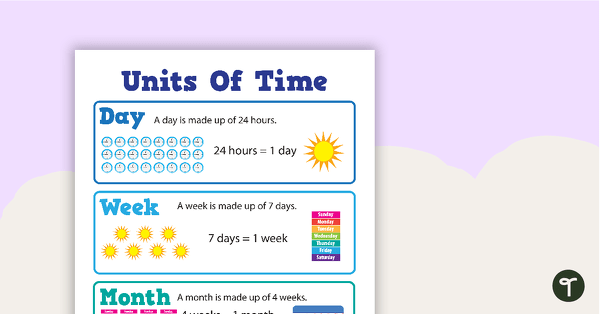
Units of Time Poster
A poster highlighting how we measure time in days, weeks, months and years.
- Plus Plan
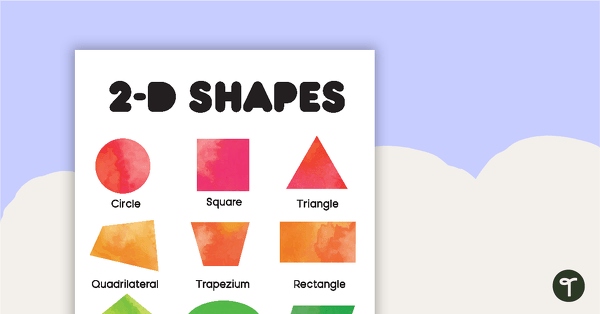
2D Shapes Poster - Colour
2D Shapes and their names on one poster.
- Plus Plan
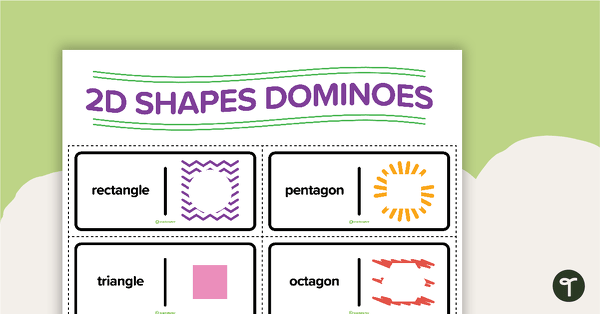
2D Shapes Dominoes
A set of dominoes to help students consolidate their understanding of 2D shapes.
- Plus Plan
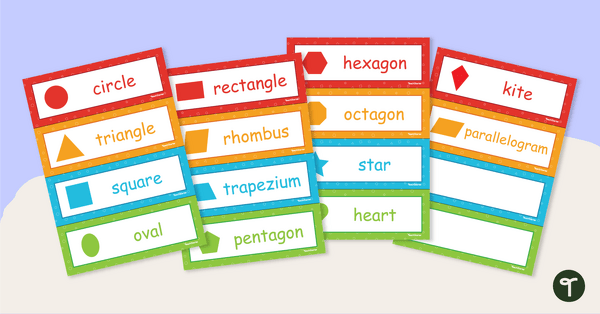
2D Shapes Flashcards
Use these 2D shapes flashcards to help familiarise your students with the most common two-dimensional shapes.
- Plus Plan
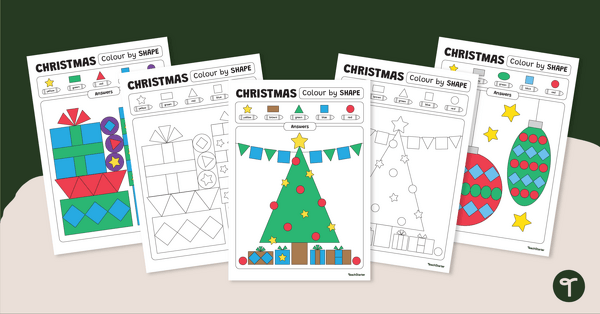
Colour By Shape Christmas Worksheets
Use knowledge of 2D shapes to colour in these Christmas-themed colour by shape worksheets.
- Plus Plan
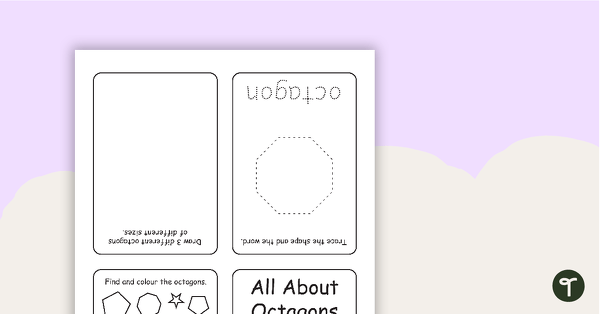
All About Octagons Mini Booklet
A mini booklet to assist younger students in learning about octagons.
- Plus Plan
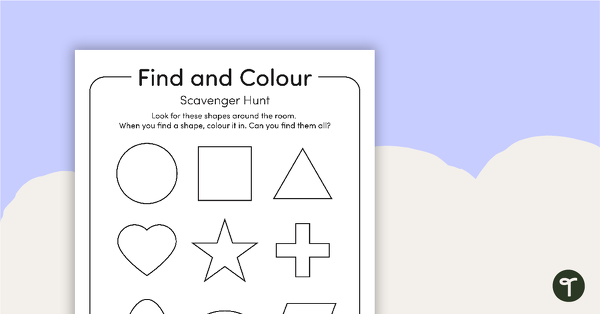
Find and Colour – Scavenger Hunt
A scavenger hunt where students search for 2D shapes in their surrounding environment.
- Plus Plan
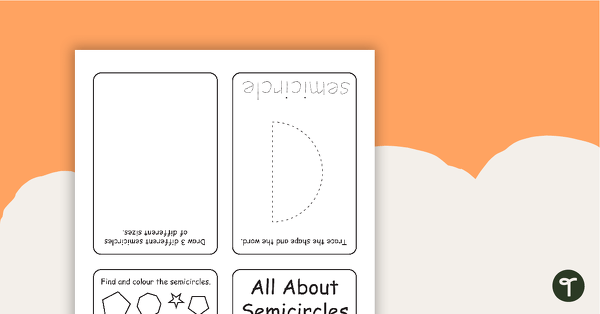
All About Semicircles Mini Booklet
A mini booklet to assist younger students in learning about semicircles.
- Plus Plan
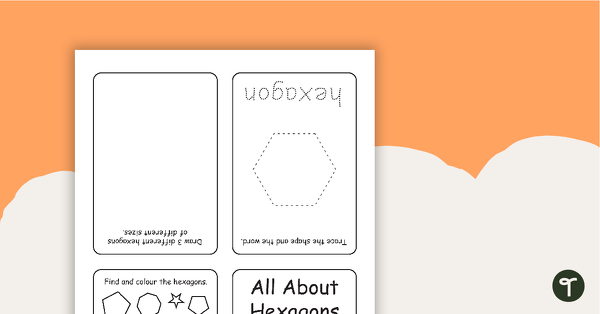
All About Hexagons Mini Booklet
A mini booklet to assist younger students in learning about hexagons.
- Plus Plan
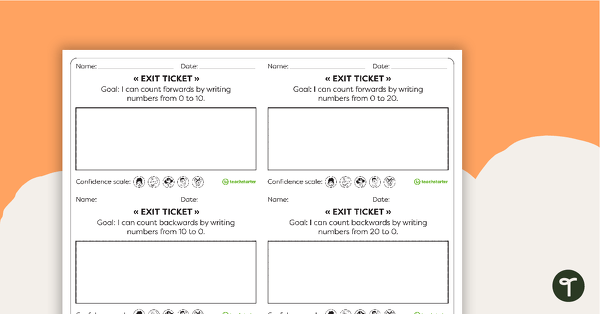
Reception Numeracy Exit Tickets – Worksheets
18 Numeracy Exit Ticket activities for students to provide evidence of their learning progress.
- Plus Plan
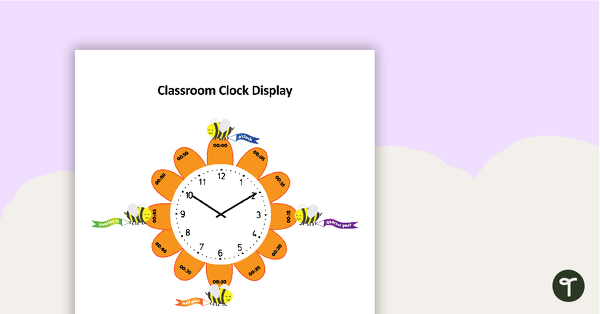
Classroom Clock Flower Display
A template to create a display around your classroom clock to help children read the time.
- Plus Plan
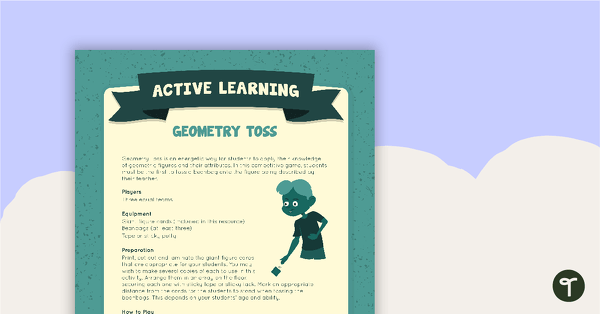
Geometry Toss - Active Learning Game
An active game that encourages learning through a physical setting.
- Plus Plan
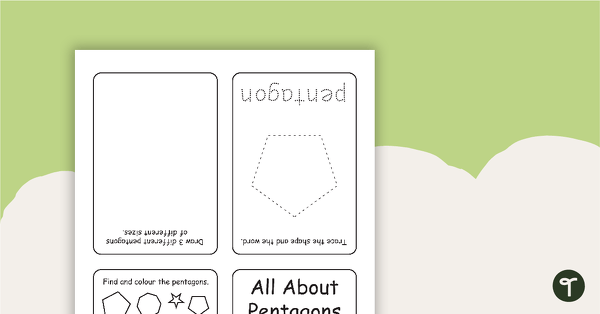
All About Pentagons Mini Booklet
A mini booklet to assist younger students in recognising and drawing pentagons.
- Plus Plan
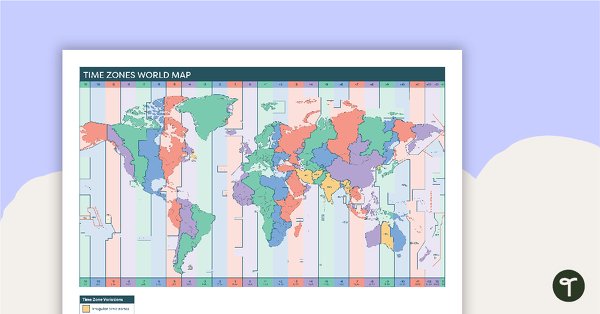
Time Zones World Map
A poster to display in the classroom when locating the different time zones of the world.
- Plus Plan
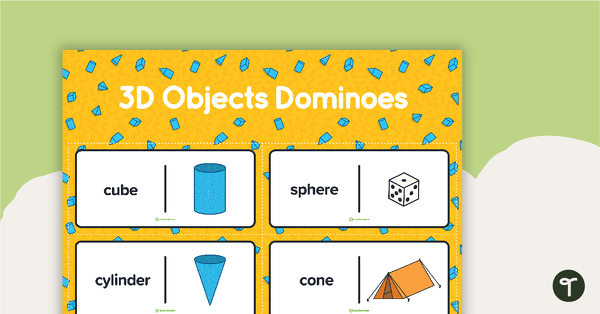
3D Objects Dominoes
A set of dominoes to help students consolidate their understanding of 3D objects.
- Plus Plan
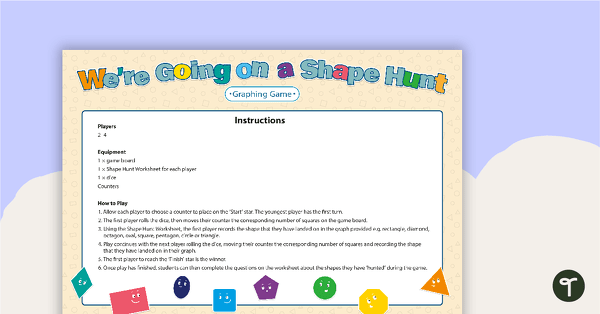
We're Going On a Shape Hunt! Graphing Game
A fun board game to aid students' recognition of 2D shapes.
- Plus Plan
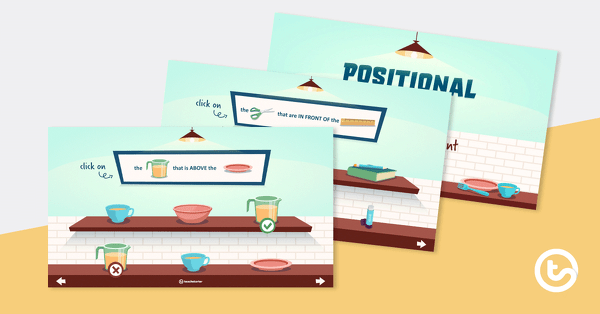
Positional Words Interactive PowerPoint
A game-like interactive PowerPoint that explores positional language.
- Plus Plan
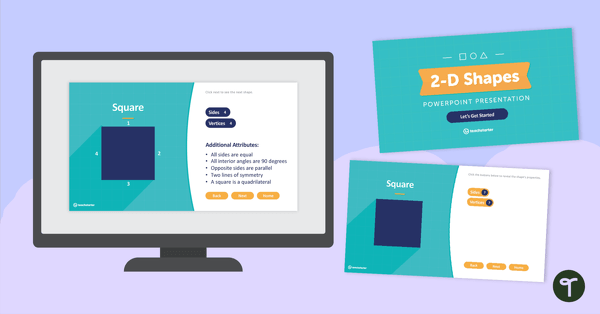
2D Shapes - Interactive PowerPoint Presentation
An interactive PowerPoint presentation that teaches the features of 2D shapes.
- Plus Plan
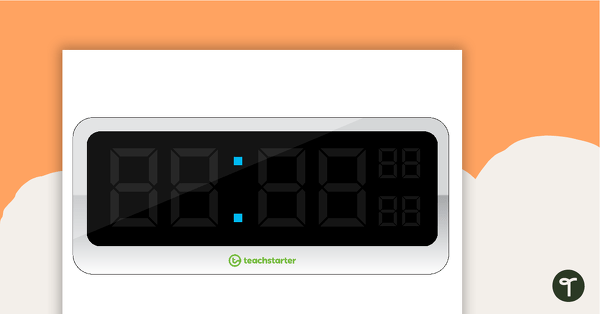
Digital Clock Template
A template for an interactive digital clock.
- Plus Plan
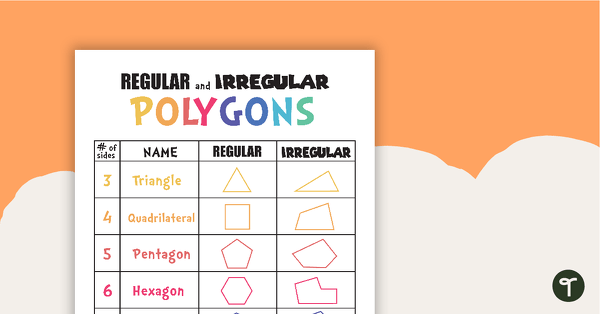
Regular and Irregular Polygons
A poster chart showing regular and irregular polygons.
- Plus Plan
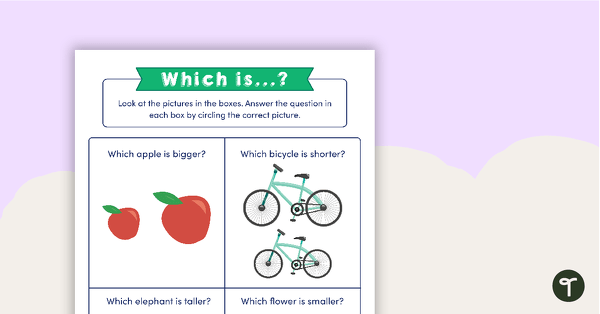
Which is...? - Observable Properties Worksheet
A set of 4 worksheets to practise identifying observable properties of objects.
- Plus Plan
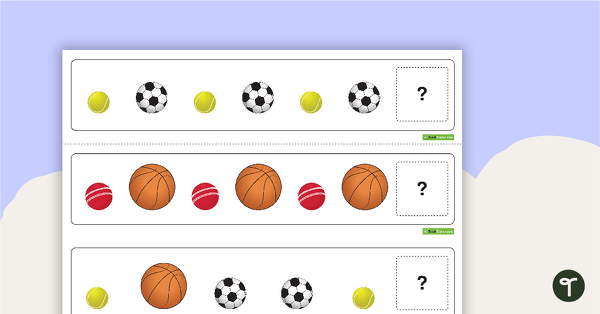
Pattern Activity Cards - Sport
Pattern activities using sport related pictures.
- Plus Plan
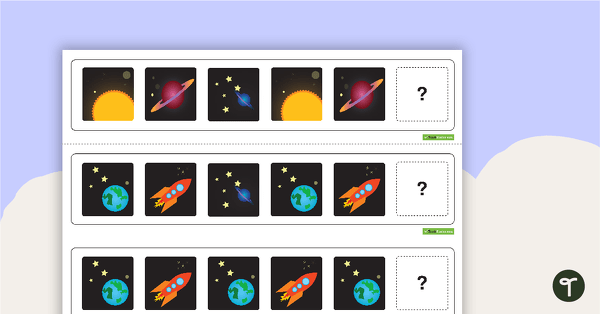
Pattern Activity Cards - Space
Pattern activities using space pictures.
- Plus Plan
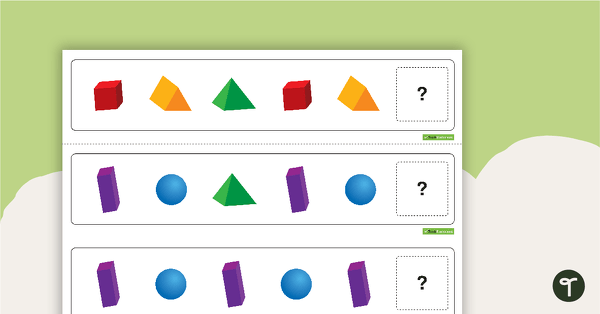
Pattern Activity Cards - Shapes
Pattern activities using different shapes.
- Plus Plan
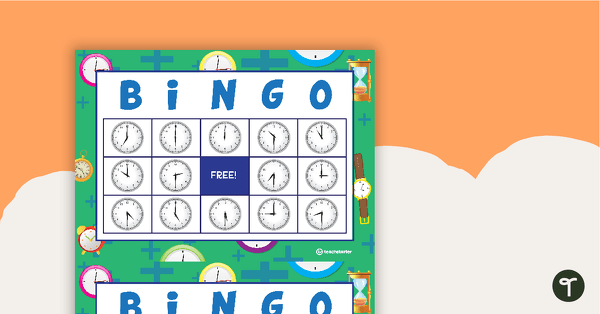
Telling the Time Bingo - Hour and Half-hour
Thirty different bingo cards using analogue clocks.
- Plus Plan
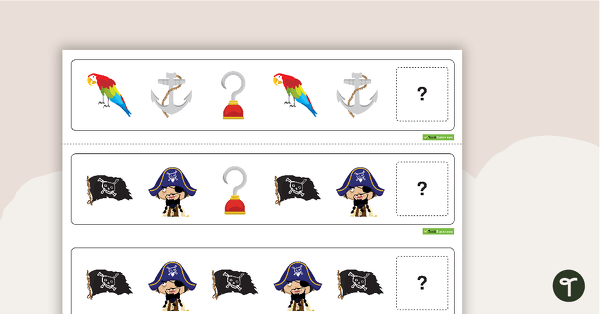
Pattern Activity Cards - Pirates
Pattern activities using pirate pictures.
- Plus Plan
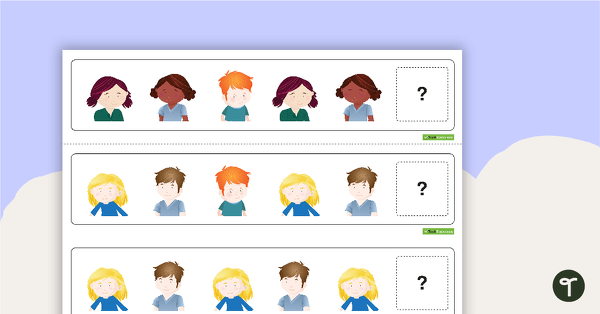
Pattern Activity Cards - People
Pattern activities using pictures of people.
- Plus Plan
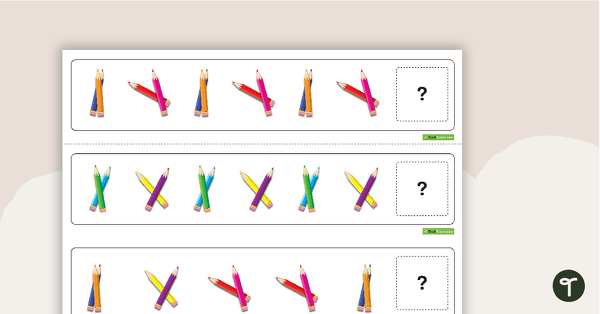
Pattern Activity Cards - Pencils
Pattern activities using coloured pencils.
- Plus Plan
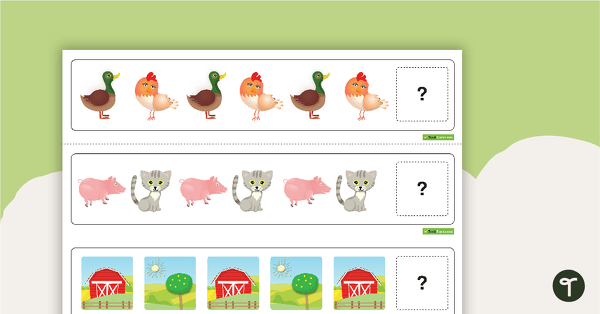
Pattern Activity Cards - Little Red Hen
Pattern activities using pictures from The Little Red Hen.