Examining literature
- Plus Plan
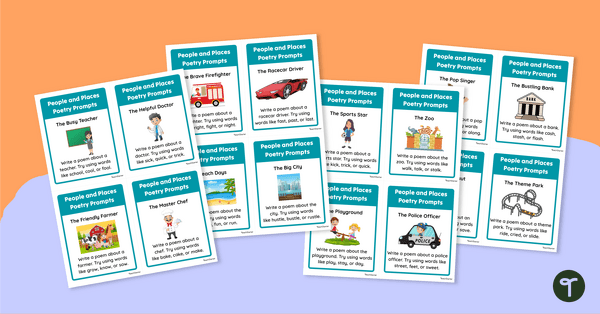
People and Places Poetry Prompt Task Cards
Use these writing prompts for poetry to help your students write simple poems about people and places.
- Plus Plan
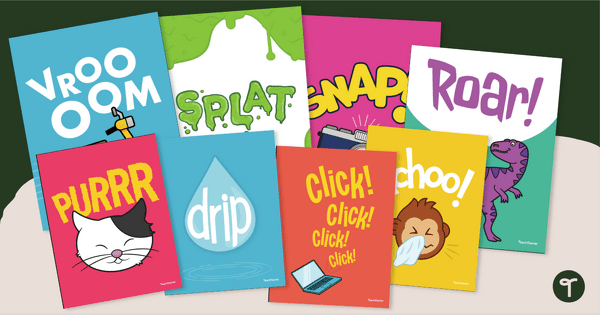
Figurative Language Posters – Onomatopoeia
Help young readers and writers recognise onomatopoeias with a set of onomatopoeia classroom posters.
- Plus Plan
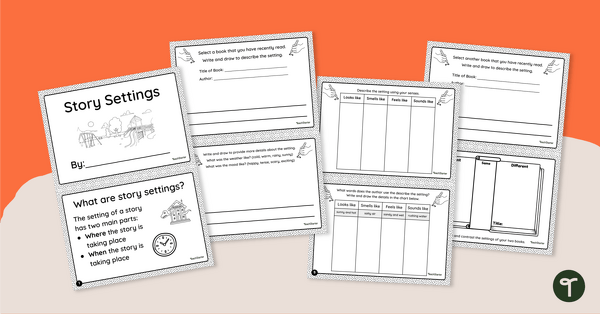
Story Settings Mini Book
Allow your little learners to explore and write about story settings with this fun-sized mini-book.
- Plus Plan
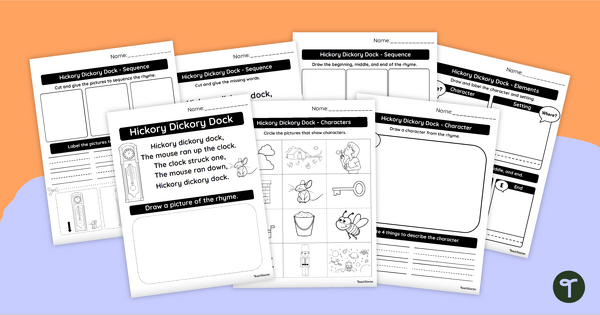
Narrative Features Worksheets - Hickory Dickory Dock
Identify characters, settings and parts of a story with early years reading worksheets featuring the Hickory Dickory Dock nursery rhyme.
- Plus Plan
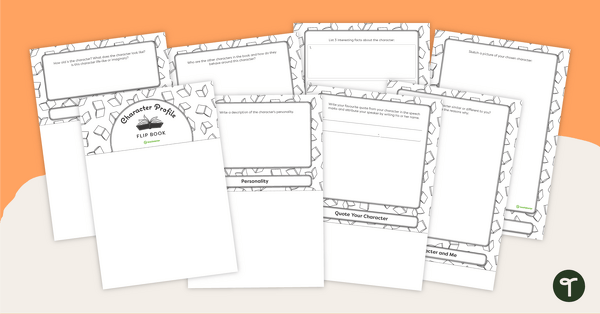
Character Profile Flip Book - Lower Primary
Explore story characters with this flipbook template for lower primary students.
- Plus Plan
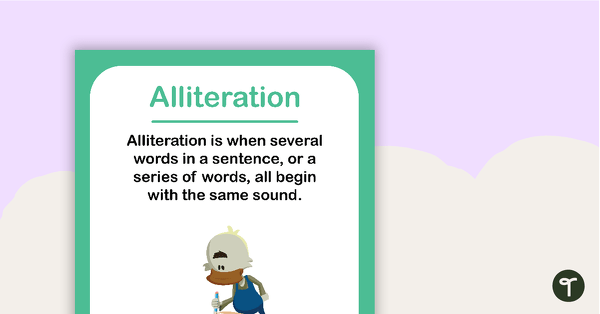
Alliteration Poster For Young Students
A poster to use with young students when teaching alliteration.
- Plus Plan
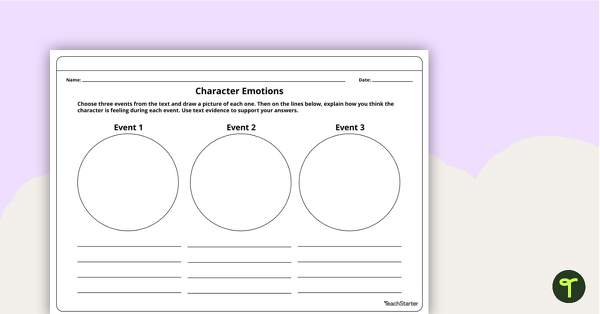
Character Emotions Worksheet
Make inferences about character's feelings with this one-page worksheet.
- Plus Plan
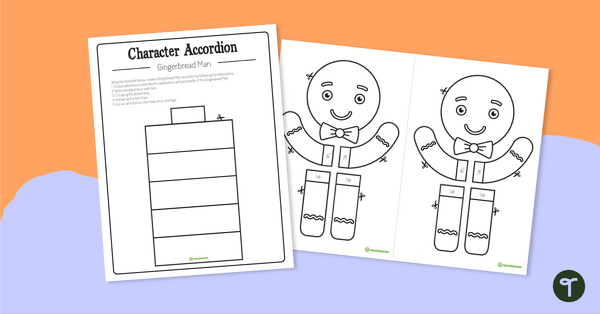
Character Adjective Concertina Template – The Gingerbread Man
Learn how adjectives can be used to describe a character's appearance and personality with a hands-on craft activity aligned to the English curriculum.
- Plus Plan
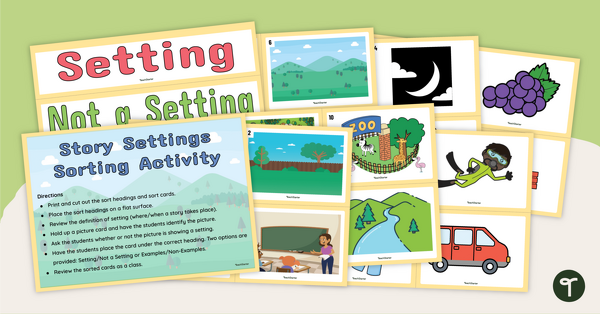
Story Setting or Not? - Sorting Activity
Explore the difference between story settings and non-settings with this hands-on sorting activity.
- Plus Plan
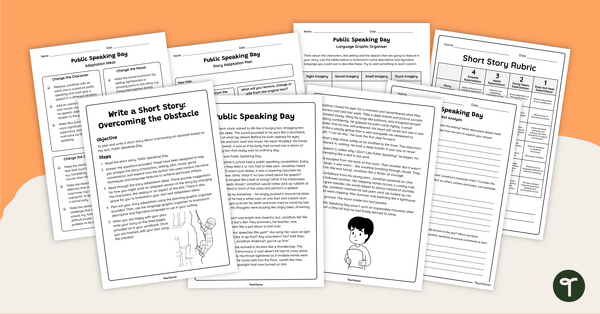
Write a Short Story – Overcoming Obstacles
Get your students analysing and writing overcoming obstacles short stories with this engaging and fully scaffolded writing project booklet.
- Plus Plan
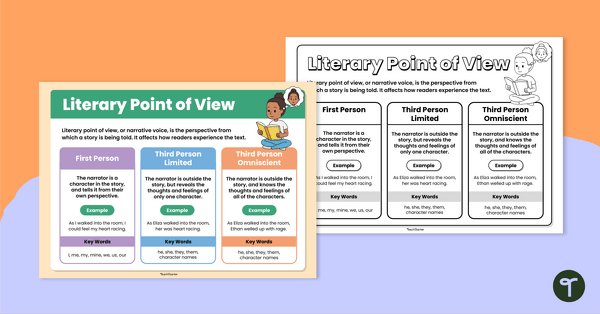
Types of Point of View in Literature Poster
Teach the types of point of view in literature with this classroom poster that explains first person, third person limited, and third person omniscient narration.
- Plus Plan
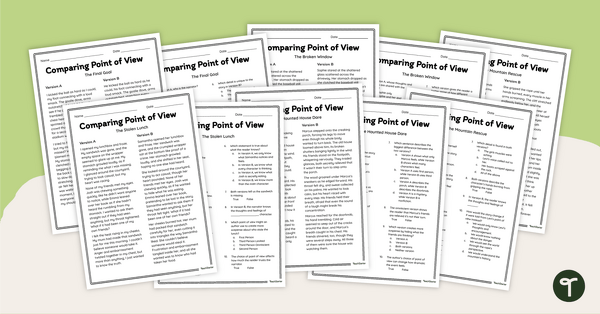
Comparing Narrative Voice Worksheets
Teach how narrative voice shapes the reader's experience of texts with this set of worksheets where students compare passages written from different points of view.
- Plus Plan
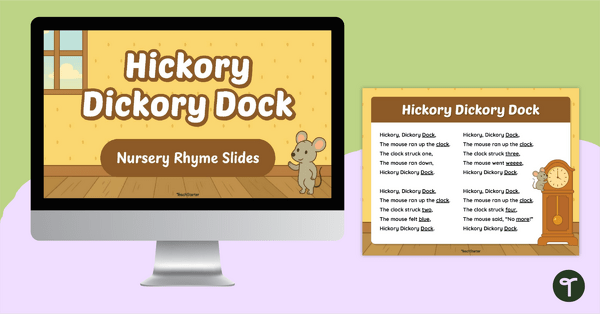
Hickory Dickory Dock – Nursery Rhyme Poster and PowerPoint
Use this “Hickory Dickory Dock” nursery rhyme poster and PowerPoint to teach your youngest students about rhyme, rhythm and counting.
- Plus Plan
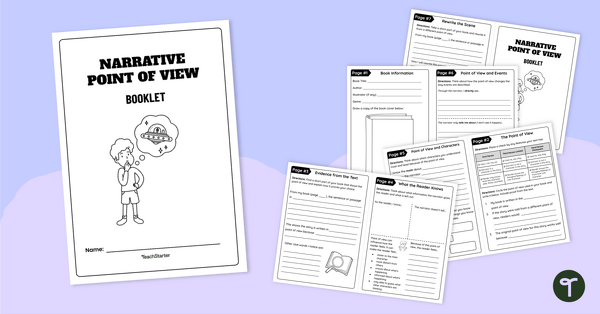
Point of View in a Narrative Booklet
Explore point of view in a narrative with this engaging mini book that helps students analyse the narrative voice of a book they have recently read.
- Plus Plan
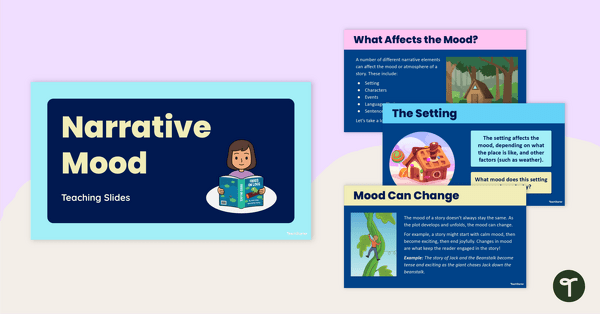
Narrative Mood Teaching Slides
Explore narrative mood with this interactive presentation that helps students understand what mood is, why it matters and how to create it in their own writing.
- Plus Plan
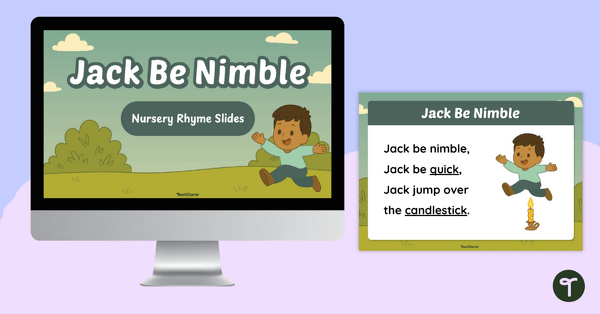
Jack Be Nimble – Nursery Rhyme Poster and PowerPoint
Use this “Jack be Nimble” nursery rhyme poster and PowerPoint to teach your youngest students about rhyme and rhythm.
- Plus Plan
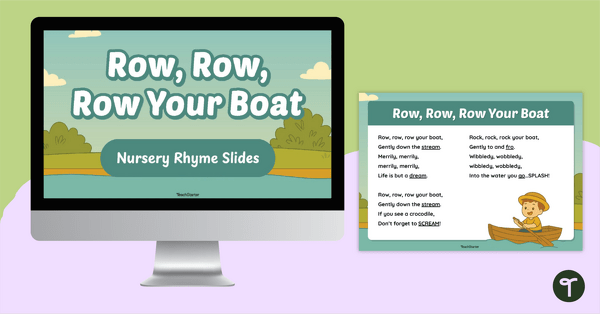
Row Row Row Your Boat – Nursery Rhyme Poster and PowerPoint
Use this “Row Row Row Your Boat” nursery rhyme poster to teach your youngest students about rhyme and rhythm.
- Plus Plan
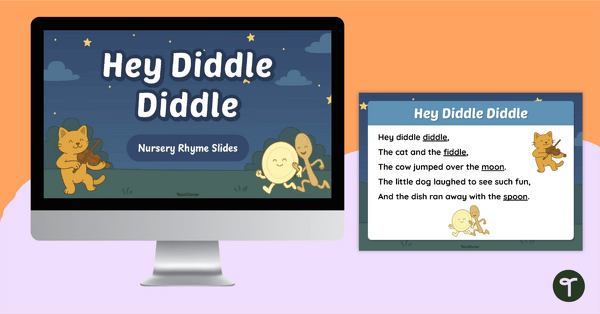
Hey Diddle Diddle – Nursery Rhyme Poster and PowerPoint
Use this “Hey Diddle Diddle” nursery rhyme poster to teach your youngest students about rhyme and rhythm.
- Plus Plan
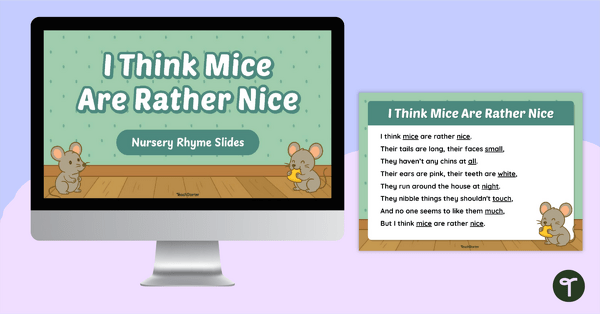
I Think Mice Are Rather Nice – Nursery Rhyme Poster and PowerPoint
Use this “I Think Mice Are Rather Nice” nursery rhyme poster and PowerPoint to teach your youngest students about rhyme and rhythm.
- Plus Plan
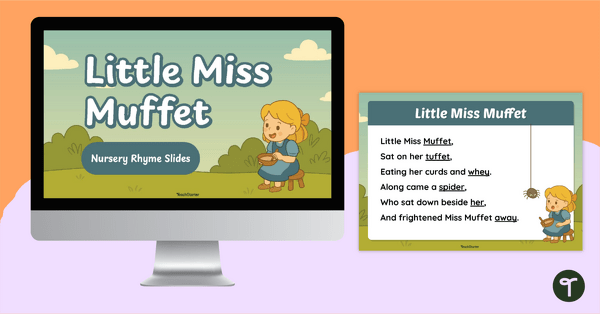
Little Miss Muffet – Nursery Rhyme Poster and PowerPoint
Use this “Little Miss Muffet” nursery rhyme poster or PowerPoint with audio to teach your youngest students the features of rhymes.
- Plus Plan
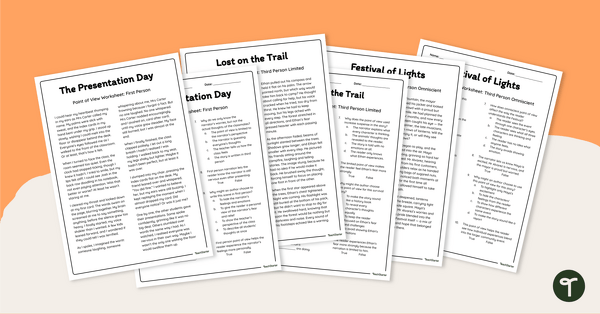
Narration and Point of View Worksheets
Use these narration and point of view comprehension passages to help students explore different narrative voices in literary texts.
- Plus Plan
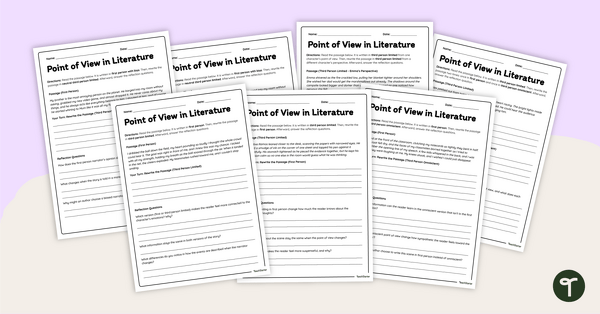
Voice in Narrative Writing Prompts
Explore voice in narrative with this set of engaging worksheets that require students to write literary passages in different points of view.
- Plus Plan
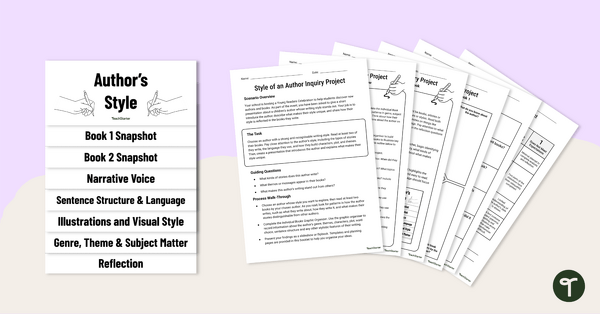
Style of an Author Inquiry Project
Explore the style of an author with this engaging classroom project that helps students analyse, understand and present what makes an author’s writing unique.
- Plus Plan
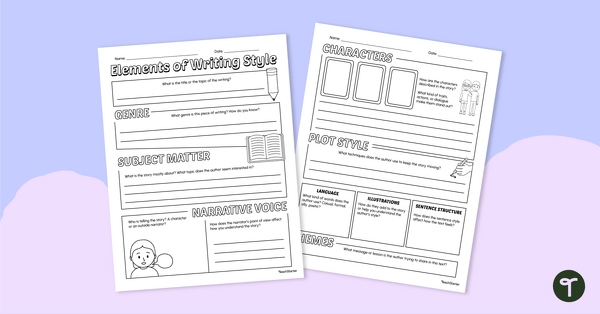
Writing Style Graphic Organiser
Get your class exploring writing style with this two-page graphic organiser, which enables students to track an author’s choices throughout a text.
- Plus Plan
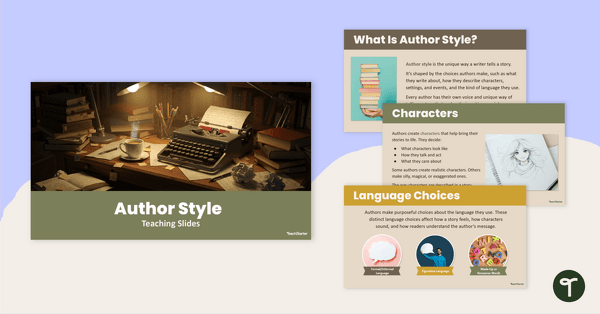
Author Style Teaching Slides
Teach your students about author style with this engaging slide deck that helps students understand the different elements that make up an author’s unique voice.
- Plus Plan
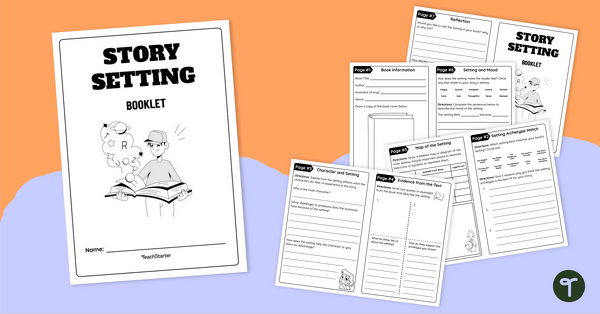
Story Settings Booklet
Explore common story settings in literature with this engaging 8-page mini book that helps students analyse settings from their own reading.
- Plus Plan
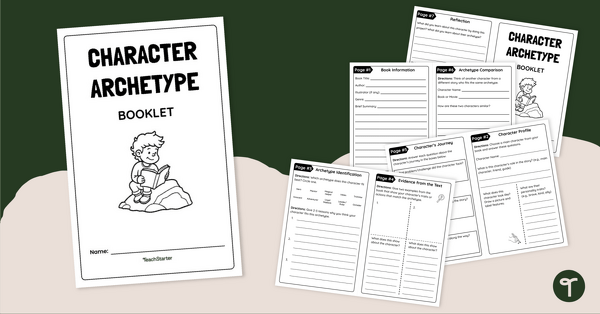
Archetype Characters Booklet
Explore archetype characters with this engaging 8-page mini book that helps students analyse a character from a book they have recently read.
- Plus Plan
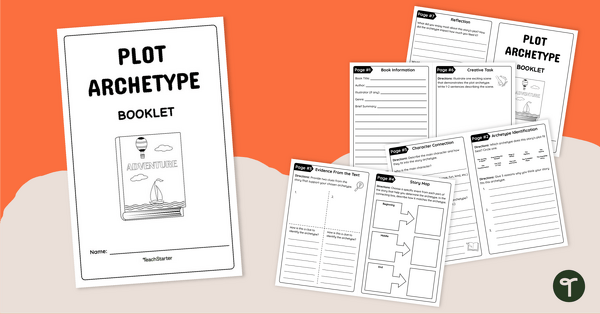
Plot Archetypes Booklet
Explore plot archetypes with this engaging 8-page mini book that helps students analyse familiar story structures.
- Plus Plan
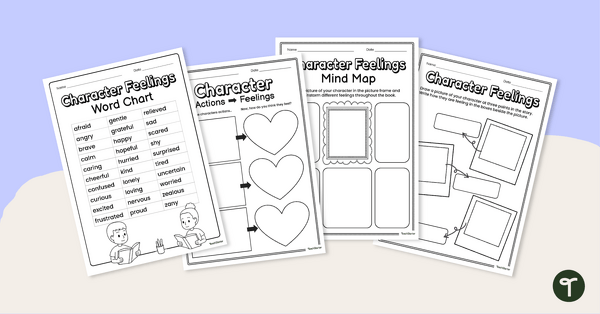
Character Emotions Chart and Worksheets
Explore character emotions in stories using this Character Emotions Chart and matching character Graphic Organisers
- Plus Plan
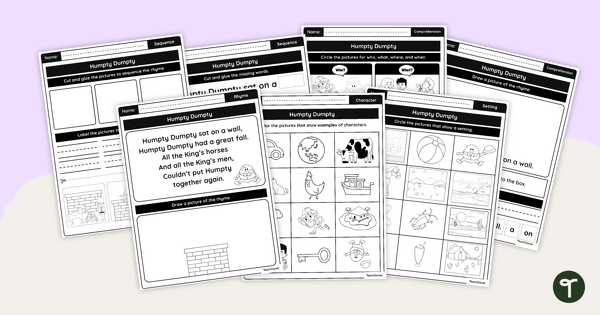
Narrative Features Worksheets - Humpty Dumpty
Identify characters, settings and parts of a story with early years reading worksheets featuring the Humpty Dumpty nursery rhyme.
- Plus Plan
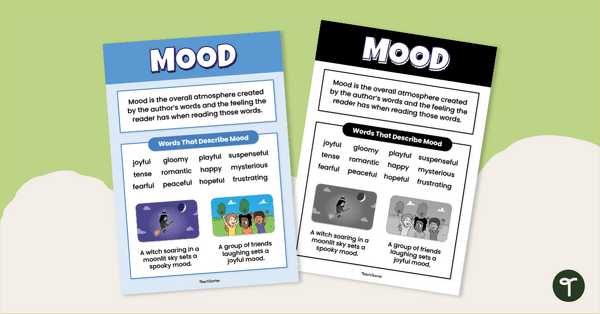
Mood Anchor Chart- Literary Element Poster
Introduce your students to mood, the atmosphere-creating literary element, with a printable Mood Anchor Chart.
- Plus Plan
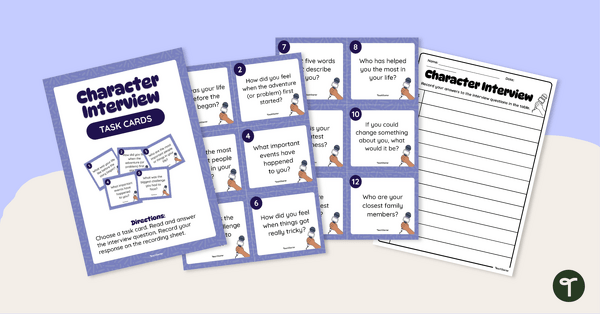
Character Interview Task Cards
Use these book character interview questions to extend your students' learning about the narrative elements.