Reading Teaching Resources for Year 3
- Plus Plan
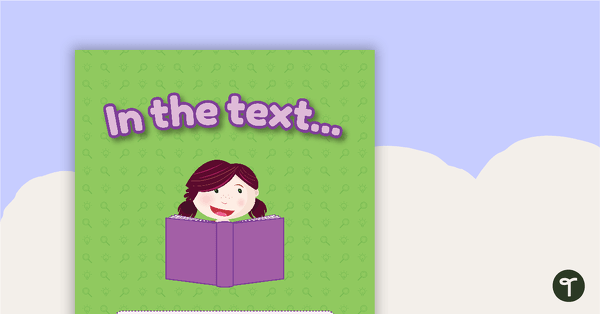
Question-Answer Relationship (QAR) Posters - Individual
Four posters highlighting the different strategies involved with the QAR comprehension strategy.
- Plus Plan

Letter Puzzle Pieces
Puzzle pieces with letters of the alphabet in two shapes.
- Plus Plan

Comprehension Strategies - Interactive PowerPoint
An engaging 48 slide interactive PowerPoint to use in the classroom when developing comprehension strategies.
- Plus Plan

Monster Mash Grapheme Sorting Activity
A small group or individual sorting activity to consolidate the concept of different graphemes.
- Plus Plan

Draw Conclusions and Make Inferences Poster
A poster highlighting how to draw conclusions and make inferences when reading a piece of text.
- Plus Plan

Features of a Book Cover Poster
A poster highlighting the main features of the front cover of a book.
- Plus Plan
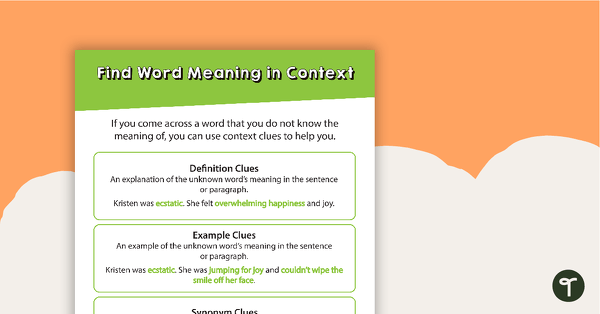
Find Word Meaning in Context Poster
A poster highlighting how to find word meaning in context when reading a piece of text.
- Plus Plan
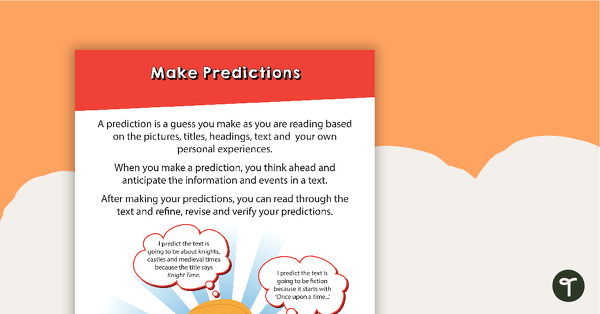
Make Predictions Poster
A poster highlighting how to make predictions when reading a piece of text.
- Plus Plan
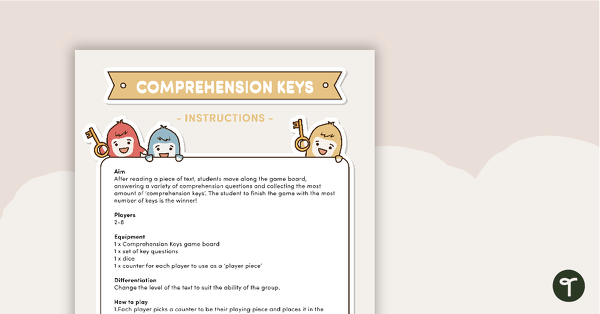
Comprehension Keys Board Game
A fun comprehension strategy board game for students to play during literacy rotations.
- Plus Plan
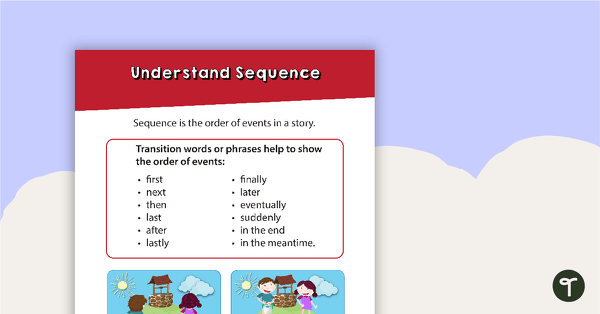
Understand Sequence Poster
A poster highlighting how to sequence when reading a piece of text.
- Plus Plan
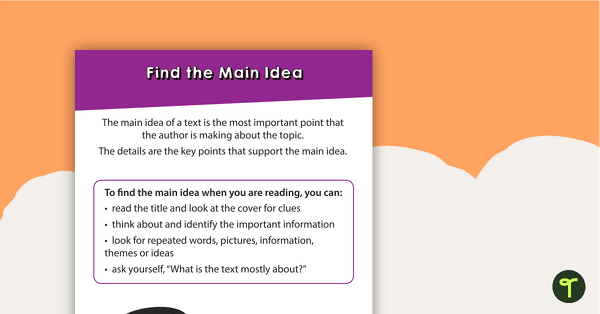
Find the Main Idea Poster
A poster highlighting how to find the main idea when reading a piece of text.
- Plus Plan
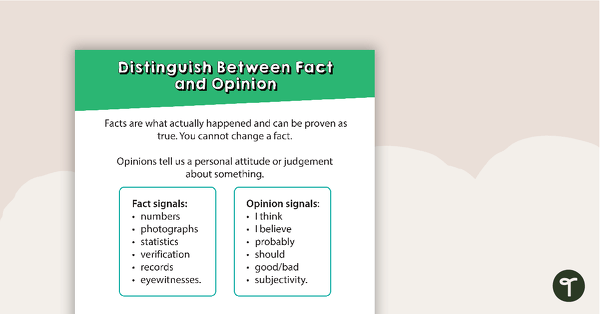
Distinguish Between Fact and Opinion Poster
A poster highlighting how to distinguish between fact and opinion when reading a piece of text.
- Plus Plan
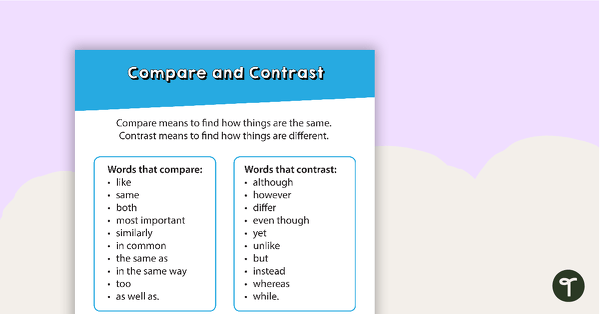
Compare and Contrast Poster
A poster highlighting how to compare and contrast when reading a piece of text.
- Plus Plan
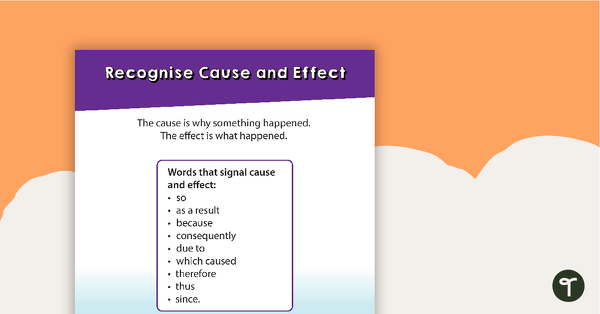
Recognise Cause and Effect Poster
A poster highlighting how to recognise cause and effect when reading a piece of text.
- Plus Plan
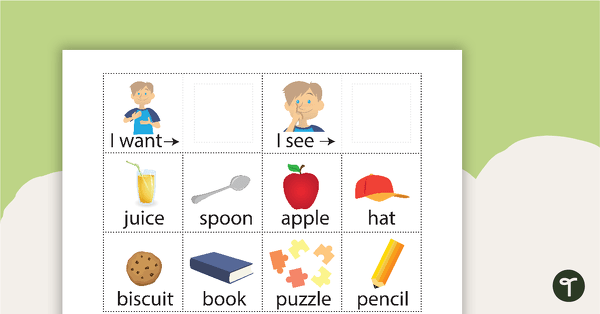
Picture Exchange Communication Cards
A set of basic Picture Exchange Communication (PEC) cards for children with autism spectrum disorder or other developmental disabilities.
- Plus Plan
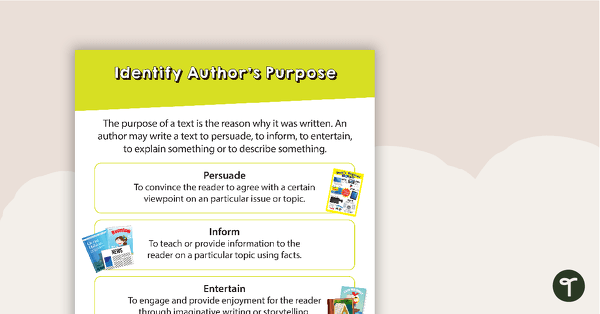
Identify Author's Purpose Poster
A poster highlighting how to identify the author's purpose when reading a piece of text.
- Plus Plan
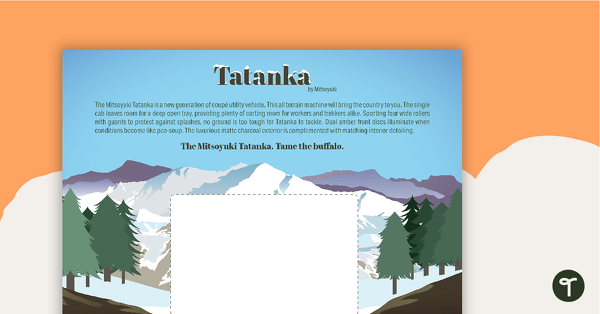
Inference Car Classifieds - Worksheet
A series of car classifieds worksheets to use when teaching your students how to infer information from written texts.
- Plus Plan
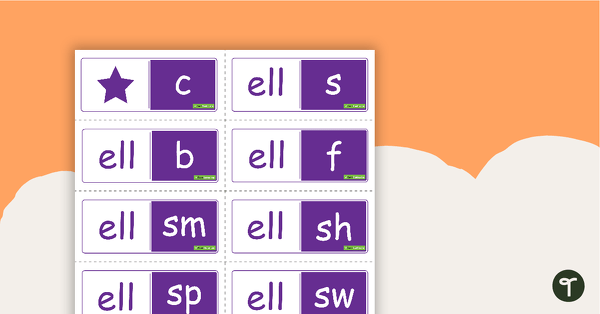
Rhyming Dominoes
Dominoes using rhyming words.
- Plus Plan
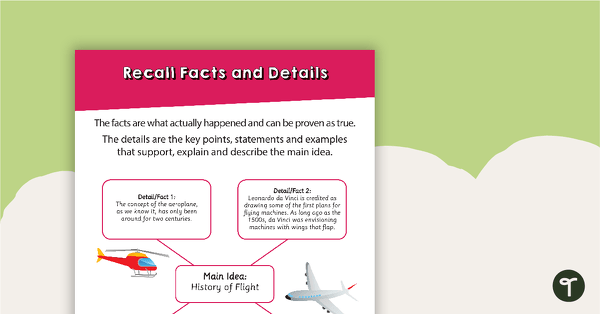
Recall Facts and Details Poster
A poster highlighting how to recall facts and details when reading a piece of text.
- Plus Plan

Super Six Reading Comprehension Strategies - Tolsby Frame Poster Pack
Use this set of Super Six comprehension question cards in the Ikea Tolsby Frames.
- Plus Plan
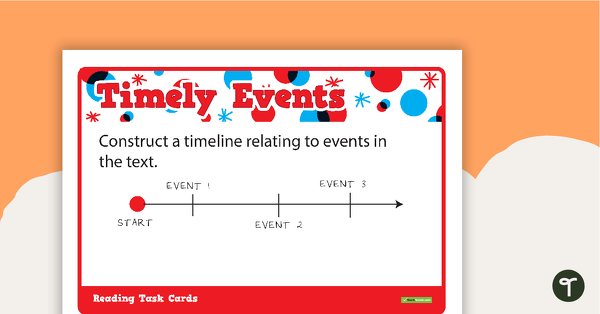
Reading Task Cards
Over 40 reading task cards.
- Plus Plan

My Reading Bookmark
Bookmarks to encourage your students to read on their own.
- Plus Plan
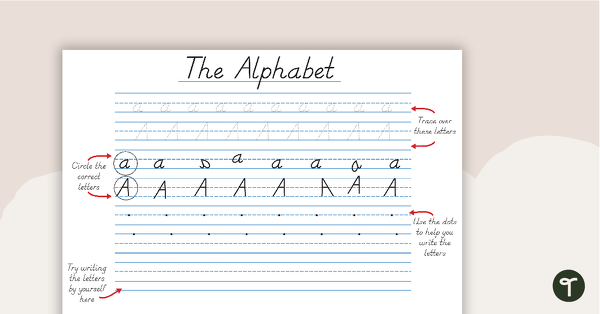
Alphabet Handwriting Sheets - Including Non-Examples
Handwriting sheets with opportunities for students to trace, identify and write the letters of the alphabet.
- Plus Plan
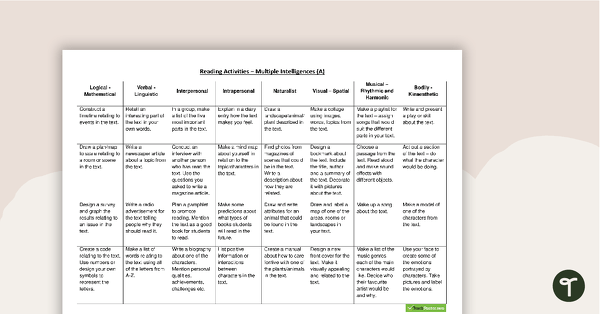
Multiple Intelligences Grid - Reading Activities (A)
A reading activities grid using Gardner's Multiple Intelligences.
- Plus Plan
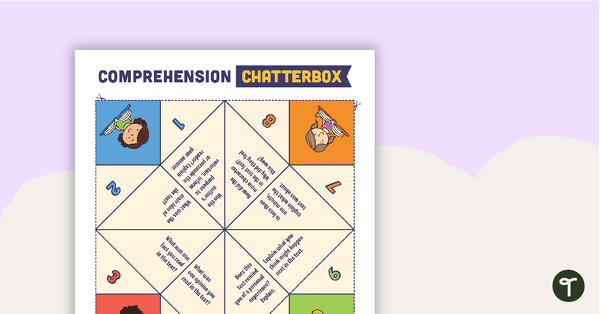
Comprehension Chatterbox
A fun reading comprehension strategy activity for students to use after reading a text.
- Plus Plan
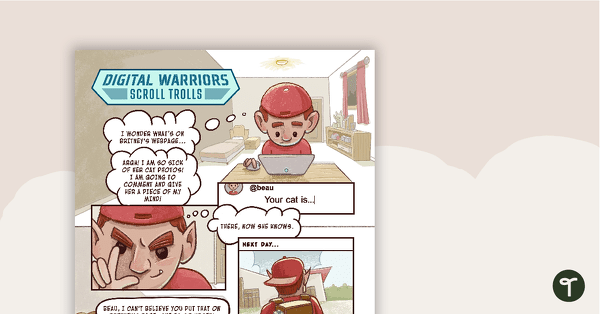
Digital Warriors: Scroll Trolls – Worksheet
A comprehension worksheet for the comic from the Year 4 magazine (Issue 3).
- Plus Plan
Fluency Reading Passage - Owls (Year 3)
A non-fiction text to use when assessing students' fluency.
- Plus Plan
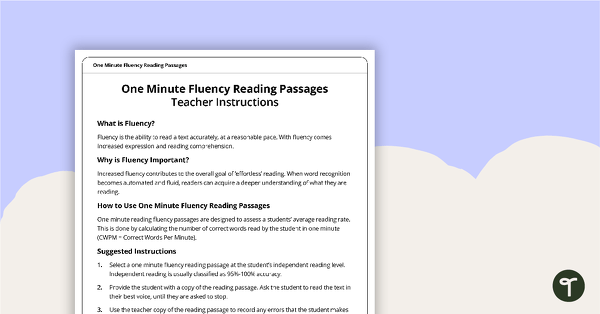
Fluency Reading Passage - Tennis (Year 3)
A non-fiction text to use when assessing students' fluency.
- Plus Plan
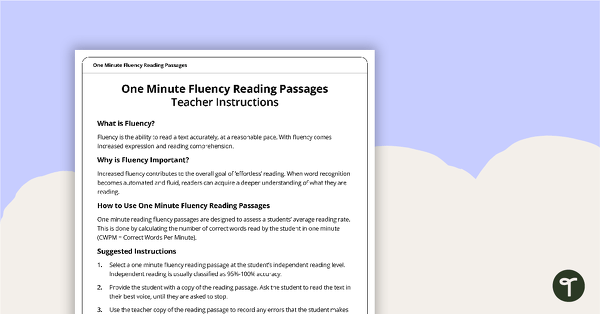
Fluency Reading Passage - The Little Seed (Year 3)
A fiction text to use when assessing students' fluency.
- Plus Plan
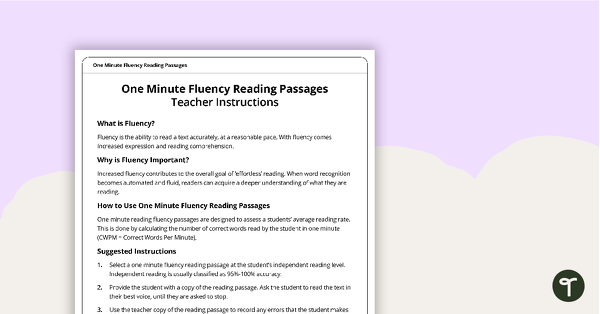
Fluency Reading Passage - Ready, Set, Go! (Year 3)
A fiction text to use when assessing students' fluency.
- Plus Plan
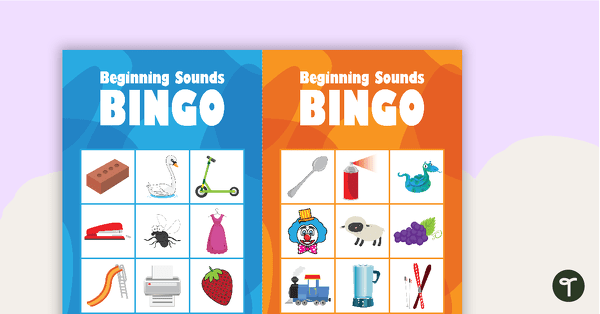
Initial Blends Bingo
30 different bingo cards using beginning sounds.
- Plus Plan

Guided Reading Groups - Organiser Template
Use this template to easily identify your guided reading groups and move students to different levels.