English
By the beginning of year 3, pupils should be able to read books written at an age-appropriate interest level. They should be able to read them accurately and at a speed that is sufficient for them to focus on understanding what they read rather than on decoding individual words. They should be able to decode most new words outside their spoken vocabulary, making a good approximation to the word’s pronunciation. As their decoding skills become increasingly secure, teaching should be directed more towards developing their vocabulary and the breadth and depth of their reading, making sure that they become independent, fluent and enthusiastic readers who read widely and frequently. They should be developing their understanding and enjoyment of stories, poetry, plays and non-fiction, and learning to read silently. They should also be developing their knowledge and skills in reading non-fiction about a wide range of subjects. They should be learning to justify their views about what they have read: with support at the start of year 3 and increasingly independently by the end of year 4.
- Plus Plan
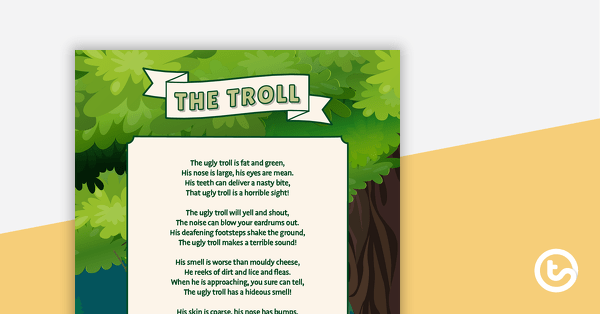
The Troll Poem and Task Cards
A poem and set of task cards about a Troll.
- Plus Plan
Fluency Reading Passage - Netball (Year 4)
A non-fiction text to use when assessing students' fluency.
- Plus Plan
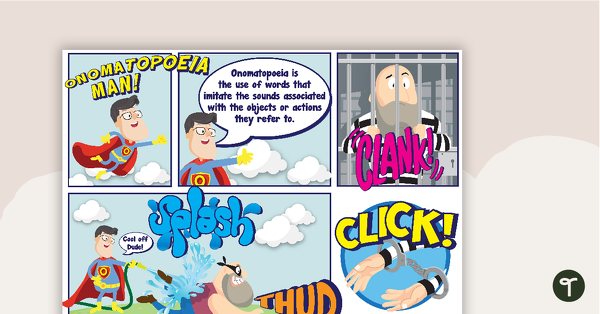
Onomatopoeia Man Poster
A poster providing a definition and examples of onomatopoeia.
- Plus Plan
Fluency Reading Passage - Turtles (Year 4)
A non-fiction text to use when assessing students' fluency.
- Plus Plan
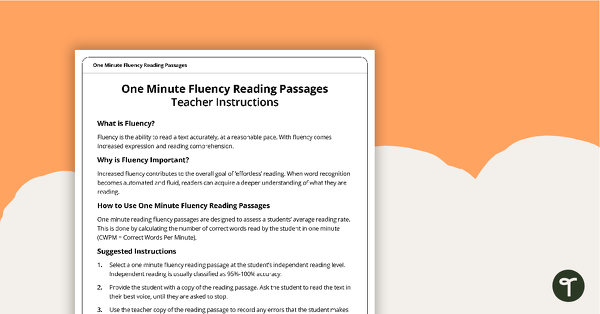
Fluency Reading Passage - Owls (Year 3)
A non-fiction text to use when assessing students' fluency.
- Plus Plan
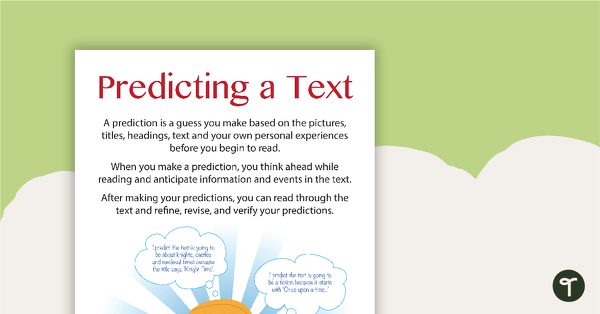
Predicting a Text - Poster and Worksheet
3 pages of resources for students to practise predicting text.
- Plus Plan
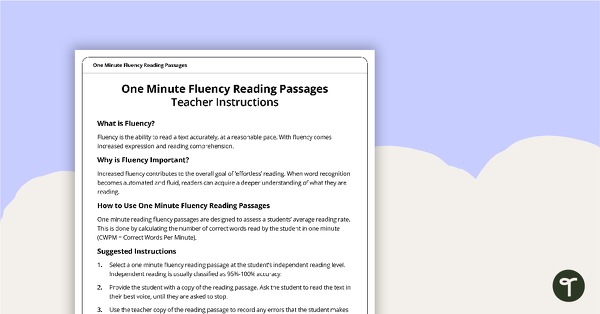
Fluency Reading Passage - Tennis (Year 3)
A non-fiction text to use when assessing students' fluency.
- Plus Plan
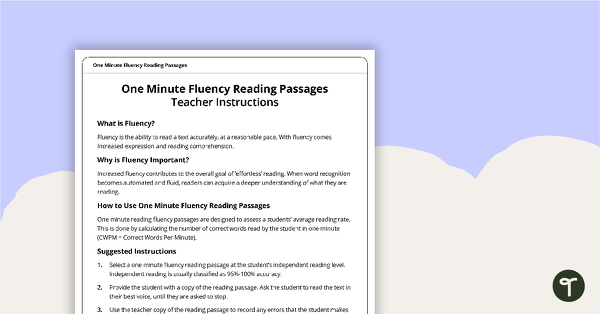
Fluency Reading Passage - The Little Seed (Year 3)
A fiction text to use when assessing students' fluency.
- Plus Plan
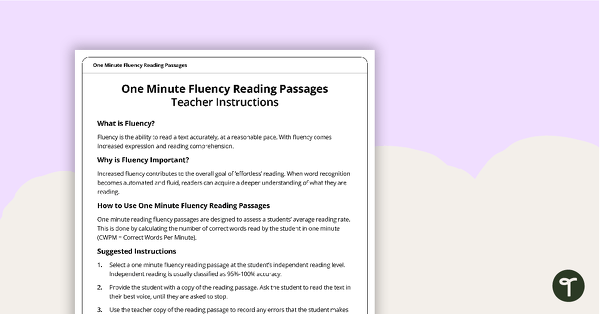
Fluency Reading Passage - Ready, Set, Go! (Year 3)
A fiction text to use when assessing students' fluency.
- Plus Plan
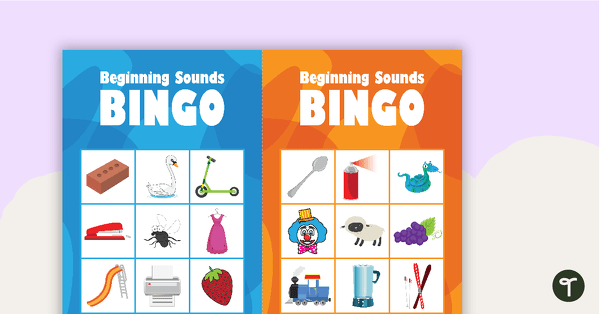
Initial Blends Bingo
30 different bingo cards using beginning sounds.
- Plus Plan
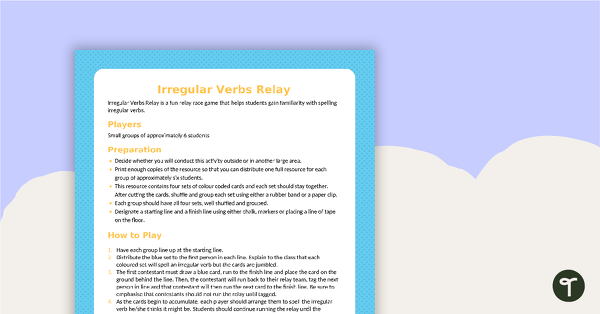
Irregular Verbs Relay
An active relay race game in which students spell out irregular verbs.
- Plus Plan
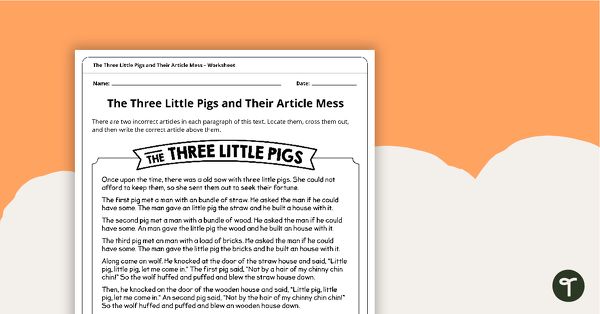
The Three Little Pigs and Their Article Mess - Worksheet
A reading exercise of the classic story of The Three Little Pigs with incorrect articles students need to fix.
- Plus Plan
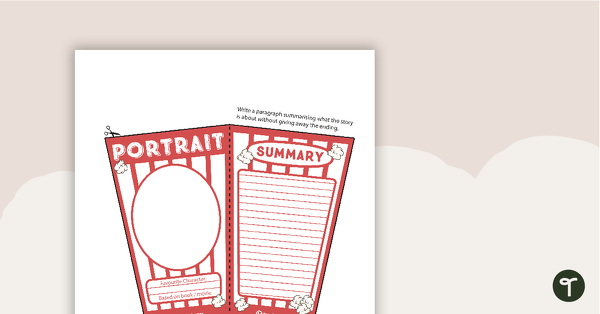
Movie Versus Book Popcorn and Drink Review - Template
Templates that students can compare and review a movie and a book with the same title, then construct them into a 3D popcorn box and movie drink cup.
- Plus Plan
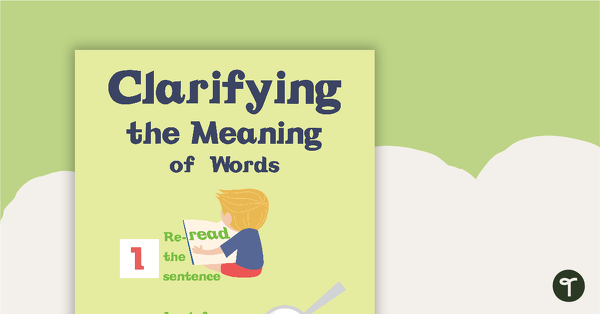
Clarifying the Meaning of Words Poster
A poster with 3 steps to clarify the meaning of words.
- Plus Plan
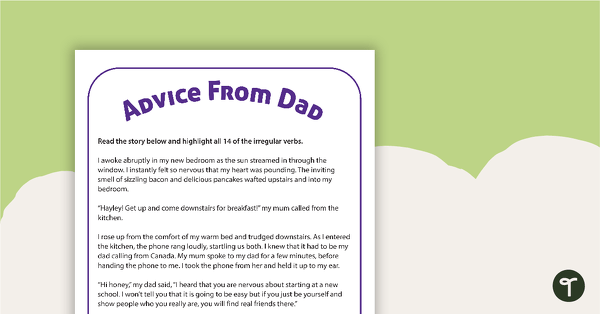
Irregular Past Tense Verbs Worksheet
A worksheet that helps students identify irregular verbs.
- Plus Plan
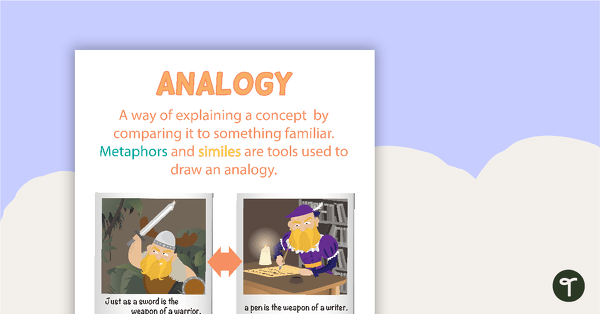
Analogy- Literary Technique Poster
A poster with a description and examples of analogy, a literary technique.
- Plus Plan
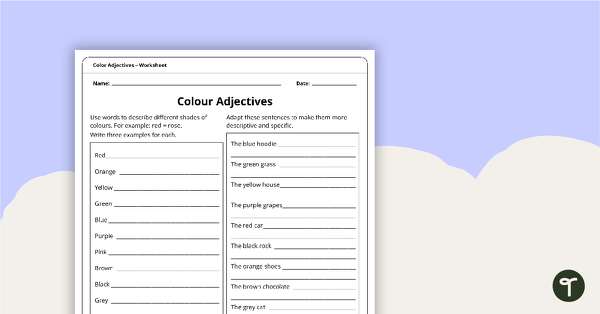
Colour Adjectives - Worksheet
A worksheet activity designed to help prompt students to be more descriptive when describing nouns with colours.
- Plus Plan
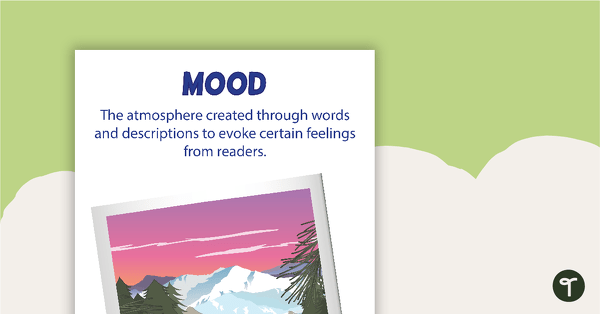
Mood - Literary Element Poster
A poster with a description and example of mood, a literary element.
- Plus Plan
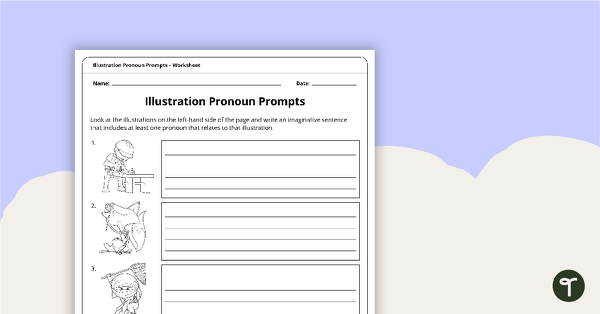
Illustration Pronoun Prompts - Worksheet
A worksheet with image prompts for students to exercise their knowledge of pronouns.
- Plus Plan
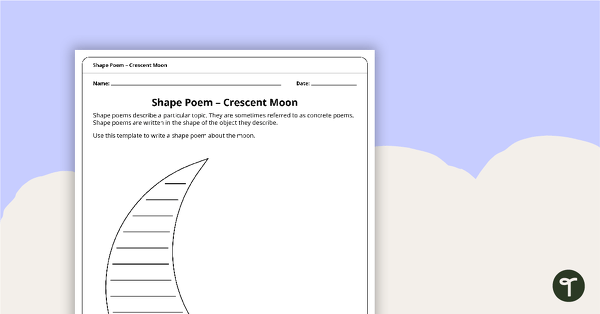
Shape Poem Template – Crescent Moon
Practise writing a shape poem with this crescent moon template.
- Plus Plan
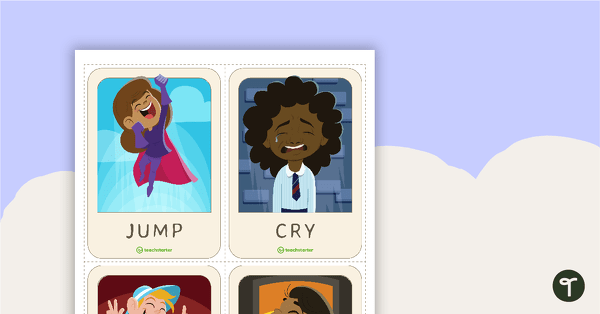
Verb Charades Active Game
An active game that allows students to consolidate their understanding of action verbs.
- Plus Plan
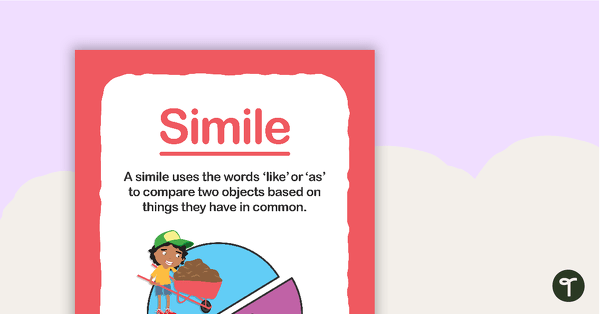
Simile Poster for Young Students
A poster to use with young students when teaching similes.
- Plus Plan
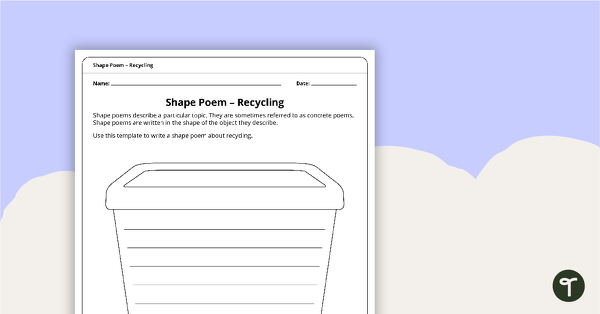
Shape Poem Template – Recycling
Practise writing a shape poem with this recycling bin template.
- Plus Plan
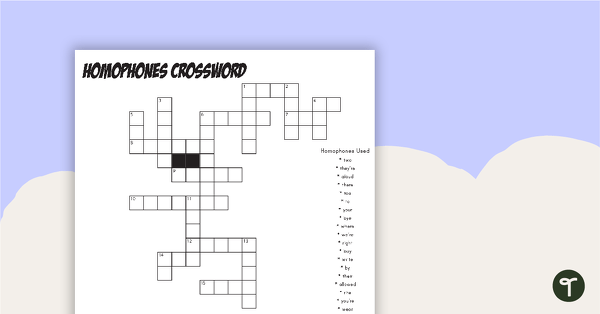
Homophone Crossword
A crossword using different homophones.
- Plus Plan
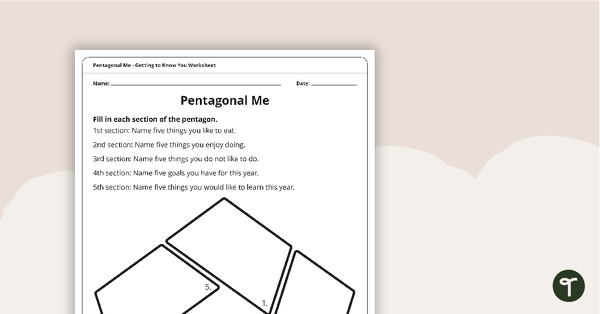
Pentagonal Me Getting to Know You Worksheet
A worksheet to use when getting to know students.
- Plus Plan
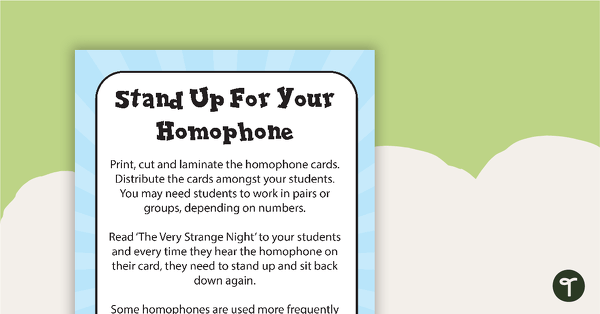
Stand Up For Your Homophone Game
A fun, interactive way to help your students learn the different homophones and their meanings.
- Plus Plan
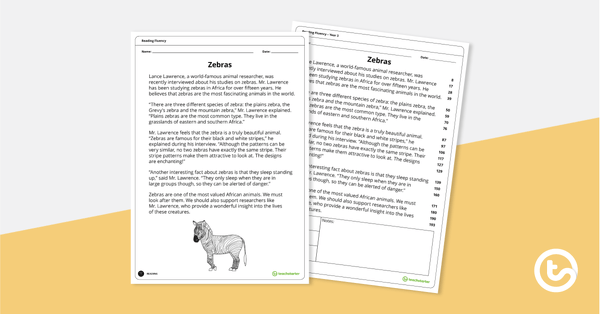
Reading Fluency – Zebras (Year 3)
A nonfiction text to use when assessing students’ fluency.
- Plus Plan
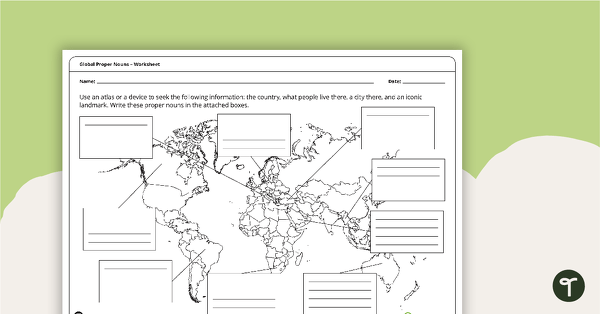
Global Proper Nouns - Worksheet
A mapping activity that prompts students to use their grammar knowledge of proper nouns.
- Plus Plan
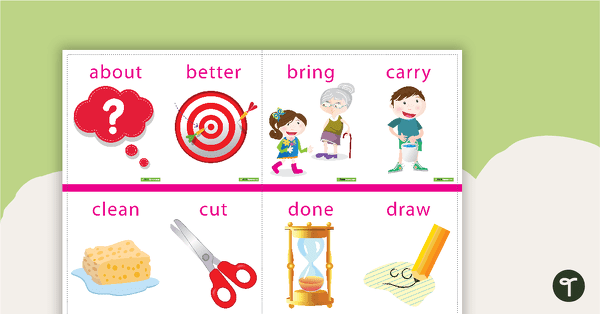
Dolch Sight Word Flashcards with Pictures - Year 3
Use these flashcards to help students practice their Dolch sight words.
- Plus Plan
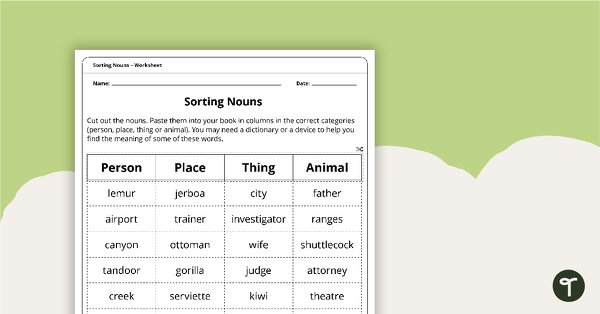
Sorting Nouns - Worksheet
A cut and arrange activity which involves students using their grammar skill to sort through nouns and categorise them.
- Plus Plan
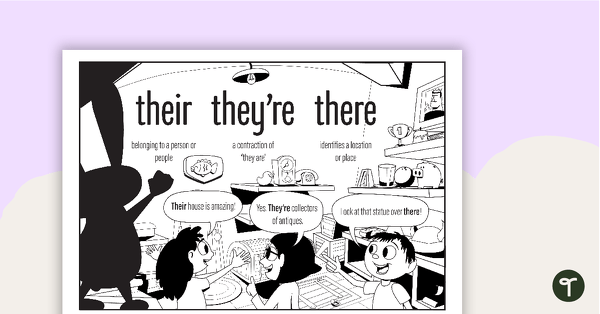
Their, They're and There Homophones Poster
An educational poster for the homophones their, they're and there.
- Plus Plan
Literacy Groups Book Cover - Version 2
A Literacy Groups book cover to use on your students' workbooks.