English
By the beginning of year 3, pupils should be able to read books written at an age-appropriate interest level. They should be able to read them accurately and at a speed that is sufficient for them to focus on understanding what they read rather than on decoding individual words. They should be able to decode most new words outside their spoken vocabulary, making a good approximation to the word’s pronunciation. As their decoding skills become increasingly secure, teaching should be directed more towards developing their vocabulary and the breadth and depth of their reading, making sure that they become independent, fluent and enthusiastic readers who read widely and frequently. They should be developing their understanding and enjoyment of stories, poetry, plays and non-fiction, and learning to read silently. They should also be developing their knowledge and skills in reading non-fiction about a wide range of subjects. They should be learning to justify their views about what they have read: with support at the start of year 3 and increasingly independently by the end of year 4.
- Plus Plan
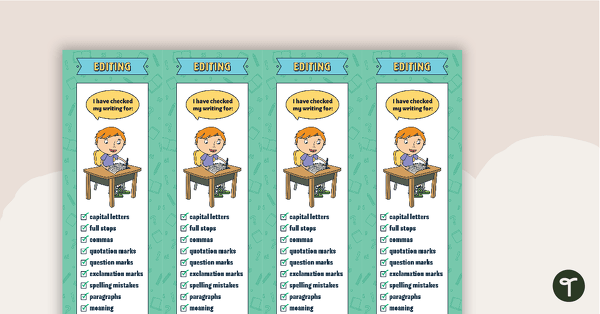
Editing Bookmarks
A clear and colourful editing checklist for students to refer to when proofreading their writing.
- Plus Plan
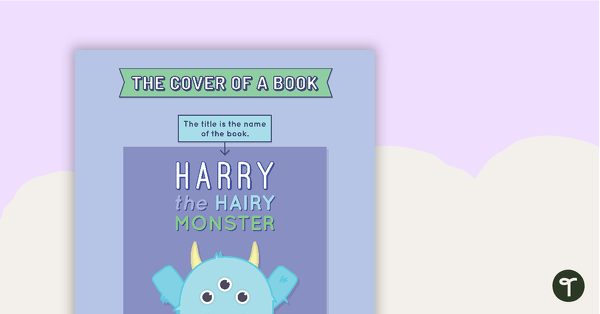
Features of a Book Cover Poster
A poster highlighting the main features of the front cover of a book.
- Plus Plan
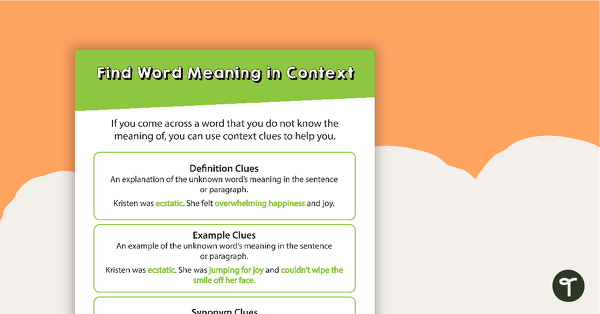
Find Word Meaning in Context Poster
A poster highlighting how to find word meaning in context when reading a piece of text.
- Plus Plan
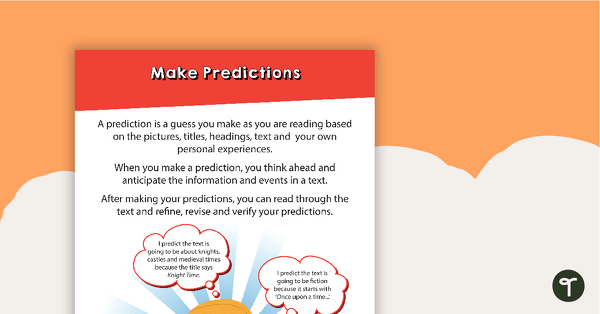
Make Predictions Poster
A poster highlighting how to make predictions when reading a piece of text.
- Plus Plan
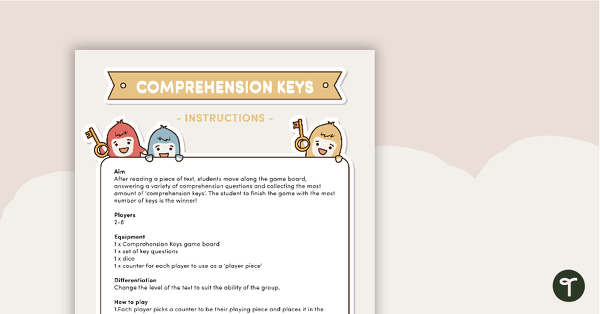
Comprehension Keys Board Game
A fun comprehension strategy board game for students to play during literacy rotations.
- Plus Plan
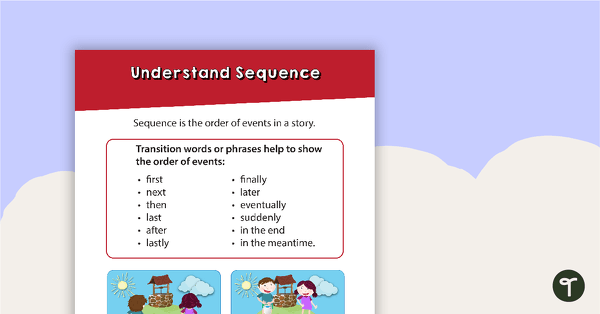
Understand Sequence Poster
A poster highlighting how to sequence when reading a piece of text.
- Plus Plan
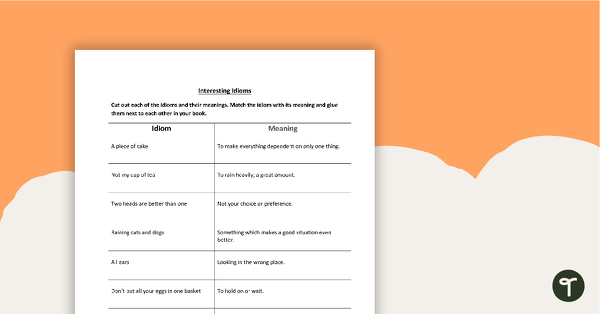
Interesting Idioms Worksheet
A worksheet using common idioms.
- Plus Plan
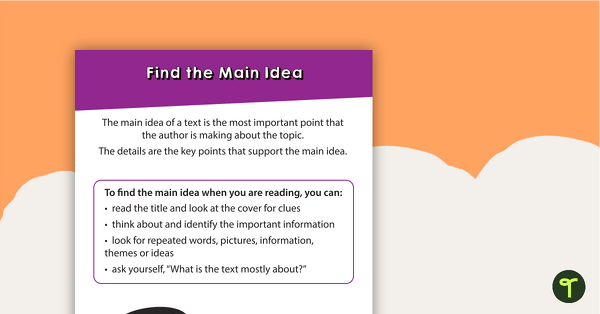
Find the Main Idea Poster
A poster highlighting how to find the main idea when reading a piece of text.
- Plus Plan
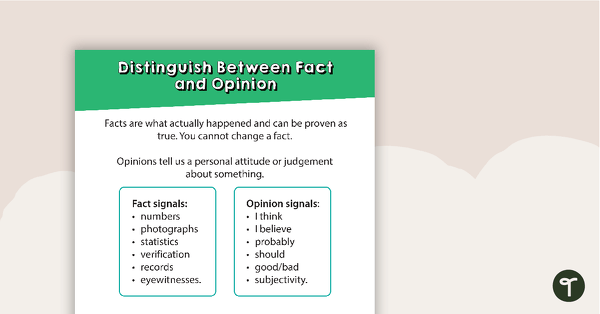
Distinguish Between Fact and Opinion Poster
A poster highlighting how to distinguish between fact and opinion when reading a piece of text.
- Plus Plan
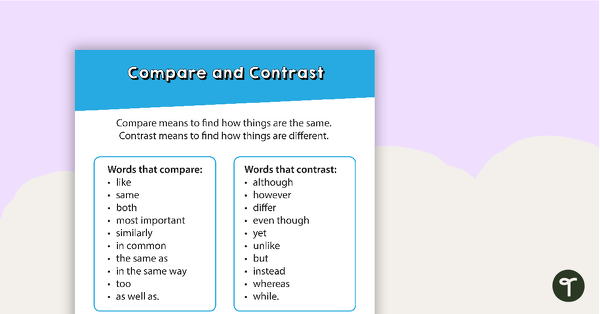
Compare and Contrast Poster
A poster highlighting how to compare and contrast when reading a piece of text.
- Plus Plan
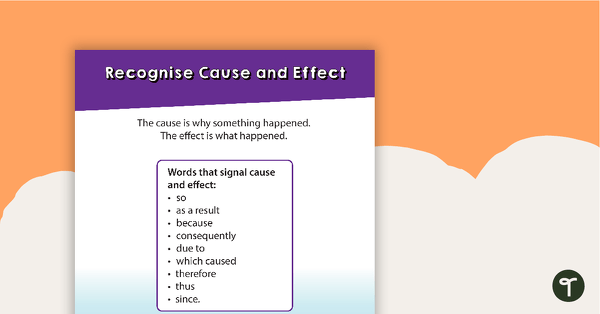
Recognise Cause and Effect Poster
A poster highlighting how to recognise cause and effect when reading a piece of text.
- Plus Plan
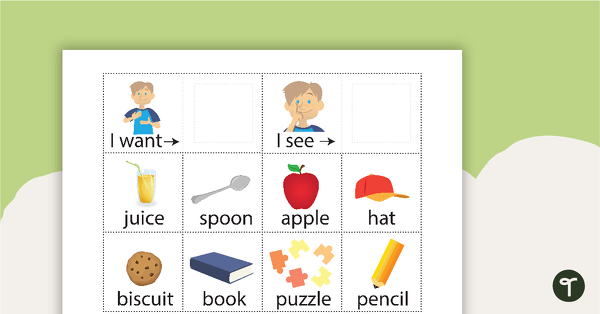
Picture Exchange Communication Cards
A set of basic Picture Exchange Communication (PEC) cards for children with autism spectrum disorder or other developmental disabilities.
- Plus Plan
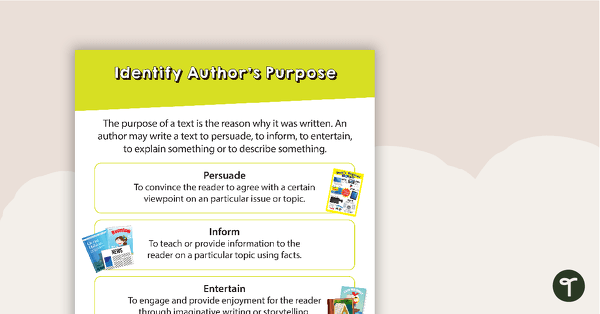
Identify Author's Purpose Poster
A poster highlighting how to identify the author's purpose when reading a piece of text.
- Plus Plan
Multiple Choice Literacy Quiz PowerPoint - Template
An 11 slide PowerPoint template for presenting a literacy multiple choice quiz to your students.
- Plus Plan
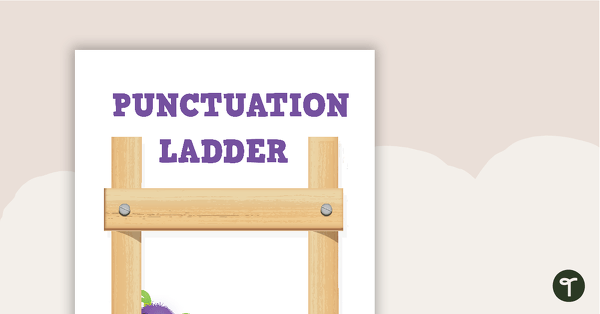
Punctuation Tracking Chart – Monster Theme
A classroom display that allows students to see their progress towards using correct grammar and punctuation in their sentences.
- Plus Plan
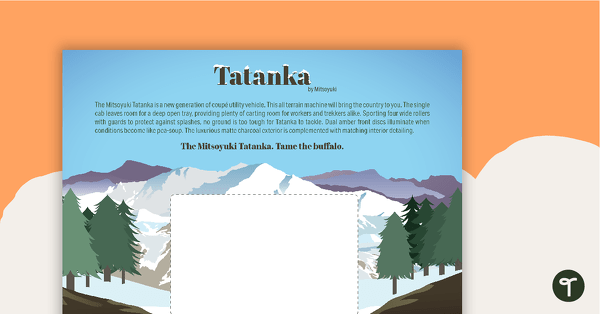
Inference Car Classifieds - Worksheet
A series of car classifieds worksheets to use when teaching your students how to infer information from written texts.
- Plus Plan
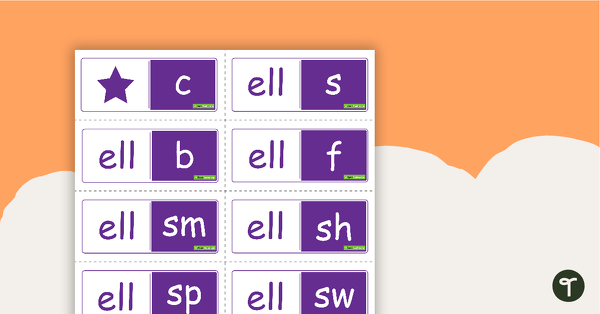
Rhyming Dominoes
Dominoes using rhyming words.
- Plus Plan
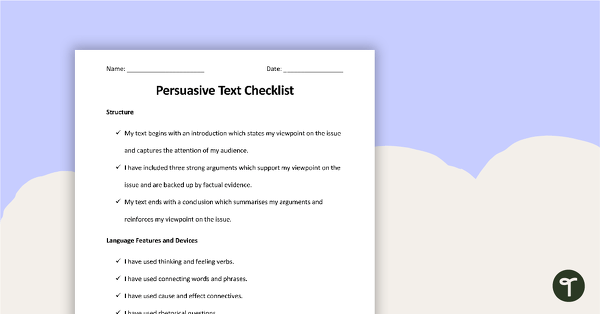
Persuasive Writing Checklist - Structure, Language and Features
A checklist for students to use when proofreading and editing their persuasive writing.
- Plus Plan
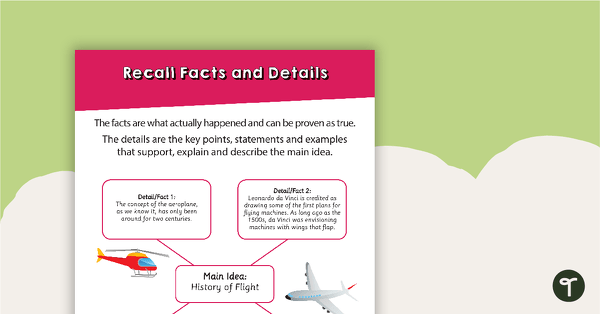
Recall Facts and Details Poster
A poster highlighting how to recall facts and details when reading a piece of text.
- Plus Plan
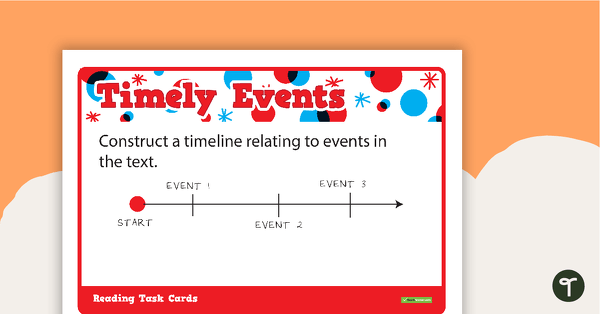
Reading Task Cards
Over 40 reading task cards.
- Plus Plan
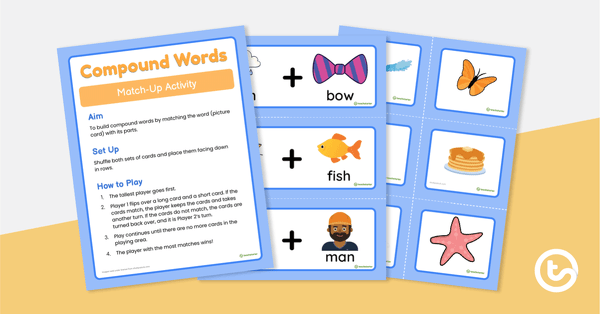
Compound Words – Match-Up Activity
Build your students knowledge of compound words with this hands-on matching activity.
- Plus Plan
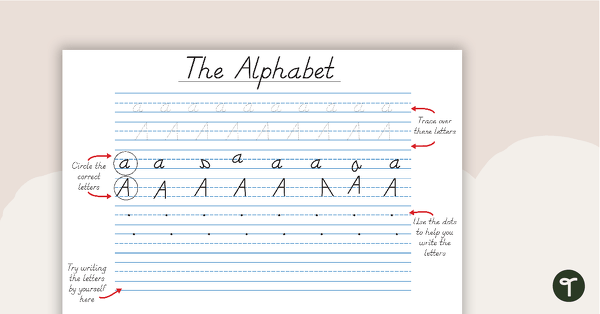
Alphabet Handwriting Sheets - Including Non-Examples
Handwriting sheets with opportunities for students to trace, identify and write the letters of the alphabet.
- Plus Plan
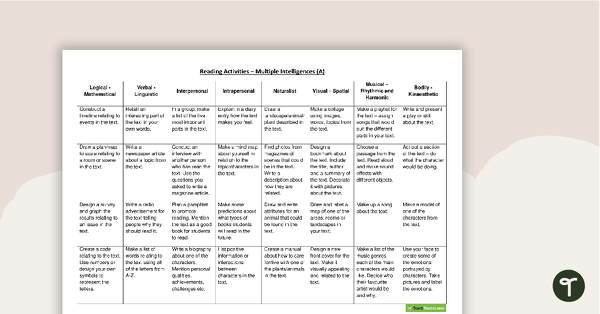
Multiple Intelligences Grid - Reading Activities (A)
A reading activities grid using Gardner's Multiple Intelligences.
- Plus Plan
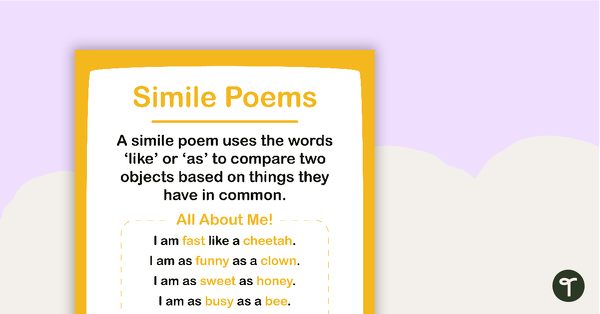
Simile Poems Poster
A poster providing a definition and example of a simile poem.
- Plus Plan
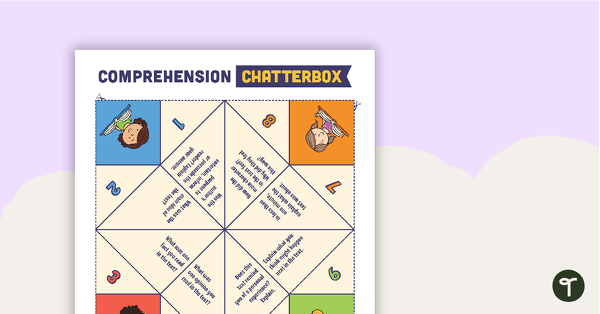
Comprehension Chatterbox
A fun reading comprehension strategy activity for students to use after reading a text.
- Plus Plan

Narrative Prompts Posters
A set of 20 posters to display as narrative story prompts for students.
- Plus Plan
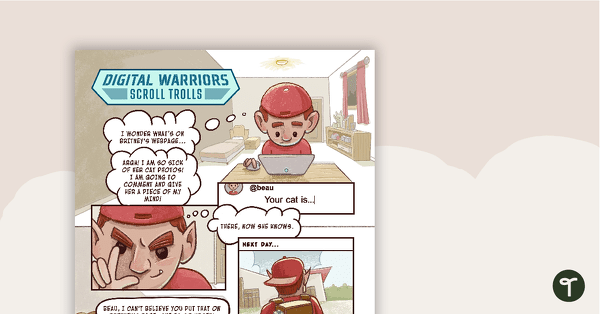
Digital Warriors: Scroll Trolls – Worksheet
A comprehension worksheet for the comic from the Year 4 magazine (Issue 3).
- Plus Plan
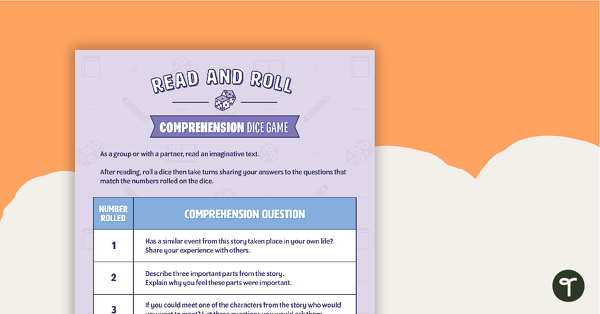
Read and Roll - Comprehension Dice Game
A fun reading comprehension strategy game to play in the classroom during literacy groups.
- Plus Plan
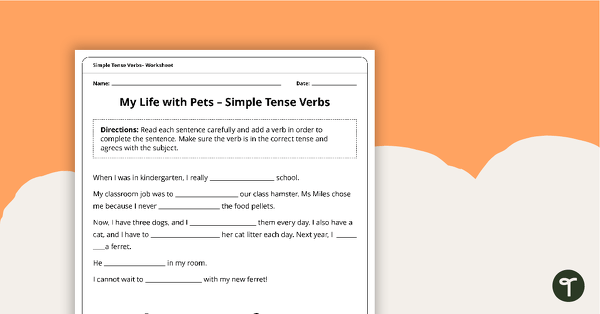
Past, Present and Future Simple Tense Verbs Worksheet
An ad-lib style worksheet where students can add their own simple past, present and future tense verbs.
- Plus Plan
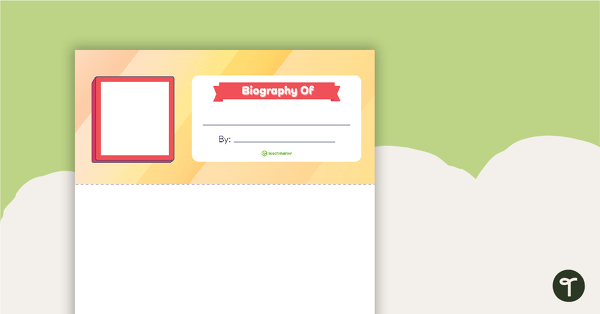
Biography Flip Book Template
A flip book template to use when writing biographies.
- Plus Plan
Onomatopoeia Word Wall Vocabulary Cards - Blank
Blank word wall vocabulary cards for brainstorming activities.
- Plus Plan
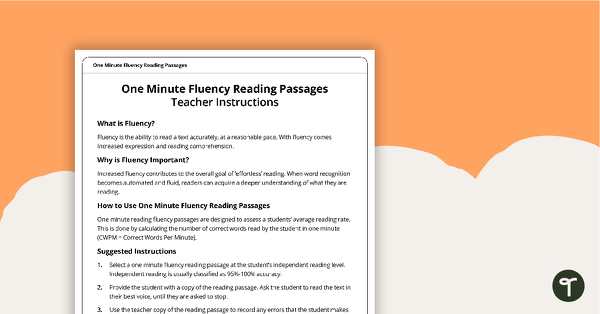
Fluency Reading Passage - Wind and Sun (Year 4)
A fiction text to use when assessing students' fluency.