Data representation
- Plus Plan
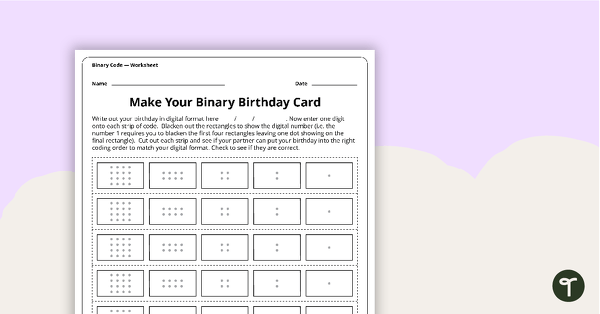
Make Your Binary Code Birthday Card Activity
A worksheet for students to use when learning about the total numeric value of a bit code.
- Plus Plan
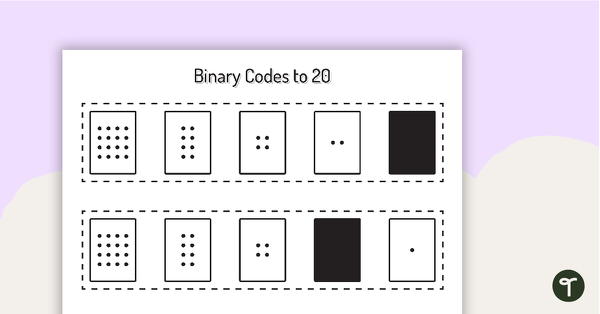
Binary Codes with Guide Dots to 20 Cards
Coding cards for teachers to use when teaching about the total numeric value of a bit code.
- Plus Plan
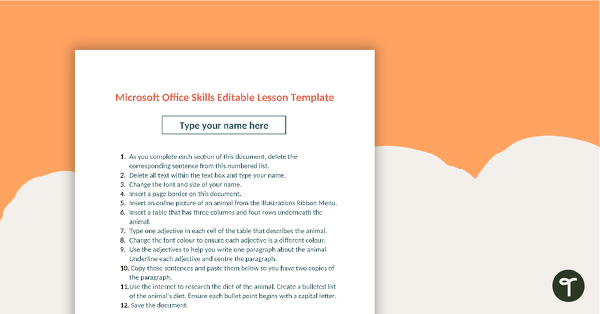
Editable Word Processing Template
An editable template for students to consolidate word processing skills.
- Plus Plan
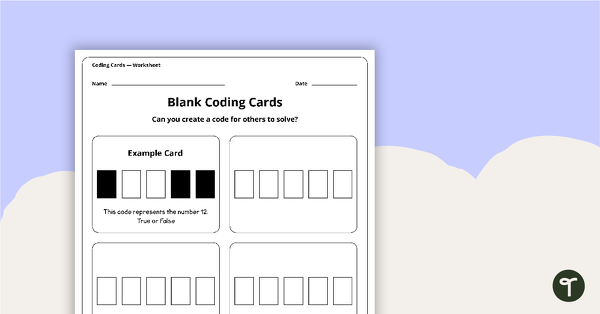
Blank Binary Coding Cards - Worksheet
A worksheet to assist students in creating their own binary codes.
- Plus Plan
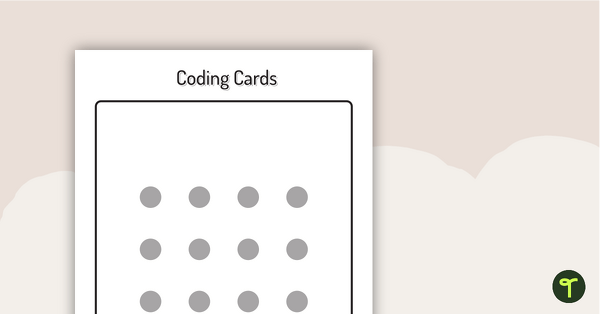
Binary Coding Cards
Use these binary coding cards to demonstrate how to ‘switch’ a ‘digit’ on or off.
- Plus Plan
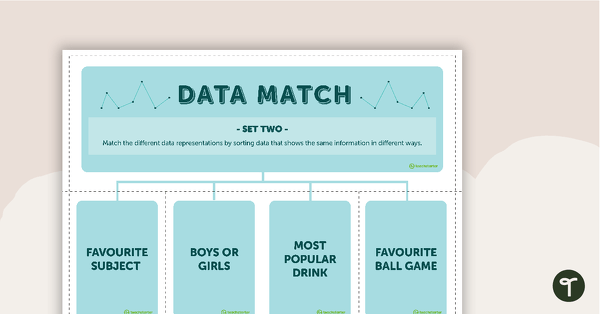
Data Match-Up Cards (Set 2)
A match-up activity for students to use when exploring data.
- Plus Plan
Class 'We Can' Statements - Technology and Technologies (Middle Primary)
A set of 7 class 'We can' statement cards linked to the Australian Digital Technologies Curriculum.
- Plus Plan
'I Can' Statements - Technology and Technologies (Middle Primary)
A set of 53 'I can' statement cards linked to the Australian Digital Technologies Curriculum.
- Plus Plan
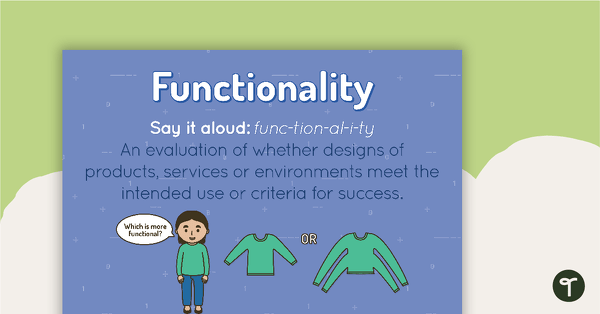
Functionality Poster
A poster showing the definition and an example of Functionality.
- Plus Plan
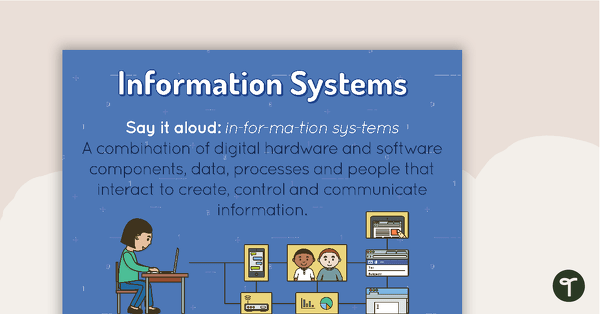
Information Systems Poster
A poster showing the definition and an example of Information Systems.
- Plus Plan
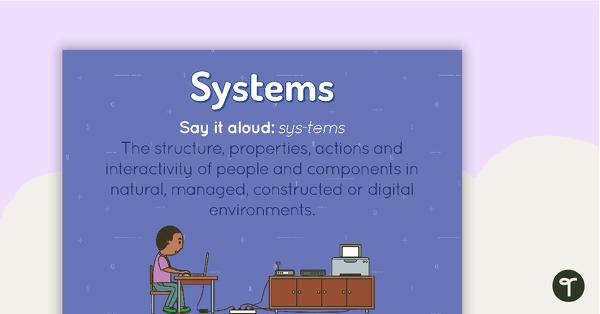
Systems Poster
A poster showing the definition and an example of a system.
- Plus Plan
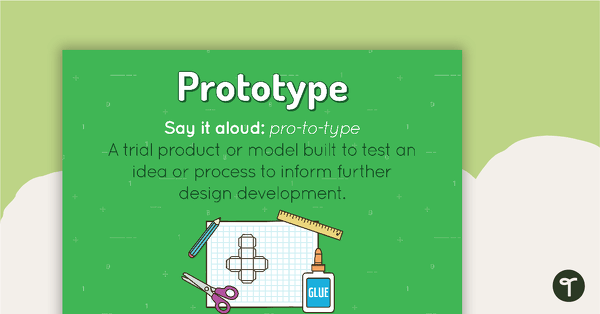
Prototype Poster
A poster showing the definition and an example of a prototype.
- Plus Plan
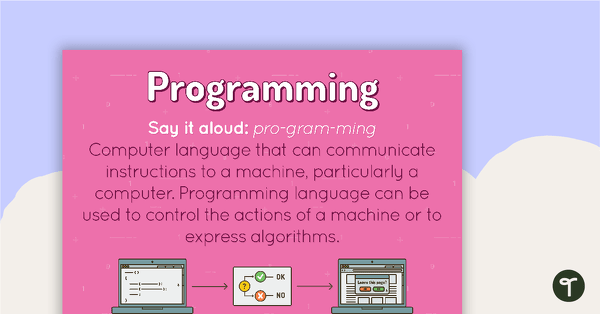
Programming Poster
A poster showing the definition and an example of programming.
- Plus Plan
Class 'We Can' Statements - Technology and Technologies (Lower Primary)
A set of 7 class 'We can' statement cards linked to the Australian Digital Technologies Curriculum.
- Plus Plan
'I Can' Statements - Technology and Technologies (Lower Primary)
A set of 44 'I can' statement cards linked to the Australian Digital Technologies Curriculum.
- Plus Plan
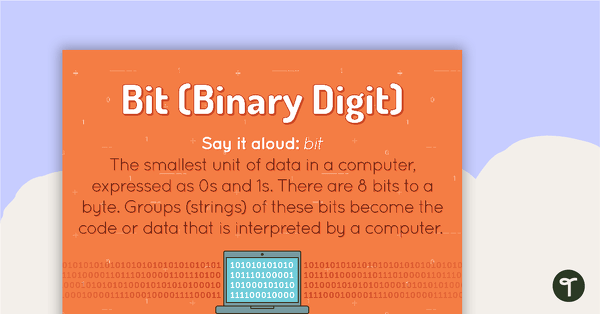
Bit Poster
A poster showing the definition and an example of a bit.
- Plus Plan
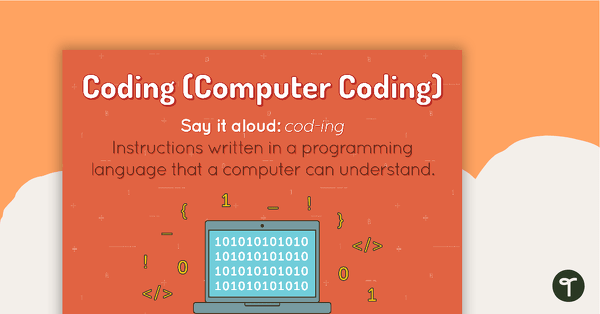
Coding Poster
A poster showing the definition and an example of coding.
- Plus Plan
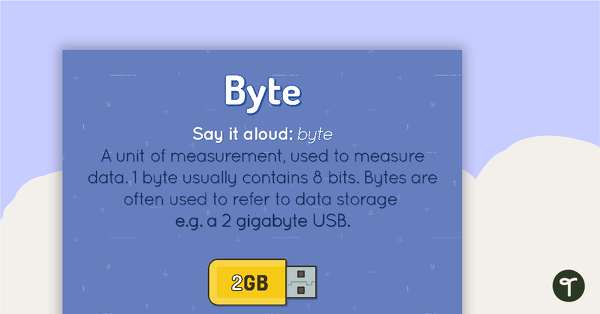
Byte Poster
A poster showing the definition and an example of a byte.
- Plus Plan
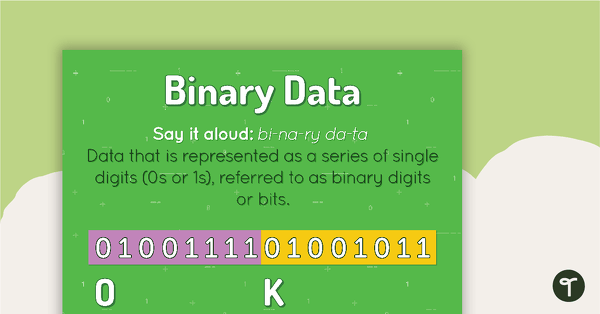
Binary Data Poster
A poster showing the definition and an example of binary data.
- Plus Plan
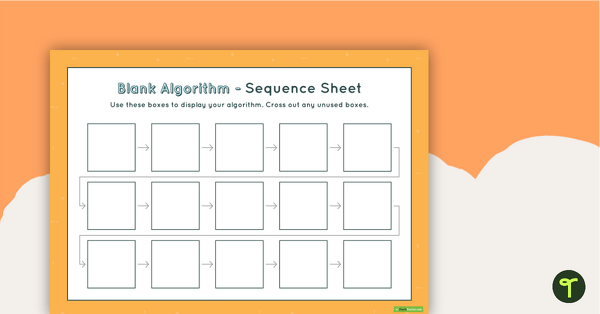
15-Step Algorithm Sequence Sheet - Middle Primary
A worksheet for students to use when writing an algorithm.
- Free Plan
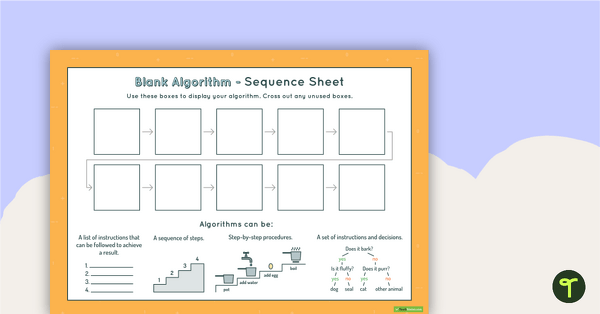
10-Step Algorithm Sequence Sheet - Middle Primary
A worksheet for students to use when writing an algorithm.
- Plus Plan
15-Step Algorithm Sequence Sheet - Lower Primary
A worksheet for students to use when writing an algorithm.
- Plus Plan
8-Step Algorithm Sequence Sheet - Lower Primary
A worksheet for students to use when writing an algorithm.
- Plus Plan
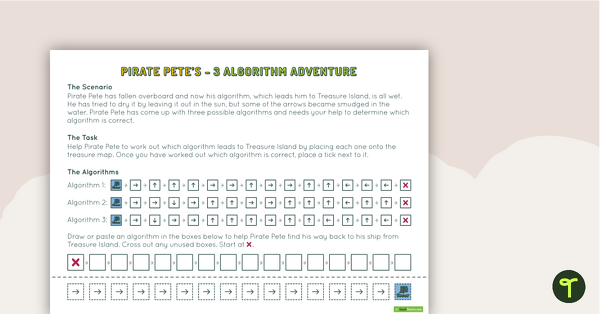
Pirate Pete’s Three Algorithm Quest
A worksheet for students to use when consolidating their understanding of algorithms.
- Plus Plan
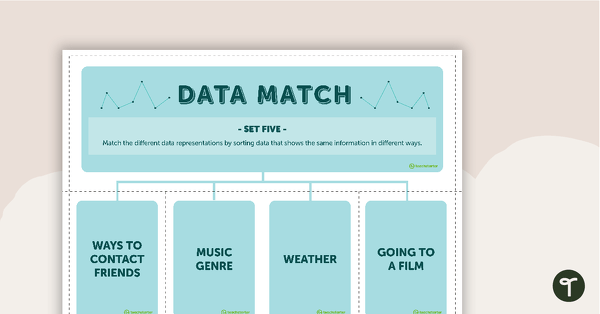
Data Match-Up Cards (Set 5)
A match-up activity for students to use when exploring data.
- Plus Plan
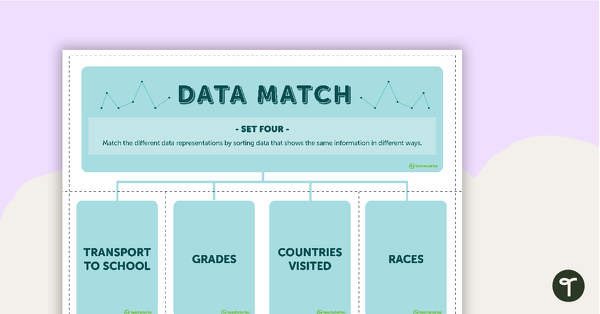
Data Match-Up Cards (Set 4)
A match-up activity for students to use when exploring data.
- Plus Plan
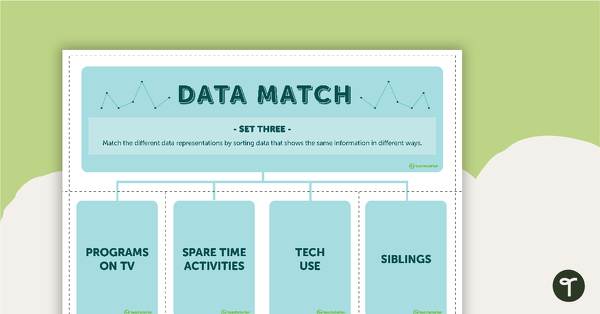
Data Match-Up Cards (Set 3)
A match-up activity for students to use when exploring data.
- Plus Plan
Introducing Digital Technologies Through Algorithms Unit Plan
This Technology unit has been designed to introduce digital technologies to younger students; specifically, the purpose, structure and features of algorithms.
- Plus Plan
Reinforcing 8-bit Coding
A 60 minute lesson in which students will develop confidence in identifying and exploring coding data.
- Plus Plan
Applying Basic Algorithms
A 60 minute lesson in which students will follow a sequence of steps and identify these as an algorithm.
- Plus Plan
Creating Basic Algorithms
A 60 minute lesson in which students will consolidate understanding of algorithms by creating a set of instructions.
- Plus Plan
Introduction to Algorithms
A 60 minute lesson in which students will understand the concept of an algorithm by listing steps to move an object around a map.