English
By the beginning of year 3, pupils should be able to read books written at an age-appropriate interest level. They should be able to read them accurately and at a speed that is sufficient for them to focus on understanding what they read rather than on decoding individual words. They should be able to decode most new words outside their spoken vocabulary, making a good approximation to the word’s pronunciation. As their decoding skills become increasingly secure, teaching should be directed more towards developing their vocabulary and the breadth and depth of their reading, making sure that they become independent, fluent and enthusiastic readers who read widely and frequently. They should be developing their understanding and enjoyment of stories, poetry, plays and non-fiction, and learning to read silently. They should also be developing their knowledge and skills in reading non-fiction about a wide range of subjects. They should be learning to justify their views about what they have read: with support at the start of year 3 and increasingly independently by the end of year 4.
- Plus Plan
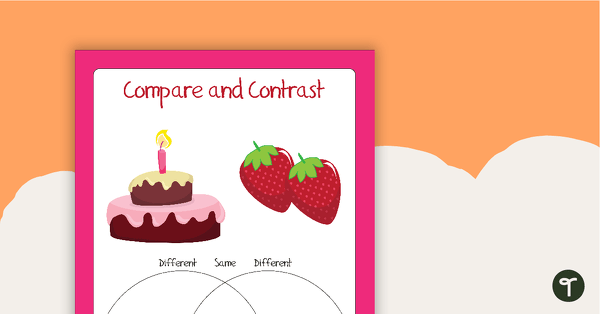
Compare and Contrast - Objects Worksheets
A pack of 5 worksheets comparing and contrasting pictures of similar objects.
- Plus Plan
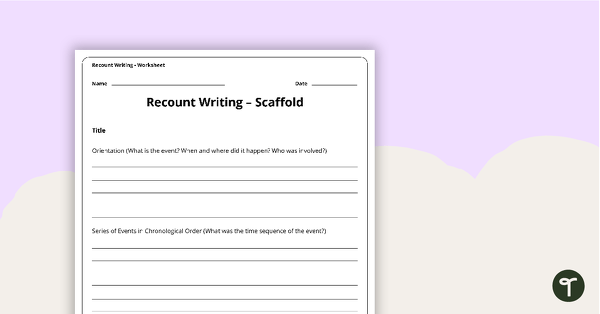
Recount Writing Scaffold
A one page scaffolding sheet which can be used to write a recount.
- Plus Plan
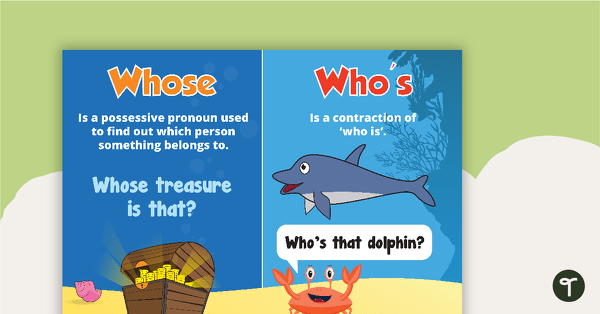
Who's and Whose Homophones Poster Original Design
An educational poster for the homophones who's and whose.
- Plus Plan
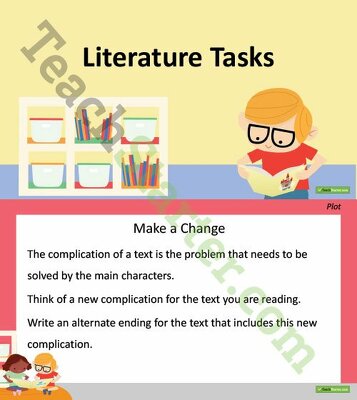
Literature Tasks PowerPoint
A 33 slide editable PowerPoint template of generic literature tasks.
- Plus Plan
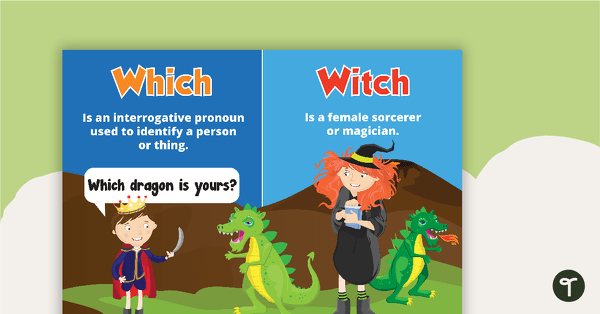
Witch and Which Homophones Poster Original Design
An educational poster for the homophones witch and which.
- Plus Plan
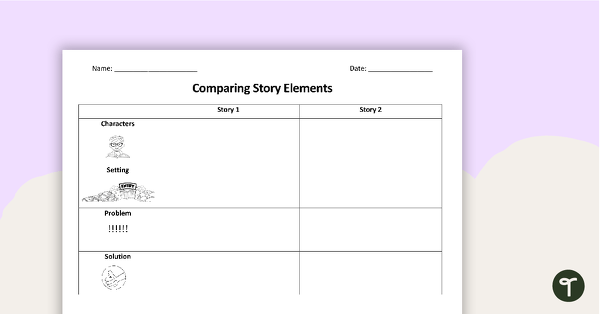
Compare and Contrast - Story Elements Worksheet
A worksheet to use when teaching students how to compare and contrast story elements.
- Plus Plan
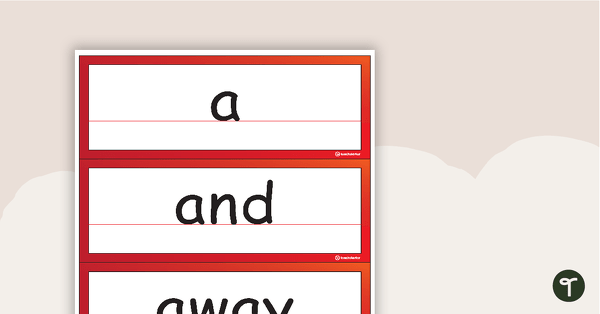
Sight Word Cards - Dolch Pre-Primer, Primer, Year 1, 2, 3 and Nouns
Dolch sight words on large cards.
- Plus Plan
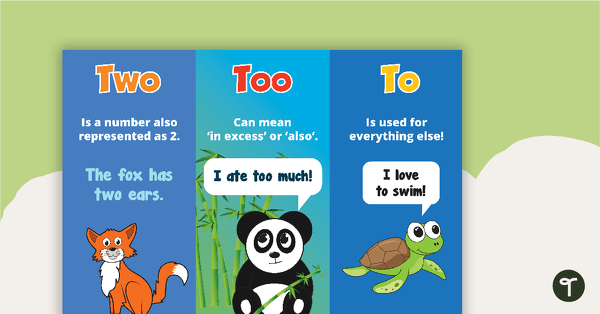
Two, Too and To Homophones Poster Original Design
An educational poster for the homophones two, too and to.
- Plus Plan
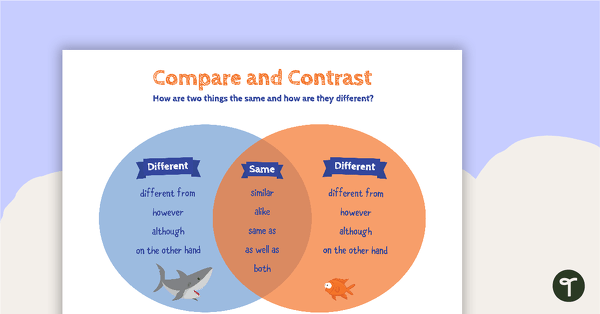
Compare and Contrast - Vocabulary Poster
A poster detailing vocabulary used when comparing and contrasting.
- Plus Plan
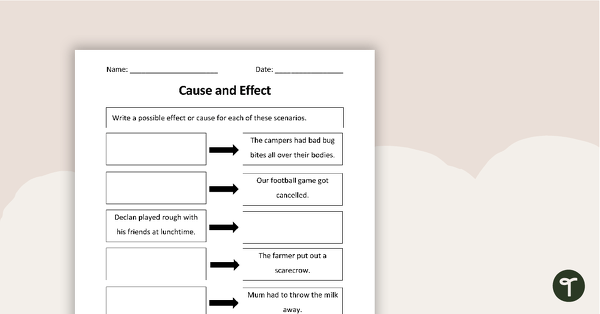
Cause and Effect - Scenario Worksheet
A worksheet and answer sheet to use when teaching students the cause and effect comprehension strategy.
- Plus Plan
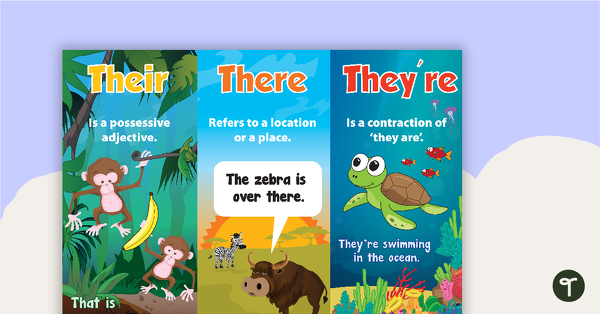
Their, They're and There Homophones Poster Original Design
An educational poster for the homophones their, they're and there.
- Plus Plan
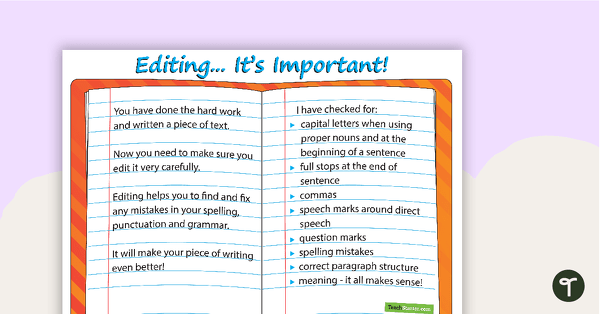
Editing Poster
A poster outlining how to edit a piece of writing.
- Plus Plan
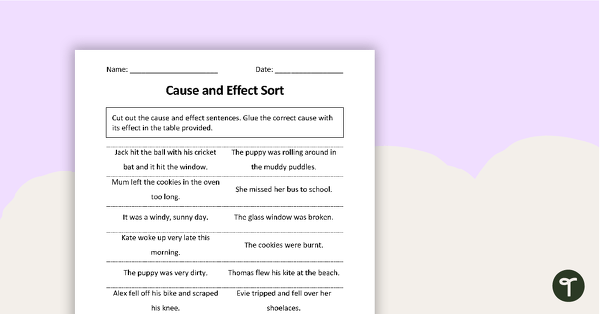
Cause and Effect - Sentence Sort Worksheet
A worksheet and answer sheet to use when teaching students the cause and effect comprehension strategy.
- Plus Plan
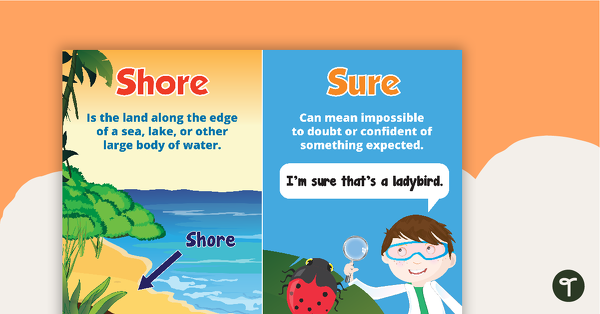
Shore and Sure Homophones Poster Original Design
An educational poster for the homophones shore and sure.
- Plus Plan
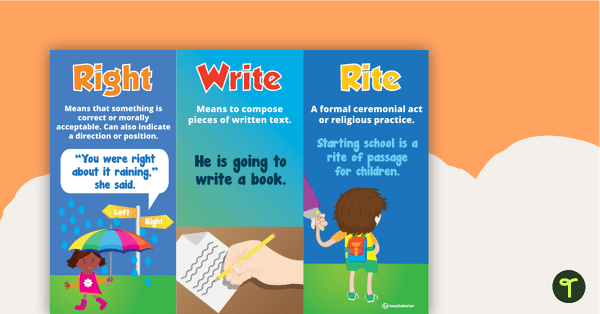
Rite, Write and Right Homophones Poster Original Design
An educational poster for the homophones rite, write and right.
- Plus Plan
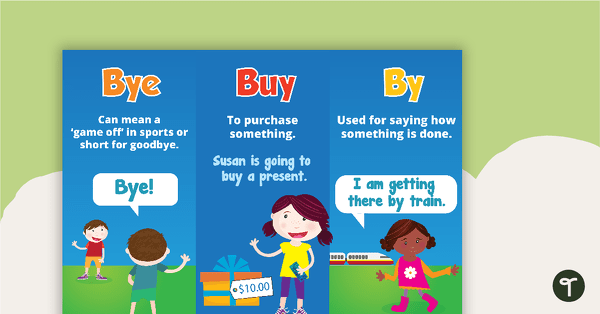
Buy, By and Bye Homophones Poster Original Design
An educational poster for the homophones buy, by and bye.
- Plus Plan
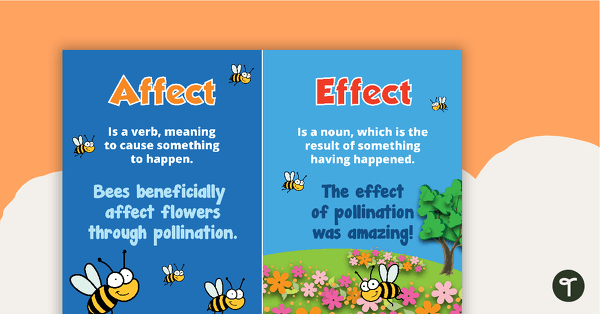
Affect and Effect Homophones Poster Original Design
An educational poster for the homophones affect and effect.
- Plus Plan
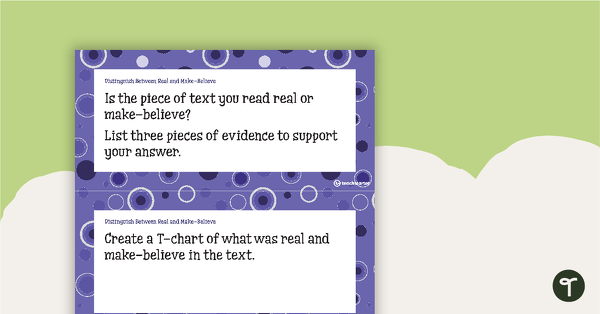
120 Comprehension Strategy Question Cards
A set of 120 open-ended question cards to help students apply comprehension strategies when reading.
- Plus Plan
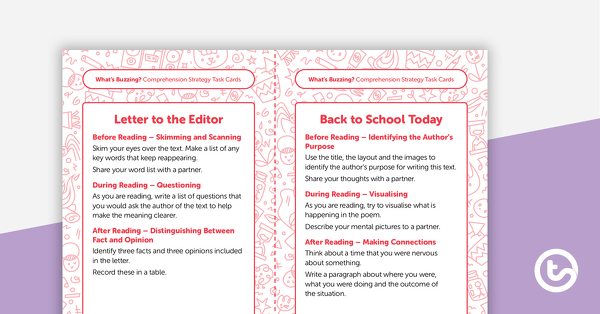
Year 4 Magazine - "What's Buzzing?" (Issue 2) Task Cards
A set of five literacy rotation task cards to be used in conjunction with issue 2 of Teach Starter’s Year 4 magazine.
- Plus Plan
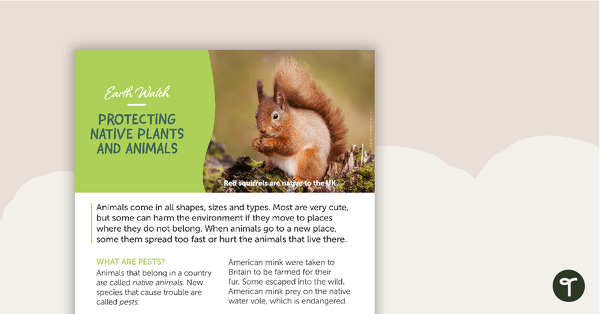
Earth Watch: Protecting Native Plants and Animals – Comprehension Worksheet
A comprehension worksheet for an article about ways to keep our native animals and plants safe.
- Plus Plan
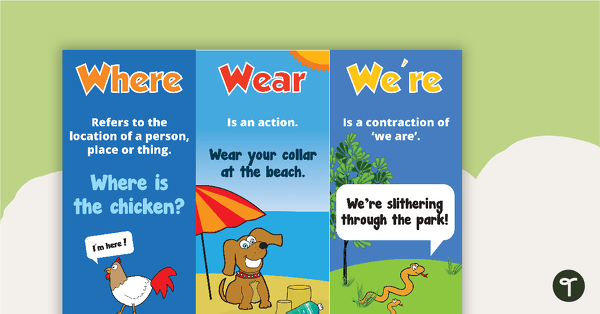
Where, Wear and We're Homophones Poster Original Design
An educational poster for the homophones where, wear and we're.
- Plus Plan
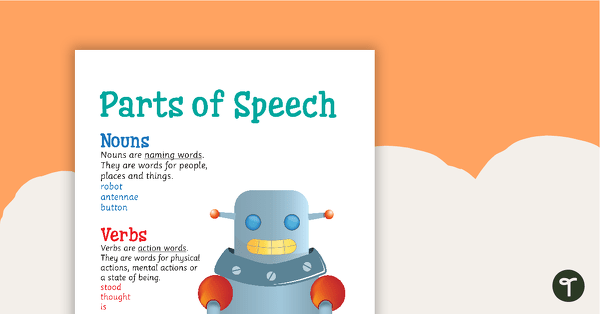
Parts of Speech Poster
A poster introducing students to nouns, verbs, adjectives, adverbs, and adverbial phrases.
- Plus Plan
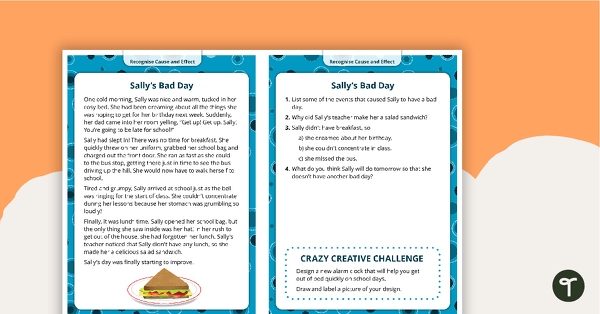
Comprehension Task Cards - Recognising Cause And Effect
A set of comprehension task cards to help students recognise cause and effect when reading.
- Plus Plan
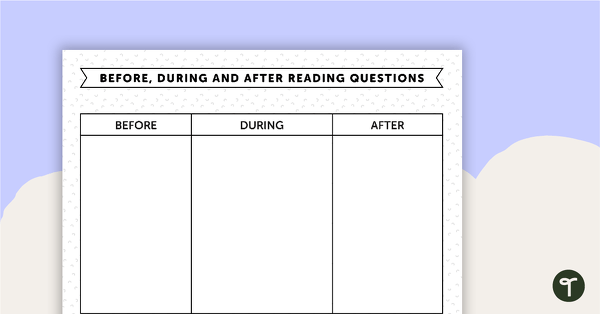
Before, During and After Reading Worksheet
A worksheet to use when asking questions before, during and after reading.
- Plus Plan
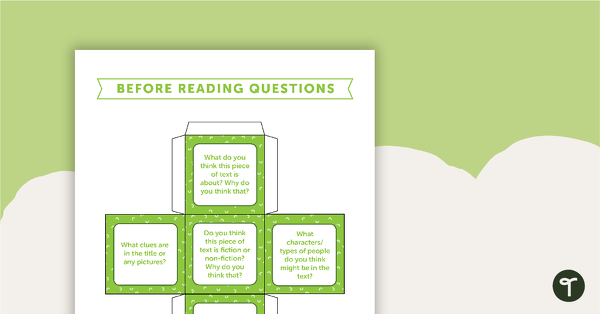
Before, During and After Reading Non-Fiction Questions - Dice
5 different versions of dice to use when asking questions before, during and after reading.
- Plus Plan
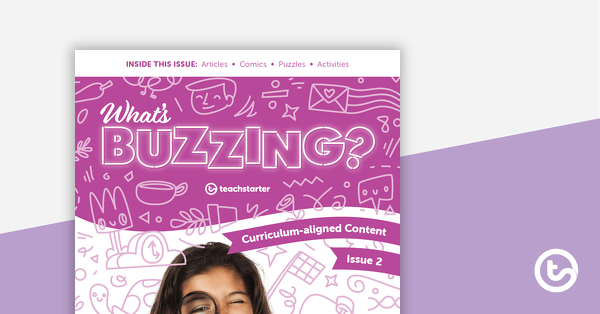
Year 4 Magazine – What’s Buzzing? (Issue 2)
A beautifully designed, 24-page reading magazine specifically designed for Year 4 students.
- Plus Plan
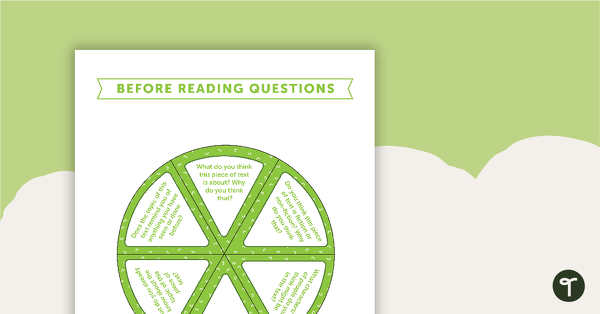
Before, During and After Reading Non-Fiction Questions - Wheel
5 different versions of wheels to use when asking questions before, during and after reading.
- Plus Plan
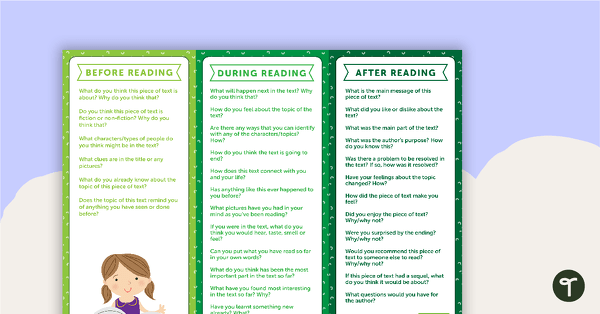
Before, During and After Reading Non-Fiction - Question Prompts
Question prompts and a worksheet to use when asking questions before, during and after reading.
- Plus Plan
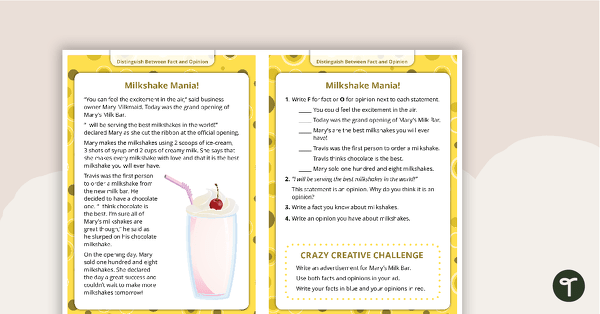
Comprehension Task Cards - Distinguishing Between Fact and Opinion
A set of comprehension task cards to help students distinguish between fact and opinion when reading.
- Plus Plan
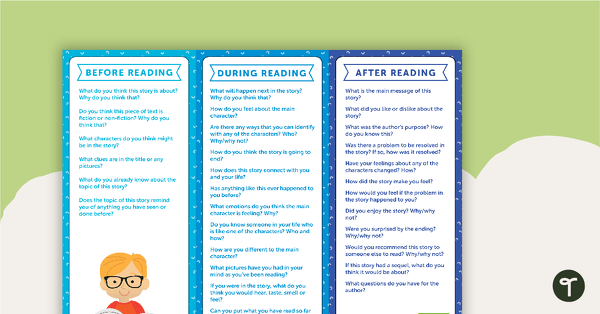
Before, During and After Reading Fiction - Question Prompts
Question prompts and a worksheet to use when asking questions before, during and after reading.
- Plus Plan
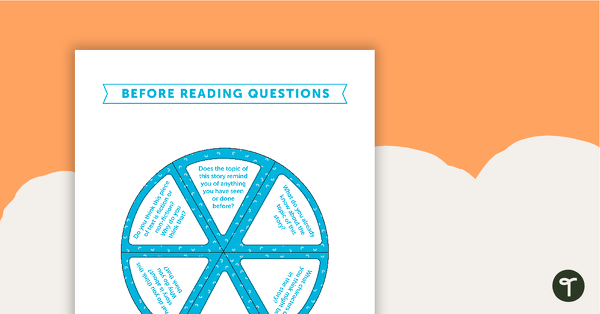
Before, During and After Reading Fiction Questions - Wheel
5 different versions of wheels to use when asking questions before, during and after reading.
- Plus Plan
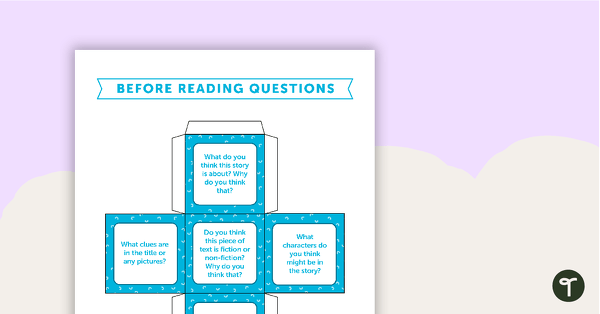
Before, During and After Reading Fiction Questions - Dice
5 different versions of dice to use when asking questions before, during and after reading.