English
By the beginning of year 3, pupils should be able to read books written at an age-appropriate interest level. They should be able to read them accurately and at a speed that is sufficient for them to focus on understanding what they read rather than on decoding individual words. They should be able to decode most new words outside their spoken vocabulary, making a good approximation to the word’s pronunciation. As their decoding skills become increasingly secure, teaching should be directed more towards developing their vocabulary and the breadth and depth of their reading, making sure that they become independent, fluent and enthusiastic readers who read widely and frequently. They should be developing their understanding and enjoyment of stories, poetry, plays and non-fiction, and learning to read silently. They should also be developing their knowledge and skills in reading non-fiction about a wide range of subjects. They should be learning to justify their views about what they have read: with support at the start of year 3 and increasingly independently by the end of year 4.
- Plus Plan
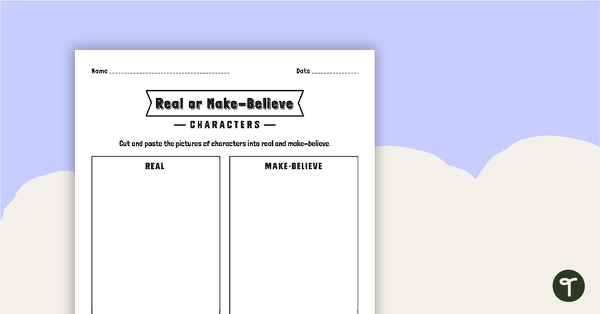
Real Or Make-Believe - Animal Picture Sorting Worksheet
A teaching resource to help teach your students the difference between real and make-believe.
- Plus Plan
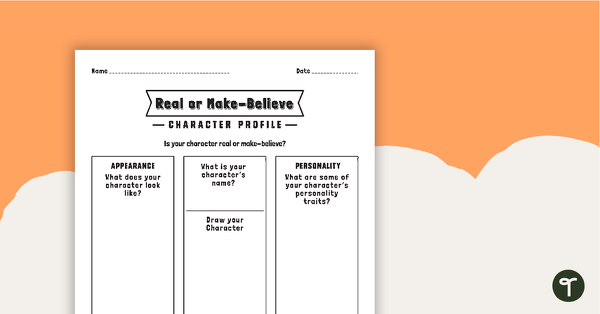
Real Or Make-Believe - Blank Character Profile
A teaching resource to help teach your students the difference between real and make-believe.
- Plus Plan
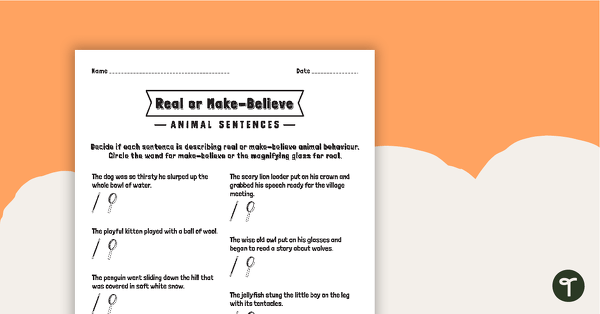
Real Or Make-Believe - Animal Sentences Worksheet
A teaching resource to help teach your students the difference between real and make-believe.
- Plus Plan
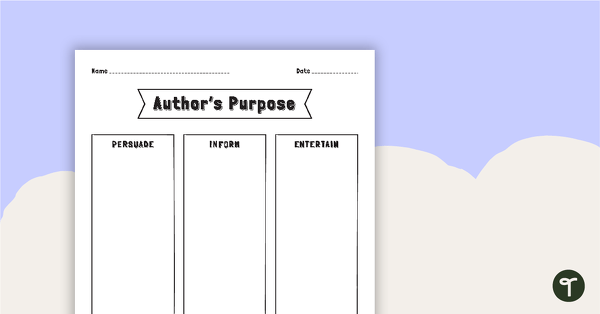
Author's Purpose - Sorting Worksheet
A teaching resource to help teach your students the different reasons authors may write.
- Plus Plan
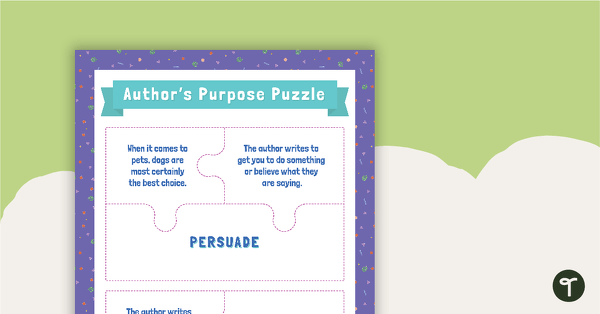
Author's Purpose - Puzzle Activity
A teaching resource to help teach your students the different reasons authors may write.
- Plus Plan
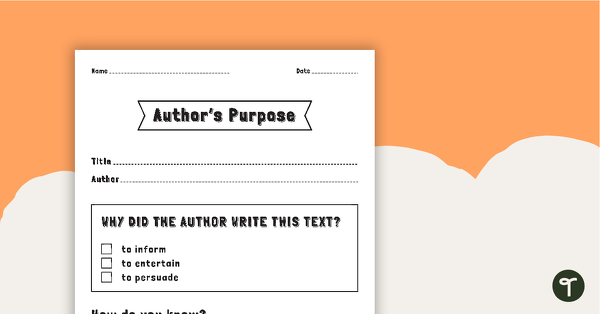
Author's Purpose Worksheet
A teaching resource to help teach your students the different reasons authors may write.
- Plus Plan
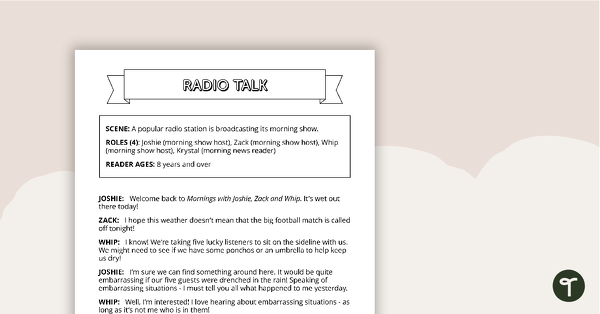
Readers' Theatre Script - Radio Talk
A script which can be used during readers' theatre or Drama sessions, aimed at students 8 years and over.
- Plus Plan
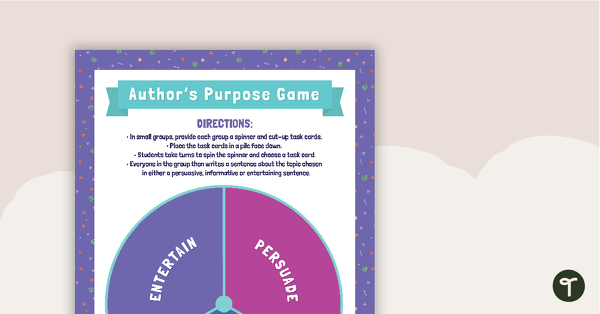
Author's Purpose - Sentence Writing Game
A teaching resource to help teach your students the different reasons authors may write.
- Plus Plan
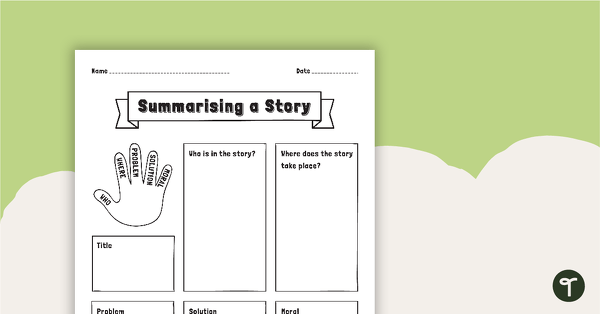
Summarising A Story Graphic Organiser
A teaching resource to help teach your students how to summarise a story.
- Plus Plan
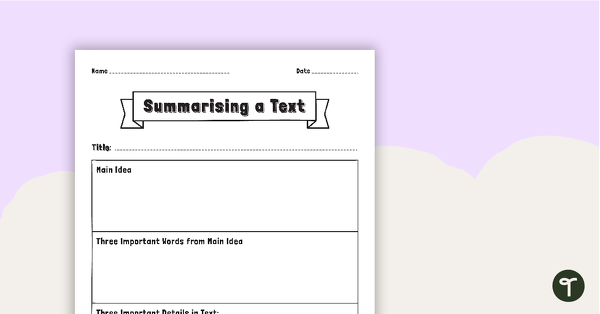
Summarising An Information Text Graphic Organiser
A teaching resource to help teach your students how to summarise an information text.
- Plus Plan
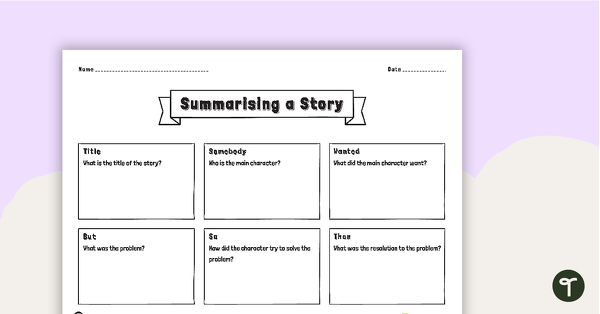
Summarising A Story Activity and Bookmark
A teaching resource to help teach your students how to summarise a story.
- Plus Plan
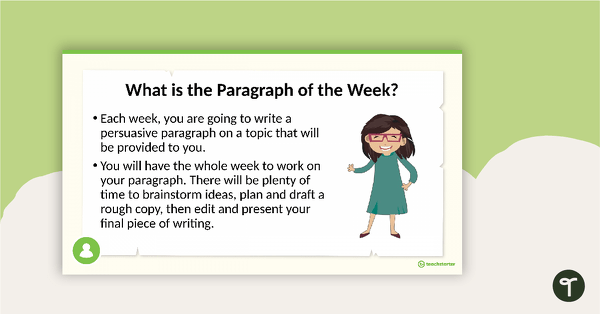
Paragraph of the Week PowerPoint - Persuasive Paragraphs
A Paragraph of the Week PowerPoint presentation to use when setting up this writing strategy in your classroom.
- Plus Plan
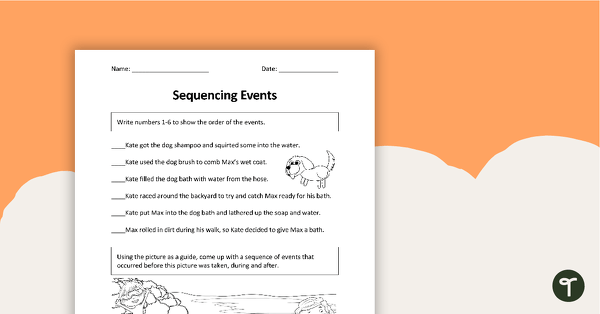
Sequencing - Events Worksheet
A worksheet to use when teaching students how to sequence important events when reading.
- Plus Plan
Paragraph of the Week PowerPoint - Imaginative Paragraphs
A Paragraph of the Week PowerPoint presentation to use when setting up this writing strategy in your classroom.
- Plus Plan
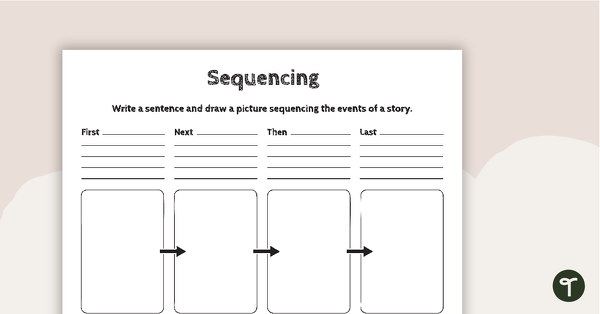
Story Sequencing - Template
A worksheet to use when teaching students how to sequence important events when reading.
- Plus Plan
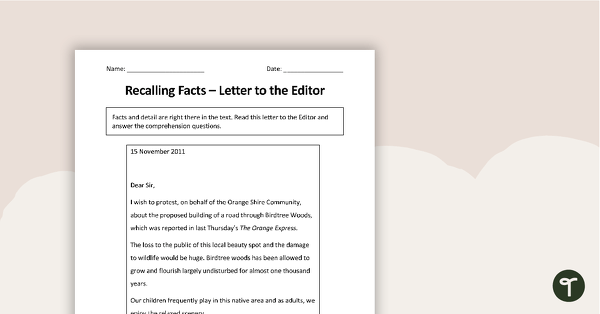
Recalling Facts - Letter to the Editor Activity
A worksheet to use when teaching students how to recall facts and details when reading.
- Plus Plan
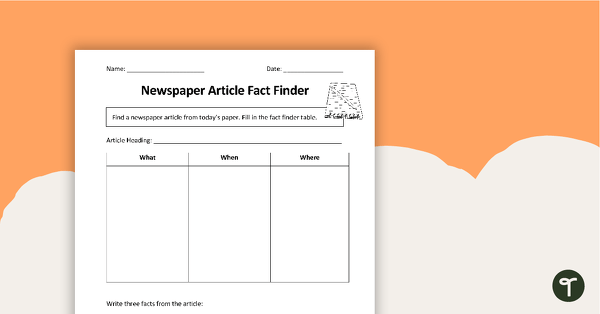
Recalling Facts - Newspaper Worksheet
A worksheet to use when teaching students how to recall facts and details when reading.
- Plus Plan
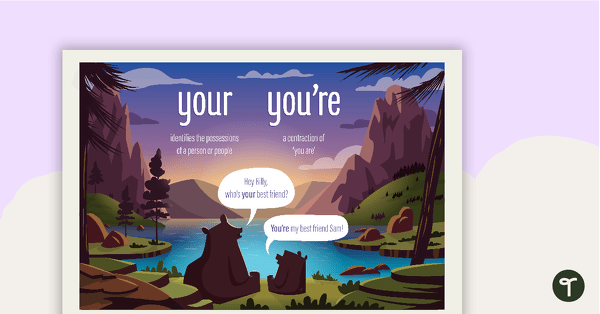
Your and You're Homophones Poster
An educational poster for the homophones your and you're.
- Plus Plan
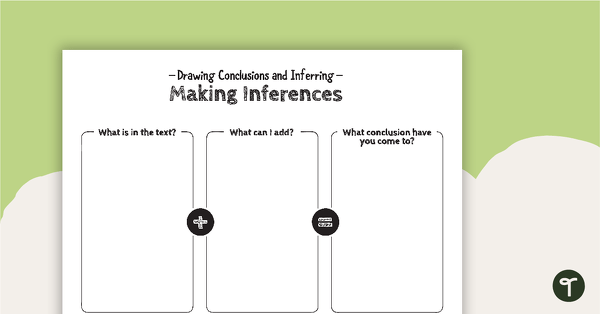
Making Inferences - Blank Template
A worksheet to use when teaching students how to draw conclusions and make inferences when reading.
- Plus Plan
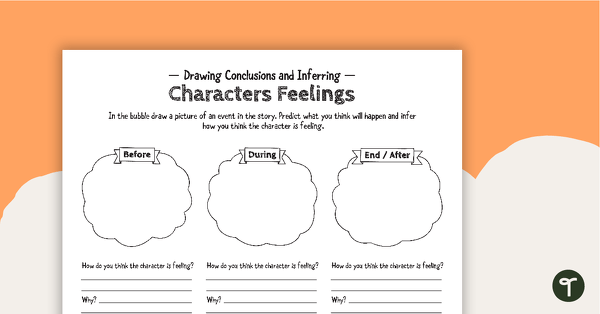
Making Inferences - Characters Feelings
A worksheet to use when teaching students how to draw conclusions and make inferences when reading.
- Plus Plan
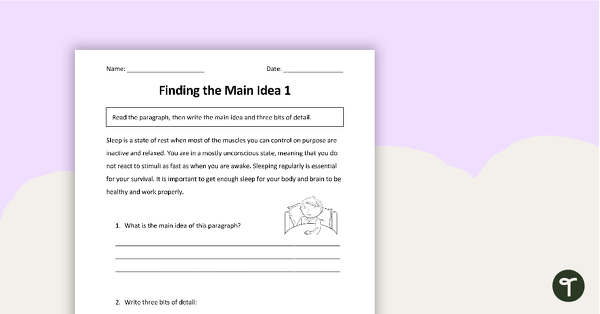
Finding the Main Idea - Worksheets
A set of worksheets to use when teaching students how to find the main idea of a text.
- Plus Plan
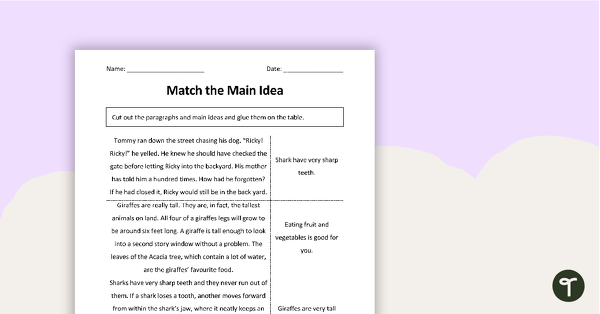
Finding the Main Idea - Sorting Worksheet
A worksheet and answer sheet to use when teaching students how to find the main idea of a text.
- Plus Plan
Sight Word Cards - Dolch Nouns
Dolch Nouns sight words on flash cards.
- Plus Plan
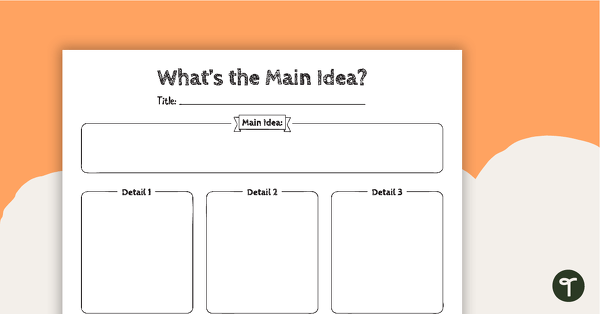
Finding the Main Idea - Blank Template
A worksheet to use when teaching students how to find the main idea of a text.
- Plus Plan
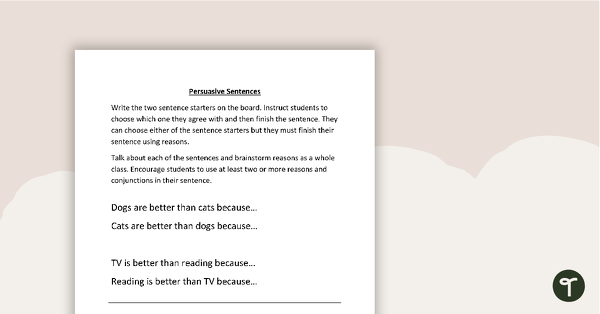
Persuasive Sentence Worksheet
Some persuasive sentence starters to be completed with evidence.
- Plus Plan
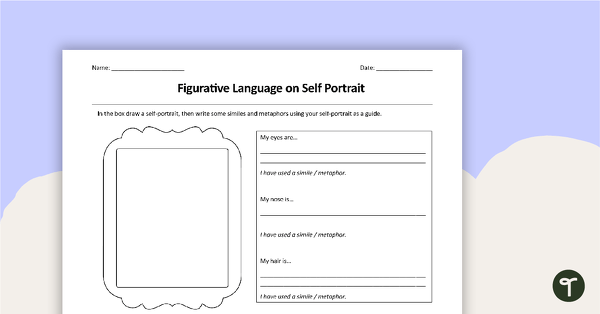
Figurative Language - Self Portrait Activity
A worksheet using figurative language to describe a student's self portrait.
- Plus Plan
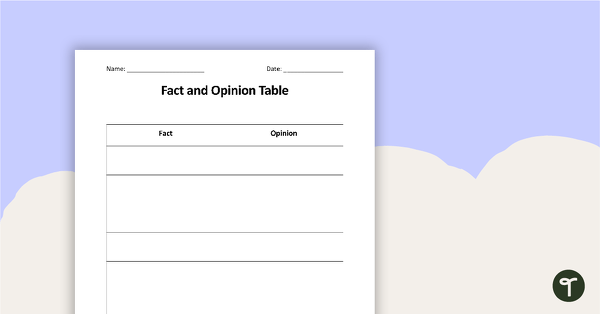
Fact or Opinion - Sentence Sort Worksheet
A worksheet to use when teaching students how to distinguish between fact or opinion.
- Plus Plan
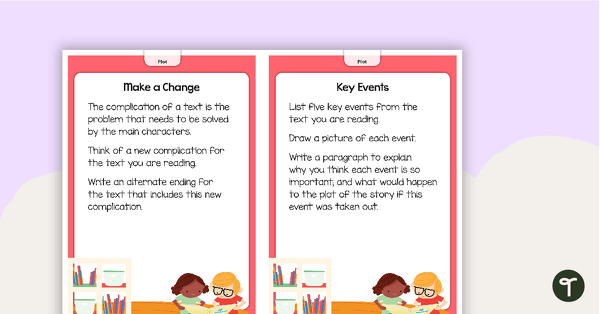
Literature Task Cards
A set of 30 literature tasks to assist your students with examining and responding to literature.
- Plus Plan
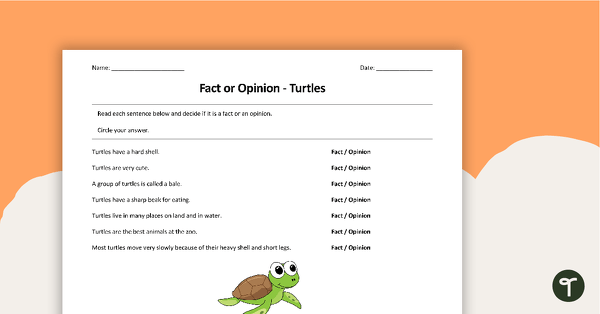
Fact or Opinion - Turtle Worksheet
A worksheet to use when teaching students how to distinguish between fact or opinion.
- Plus Plan
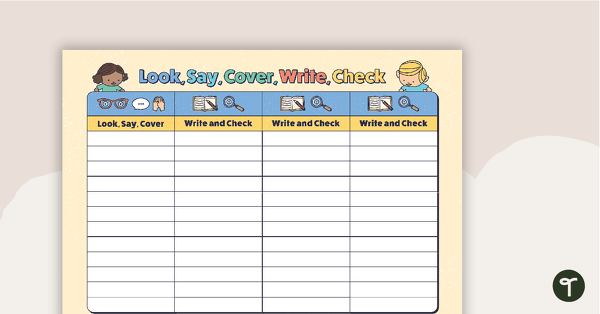
Look, Say, Cover, Write, Check Template (10 Words)
A template to use when learning spelling words.
- Plus Plan
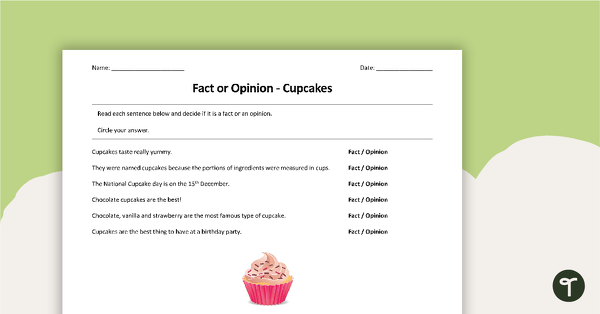
Fact or Opinion - Cupcake Worksheet
A worksheet to use when teaching students how to distinguish between fact or opinion.
- Plus Plan
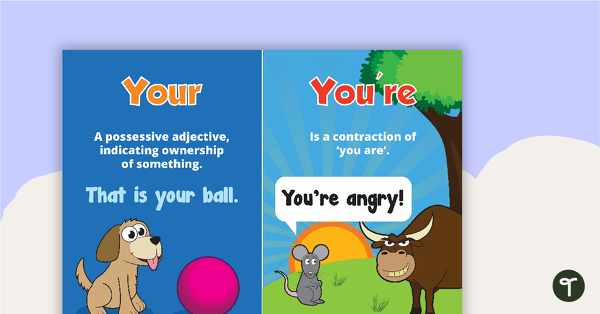
Your and You're Homophones Poster Original Design
An educational poster for the homophones your and you're.