English
By the beginning of year 3, pupils should be able to read books written at an age-appropriate interest level. They should be able to read them accurately and at a speed that is sufficient for them to focus on understanding what they read rather than on decoding individual words. They should be able to decode most new words outside their spoken vocabulary, making a good approximation to the word’s pronunciation. As their decoding skills become increasingly secure, teaching should be directed more towards developing their vocabulary and the breadth and depth of their reading, making sure that they become independent, fluent and enthusiastic readers who read widely and frequently. They should be developing their understanding and enjoyment of stories, poetry, plays and non-fiction, and learning to read silently. They should also be developing their knowledge and skills in reading non-fiction about a wide range of subjects. They should be learning to justify their views about what they have read: with support at the start of year 3 and increasingly independently by the end of year 4.
- Plus Plan
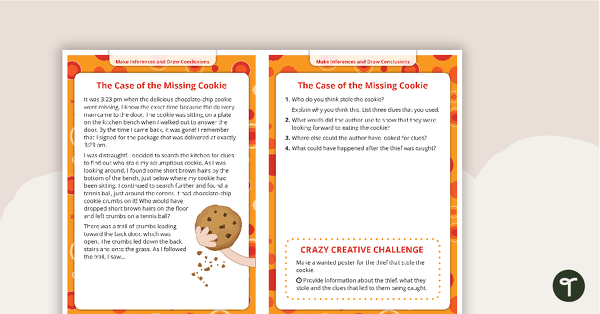
Comprehension Task Cards - Draw Conclusions and Make Inferences
A set of comprehension task cards to help students draw conclusions and make inferences when reading.
- Plus Plan
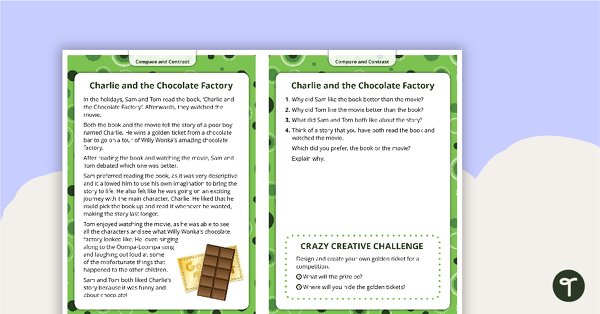
Comprehension Task Cards - Compare And Contrast
A set of comprehension task cards to help students compare and contrast when reading.
- Plus Plan
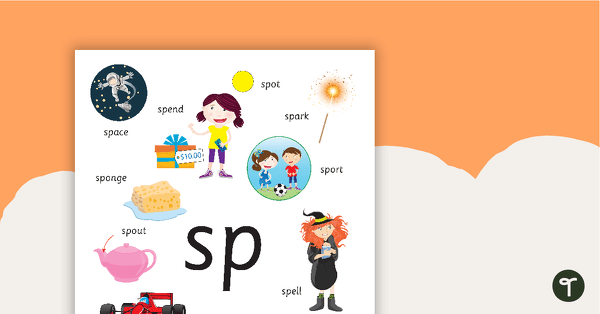
Sp Blend Poster
A poster showing words and pictures for sp blends.
- Plus Plan
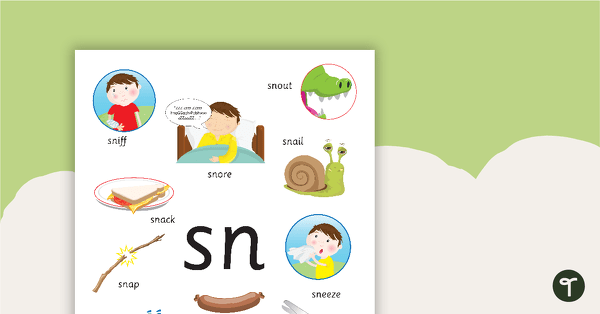
Sn Blend Poster
A poster showing words and pictures for sn blends.
- Plus Plan
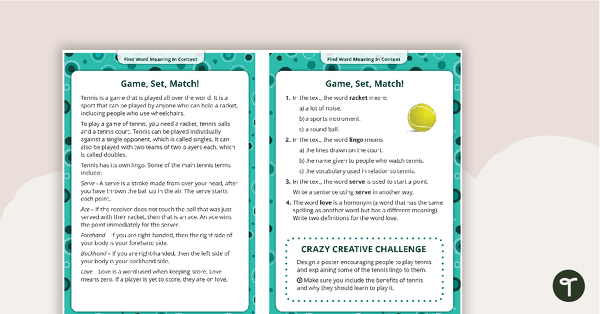
Comprehension Task Cards - Finding Word Meaning In Context
A set of comprehension task cards to help students find word meaning in context when reading.
- Plus Plan
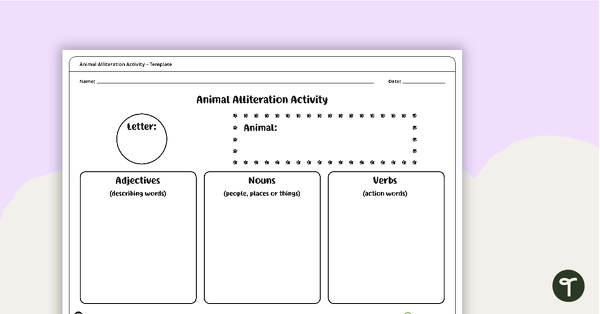
Animal Alliteration Activity - Brainstorming Template
A brainstorming template to use in the classroom when learning about alliteration.
- Plus Plan
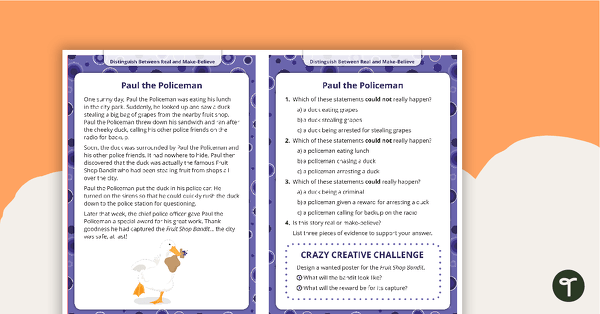
Comprehension Task Cards - Distinguishing Between Real And Make-Believe
A set of comprehension task cards to help students distinguish between real and make-believe when reading.
- Plus Plan
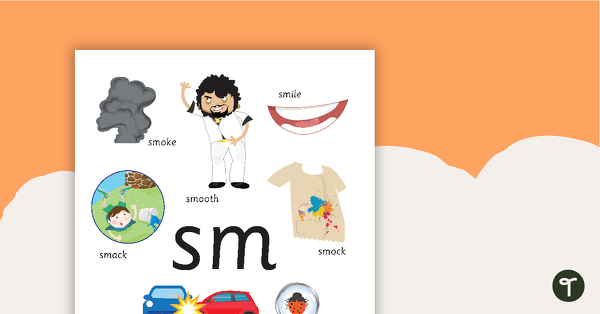
Sm Blend Poster
A poster showing words and pictures for sm blends.
- Plus Plan
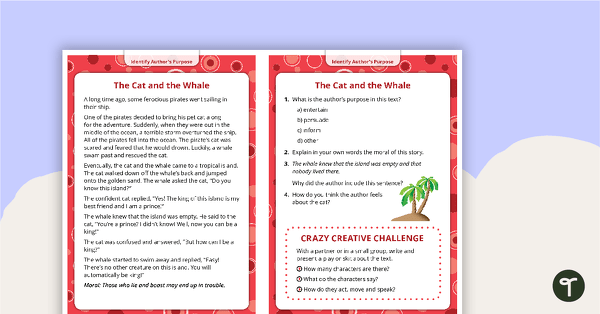
Comprehension Task Cards - Identifying Author's Purpose
A set of comprehension task cards to help students identify the author's purpose when reading.
- Plus Plan
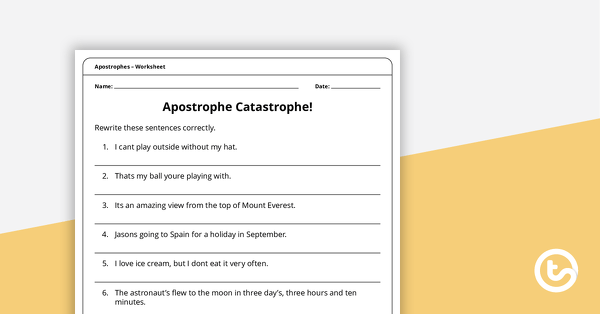
Apostrophes of Contraction Worksheets
A set of three worksheets to use when learning about the apostrophe of contraction.
- Plus Plan
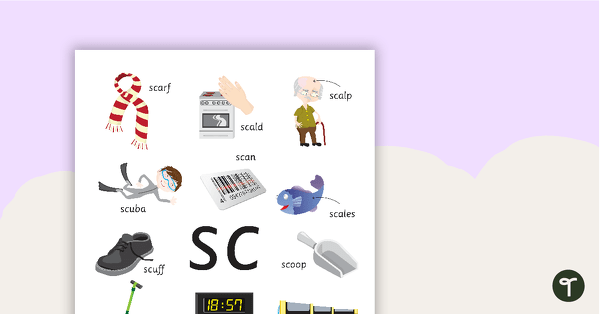
Sc Blend Poster
A poster showing words and pictures for sc blends.
- Plus Plan
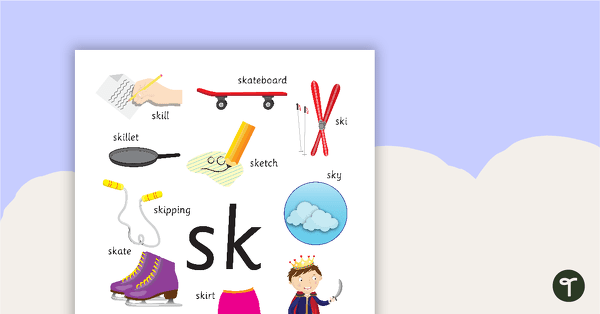
Sk Blend Poster
A poster showing words and pictures for sk blends.
- Plus Plan
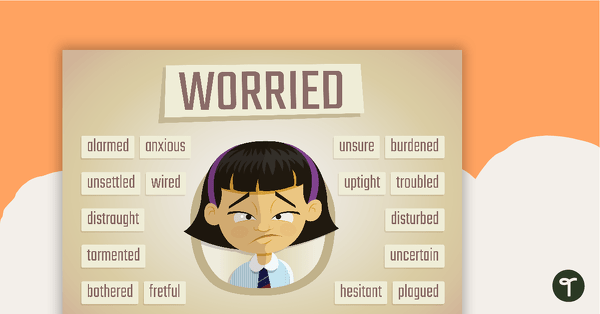
Worried Synonyms Poster
A poster displaying synonyms for the word worried.
- Plus Plan
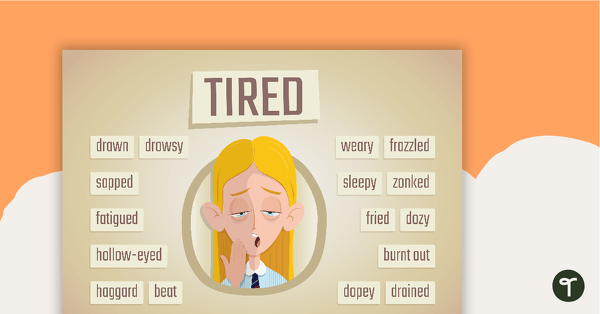
Tired Synonyms Poster
A poster displaying synonyms for the word tired.
- Plus Plan
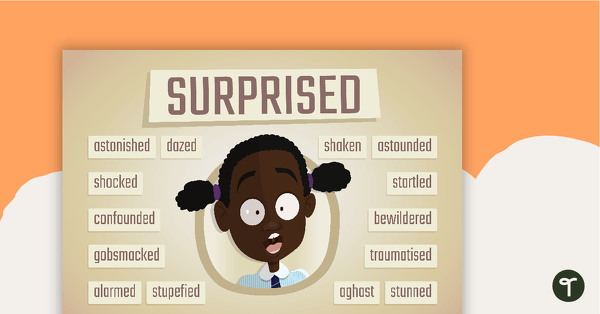
Surprised Synonyms Poster
A poster displaying synonyms for the word surprised.
- Plus Plan
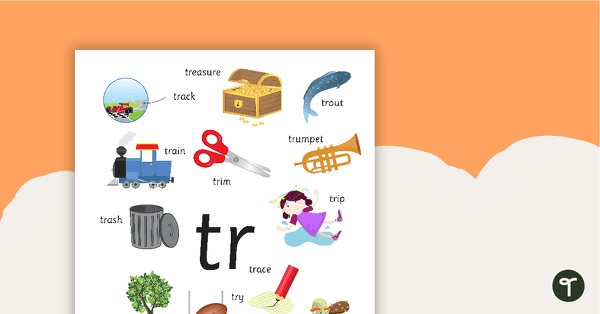
Tr Blend Poster
A poster showing words and pictures for tr blends.
- Plus Plan
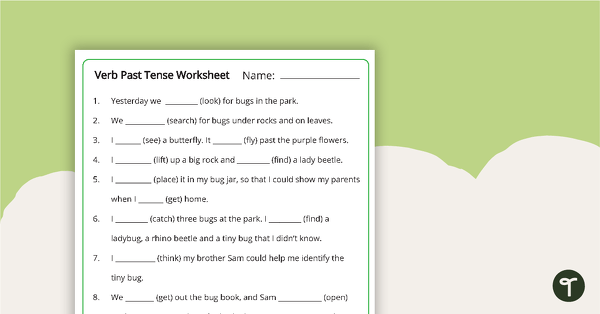
Verb Past Tense Worksheet
A worksheet with simple past tense verbs added to complete the sentences.
- Plus Plan
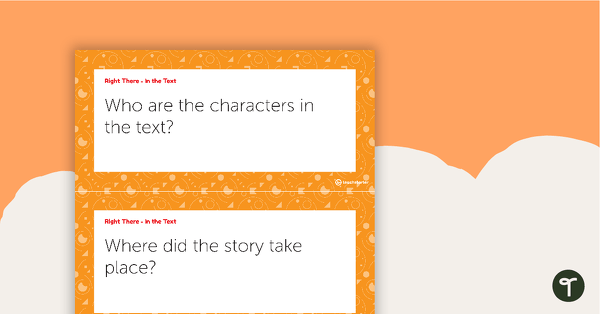
QAR Generic Question Cards
A set of 28 generic QAR question cards for students to use as a comprehension task after reading.
- Plus Plan
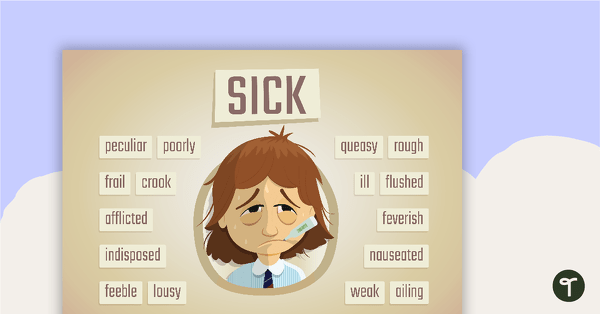
Sick Synonyms Poster
A poster displaying synonyms for the word sick.
- Plus Plan
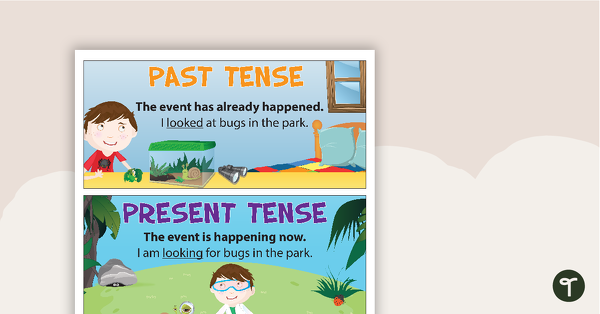
Past Tense, Present Tense and Future Tense Posters
A set of four posters providing simple descriptions and examples of past, present and future tense.
- Plus Plan

Shy Synonyms Poster
A poster displaying synonyms for the word shy.
- Plus Plan
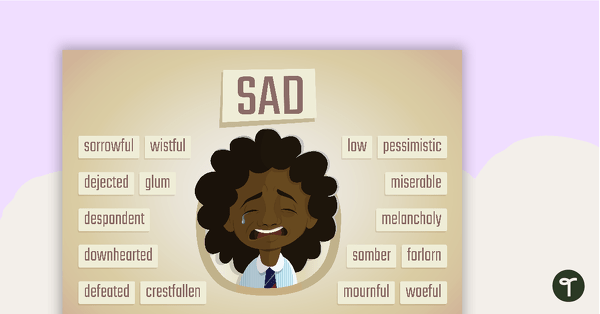
Sad Synonyms Poster
A poster displaying synonyms for the word sad.
- Plus Plan
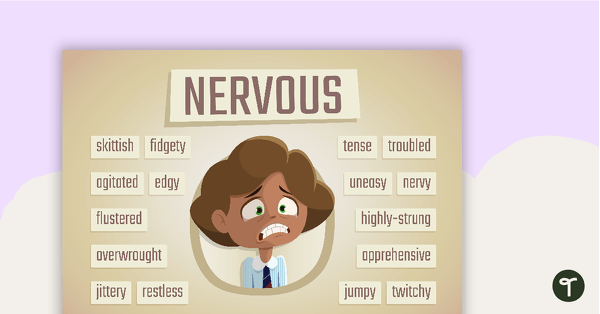
Nervous Synonyms Poster
A poster displaying synonyms for the word nervous.
- Plus Plan
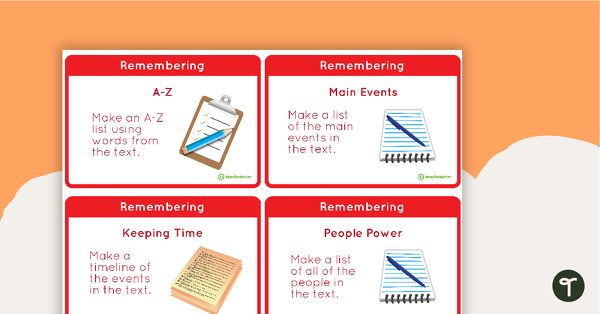
Bloom's Taxonomy Fast Finisher Task Cards - Middle Years
44 Bloom's Taxonomy fast finisher activity cards.
- Plus Plan
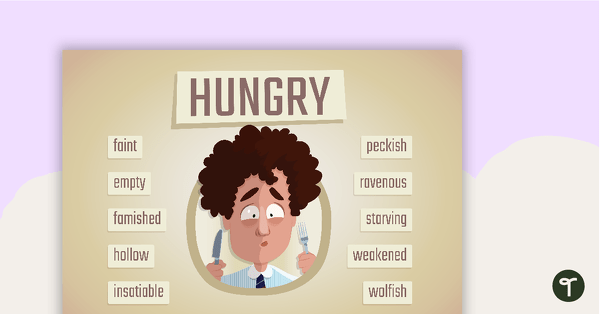
Hungry Synonyms Poster
A poster displaying synonyms for the word hungry.
- Plus Plan
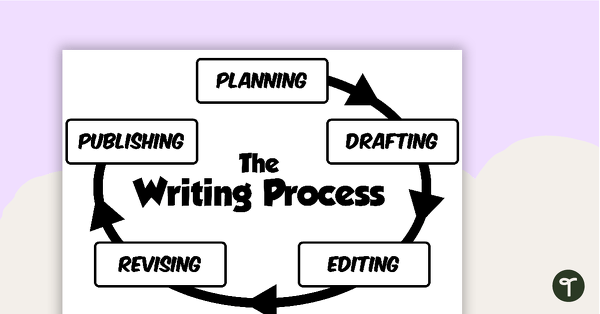
The Writing Process - BW
A simple poster outlining the writing process.
- Plus Plan
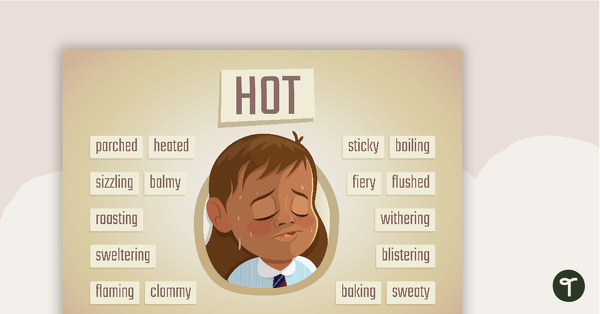
Hot Synonyms Poster
A poster displaying synonyms for the word hot.
- Plus Plan
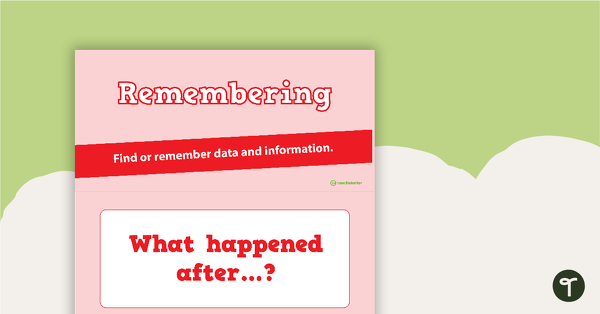
Bloom's Taxonomy Question/Sentence Starter Cards
A set of reading question and sentence starter cards aligned with Bloom's Taxonomy.
- Plus Plan
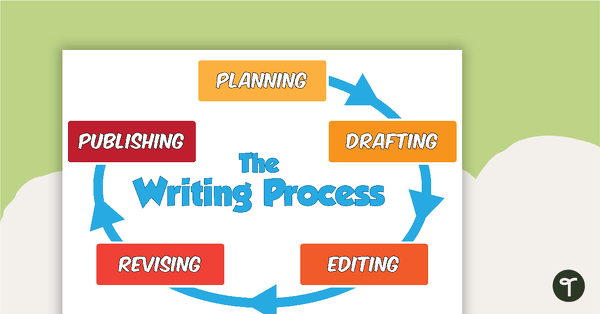
The Writing Process - Colour
A simple poster outlining the writing process.
- Plus Plan
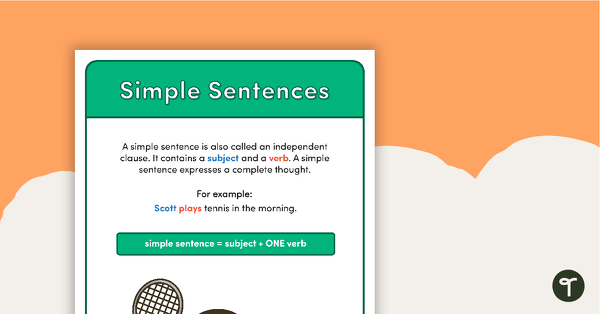
Types of Sentences Posters
A set of 7 posters outlining the structure of various types of sentences.
- Plus Plan
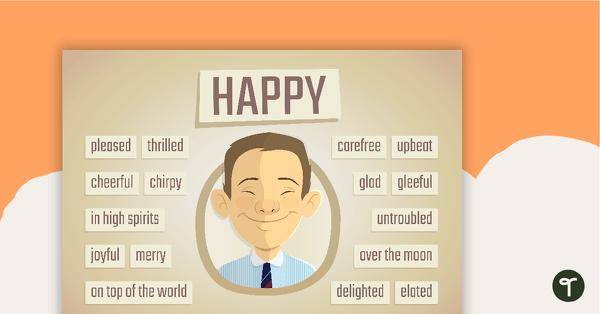
Happy Synonyms Poster
A poster displaying synonyms for the word happy.
- Plus Plan
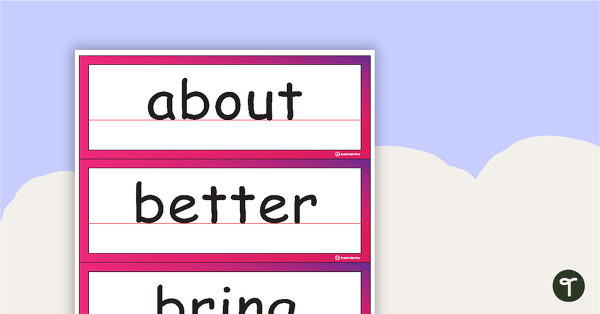
Sight Word Cards - Dolch Year 3
Dolch Year 3 sight words on flash cards.