English
By the beginning of year 3, pupils should be able to read books written at an age-appropriate interest level. They should be able to read them accurately and at a speed that is sufficient for them to focus on understanding what they read rather than on decoding individual words. They should be able to decode most new words outside their spoken vocabulary, making a good approximation to the word’s pronunciation. As their decoding skills become increasingly secure, teaching should be directed more towards developing their vocabulary and the breadth and depth of their reading, making sure that they become independent, fluent and enthusiastic readers who read widely and frequently. They should be developing their understanding and enjoyment of stories, poetry, plays and non-fiction, and learning to read silently. They should also be developing their knowledge and skills in reading non-fiction about a wide range of subjects. They should be learning to justify their views about what they have read: with support at the start of year 3 and increasingly independently by the end of year 4.
- Plus Plan
Paragraph of the Week PowerPoint - Informative Paragraphs
A Paragraph of the Week PowerPoint presentation to use when setting up this writing strategy in your classroom.
- Plus Plan
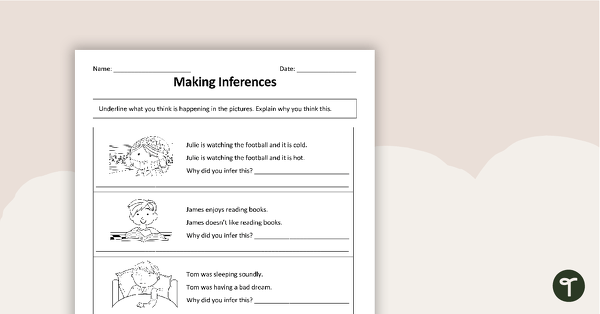
Making Inferences - Worksheet
A worksheet to use when teaching students how to draw conclusions and make inferences when reading.
- Plus Plan
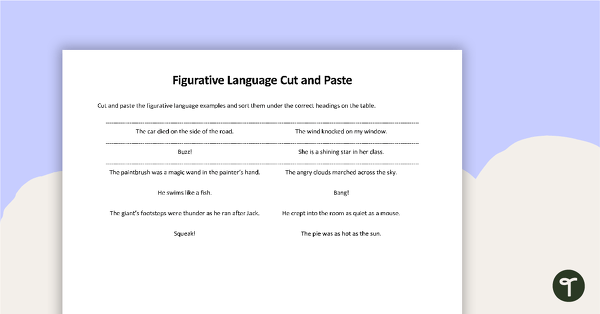
Figurative Language - Sorting Worksheet
A sorting worksheet using similes, personification, metaphors and onomatopoeia.
- Plus Plan
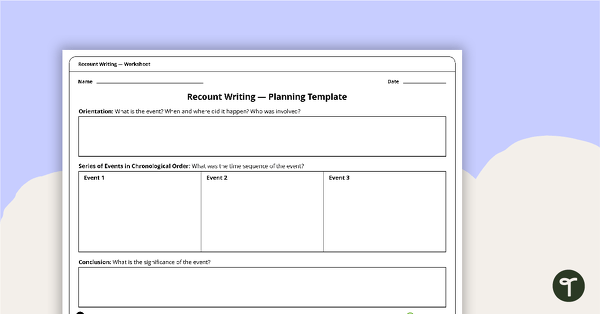
Recount Writing Planning Template
A template for students to use when planning a recount.
- Plus Plan
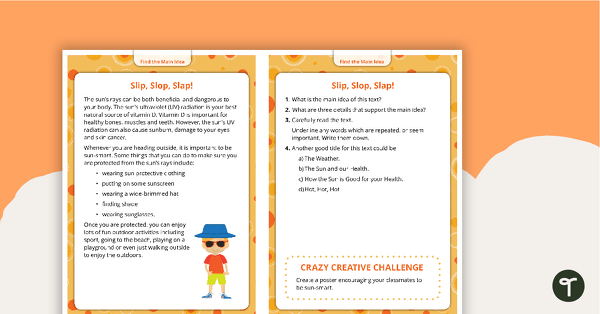
Comprehension Task Cards - Finding The Main Idea
A set of comprehension task cards to help students find the main idea when reading.
- Plus Plan
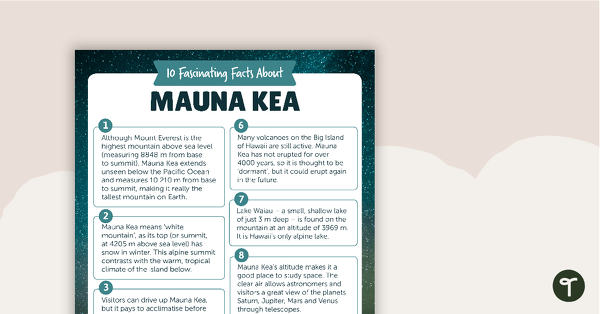
10 Fascinating Facts About Mauna Kea – Comprehension Worksheet
A comprehension worksheet for an article about ten facts about Mauna Kea in Hawaii.
- Plus Plan
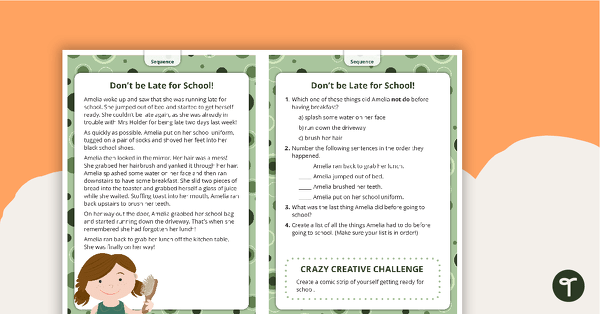
Comprehension Task Cards - Understand Sequence
A set of comprehension task cards to help students understand sequence when reading.
- Plus Plan
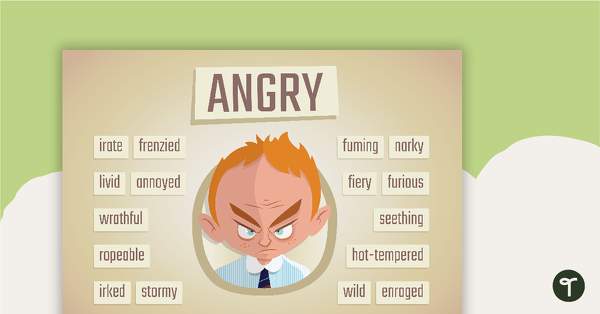
Angry Synonyms Poster
A poster displaying synonyms for the word angry.
- Plus Plan
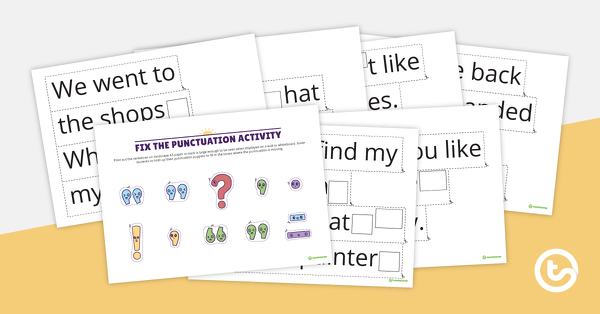
Fix the Punctuation Activity
A cut and match activity to help your students correctly punctuate sentences.
- Plus Plan
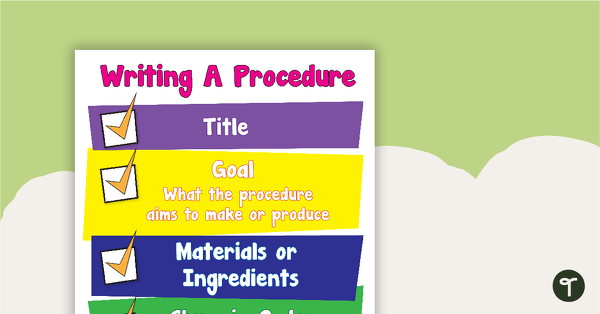
Writing A Procedure Poster
Display this poster in your room as a visual reminder of the structure of a procedural text.
- Plus Plan
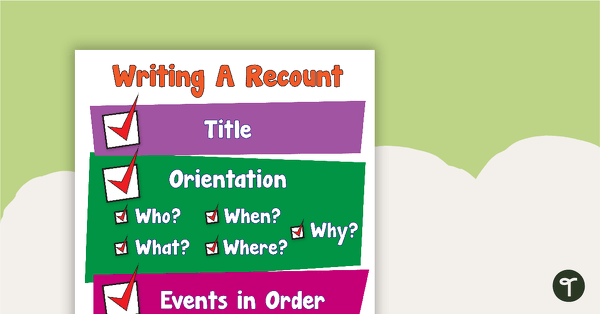
Writing A Recount Poster
Display this poster in your room as a visual reminder of the structure of a recount.
- Plus Plan
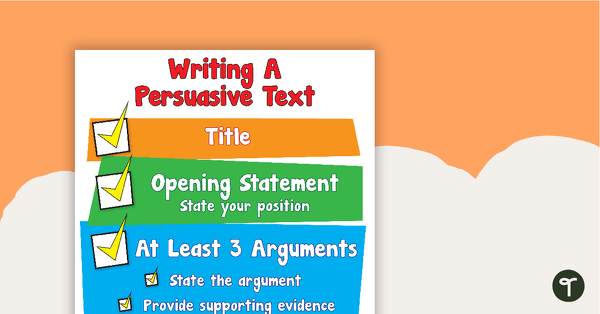
Writing A Persuasive Text Poster
Display this poster in your room as a visual reminder of the structure of a persuasive text.
- Plus Plan
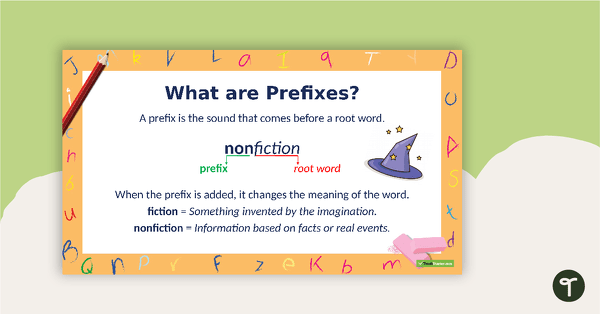
Prefixes and Suffixes PowerPoint
A 24 slide teaching presentation to use when introducing prefixes and suffixes.
- Plus Plan
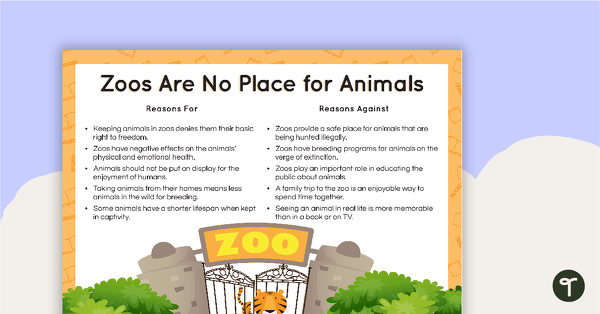
Persuasive Texts Writing Task - Zoos Are No Place for Animals
A writing activity to help students construct a detailed and reasoned persuasive text.
- Plus Plan
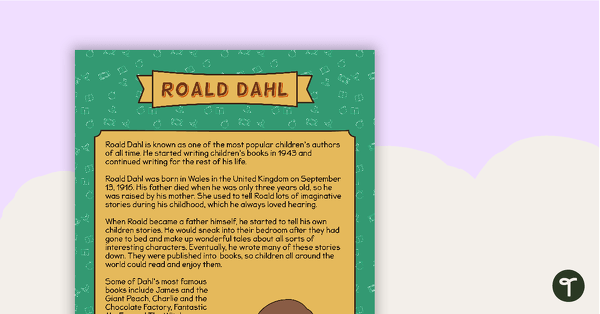
Sequencing Activity - Roald Dahl (Informative Text)
A sequencing task using an informative text.
- Plus Plan
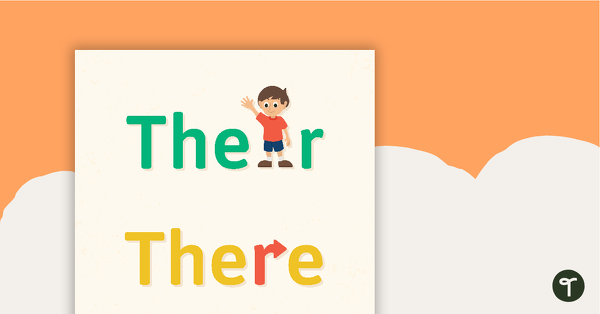
'Their, There, They're' Visual Learning Guide
A poster for visual learners to easily differentiate between the definitions of their, there and they're.
- Plus Plan
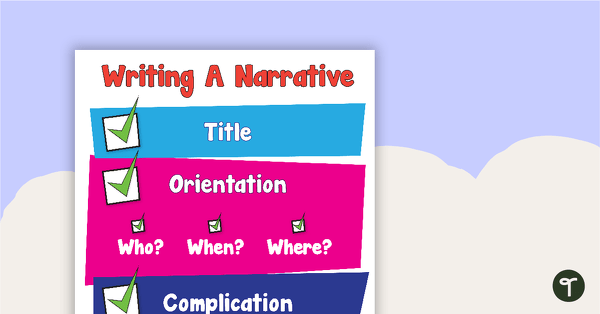
Writing A Narrative Poster
Display this poster in your room as a visual reminder of the structure of a narrative.
- Plus Plan
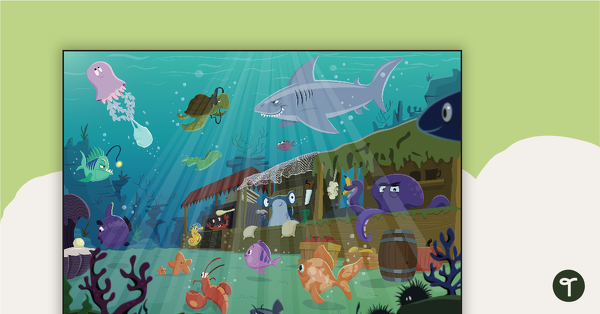
Inference Scenario - The Fishes' Market Worksheet
Part of a series of inference scenario worksheets to use when teaching your students how to infer information from images.
- Plus Plan
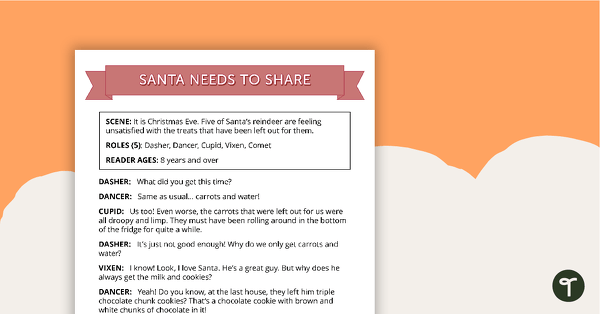
Readers' Theatre Script - Santa Needs to Share
A script which can be used during readers' theatre or Drama sessions, aimed at students 8 years and over.
- Plus Plan
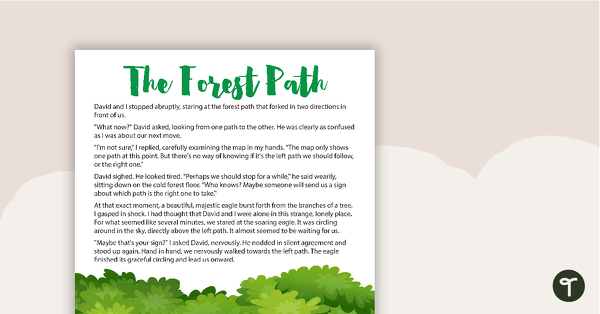
Making Predictions - Comprehension Task
A task to use when teaching your students reading comprehension strategies.
- Plus Plan
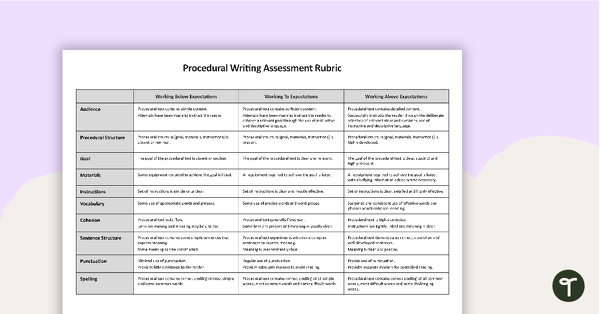
Assessment Rubric - Procedural Writing
An assessment rubric designed to help teachers to assess students' procedural writing.
- Plus Plan
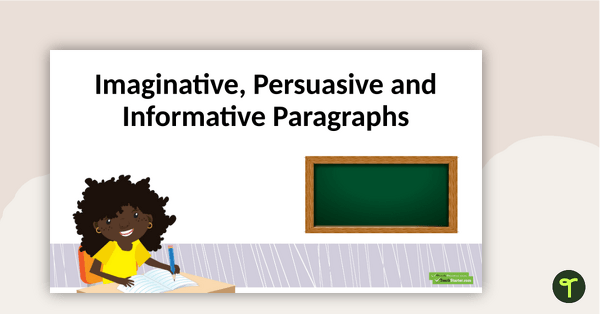
Imaginative, Persuasive and Informative Paragraphs PowerPoint
A 22 slide editable PowerPoint Template to use when teaching your students about the structure of imaginative, persuasive and informative paragraphs.
- Plus Plan
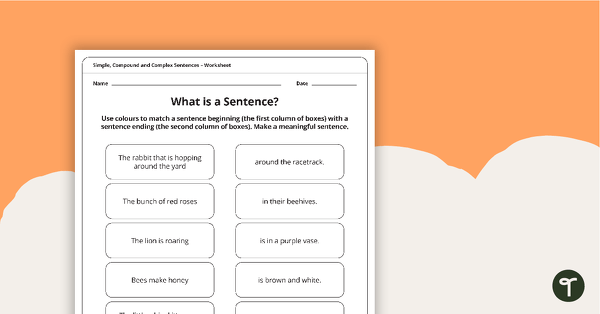
Simple, Compound and Complex Sentences Worksheet Pack
A set of 6 worksheets teaching the concept of simple, compound and complex sentences.
- Plus Plan
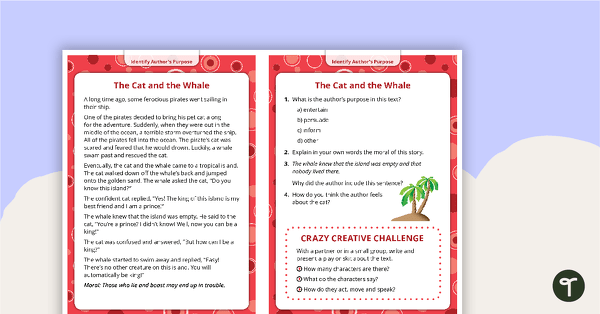
60 Comprehension Strategy Task Cards
A 144 page comprehension resource pack to help students apply comprehension strategies when reading.
- Free Plan
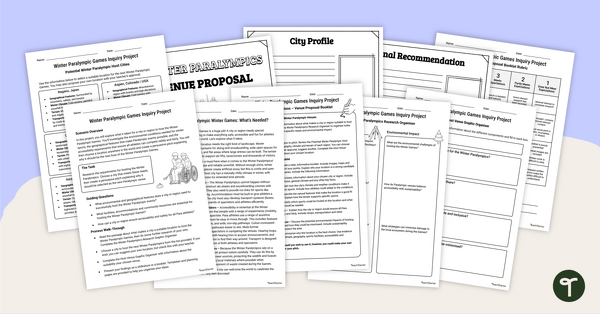
Winter Paralympic Games – Inquiry-Based Project
Have your students investigate the requirements of being a Paralympic Winter Games host city with this inquiry-based learning project.
- Plus Plan
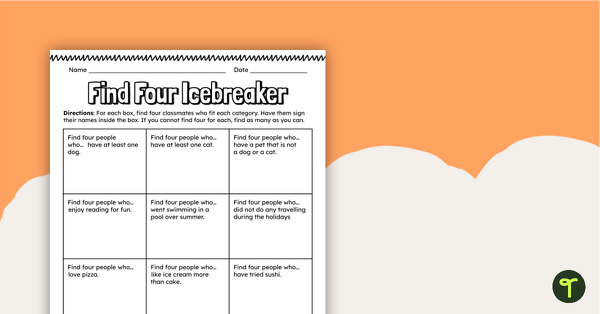
Find Four Icebreaker Activity
Use our fun, quick icebreakers to help your students ‘Find Four’ new classmates to make friends with on the first day of school.
- Plus Plan
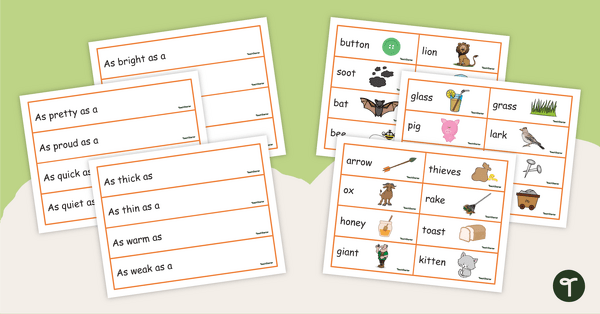
Similes Matching Game
Use this similes game to introduce your students to some of the most common similes used in the English language.
- Plus Plan
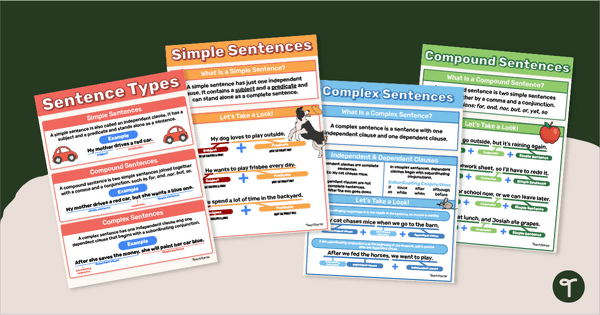
Simple, Compound and Complex Sentences Posters for KS2
Use these posters to show your students the attributes that make up simple, compound and complex sentences.
- Free Plan
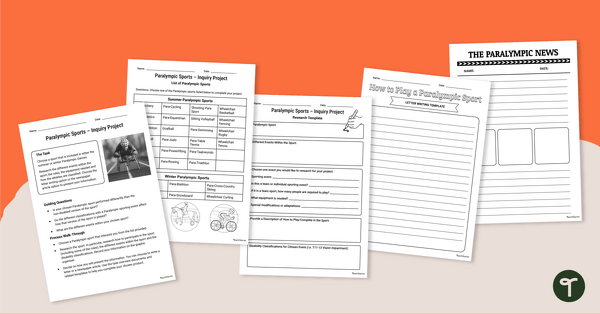
Paralympic Sports – Inquiry-Based Project
Have your students investigate the different types of Paralympic sports with this inquiry-based learning project.
- Free Plan
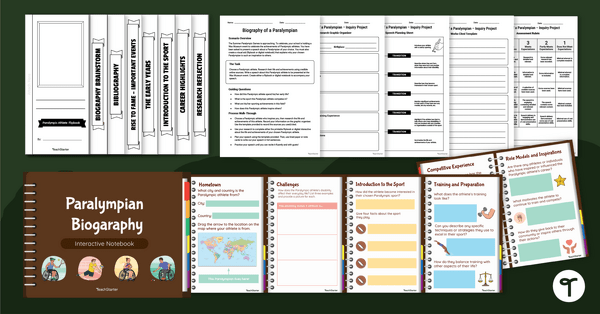
Biography of a Paralympian – Inquiry-Based Project
Have your students investigate the life and achievements of a famous Paralympic athlete with this inquiry-based learning project.
- Plus Plan
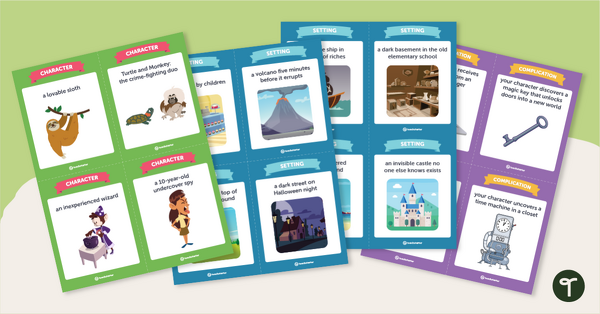
Story Ideas Sentence Starter Pack
Help your pupils choose a topic to write about with this set of 36 character, setting and compilation task cards.
- Plus Plan
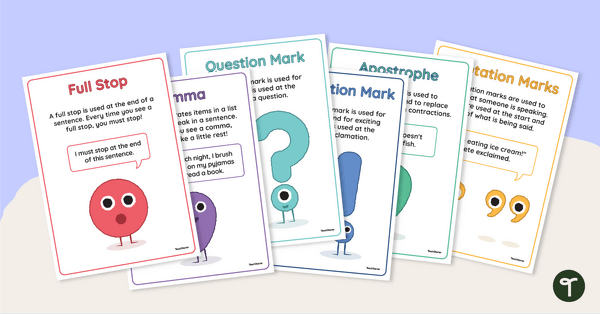
Punctuation Posters
Display this set of 6 punctuation posters in your classroom to remind your students of the most common punctuation marks and their uses.