English
By the beginning of year 3, pupils should be able to read books written at an age-appropriate interest level. They should be able to read them accurately and at a speed that is sufficient for them to focus on understanding what they read rather than on decoding individual words. They should be able to decode most new words outside their spoken vocabulary, making a good approximation to the word’s pronunciation. As their decoding skills become increasingly secure, teaching should be directed more towards developing their vocabulary and the breadth and depth of their reading, making sure that they become independent, fluent and enthusiastic readers who read widely and frequently. They should be developing their understanding and enjoyment of stories, poetry, plays and non-fiction, and learning to read silently. They should also be developing their knowledge and skills in reading non-fiction about a wide range of subjects. They should be learning to justify their views about what they have read: with support at the start of year 3 and increasingly independently by the end of year 4.
- Plus Plan
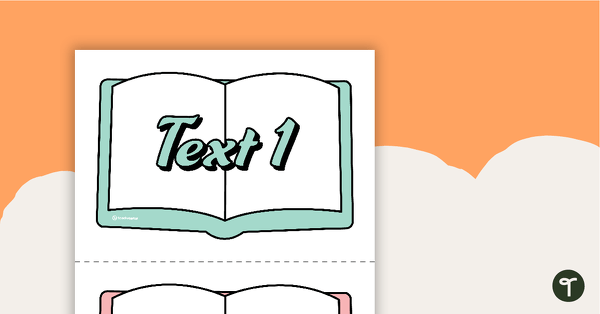
Narrative Writing Bump It Up Wall – Year 4
A visual display for your classroom to help students ‘bump up’ their narrative writing.
- Plus Plan
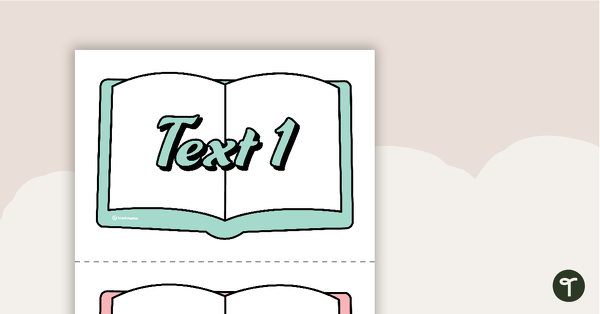
Narrative Writing Bump It Up Wall – Year 3
A visual display for your classroom to help students ‘bump up’ their narrative writing.
- Plus Plan
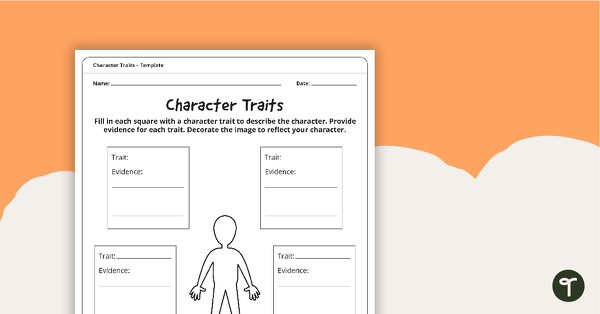
Character Traits Template
A graphic template to record characters traits.
- Plus Plan
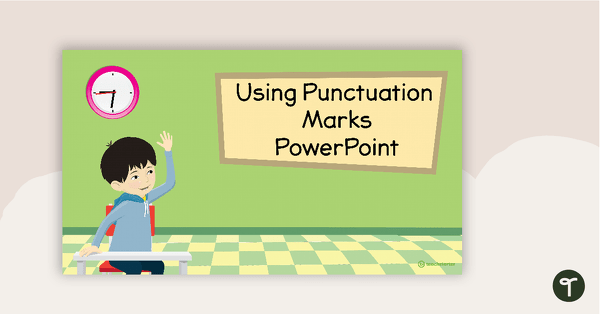
Using Punctuation Marks PowerPoint
A 29 slide editable PowerPoint Template to be used when teaching correct usage of punctuation.
- Plus Plan
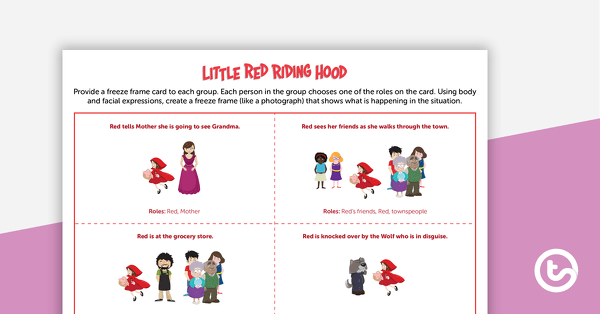
Little Red Riding Hood Freeze Frame – Task Cards
Task cards to help students create freeze frames about the fairy tale, Little Red Riding Hood.
- Plus Plan
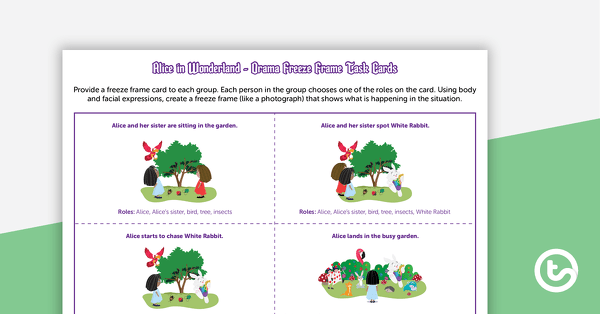
Alice In Wonderland – Drama Freeze Frame – Task Cards
Task cards to help students create freeze frames about the fairy tale, Alice in Wonderland.
- Plus Plan
Compare and Contrast - Venn Diagram Template
A template to use when teaching students how to compare and contrast.
- Plus Plan
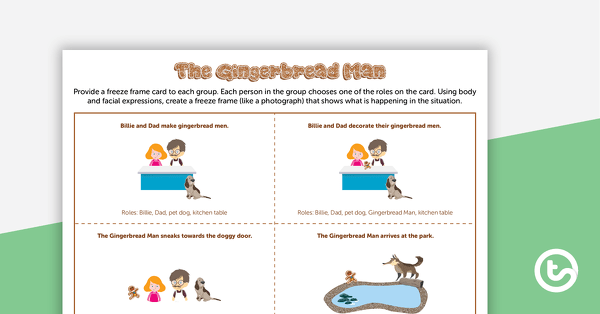
Gingerbread Man Freeze Frame – Task Cards
Task cards to help students create freeze frames about the Gingerbread Man.
- Plus Plan
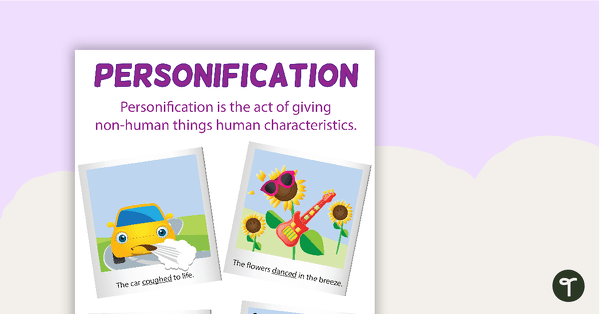
Personification Poster
A poster providing a definition and examples of personification.
- Plus Plan
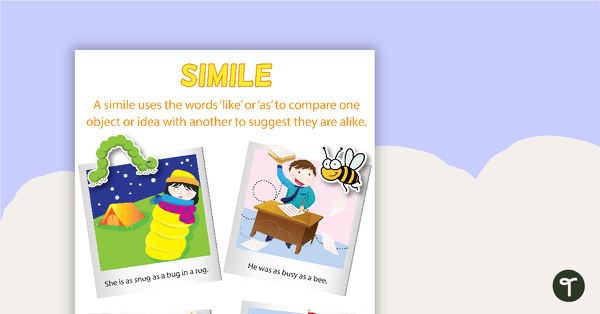
Similes Poster
A poster providing a definition and examples of similies.
- Plus Plan
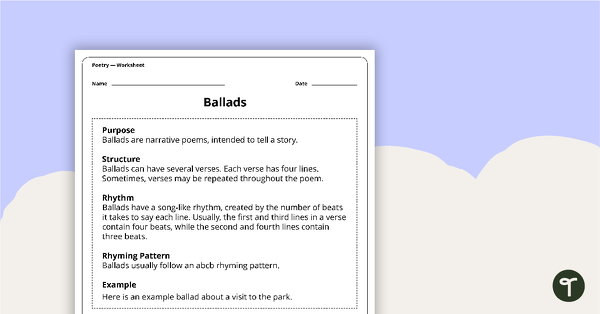
Writing a Ballad Worksheet
A 2 page worksheet for students to use when learning how to write a ballad.
- Plus Plan
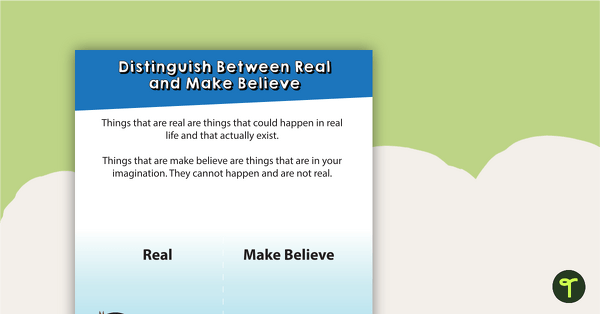
Distinguish Between Real and Make-Believe Poster
A poster highlighting how to distinguish between real and make-believe when reading a piece of text.
- Plus Plan
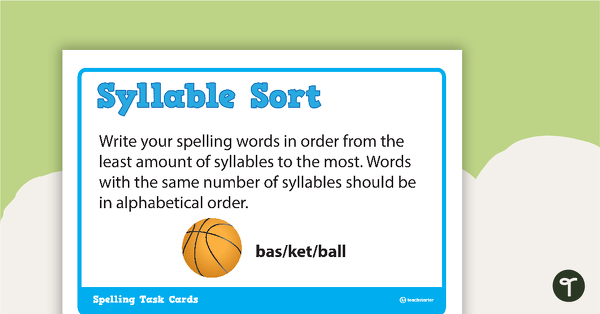
Spelling Task Cards
A set of 57 spelling task cards.
- Plus Plan
Fluency Reading Passage - Sally's Bad Day (Year 4)
A fiction text to use when assessing students' fluency.
- Plus Plan
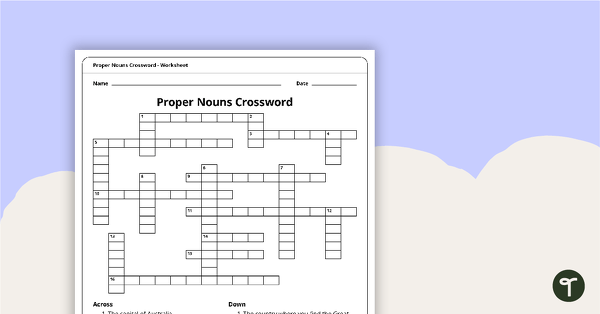
Proper Nouns Crossword Puzzle - Worksheet
A crossword researching different proper nouns.
- Plus Plan
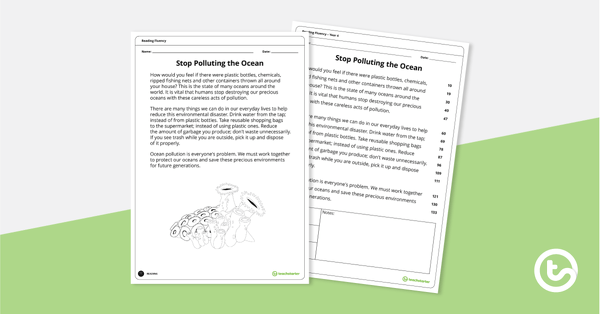
Reading Fluency – Stop Polluting the Ocean (Year 4)
A Year 4 reading fluency assessment.
- Plus Plan
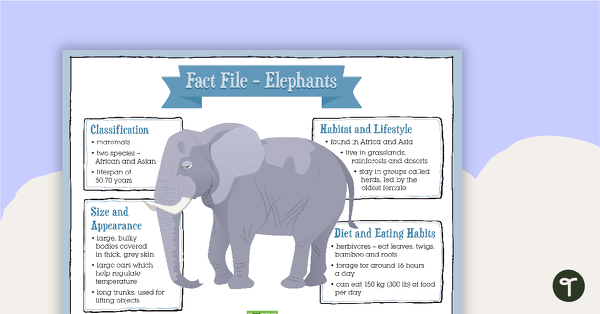
Informative Texts Writing Task - Elephants
A writing activity to help students construct an informative text based on factual information.
- Plus Plan
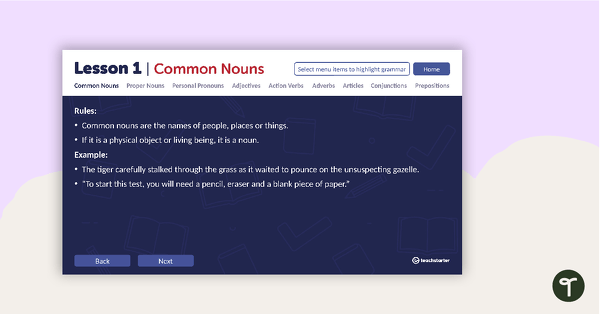
Paragraph Study Grammar Interactive PowerPoint
Interactive PowerPoint presentation allowing teachers and students to learn and revise grammar by highlighting paragraphs.
- Plus Plan
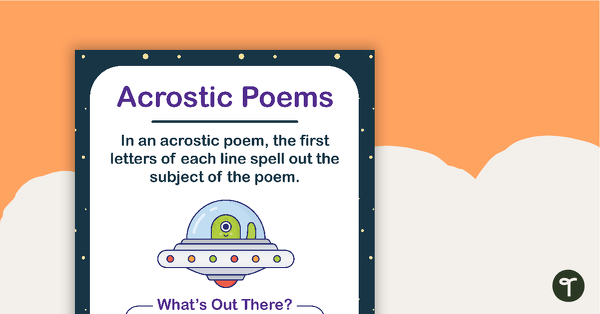
Acrostic Poems Poster
A poster providing a definition and example of an acrostic poem.
- Plus Plan
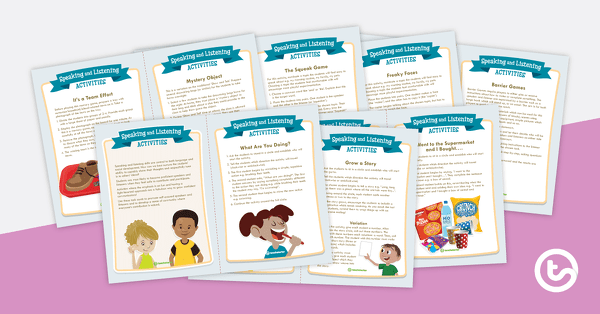
Speaking and Listening Activities Task Cards
A set of 13 cards with instructions for speaking and listening activities.
- Plus Plan
Epic Editing Workbook (Middle Primary)
An editing workbook for middle primary students containing 20 topical texts.
- Plus Plan
Persuasive Writing Bump It Up Wall – Year 4
A visual display for your classroom to help students 'bump up' their persuasive writing.
- Plus Plan
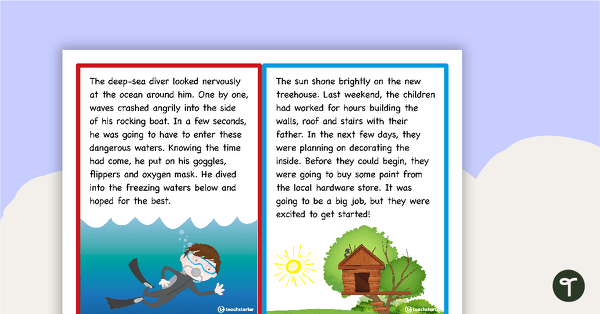
Narrative Paragraphs Sequencing Activity
6 jumbled narrative paragraphs for students to sequence in the correct order.
- Plus Plan
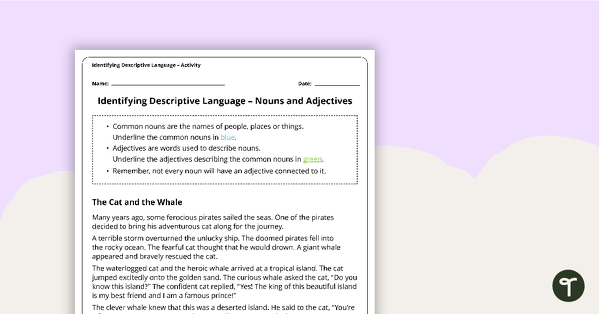
Identifying Descriptive Language Worksheets - Nouns, Adjectives, Verbs and Adverbs
A set of 5 worksheets to help your students identify descriptive language in narrative texts.
- Plus Plan
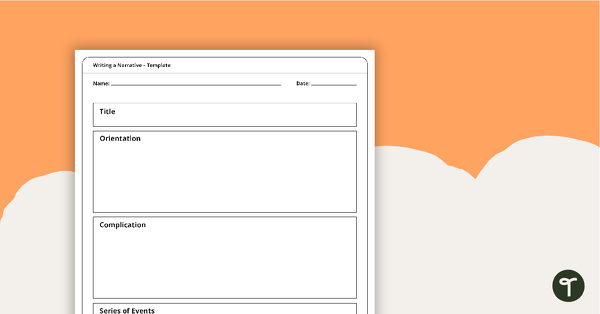
Writing a Narrative – Template
A template for students to use when planning a narrative text.
- Plus Plan
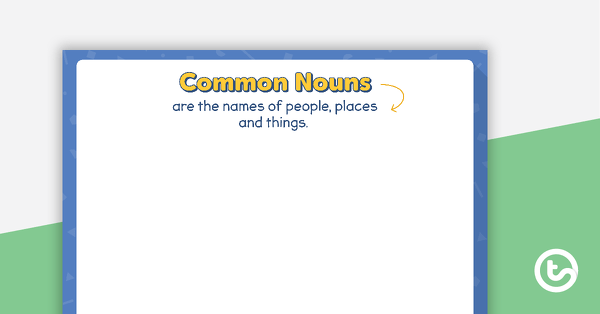
Parts of Speech Sort Game - Common Nouns, Abstract Nouns, Proper Nouns, Verbs and Adjectives
Use this Parts of Speech Sort Game to assist your students in identifying the different types of nouns, verbs and adjectives.
- Plus Plan
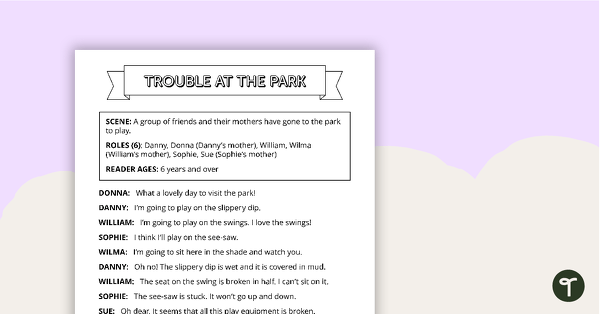
Readers' Theatre Script - Trouble at the Park
A script which can be used during readers' theatre or Drama sessions, aimed at students 6 years and over.
- Plus Plan
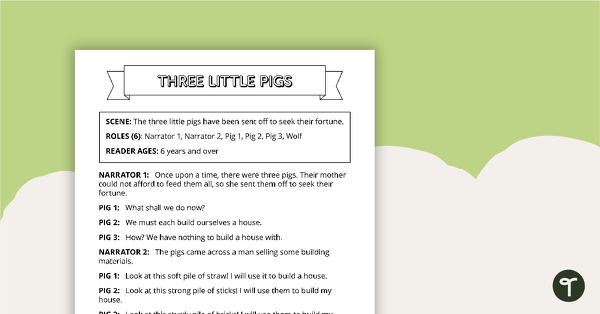
Readers' Theatre Script - Three Little Pigs
A script which can be used during readers' theatre or Drama sessions, aimed at students 6 years and over.
- Plus Plan
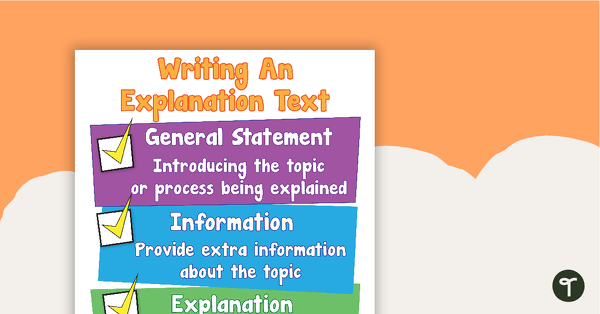
Writing An Explanation Text Poster
Display this poster in your room as a visual reminder of the structure of an explanation text.
- Plus Plan
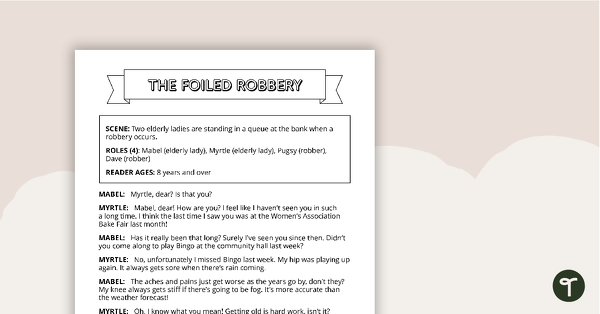
Readers' Theatre Script - Foiled Robbery
A script which can be used during readers' theatre or Drama sessions, aimed at students 8 years and over.
- Plus Plan
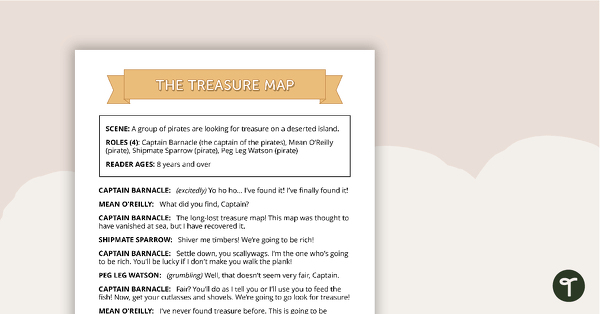
Readers' Theatre Script - Treasure Map
A script which can be used during readers' theatre or Drama sessions, aimed at students 8 years and over.
- Plus Plan
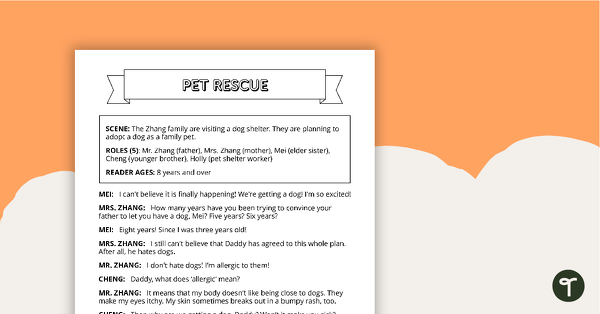
Readers' Theatre Script - Pet Rescue
A script which can be used during readers' theatre or Drama sessions, aimed at students 8 years and over.