A poster showing the definition and an example of an input and an output.
Display this Input/Output Poster when learning about Design and Digital Technologies.
Download includes options for full colour, low colour and black and white versions.
Updated: 17 Jan 2017
A poster showing the definition and an example of an input and an output.
Non-Editable: PDF
Pages: 1 Page
Years: 2 - 7
Key Stage 2 (KS2) - Lower covers students in Year 3 and Year 4.
Pupils should be taught to: design, write and debug programs that accomplish specific goals, including controlling or simulating physical systems; solve problems by decomposing them into smaller parts; use sequence, selection, and repetition in progr...
Through a variety of creative and practical activities, pupils should be taught the knowledge, understanding and skills needed to engage in an iterative process of designing and making. They should work in a range of relevant contexts [for example, t...
Key Stage 2 (KS2) - Upper covers students in Year 5 and Year 6.
Pupils should be taught to: design, write and debug programs that accomplish specific goals, including controlling or simulating physical systems; solve problems by decomposing them into smaller parts; use sequence, selection, and repetition in progr...
Through a variety of creative and practical activities, pupils should be taught the knowledge, understanding and skills needed to engage in an iterative process of designing and making. They should work in a range of relevant contexts [for example, t...
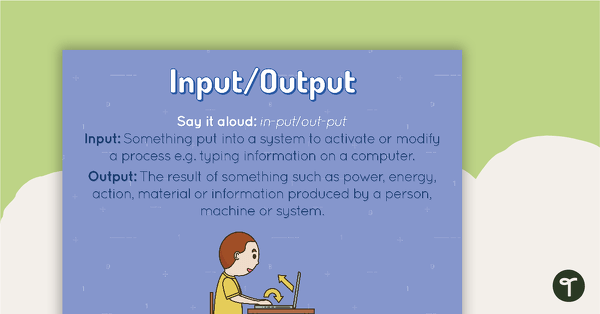
A poster showing the definition and an example of an input and an output.
Display this Input/Output Poster when learning about Design and Digital Technologies.
Download includes options for full colour, low colour and black and white versions.
Key Stage 2 (KS2) - Lower covers students in Year 3 and Year 4.
Pupils should be taught to: design, write and debug programs that accomplish specific goals, including controlling or simulating physical systems; solve problems by decomposing them into smaller parts; use sequence, selection, and repetition in progr...
Through a variety of creative and practical activities, pupils should be taught the knowledge, understanding and skills needed to engage in an iterative process of designing and making. They should work in a range of relevant contexts [for example, t...
Key Stage 2 (KS2) - Upper covers students in Year 5 and Year 6.
Pupils should be taught to: design, write and debug programs that accomplish specific goals, including controlling or simulating physical systems; solve problems by decomposing them into smaller parts; use sequence, selection, and repetition in progr...
Through a variety of creative and practical activities, pupils should be taught the knowledge, understanding and skills needed to engage in an iterative process of designing and making. They should work in a range of relevant contexts [for example, t...

We create premium quality, downloadable teaching resources for primary/elementary school teachers that make classrooms buzz!
Would you like something changed or customised on this resource? While our team makes every effort to complete change suggestions, we can't guarantee that every change will be completed.
Did you spot an error on this resource? Please let us know and we will fix it shortly.
Are you having trouble downloading or viewing this resource? Please try the following steps:
If you are still having difficulty, please visit the Teach Starter Help Desk or contact us .
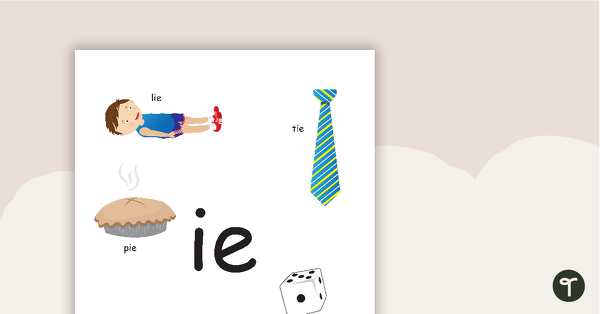
A set of 3 posters including ie, oi and ue dipthongs.
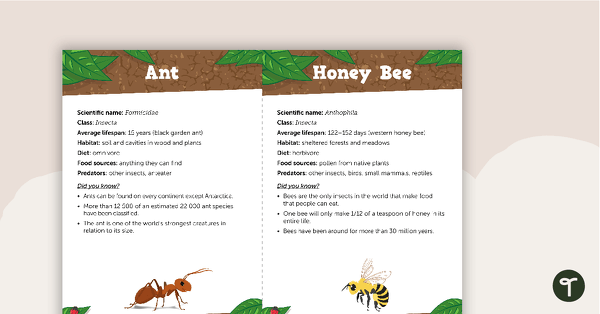
A set of 28 fact cards about a variety of minibeasts.
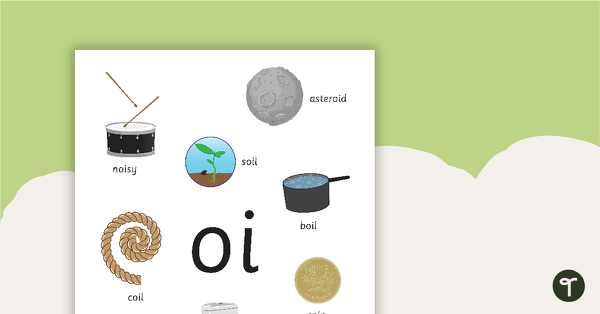
A poster with examples of oi diphthongs
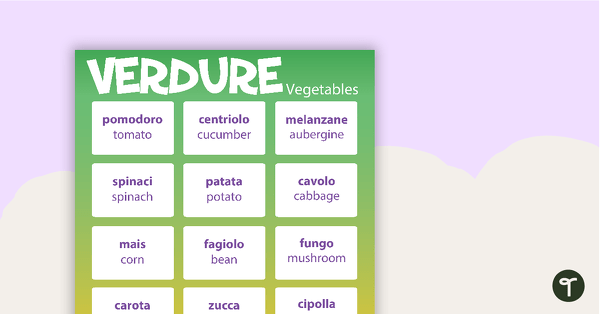
A vegetables poster to use in the classroom when teaching Italian.

Help your students to learn the different seasons and their corresponding months.
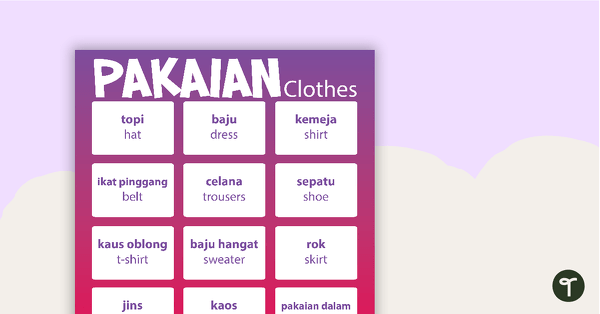
A clothes poster to use in the classroom when teaching Indonesian.
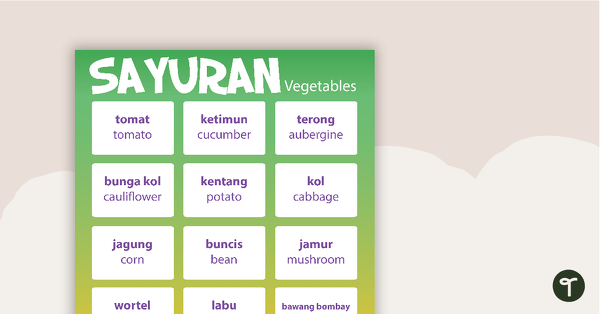
A vegetables poster to use in the classroom when teaching Indonesian.
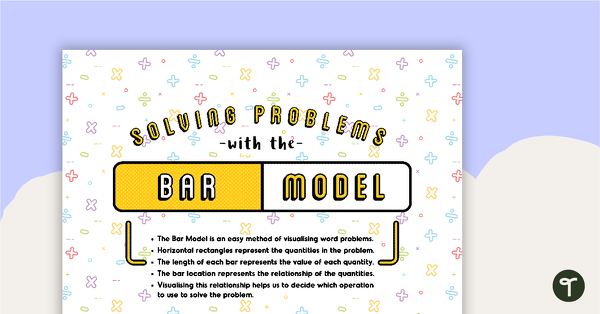
The Bar Model is a teaching and learning strategy for mathematical problem solving which can be applied to all operations.
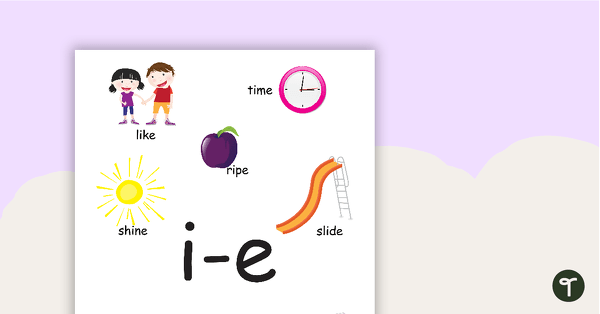
A poster showing words and pictures for various vowel blends.
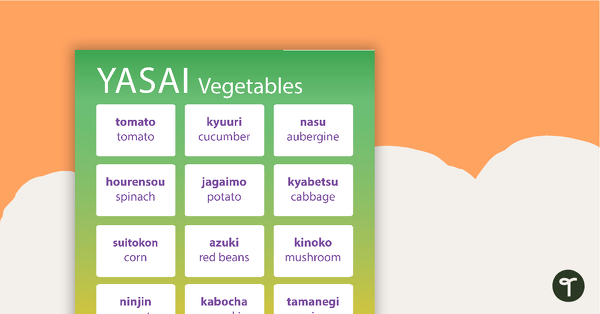
A vegetables poster to use in the classroom when teaching Japanese.
0 Comments
Write a review to help other teachers and parents like yourself. If you'd like to request a change to this resource, or report an error, select the corresponding tab above.