Decoding Teaching Resources
Build students' decoding skills with reading activities, printable worksheets and more teacher resources, all created by teachers for classrooms like yours.
This comprehensive collection is filled with resources aligned with the Australian English curriculum (V9.0 included!), and each resource has undergone the Teach Starter teacher team's thorough review process. Download resources you know you can add to your lesson plans immediately!
New to teaching students decoding strategies? Read on for a primer from our teacher team, including a look at how this skill plays into early literacy development and tips to help your students build their decoding savvy!
What Is Decoding in Reading?
It's something you likely know, but we like to start from the top, so let's dig into the meaning of decoding in a reading context. (Just want some ideas? Feel free to scroll down to our collection!)
Simply put, decoding is translating written words into spoken language.
Need a little more?
In early literacy education, decoding refers to the process of breaking words down into their individual sounds and then blending those sounds together to form recognisable words. As students build their skills, they are eventually able to decode — or read — increasingly more complicated written texts.
The process of encoding builds off of phonics instruction, understanding of sight words, pattern recognition and the use of context clues, helping students become fluent readers with strong comprehension skills.
Decoding vs. Encoding — What's the Difference?
When discussing decoding in early education, we typically talk about reading instruction. As noted above, we're teaching our students to decode — or translate — the written word into the spoken form.
Of course, we don't do this in isolation. Kids need to learn to encode too, and linking instruction of both has been shown to help students learn to be stronger readers and spellers.
So, what is encoding, and how does it differ from decoding?
In an educational context, encoding is the polar opposite, and we tend to use the term in regard to teaching kids to write. In its most basic forms, encoding involves learning to spell different words by representing the sounds with corresponding written letters.
Instead of translating written words into speech, encoding means teaching our students to translate spoken words into written words.
- Plus Plan
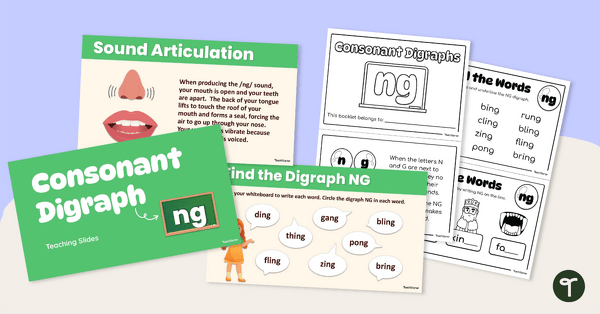
Ng Digraph Lesson Resource Pack
Introduce students to the ng digraph with this set of teaching slides and mini activity book.
- Plus Plan
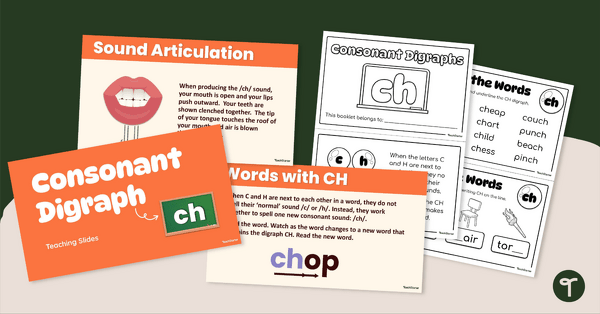
Ch Digraph Lesson Resource Pack
Introduce students to the ch digraph with this set of teaching slides and mini activity book.
- Plus Plan
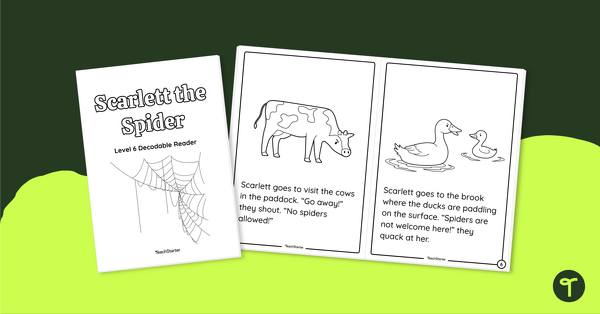
Scarlett the Spider - Decodable Reader (Level 6)
Develop confident, successful readers with this phonics-based, printable decodable book.
- Plus Plan
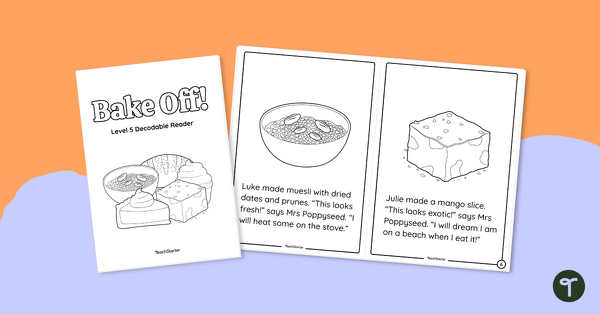
Bake Off! - Decodable Reader (Level 5)
Develop confident, successful readers with this phonics-based, printable decodable book.
- Plus Plan
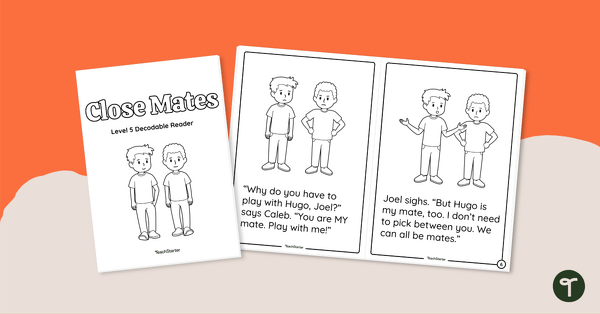
Close Mates - Decodable Reader (Level 5)
Develop confident, successful readers with this phonics-based, printable decodable book.
- Plus Plan
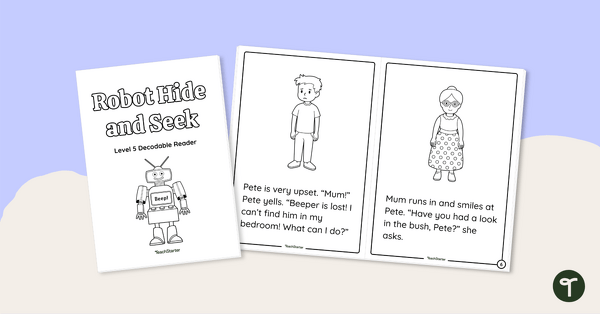
Robot Hide and Seek - Decodable Reader (Level 5)
Develop confident, successful readers with this phonics-based, printable decodable book.
- Plus Plan
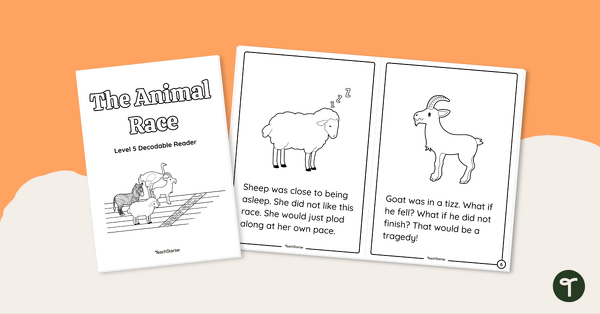
The Animal Race - Decodable Reader (Level 5)
Develop confident, successful readers with this phonics-based, printable decodable book.
- Plus Plan
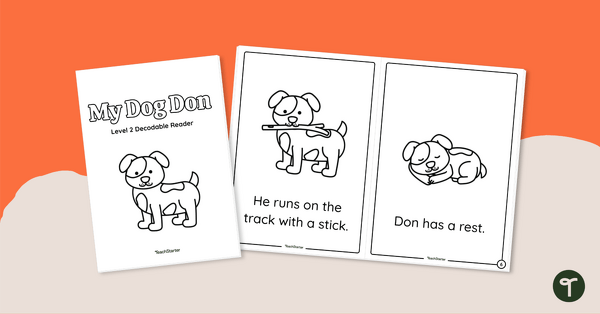
My Dog Don - Decodable Reader (Level 2)
Develop confident, successful readers with this phonics-based, printable decodable book.
- Plus Plan
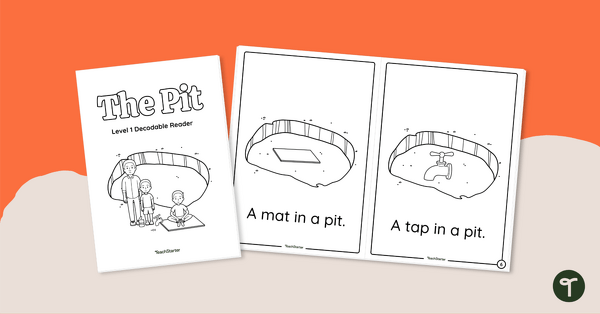
The Pit - Decodable Reader (Level 1)
Develop confident, successful readers with this phonics-based, printable decodable book.
- Plus Plan
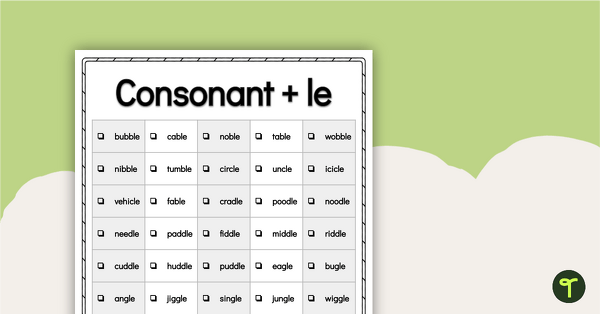
Word Study List - Consonant + LE
Introduce and explore two-syllable words containing a consonant + le syllable with this extensive list.
- Plus Plan
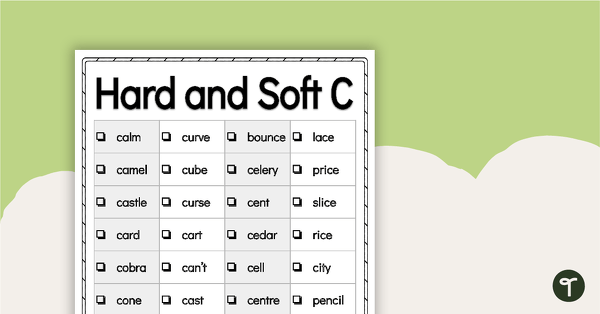
Word Study List - Hard and Soft C
Introduce and explore words containing the hard and soft c with this extensive list of words.
- Plus Plan
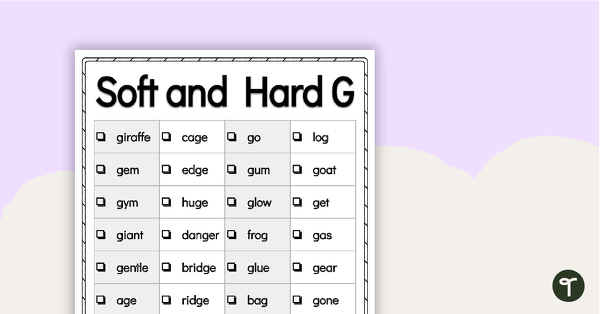
Word Study List - Hard and Soft G
Introduce and explore words containing the hard and soft g with this extensive list of words.
- Plus Plan
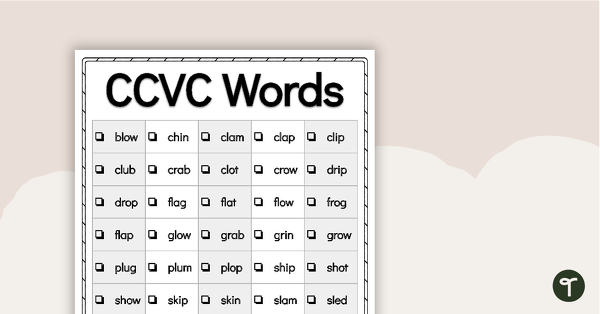
Word Study List - CCVC Words
Introduce and explore words containing the consonant-consonant-vowel-consonant pattern with this extensive list of CCVC words.
- Plus Plan
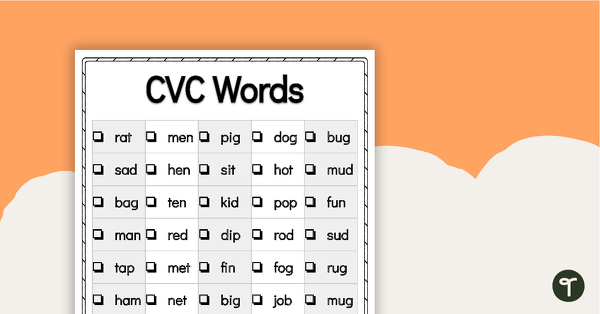
Word Study List - CVC Words
Introduce and explore consonant-vowel-consonant words with this extensive list of CVC words.
- Plus Plan
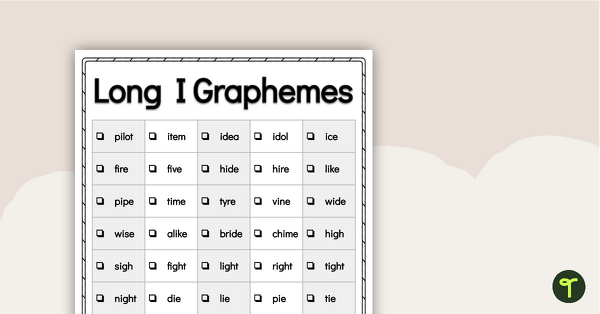
Word Study List - Long I Graphemes
Introduce and explore words containing graphemes that make the ‘long i’ sound with this extensive list of words.
- Plus Plan
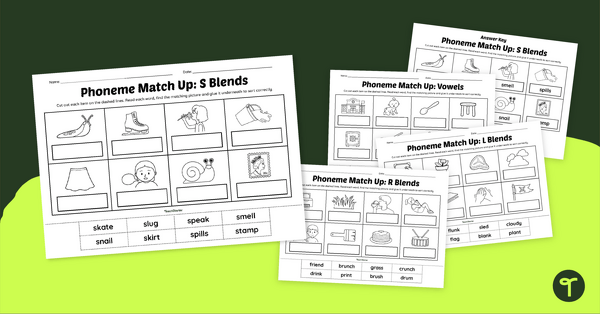
Reading 3-5 Phonemes Cut and Paste Pack
Support your early readers as they practise decoding and phoneme recognition with this hands-on cut and paste worksheet set.
- Plus Plan
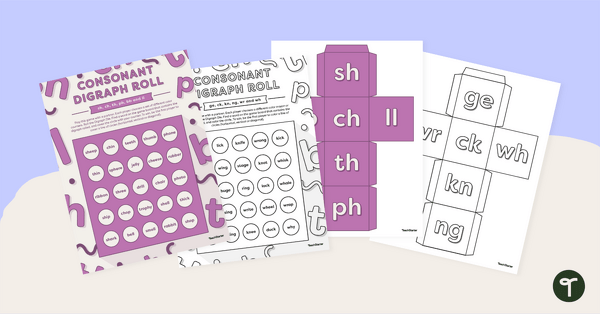
Consonant Digraph Cover Up Game
Practise consonant digraphs with your students with this set of two fun partner cover up games.
- Plus Plan
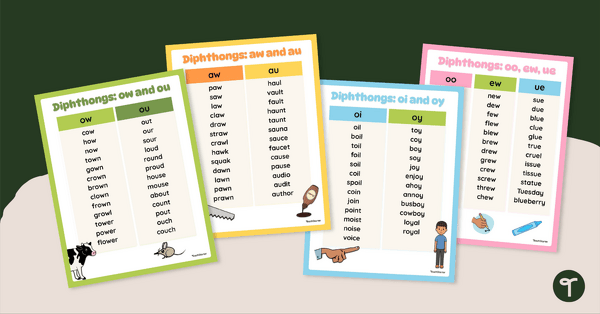
Diphthong Fluency Charts
Practise reading out these word lists that contain different diphthongs with these fluency charts
- Plus Plan
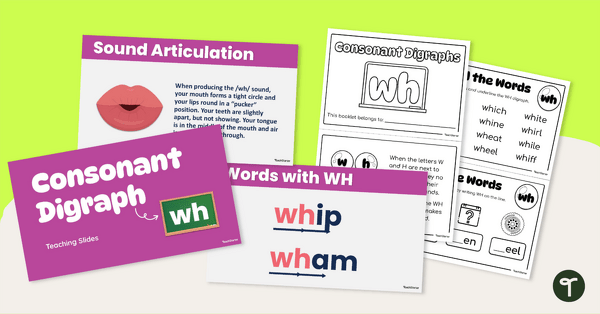
Wh Digraph Lesson Resource Pack
Introduce students to the wh digraph with this set of teaching slides and mini activity book.
- Plus Plan
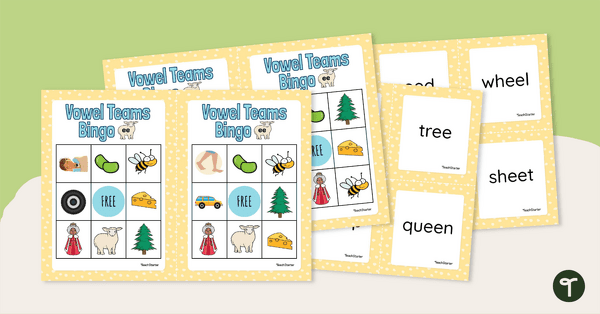
EE Vowel Team Bingo
Practise decoding words that use the EE vowel team convention with this BINGO game for up to 20 players.
- Plus Plan
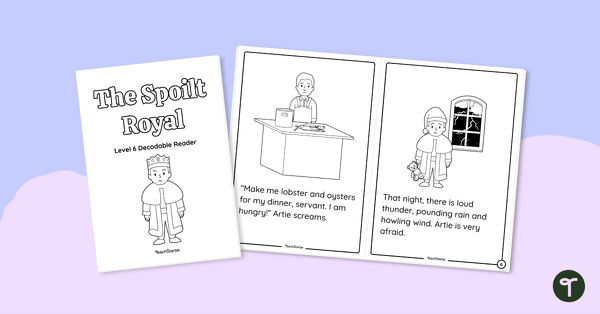
The Spoilt Royal - Decodable Reader (Level 6)
Develop confident, successful readers with this phonics-based, printable decodable book.
- Plus Plan
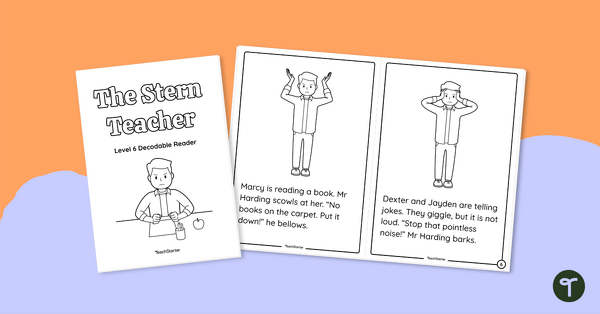
The Stern Teacher - Decodable Reader (Level 6)
Develop confident, successful readers with this phonics-based, printable decodable book.
- Plus Plan
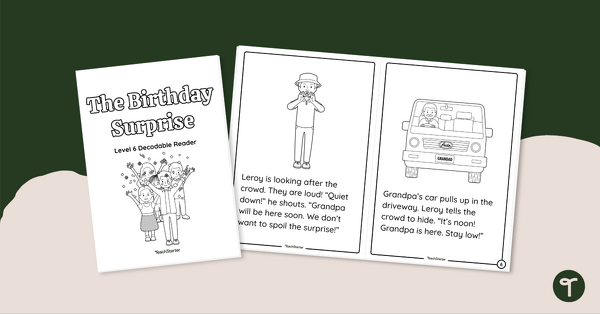
The Birthday Surprise - Decodable Reader (Level 6)
Develop confident, successful readers with this phonics-based, printable decodable book.
- Plus Plan
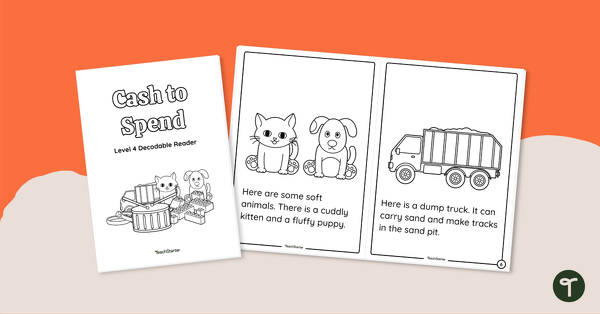
Cash to Spend - Decodable Reader (Level 4)
Develop confident, successful readers with this phonics-based, printable decodable book.
- Plus Plan
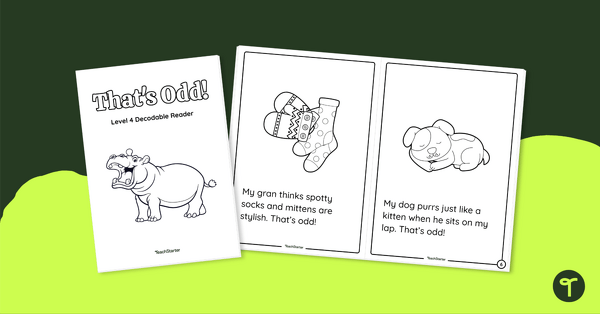
That's Odd! - Decodable Reader (Level 4)
Develop confident, successful readers with this phonics-based, printable decodable book.
- Plus Plan
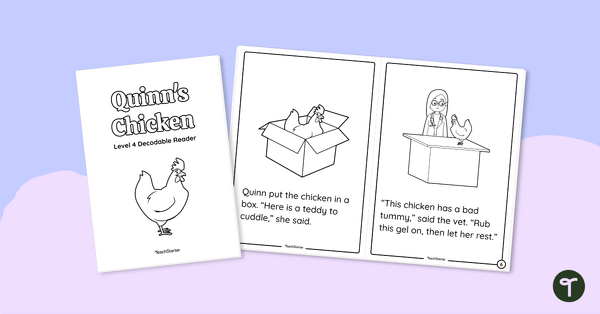
Quinn's Chicken - Decodable Reader (Level 4)
Develop confident, successful readers with this phonics-based, printable decodable book.
- Plus Plan
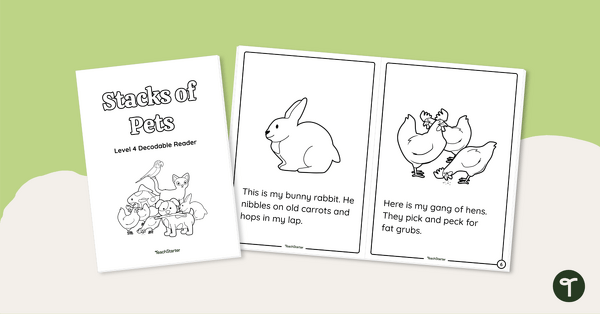
Stacks of Pets - Decodable Reader (Level 4)
Develop confident, successful readers with this phonics-based, printable decodable book.
- Plus Plan
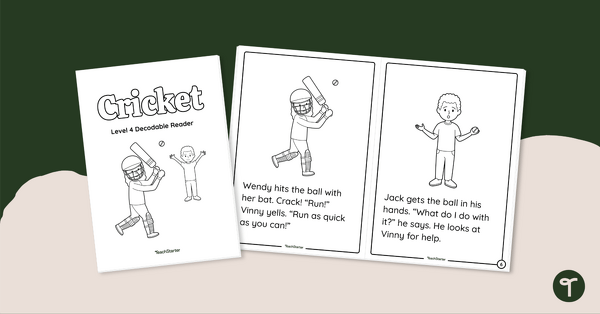
Cricket - Decodable Reader (Level 4)
Develop confident, successful readers with this phonics-based, printable decodable book.
- Plus Plan
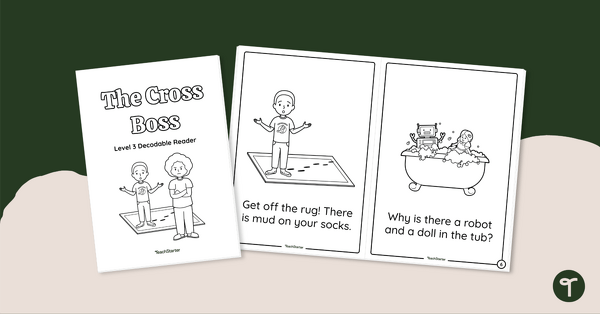
The Cross Boss - Decodable Reader (Level 3)
Develop confident, successful readers with this phonics-based, printable decodable book.
- Plus Plan
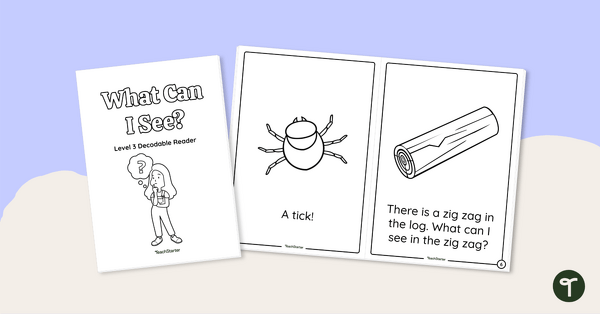
What Can I See? - Decodable Reader (Level 3)
Develop confident, successful readers with this phonics-based, printable decodable book.
- Plus Plan
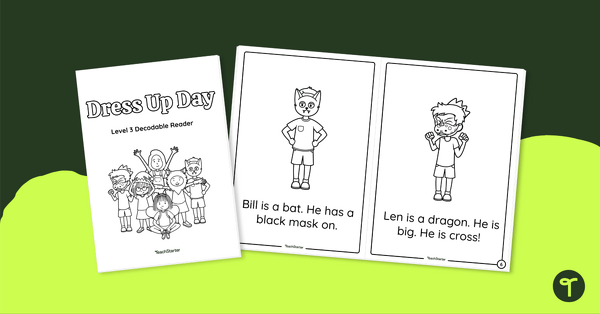
Dress Up Day - Decodable Reader (Level 3)
Develop confident, successful readers with this phonics-based, printable decodable book.
- Plus Plan
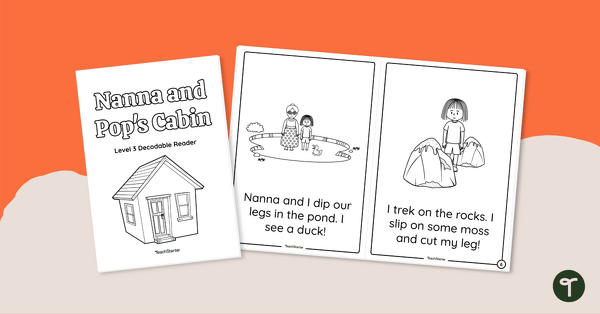
Nanna and Pop's Cabin - Decodable Reader (Level 3)
Develop confident, successful readers with this phonics-based, printable decodable book.