Digraphs Teaching Resources
Explore digraph worksheets, learning games and more phonics teaching resources created by teachers for teachers like you!
This collection of printable and digital digraph teacher resources is aligned with the Australian English curriculum and included everything you need to build your lesson plans. You'll find easily editable options, created by our teacher team so that you can easily differentiate instruction.
Are you new to teaching early literacy? Or are you looking for a refresher? Read on for a digraphs primer from our teacher team!
What Is a Digraph?
If you're teaching phonological awareness or reading, you'll need to know! A digraph is a building block of literacy for any young reader.
But how do you teach digraphs in phonics? And what is a consonant digraph?
Digraph Definition
To really answer the question 'what is a digraph,' it's worth going back to the word origin.The word digraph dates back to the 1700s, and it's built from the roots di- (meaning twice) and -graph (meaning something written).
By definition, a digraph is the term used to describe two consecutive letters that work together to make one sound.
If you want to get technical, digraphs are a kind of grapheme — a word that refers to any unit (such as a letter or group of letters) in a writing system. In this case, graphemes are letters or groups of letters in English.
Making sense? We've got one more important phonics term for you! The English language is comprised of about 44 phonemes (the word for the individual speech sounds that make up words). Phonemes can be written in more than 200 letter combinations known as — you guessed it — graphemes and digraphs!
What Are the Most Common Digraphs in the English Language?
Digraphs are often taught in order, starting with those most commonly appearing in English words. Here are some common digraph examples students will encounter:
- ch (as in chin),
- ch (as in school),
- ng (as in sing),
- ph (as in phone),
- sh (as in ship),
- th (as is think),
- wh (as is wheel)
What Is the Difference Between a Digraph and a Blend?
Have you heard the terms digraph and blend thrown around? They seem like they'd be the same thing, but don't be deceived!
While they look the same, there is a major difference between a digraph and a blend. A digraph is defined as two letters that make a single sound. The blend is a combination of letters whose sounds are linked together, but not combined when forming a word. The blend stands apart because its letters still make two distinct sounds.
For example, the 'sl' combination in 'sleep' is a blend, rather than a digraph. That is because you still pronounce the /s/ and /l/ sounds when pronouncing the word.
Another difference between a digraph and a blend is that a digraph can be made up of two consonants or two vowels, while blends are only made up of consonants.
Teaching About Digraphs — Why It's Important
The teaching of phonic digraphs helps students to understand that letter combinations can represent more than one sound and that a syllable must contain a vowel sound.
Teaching students about phonic digraphs in your primaryclassroom will also help them to recognise and associate sounds of the letters of the alphabet, which will help them to improve their reading skills and efficiency.
- Plus Plan
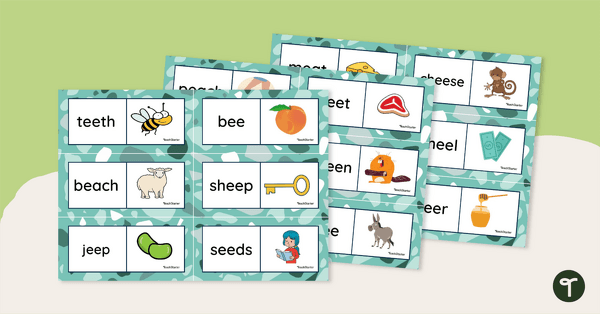
Vowel Digraph Dominoes - EE, EA, and EY
Decode words with ee, ea, and ey vowel digraph conventions for representing long vowel sounds using this set of 26 dominoes.
- Plus Plan
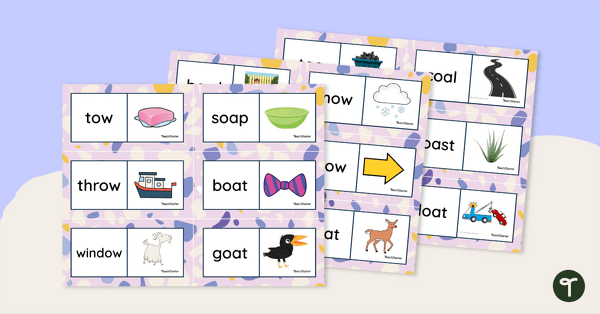
Vowel Digraph Dominoes - OA, OW, and OE
Decode words with oa, ow, and oe vowel team conventions for representing long vowel sounds using this set of 28 dominoes.
- Plus Plan
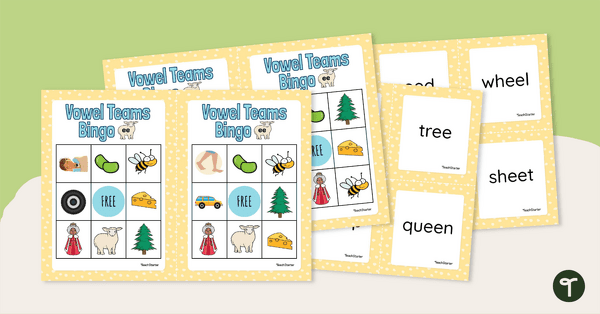
EE Vowel Team Bingo
Practise decoding words that use the EE vowel team convention with this BINGO game for up to 20 players.
- Plus Plan
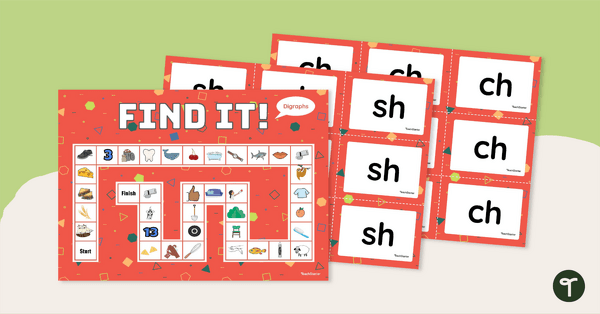
FIND IT! Consonant Digraphs Board Game
Practise decoding words that include 4 examples of consonant digraphs with our digraph flashcards and board game set.
- Free Plan
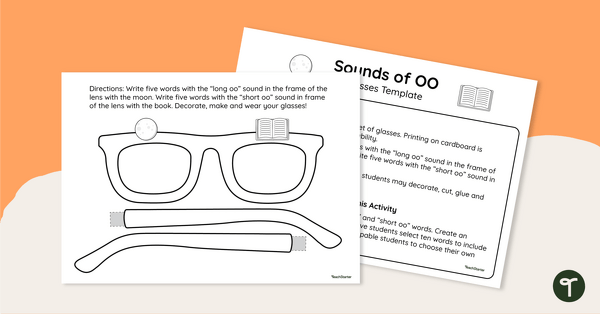
Sounds of OO - Glasses Template
Review the long and short ‘oo’ sound by creating a pair of ‘sOOper’ funky glasses!
- Plus Plan
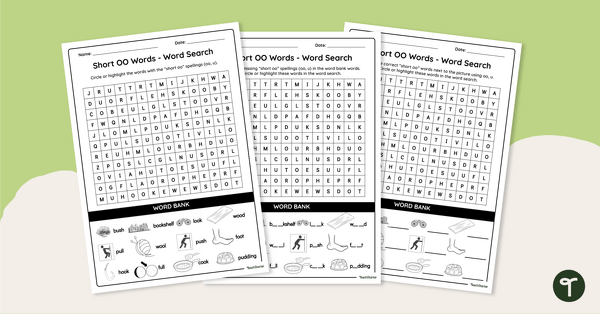
Short OO Words - Word Search
Explore words containing some of the most common ‘short oo’ graphemes with this set of differentiated word searches.
- Plus Plan
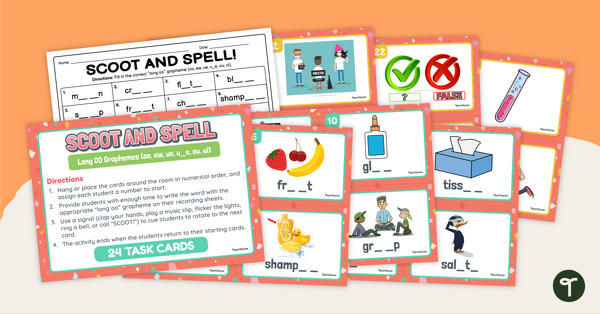
Long OO Graphemes - SCOOT! Task Cards
Explore words containing graphemes that make the ‘long oo’ sound with this active classroom game that will get your students moving!
- Plus Plan
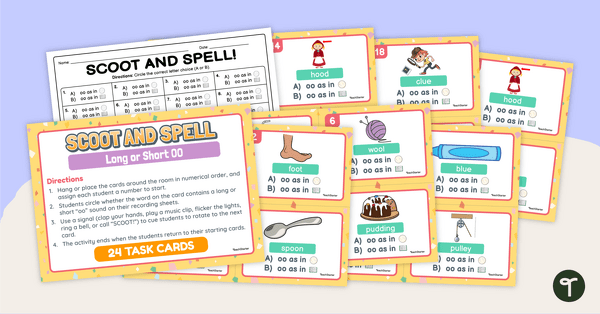
Long or Short OO? - SCOOT! Task Cards
Identify the long and short 'oo' sound in one- and two-syllable words with this active classroom game that will get your students moving!
- Plus Plan
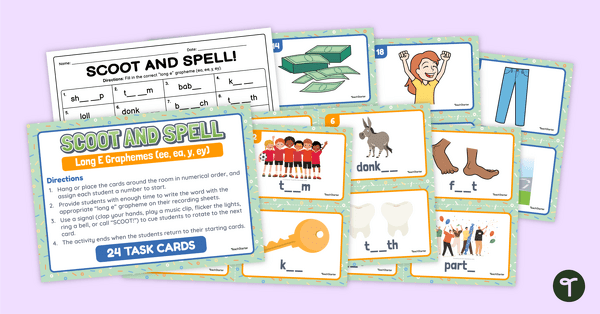
Long E Graphemes - SCOOT! Task Cards
Explore words containing graphemes that make the ‘long e’ sound with this active classroom game that will get your students moving!
- Plus Plan
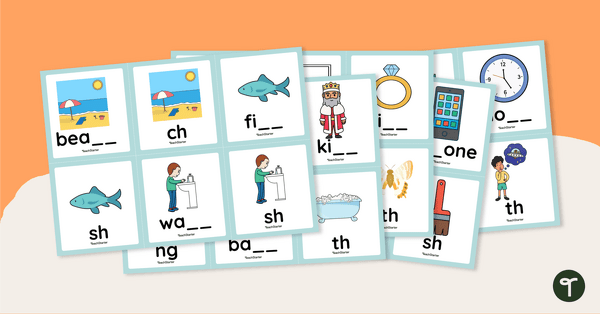
Consonant Digraphs Match-Up Activity
Complete words using the correct consonant digraph with this set of match-up cards.
- Plus Plan
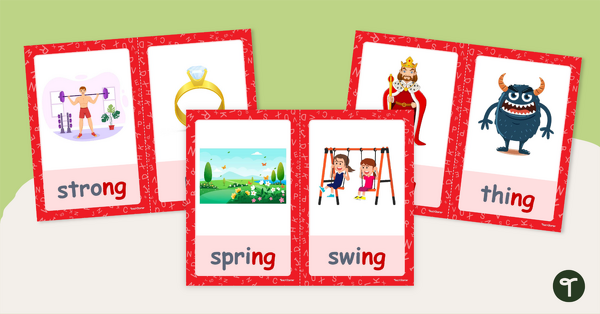
Ng Digraph Words With Images
Learn words that contain the 'ng' digraph with these word and picture flashcards.
- Plus Plan
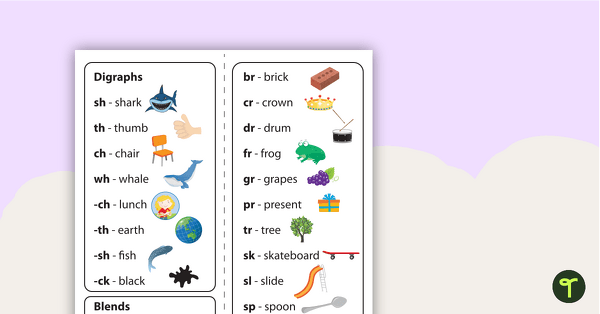
Common Digraphs and Blends Bookmarks
These bookmarks are designed to help students remember some of the most common blends and digraphs while reading.
- Plus Plan
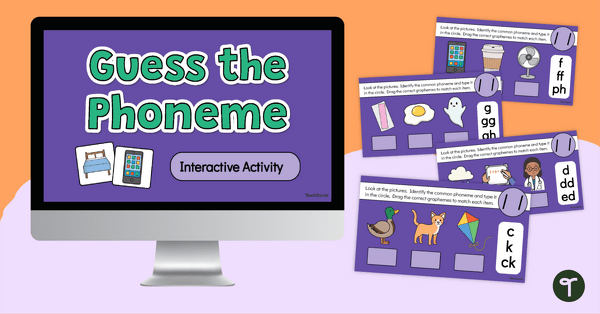
Phoneme Game - Guess the Phoneme
Explore the main phonemes and their matching graphemes with this fun and engaging phoneme game - Guess the Phoneme.
- Plus Plan
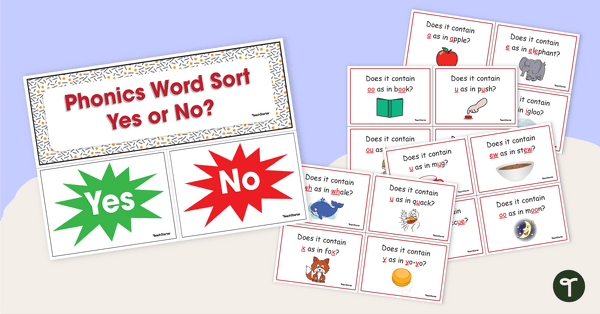
Yes or No? Phonics Sorting Activity
Use this phonics activity to help your students identify the different phonemes that make up a word.
- Plus Plan
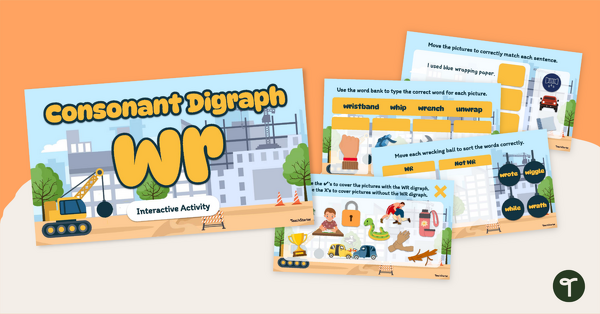
Consonant Digraph WR Interactive
Engage students in practising their learning around the consonant digraph of ‘wr’ with this fun building site-themed interactive activity.
- Plus Plan
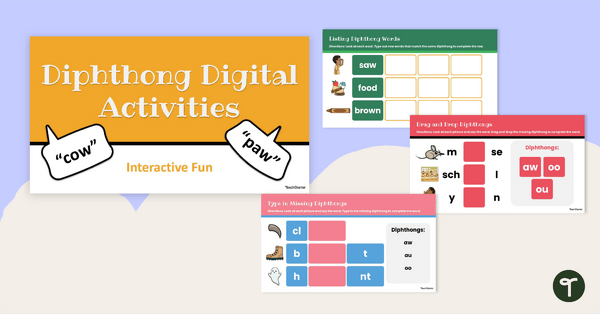
Digital Activity for Learning Diphthongs
Practise diphthong knowledge with this fun and engaging digital learning activity.
- Free Plan
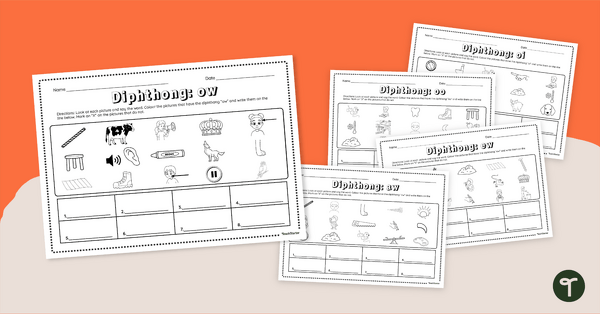
Diphthongs Worksheets
Practice diphthongs with this set of fun and engaging worksheets.
- Plus Plan
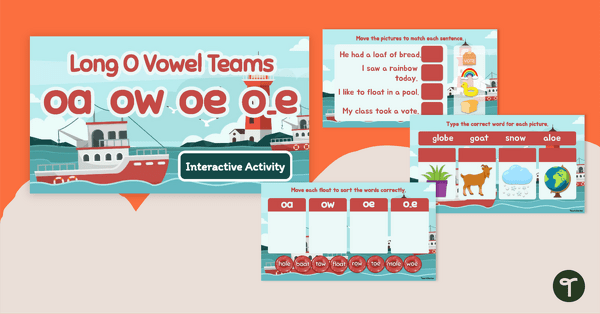
Long Vowel O Teams Interactive Activity
Practise identifying the different graphemes that spell the long /o/ sound with this fun boat-themed interactive activity.
- Plus Plan
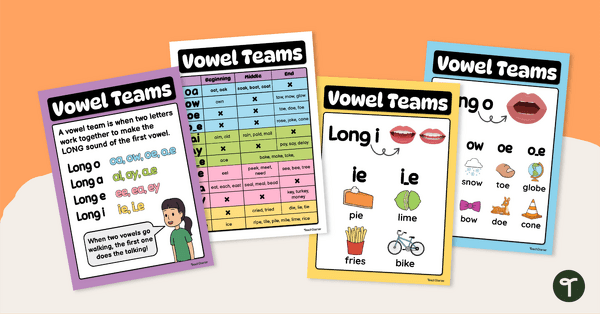
Vowel Team Digraph Poster Set
Display this poster set in your classroom when teaching children about different vowel team digraphs.
- Plus Plan
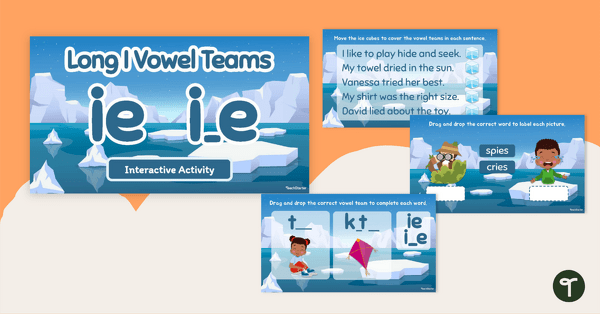
Long I Vowel Digraphs Interactive Activity
Practise identifying the different vowel digraphs that spell the long /i/ sound with this fun iceberg-themed interactive activity.
- Plus Plan
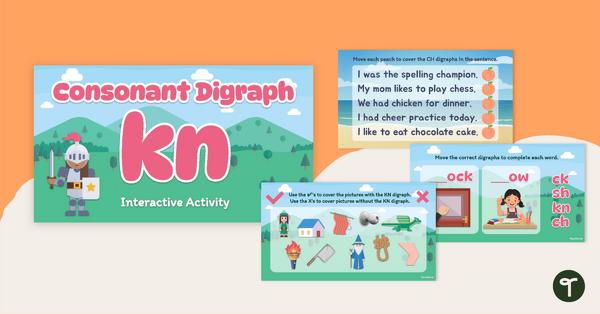
Consonant Digraph KN Interactive Activity
Engage students in practising their learning around the consonant digraph of ‘kn’ with this fun knight-themed interactive activity.
- Plus Plan
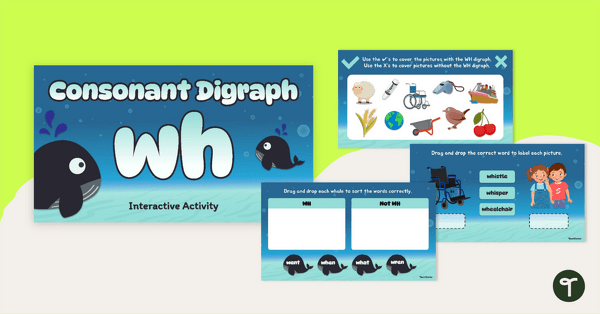
Consonant Digraph WH Interactive Activity
Engage students in practising their learning around the consonant digraph of ‘wh’ with this ocean-themed interactive activity.
- Plus Plan
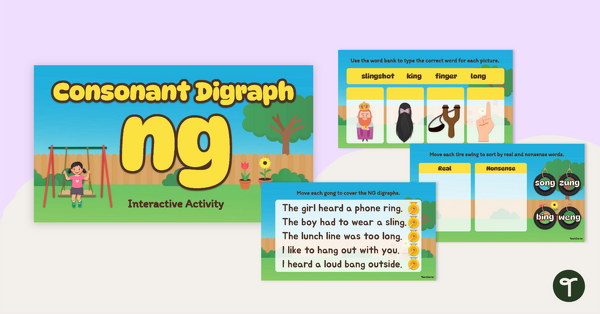
Consonant Digraph NG Interactive Activity
Engage students in practising their learning around the consonant digraph of ‘ng’ with this fun playground-themed interactive activity.
- Plus Plan
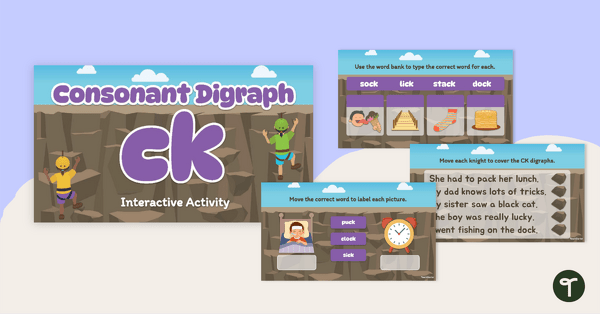
Consonant Digraph CK Interactive Activity
Engage students in practising their learning around the consonant digraph of ‘ck’ with this fun rock climbing-themed interactive activity.
- Plus Plan
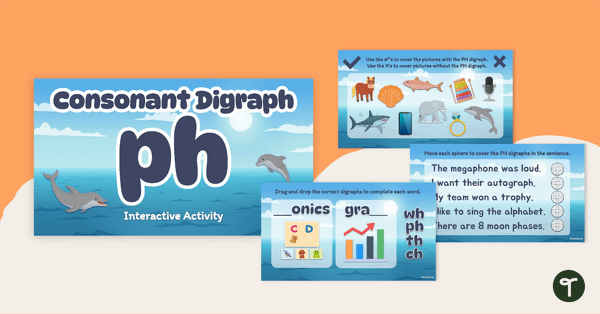
Consonant Digraph PH Interactive Activity
Engage students in practising their knowledge of the consonant digraph ‘ph’ with this fun ocean-themed interactive activity.
- Plus Plan
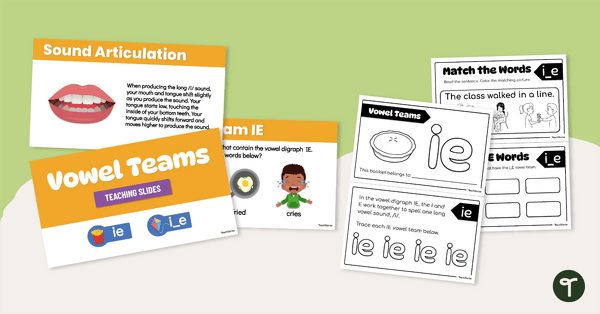
IE and I_E Vowel Team Lesson Resource Pack
Introduce students to IE and I_E vowel digraphs with this set of teaching slides and mini activity book.
- Plus Plan
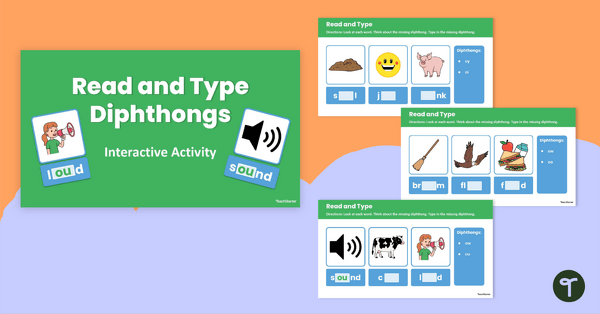
Read and Type Diphthongs Interactive Activity
Practise diphthong vowel team knowledge with this engaging ‘read and type’ style interactive activity
- Plus Plan
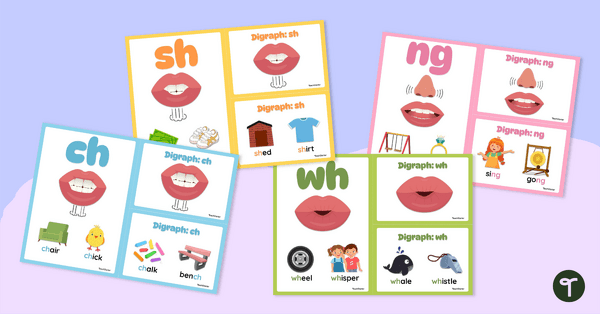
Consonant Digraph Sound Wall Cards
Guide students through phonics with these consonant digraph sound wall cards for a classroom display.
- Plus Plan
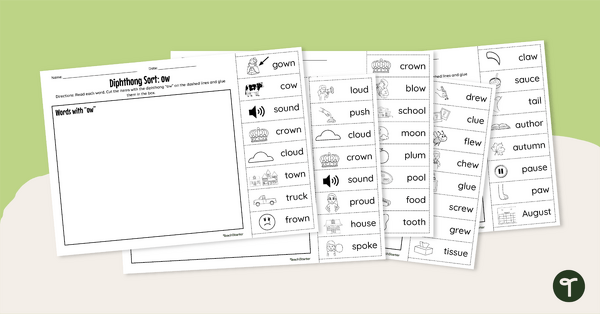
Diphthong Cut-and-Paste Worksheet
Help students practise their knowledge of different diphthongs with this set of cut-and-paste worksheets.
- Plus Plan
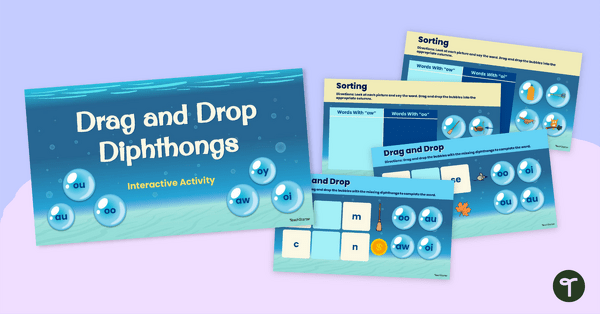
Diphthongs Interactive Activity
Practise knowledge of diphthongs during your phonics lessons with this fun bubble-themed interactive activity.
- Free Plan
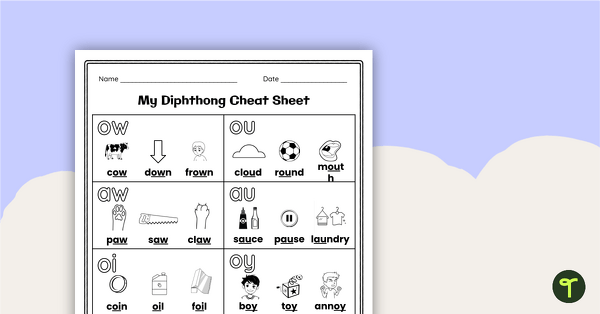
My Diphthong Cheat Sheet
Help students learn all about diphthongs with this handy diphthong student reference sheet.
- Plus Plan
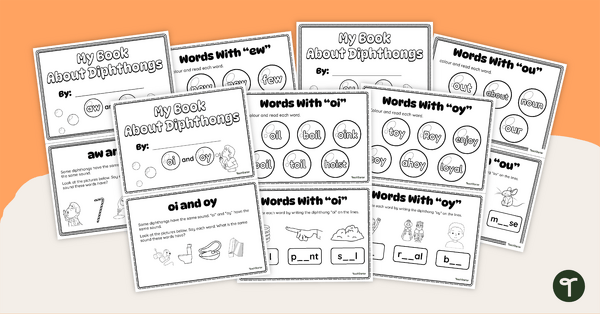
Diphthongs Mini-Book Pack
Learn and practise the different diphthongs with this set of mini activity books.