A chart to assist students when learning how to form letters.
Print this Writing the Alphabet Chart and use it to help your students when they are learning handwriting.
Laminate the chart and have students trace over the letters.
Updated: 28 Jun 2023
A chart to assist students when learning how to form letters.
Non-Editable: PDF
Pages: 1 Page
Years: F - 2
Produce some lower case and upper case letters using learned letter formationsElaborationsadopting correct posture and pencil grip)learning to produce simple handwriting movements)following clear demonstrations of how to construct each letter (for ex...
Write using unjoined lower case and upper case lettersElaborationsusing correct posture and pencil grip)learning how each letter is constructed including where to start and the direction to follow)writing words legibly using unjoined print script of ...
Write legibly and with growing fluency using unjoined upper case and lower case lettersElaborationsusing correct pencil grip and posture)writing sentences legibly and fluently using unjoined print script of consistent size (Skills: Literacy)(View thi...
Form most lower-case and upper-case letters using learnt letter formations
Write words using unjoined lower-case and upper-case letters
Write words legibly and with growing fluency using unjoined upper-case and lower-case letters
Form most lower-case and upper-case letters using learnt letter formations
Write words using unjoined lower-case and upper-case letters
Write words legibly and with growing fluency using unjoined lower-case and upper-case letters
Tracks written text from left to right and from top to bottom of the page and identifies visual and spatial features of print
Applies phonological, orthographic and morphological generalisations and strategies to spell taught familiar and high-frequency words when creating texts
Produces all lower-case and upper-case letters to create texts
Uses a legible, fluent and automatic handwriting style, and digital technology, including word-processing applications, when creating texts
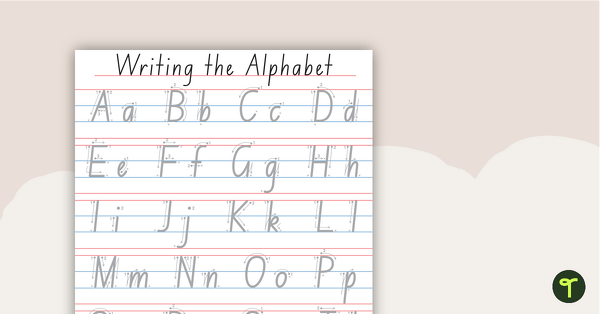
A chart to assist students when learning how to form letters.
Print this Writing the Alphabet Chart and use it to help your students when they are learning handwriting.
Laminate the chart and have students trace over the letters.
Produce some lower case and upper case letters using learned letter formationsElaborationsadopting correct posture and pencil grip)learning to produce simple handwriting movements)following clear demonstrations of how to construct each letter (for ex...
Write using unjoined lower case and upper case lettersElaborationsusing correct posture and pencil grip)learning how each letter is constructed including where to start and the direction to follow)writing words legibly using unjoined print script of ...
Write legibly and with growing fluency using unjoined upper case and lower case lettersElaborationsusing correct pencil grip and posture)writing sentences legibly and fluently using unjoined print script of consistent size (Skills: Literacy)(View thi...
Form most lower-case and upper-case letters using learnt letter formations
Write words using unjoined lower-case and upper-case letters
Write words legibly and with growing fluency using unjoined upper-case and lower-case letters
Form most lower-case and upper-case letters using learnt letter formations
Write words using unjoined lower-case and upper-case letters
Write words legibly and with growing fluency using unjoined lower-case and upper-case letters
Tracks written text from left to right and from top to bottom of the page and identifies visual and spatial features of print
Applies phonological, orthographic and morphological generalisations and strategies to spell taught familiar and high-frequency words when creating texts
Produces all lower-case and upper-case letters to create texts
Uses a legible, fluent and automatic handwriting style, and digital technology, including word-processing applications, when creating texts

We create premium quality, downloadable teaching resources for primary/elementary school teachers that make classrooms buzz!

The lines on the NSW Foundation Print version of the resource have been updated to dotted, solid, solid, dotted.
Would you like something changed or customised on this resource? While our team makes every effort to complete change suggestions, we can't guarantee that every change will be completed.
Did you spot an error on this resource? Please let us know and we will fix it shortly.
Are you having trouble downloading or viewing this resource? Please try the following steps:
If you are still having difficulty, please visit the Teach Starter Help Desk or contact us .
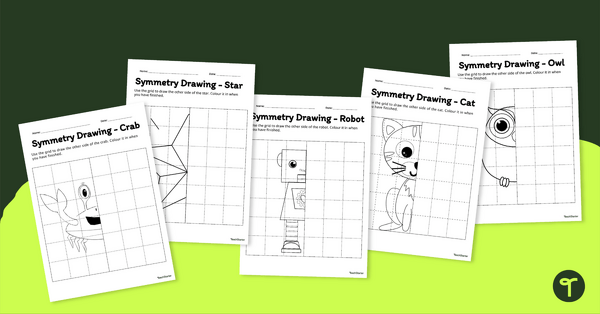
Teach your students about symmetry using this series of drawing worksheets where they must copy an image symmetrically using grid lines for reference.
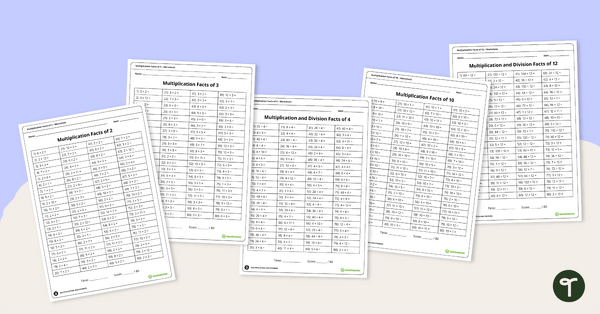
Build fluency with this times tables worksheets pack, designed to give students targeted multiplication and division fact practice while supporting fast and accurate recall.
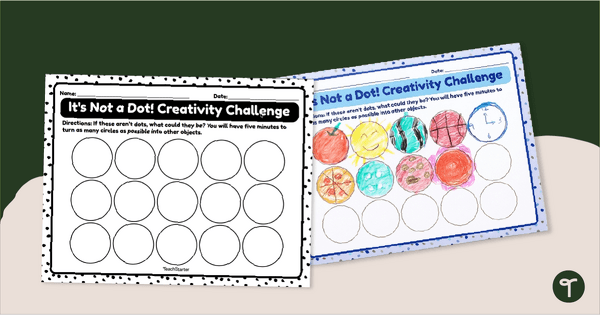
Get creative on International Dot Day with a creativity challenge worksheet for early years students.
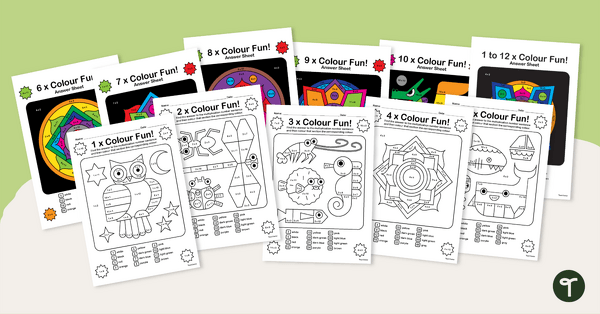
Support multiplication fact fluency with this colour by numbers multiplication worksheet pack that combines times tables practice with engaging mystery picture colouring activities.
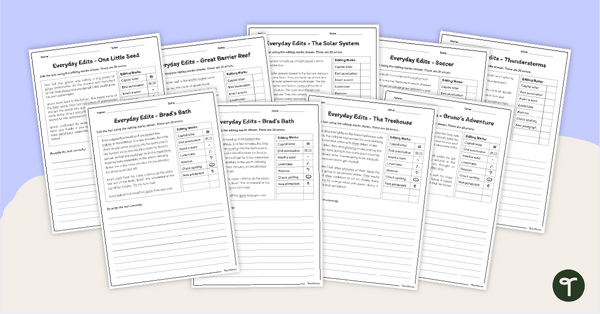
Use these editing and proofreading worksheets to add daily editing practice to your lesson plans.
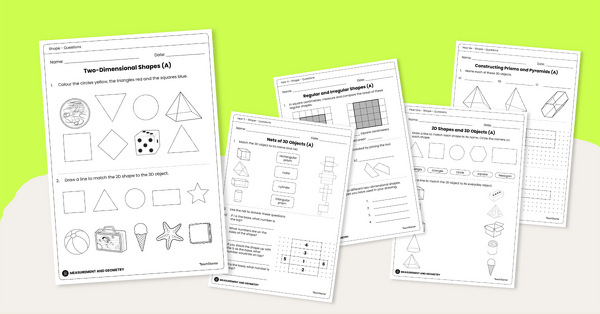
Use these levelled worksheets sets with your primary school students to explore 2D shapes and 3D objects!

Assign our measuring and estimating angles worksheet set to your students for tiered practice with a variety of angle types.
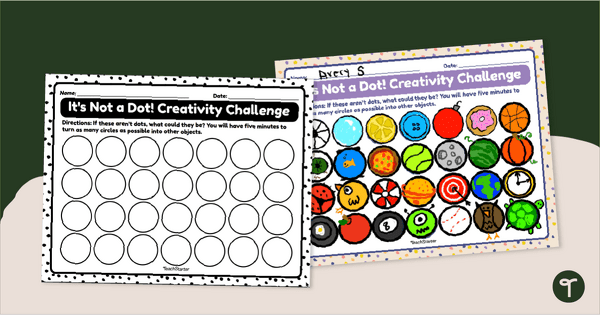
Get creative on International Dot Day with a creativity challenge worksheet for older students.
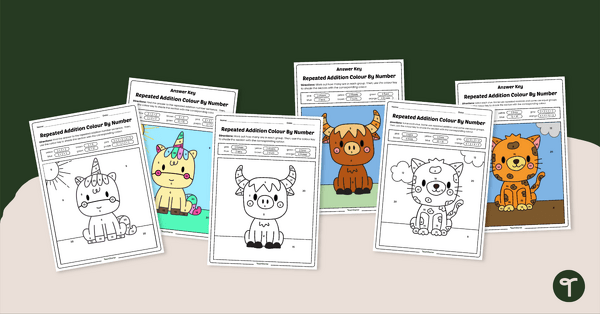
Practise colour by number addition with this engaging repeated addition resource that helps Year 2 students strengthen number skills while completing fun colouring activities.
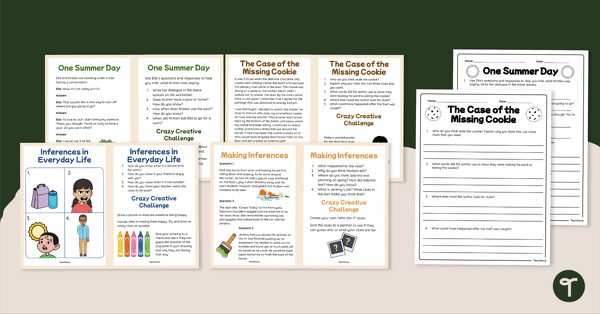
Download this set of comprehension task cards to help students draw conclusions and make inferences when reading.
0 Comments
Write a review to help other teachers and parents like yourself. If you'd like to request a change to this resource, or report an error, select the corresponding tab above.