VC2E4LY09
use comprehension strategies, such as visualising, predicting, connecting, summarising, monitoring and questioning, to expand topic knowledge and ideas, and begin to evaluate texts to build literal and inferred meanings
- making connections between information in print, images and sound
- reading or listening for key topic-specific vocabulary words to build understanding
- reading or listening to interpret the main idea and supporting ideas
- identifying evidence and reasoning used by authors to support points or arguments
- applying self-monitoring strategies such as re-reading, pausing and questioning, and self-correction strategies such as confirming and cross-checking
- connecting the use of colours, images, symbols and patterns in texts by Aboriginal and Torres Strait Islander authors and illustrators
- evaluating an author’s use of evidence to support arguments
- Plus Plan
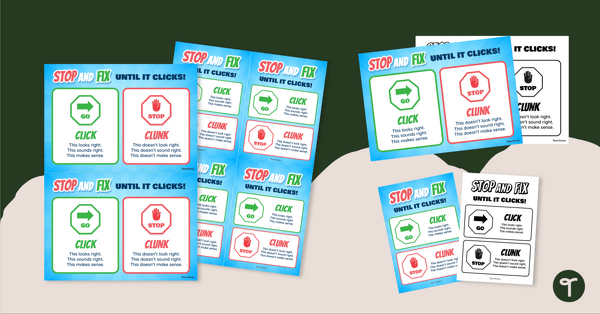
Click or Clunk Strategy Poster and Desk Mat
Explore the click and clunk reading strategy with your students using this poster and desk mat set.
- Plus Plan
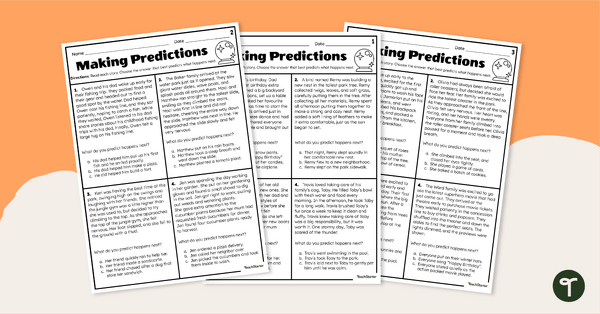
Making Predictions Reading Comprehension Worksheet Pack
Improve students' reading comprehension with our Making Predictions Reading Comprehension Worksheet Pack, which features engaging short stories.
- Plus Plan
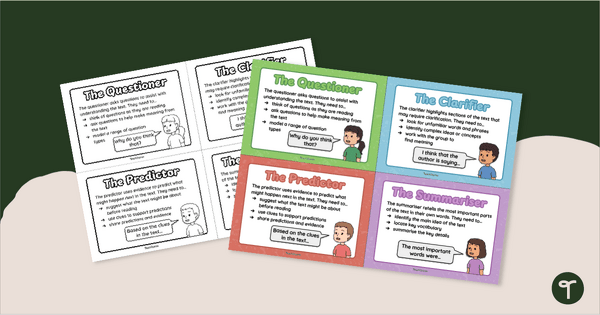
Reciprocal Teaching Role Cards
Assign reciprocal style teaching roles to your students during small-group reading sessions with this set of 4 reciprocal teaching role cards.
- Plus Plan
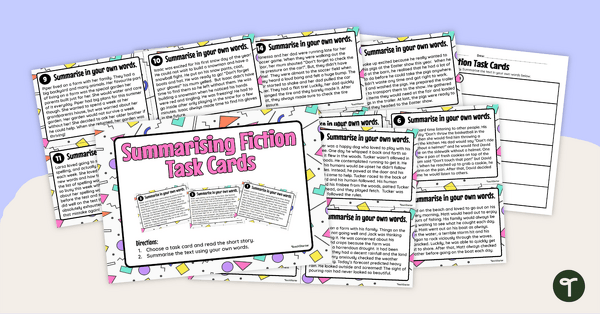
Summarising Fiction Task Cards
Guide students along their summarising journey with this set of Fiction texts on task cards for students to summarise.
- Plus Plan
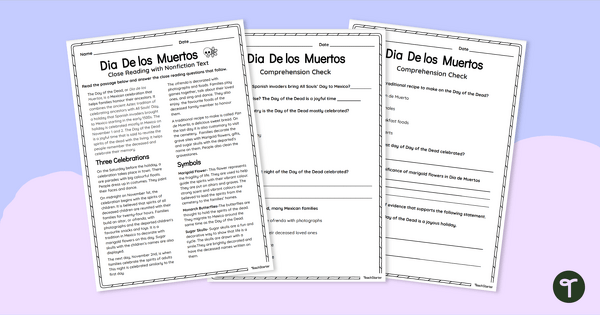
Year 4 Reading Comprehension - The Day of the Dead Reading Passage
Read and learn about the Mexican holiday, Dia De Los Muertos, with a reading passage and Year 4 reading prose comprehension test.
- Plus Plan
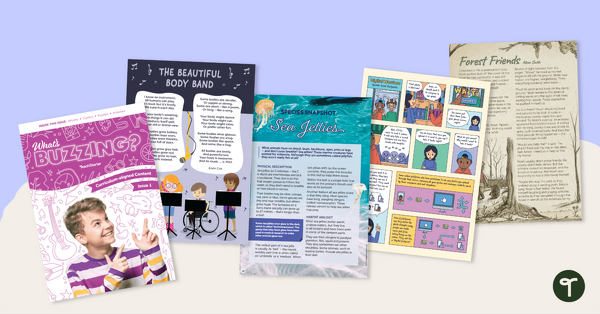
Year 4 Magazine - What's Buzzing? (Issue 1)
A beautifully designed, 24-page reading magazine specifically designed for Year 4 students.
- Plus Plan
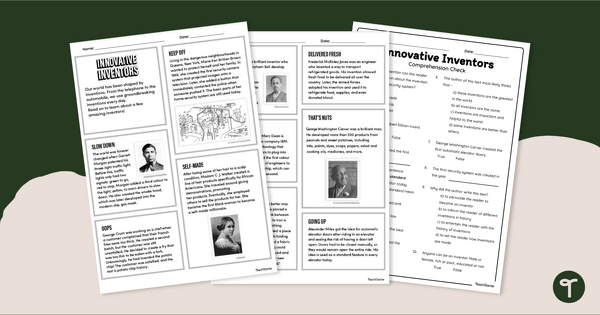
Innovative Inventors - Year 4 Reading Comprehension Worksheet
Meet famous inventors in history with this informational text and comprehension questions activity
- Plus Plan
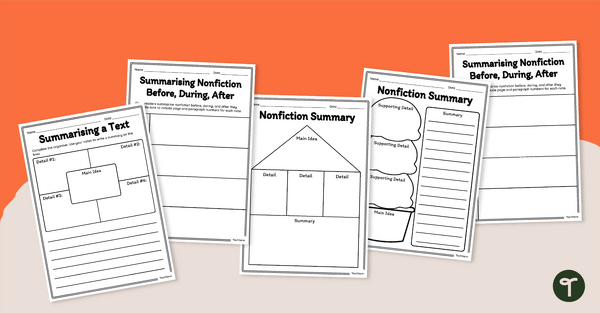
Summarising Nonfiction Graphic Organiser Pack
Help students summarise nonfiction texts with this set of graphic organisers.
- Plus Plan
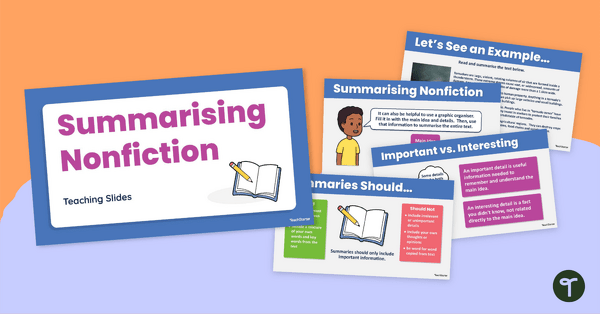
Summarising Nonfiction Teaching Slides
Build summarising skills with nonfiction texts using these teaching slides.
- Plus Plan
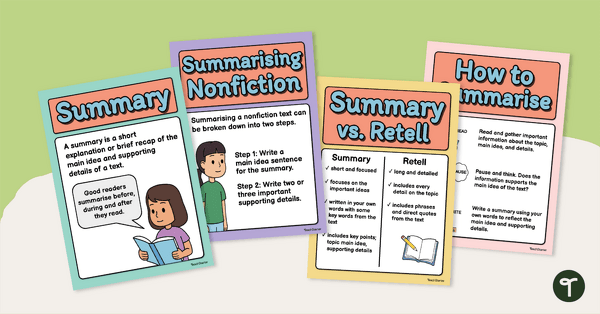
Summarising Poster Set
Learn about how to effectively summarise a piece of text with this classroom poster set.
- Plus Plan
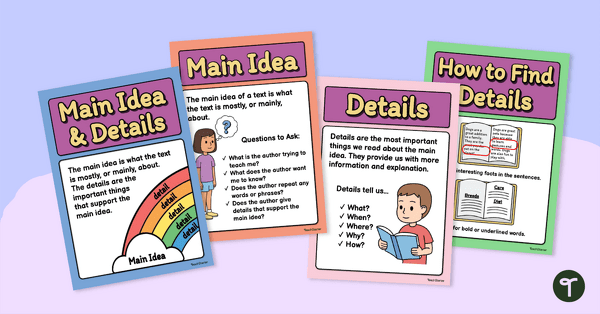
Main Idea and Supporting Details Posters
Display this set of posters to assist in the teaching and learning of the main idea and supporting detail while reading.
- Plus Plan
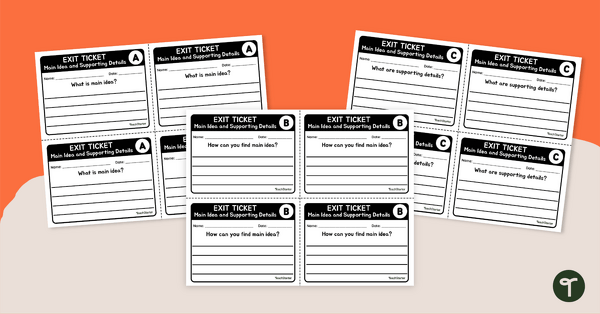
Main Idea Exit Tickets
Check for understanding of the main idea and supporting detail with these exit tickets.
- Plus Plan
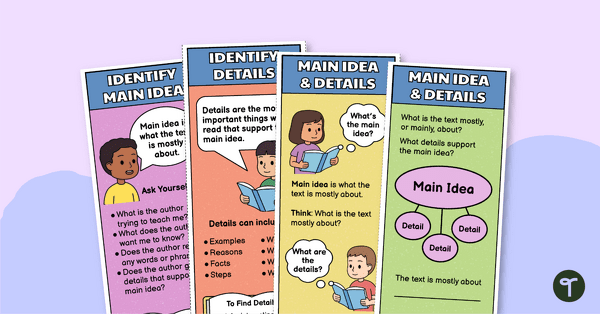
Main Idea and Supporting Details Bookmarks
Learn about how to find the main idea and supporting detail in texts with these printable bookmarks.
- Plus Plan
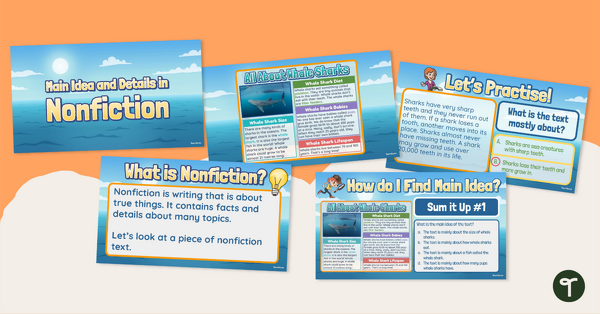
Main Idea and Details in Nonfiction Text - Teaching PowerPoint
Build skills in identifying the main idea and details in nonfiction texts with this teaching PowerPoint
- Plus Plan
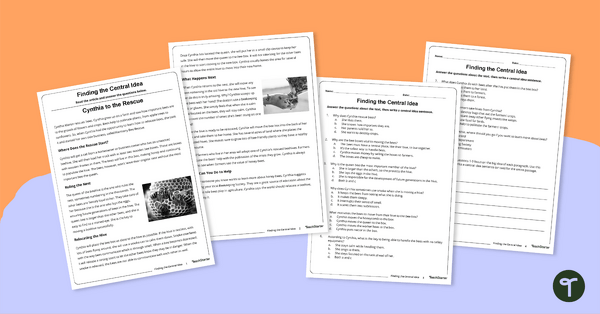
Finding the Central Idea Worksheet
Read a short article, answer 10 comprehension questions, and use the gathered knowledge to write a central idea sentence about the text.
- Plus Plan
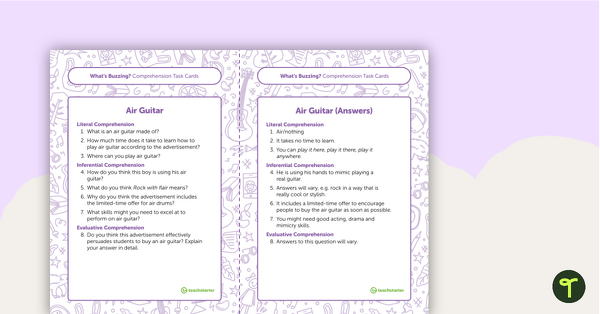
Year 4 Magazine - "What's Buzzing?" (Issue 1) Task Cards
A set of five literacy rotation task cards to be used in conjunction with Issue 1 of Teach Starter's Year 4 magazine.
- Plus Plan
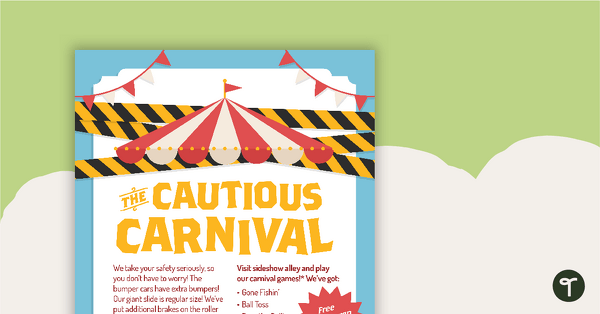
The Cautious Carnival – Worksheet
A comprehension worksheet for a fake advertisement from the Year 3 magazine (Issue 3).
- Plus Plan
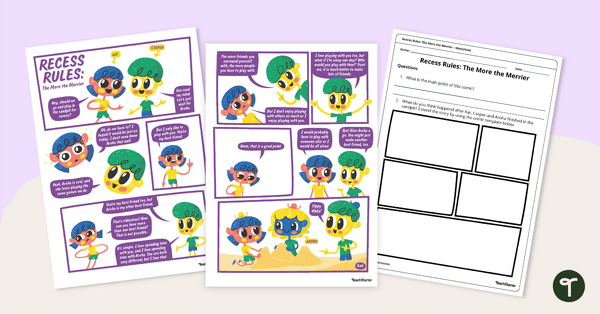
Recess Rules: The More the Merrier – Worksheet
A comprehension worksheet for a comic about the importance of making a variety of friendships.
- Plus Plan
Author's Purpose - Sorting Worksheet
A teaching resource to help teach your students the different reasons authors may write.
- Plus Plan
Story Sequencing - Template
A worksheet to use when teaching students how to sequence important events when reading.
- Plus Plan
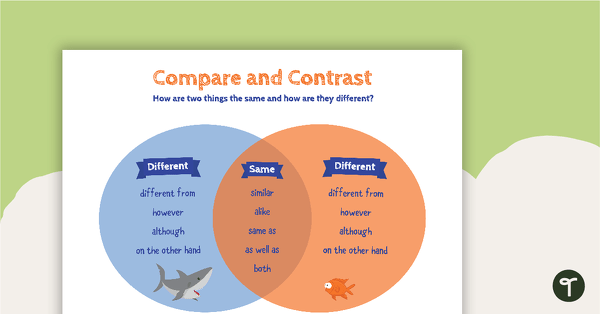
Compare and Contrast - Vocabulary Poster
A poster detailing vocabulary used when comparing and contrasting.
- Plus Plan
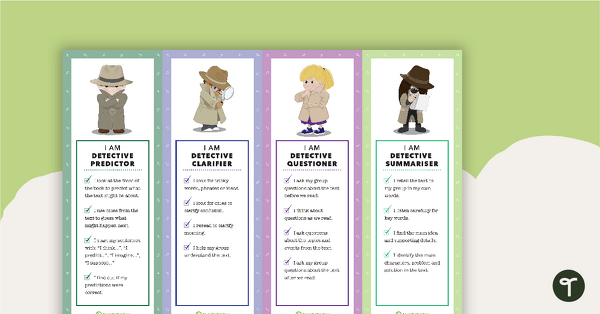
Reading Detectives Bookmarks
8 colourful reading detective bookmarks to use during guided reading sessions in the classroom.
- Plus Plan
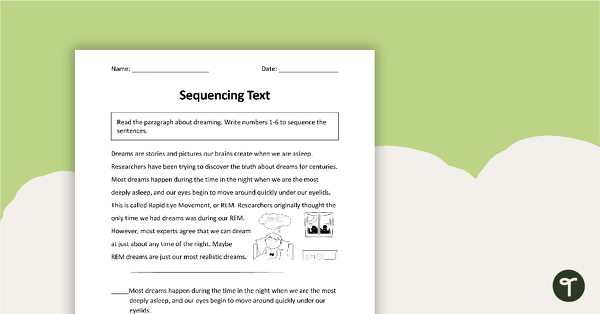
Sequencing Text - Worksheet
A worksheet to use when teaching students how to understand sequence when reading.
- Plus Plan
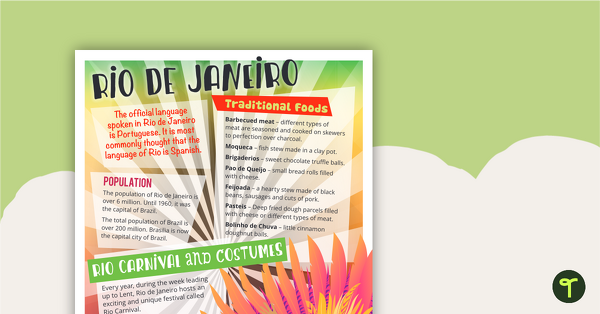
Rio de Janeiro - Comprehension Task
A comprehension task that encourages students to apply a range of comprehension skills when finding out interesting fun facts about Rio.
- Plus Plan
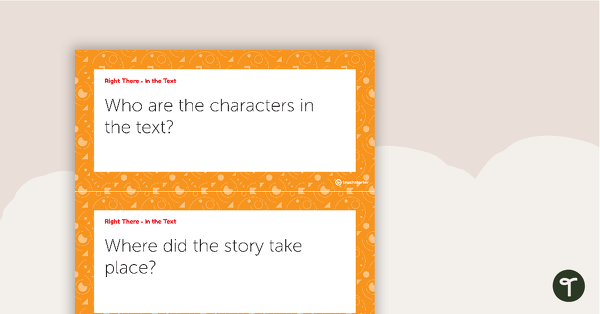
QAR Generic Question Cards
A set of 28 generic QAR question cards for students to use as a comprehension task after reading.
- Plus Plan
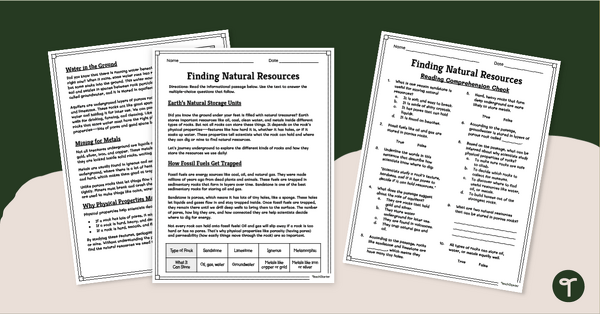
Earth’s Resources Worksheet - Natural Resources & Fossil Fuels (3-4)
Explore what's buried in rocks underground with a printable Earth’s Resources Worksheet for Year 3.
- Plus Plan
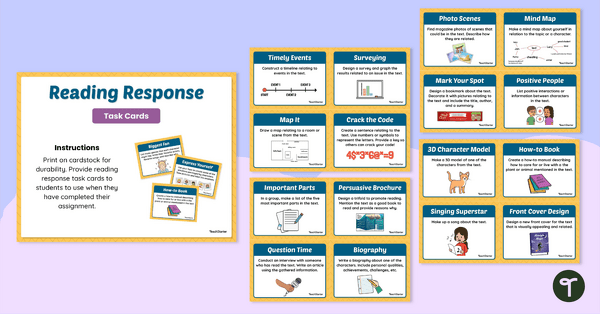
Reading Response Task Cards
Explore reading comprehension with your students using this set of reading response task cards.
- Plus Plan
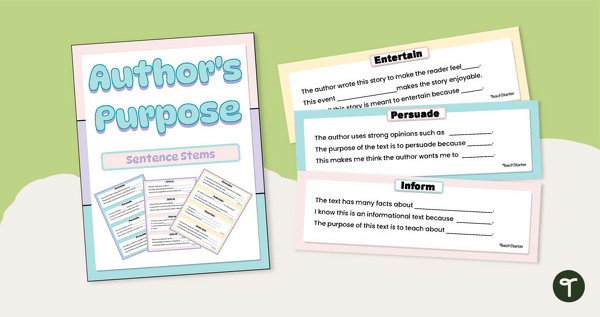
Author's Purpose Sentence Starter Flashcards
Assist students in identifying the author’s purpose with this set of Author’s Purpose Example Sentence Starter flashcards.
- Plus Plan
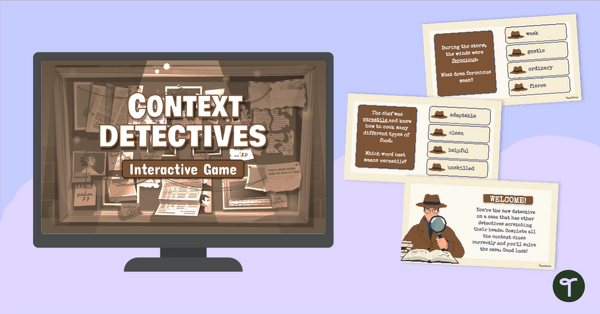
Word Detective - Interactive Context Clues Game
Play interactive Context Clues games to help your students practise determining the meaning of unknown words in context.
- Plus Plan
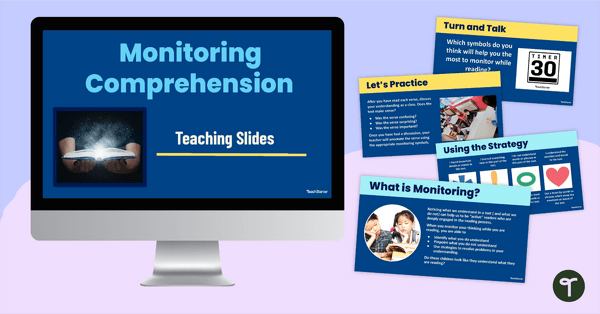
Comprehension Monitoring Strategies PowerPoint
Use this Comprehension Monitoring Strategies PowerPoint to guide students through the learning of self monitoring while reading.
- Plus Plan
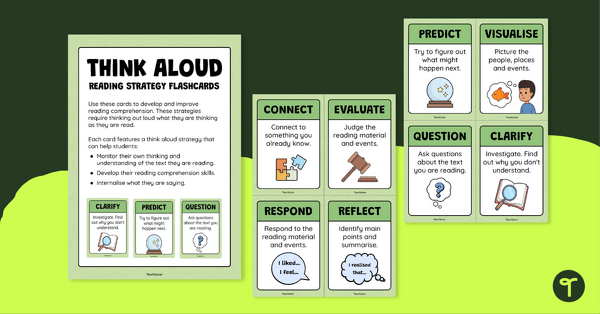
Think Aloud Reading Strategy Flashcards
Enhance reading comprehension with these Think Aloud Reading Strategy Flashcards.
- Plus Plan
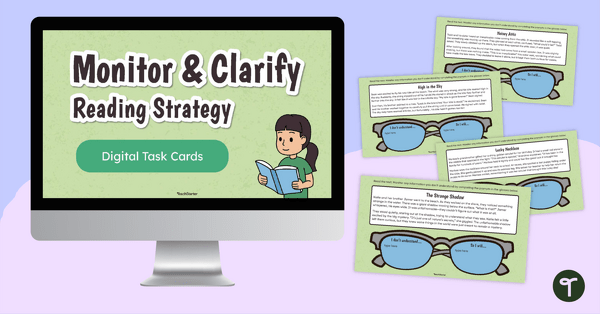
Monitor and Clarify Reading Strategy Digital Task Cards
Help students gain more practise in monitoring while reading using these Monitoring and Clarifying Reading Strategy Practise digital task cards.