VC2E4LY09
use comprehension strategies, such as visualising, predicting, connecting, summarising, monitoring and questioning, to expand topic knowledge and ideas, and begin to evaluate texts to build literal and inferred meanings
- making connections between information in print, images and sound
- reading or listening for key topic-specific vocabulary words to build understanding
- reading or listening to interpret the main idea and supporting ideas
- identifying evidence and reasoning used by authors to support points or arguments
- applying self-monitoring strategies such as re-reading, pausing and questioning, and self-correction strategies such as confirming and cross-checking
- connecting the use of colours, images, symbols and patterns in texts by Aboriginal and Torres Strait Islander authors and illustrators
- evaluating an author’s use of evidence to support arguments
- Plus Plan
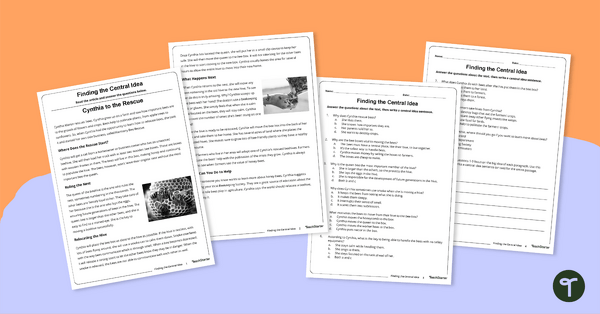
Finding the Central Idea Worksheet
Read a short article, answer 10 comprehension questions, and use the gathered knowledge to write a central idea sentence about the text.
- Plus Plan
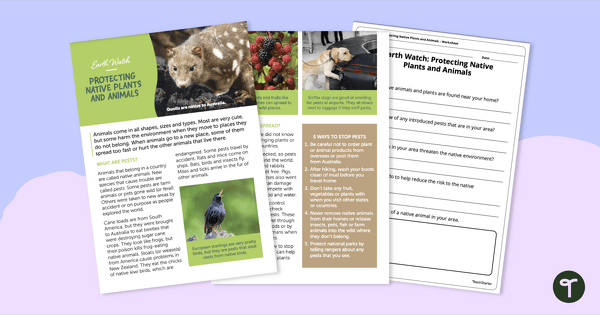
Earth Watch: Protecting Native Plants and Animals – Comprehension Worksheet
Build comprehension skills and learn about human impact on ecosystems with a reading passage and worksheets.
- Plus Plan
Frida's Fiesta: Open for Business - Inquiry Project
An inquiry project where students get the opportunity to design their own restaurant.
- Plus Plan
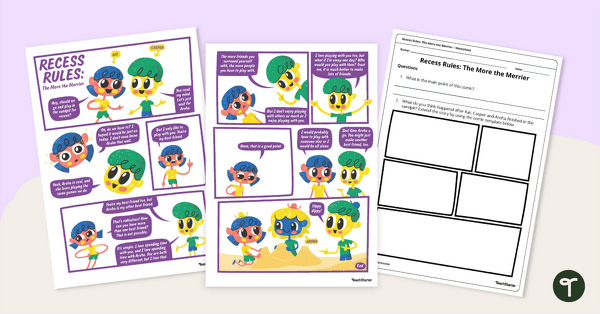
Recess Rules: The More the Merrier – Worksheet
A comprehension worksheet for a comic about the importance of making a variety of friendships.
- Plus Plan
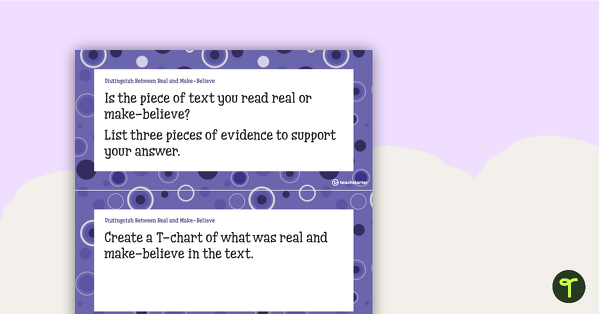
120 Comprehension Strategy Question Cards
A set of 120 open-ended question cards to help students apply comprehension strategies when reading.
- Plus Plan
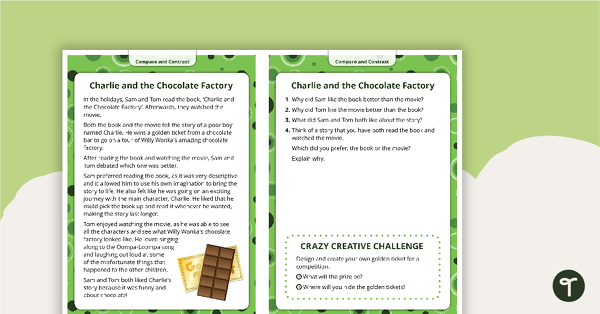
Compare and Contrast Reading Strategy Task Cards and Worksheets
Strengthen compare and contrast reading strategy skills with these engaging task cards that help students identify similarities and differences in the ideas in texts.
- Plus Plan
Making Connections to Text Teaching Slides
Teach the reading comprehension skill of making connections to text with this ready-to-use, age-appropriate teaching presentation for Year 3 and 4 students.
- Plus Plan
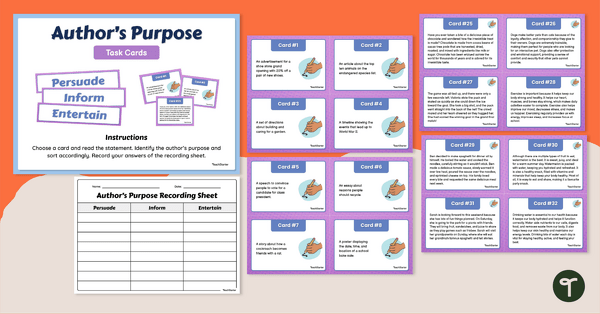
Author’s Purpose Sorting Activity
Use this author’s purpose sort to teach your students the difference between persuasive, informative and narrative writing.
- Plus Plan
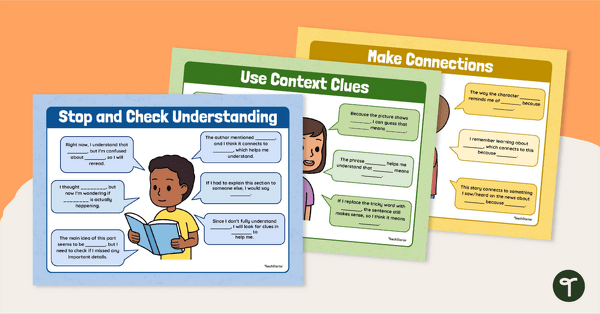
Monitoring Comprehension Anchor Charts
Display these Monitoring Comprehension Anchor Charts to help students with sentence starters and ways to monitor their comprehension while reading.
- Plus Plan
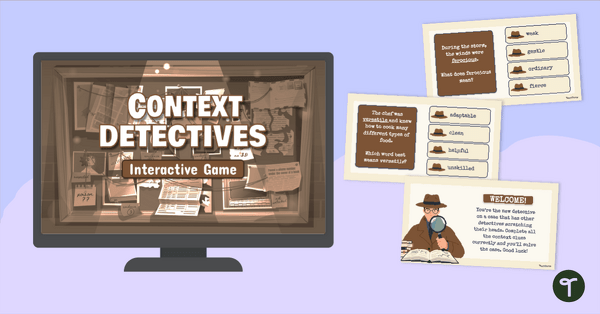
Word Detective - Interactive Context Clues Game
Play interactive Context Clues games to help your students practise determining the meaning of unknown words in context.
- Plus Plan
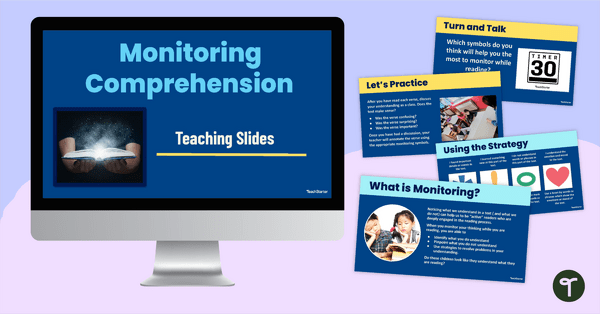
Comprehension Monitoring Strategies PowerPoint
Use this Comprehension Monitoring Strategies PowerPoint to guide students through the learning of self monitoring while reading.
- Plus Plan
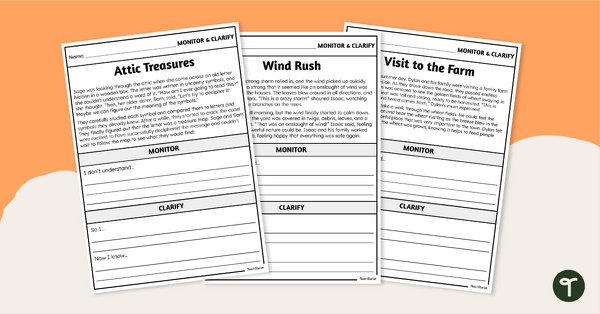
Monitor and Clarify Reading Strategy Worksheets
Help students monitor and clarify while reading using these Monitor and Clarify Reading Strategy Worksheets.
- Plus Plan
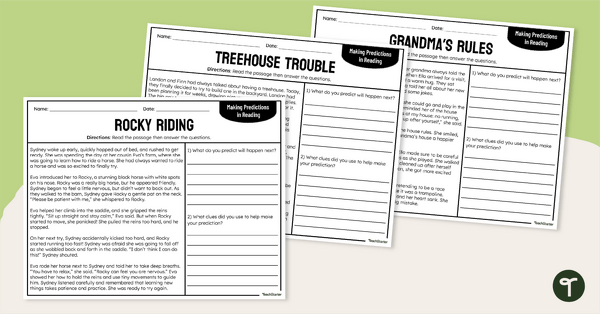
Making Predictions Reading Passages Worksheets
Use these making predictions reading passages to get your students making informed predictions before and after reading.
- Plus Plan
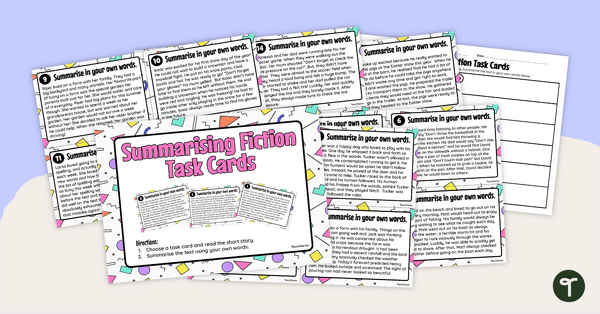
Summarising Fiction Task Cards
Guide students along their summarising journey with this set of Fiction texts on task cards for students to summarise.
- Plus Plan
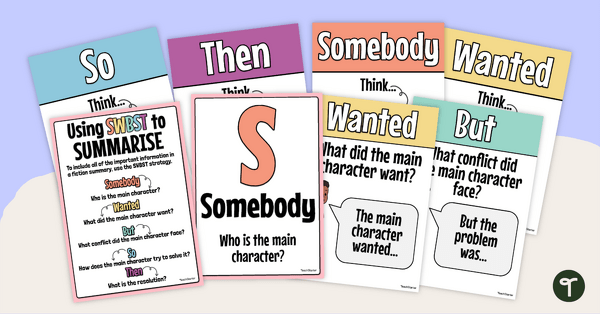
Summarising Fiction Poster Set
Help students remember what to include in a summary of a fiction text with this easy to use SWBST acronym.
- Plus Plan
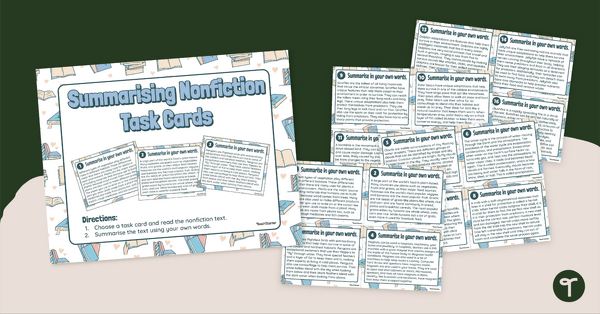
Summarising Nonfiction Task Cards
Guide students along their summarising journey with this set of Non-Fiction texts on task cards for students to summarise.
- Plus Plan
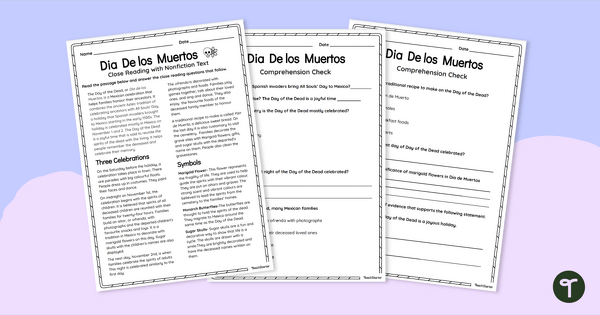
Year 4 Reading Comprehension - The Day of the Dead Reading Passage
Read and learn about the Mexican holiday, Dia De Los Muertos, with a reading passage and Year 4 reading prose comprehension test.
- Plus Plan
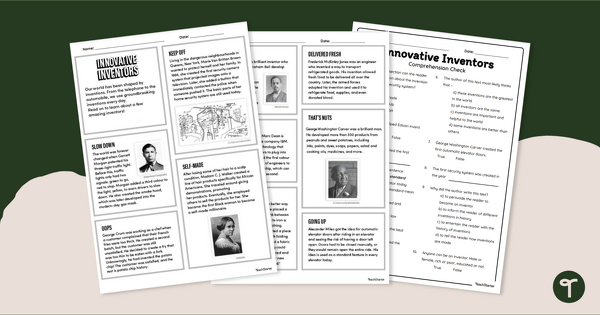
Innovative Inventors - Year 4 Reading Comprehension Worksheet
Meet famous inventors in history with this informational text and comprehension questions activity
- Plus Plan
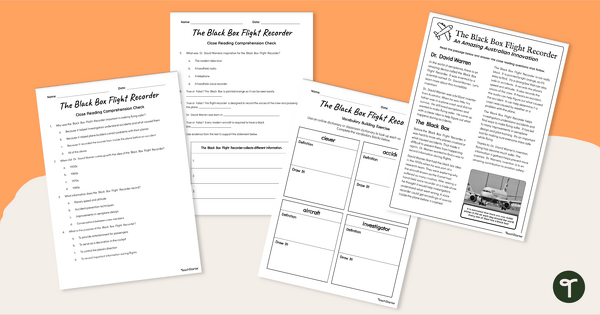
Australian Inventions — The Black Box Comprehension Worksheets
Discover amazing Australian inventions like the Black Box In-Flight data recorder with a printable reading comprehension activity.
- Plus Plan
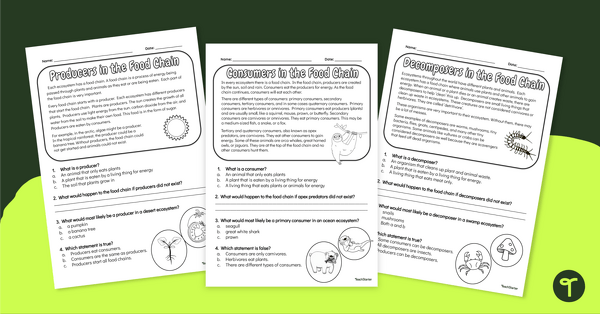
Producer, Consumer, Decomposer - Comprehension Worksheets
Explore the role of producers, consumers and decomposers within ecosystems with this comprehension task.
- Plus Plan
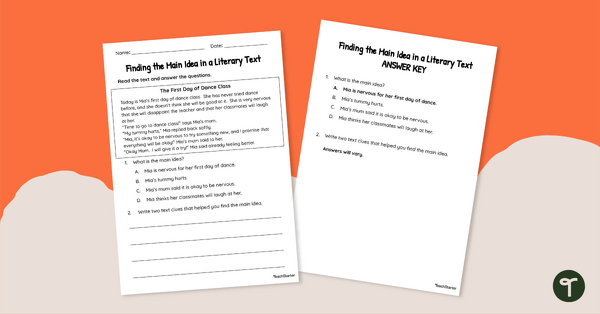
Main Idea in Fiction Worksheets
Use these main idea in fiction worksheets to help students confidently identify key ideas and supporting details in engaging, real-world texts.
- Plus Plan
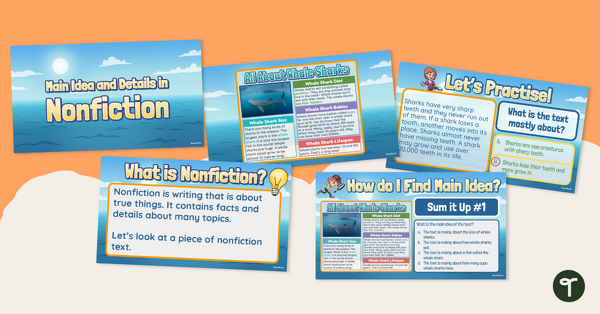
Main Idea and Details in Nonfiction Text - Teaching PowerPoint
Build skills in identifying the main idea and details in nonfiction texts with this teaching PowerPoint
- Plus Plan
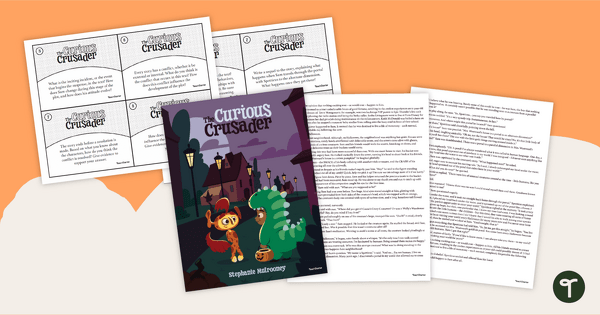
Halloween Reading Comprehension – Fiction Story and Task Cards
Practise reading comprehension skills with an exciting Halloween reading comprehension activity for Year 4 students.
- Plus Plan
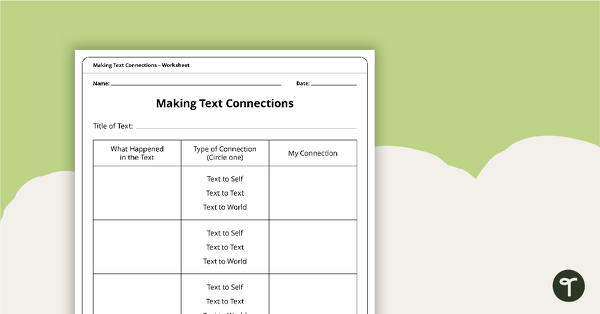
Making Text Connections Graphic Organiser
A graphic organiser to use with students when making connections with a text.
- Free Plan
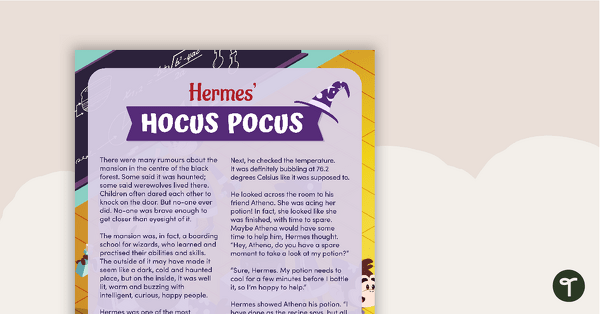
Hermes' Hocus Pocus – Comprehension Worksheet
A comprehension worksheet for a narrative from the Year 3 magazine (Issue 3).
- Plus Plan
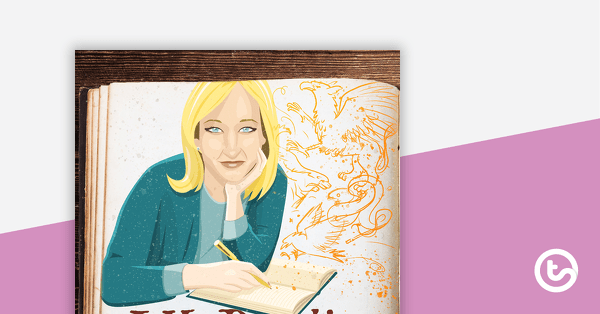
J. K. Rowling Biography and Worksheet
Download this J.K. Rowling biography and worksheet, designed to help students learn about the life, education and writing career of the world-famous author.
- Free Plan
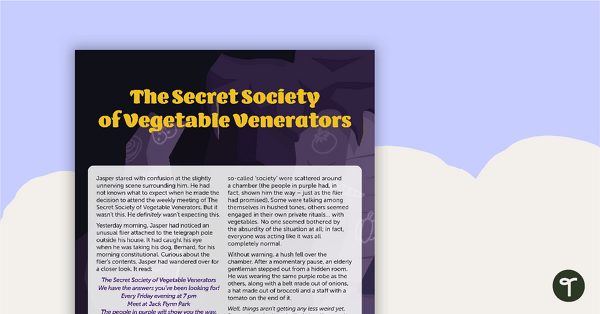
The Secret Society of Vegetable Venerators – Worksheet
A comprehension worksheet for a narrative from the Year 5 magazine (Issue 2).
- Plus Plan
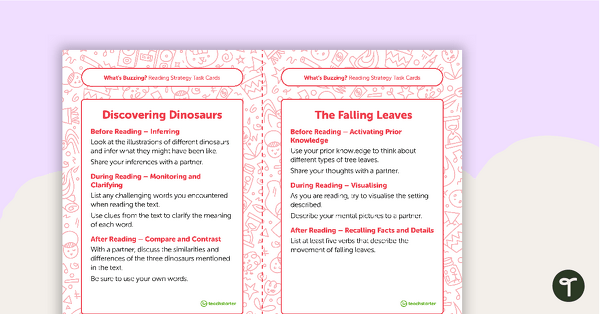
Year 4 Magazine – "What's Buzzing?" (Issue 3) Task Cards
A set of five literacy rotation task cards to be used in conjunction with Issue 3 of Teach Starter’s Year 4 magazine.
- Plus Plan
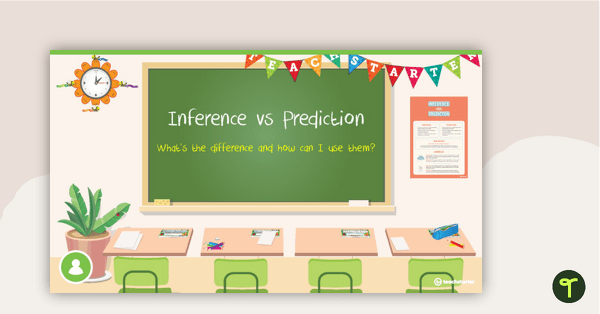
Inference vs Prediction Teaching Slides
Use this inference vs prediction teaching presentation to help your students tell the difference between these two essential reading comprehension strategies.
- Plus Plan
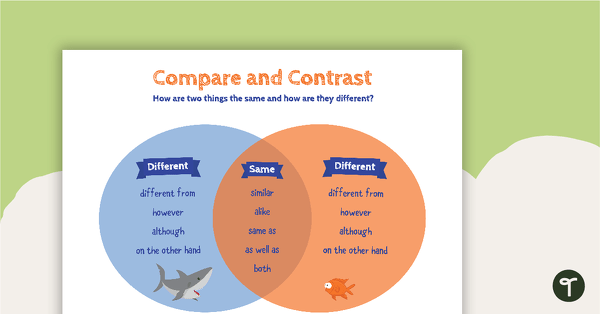
Compare and Contrast - Vocabulary Poster
A poster detailing vocabulary used when comparing and contrasting.
- Plus Plan
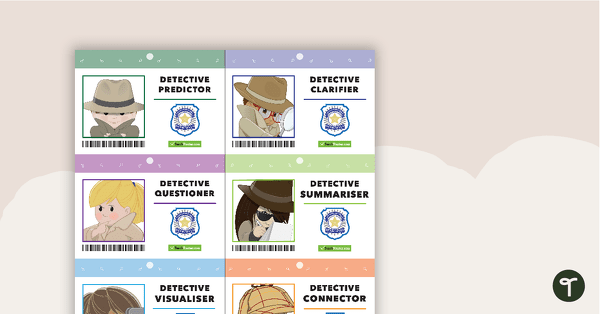
Reading Detectives Name Tags
8 colourful reading detective name tags to assign students during guided reading sessions.
- Free Plan
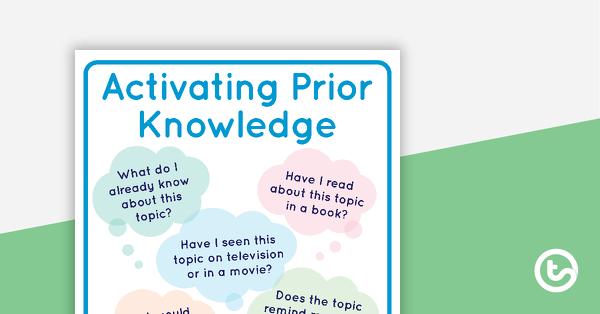
Activating Prior Knowledge - Comprehension Strategy Poster
A poster explaining how to activate prior knowledge before reading.