VC2S2U01
plants and animals have observable features that can be used to group them in different ways
- observing fruits and vegetables and identifying them as parts of plants such as roots, flowers, fruit and leaves
- grouping animals as vertebrates (animals that have backbones or spinal columns, such as amphibians, birds, fish, mammals and reptiles) or invertebrates (animals that have no backbones or bony skeletons inside them, such as insects, spiders, worms, snails, lobsters and jellyfish; some have outer shells while others have no hard parts in their bodies)
- recognising humans as animals, describing external features of humans, and exploring similarities to and differences with other animals
- using magnifying glasses or digital cameras to observe and identify external features of plants, including seeds, flowers, fruits and roots, or of animals, such as eyes, body coverings, legs and wings
- sorting collections of model animals and explaining different grouping strategies
- investigating how Aboriginal and/or Torres Strait Islander Peoples’ observations of external features have been represented in expressions of material culture from Deep Time to today, such as through rock art or cultural dances, for example in paintings of Genyornis newtoni, a megafaunal species that lived during the most recent Ice Age
- Plus Plan
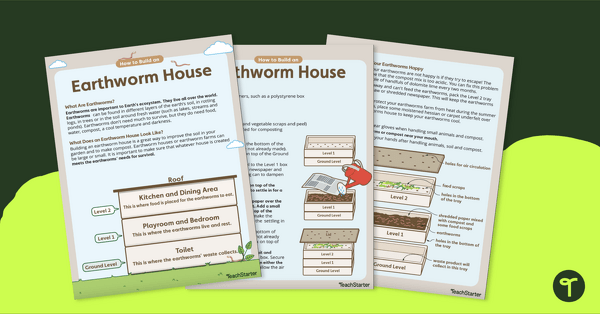
How to Build an Earthworm House Project
Learn to build an earthworm house with a comprehensive step-by-step guide.
- Plus Plan
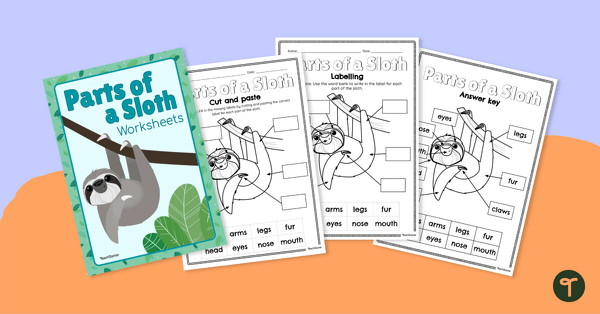
Parts of a Sloth Worksheet - Labelling Activity
Label and learn about the different parts of a sloth with this cut and paste worksheet
- Free Plan
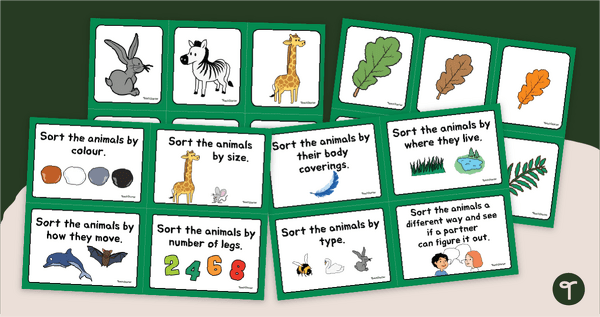
Grouping Plants and Animals – Sorting Activity (F-1)
Sort and group plants and animals based on a variety of characteristics with a Plants And Animals Sorting Activity Pack.
- Plus Plan

Living Things Need Water PowerPoint
An 10 slide editable PowerPoint template to use when teaching students why living things need water.
- Plus Plan
A House for Hermit Crab - Worksheet
A fun activity for students to explore why living things need shelter.
- Plus Plan
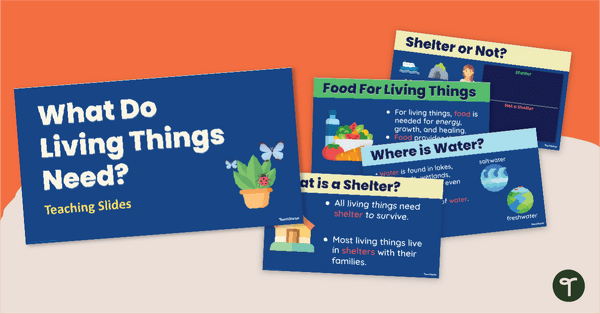
What Do Living Things Need to Survive? PowerPoint
Teach your students what living things need to survive with an engaging, interactive teaching slide deck.
- Plus Plan
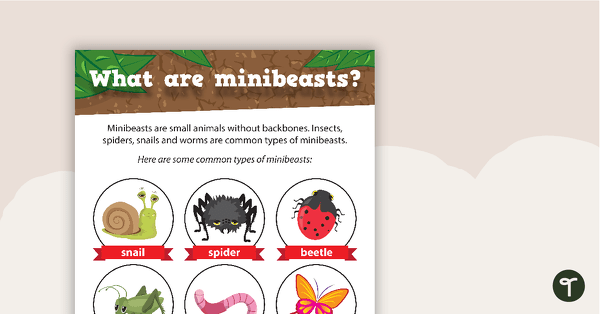
What are Minibeasts? - Poster
A poster to display in the classroom when learning about minibeasts.
- Plus Plan
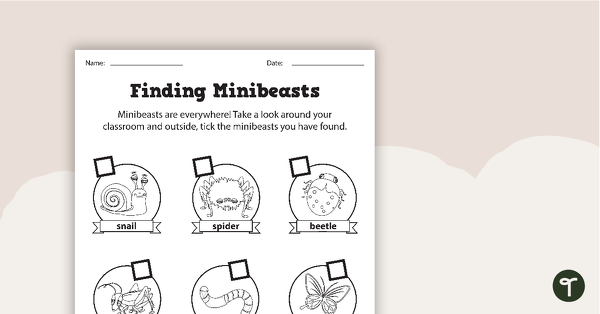
Finding Minibeasts - Outdoor Observation Activity
A fun investigation activity to use in the classroom when learning about minibeasts.
- Plus Plan
Minibeasts Weekly Lesson Pack
This extensive minibeast weekly lesson pack includes educational posters, classroom decorations, word wall templates, page templates and worksheets for you to mix and match with your class.
- Plus Plan
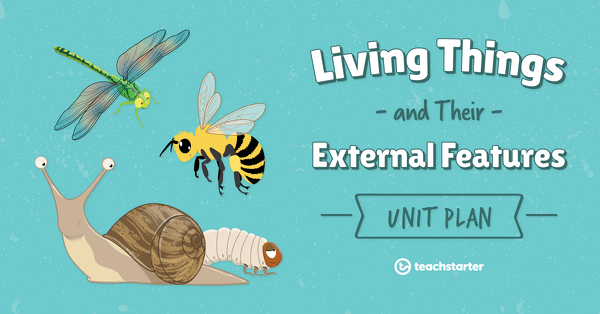
Living Things and Their External Features Unit Plan
This Biological Sciences unit covers a range of concepts relating to living things, such as their external features and the places in which their needs are met.
- Plus Plan
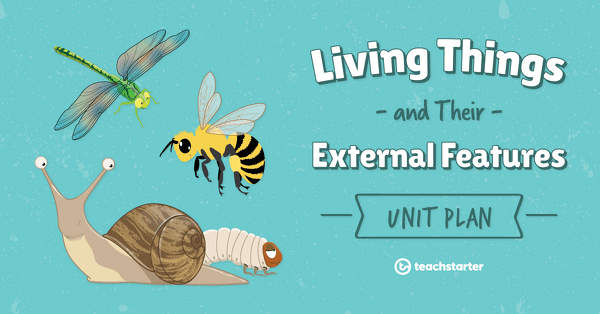
The Very Hungry Caterpillar
An assessment task in which students will demonstrate their knowledge and understanding of the external features of small animals.
- Plus Plan
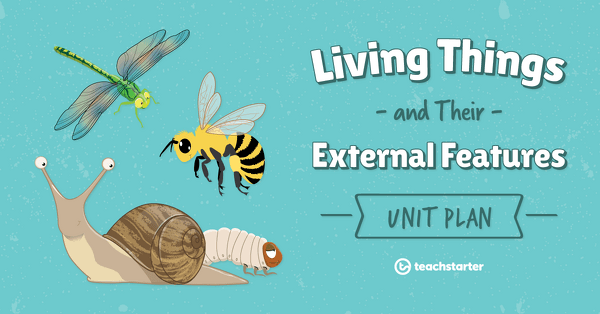
What is the Same and What is Different?
A 60 minute lesson in which students will compare the external features of small animals.
- Plus Plan
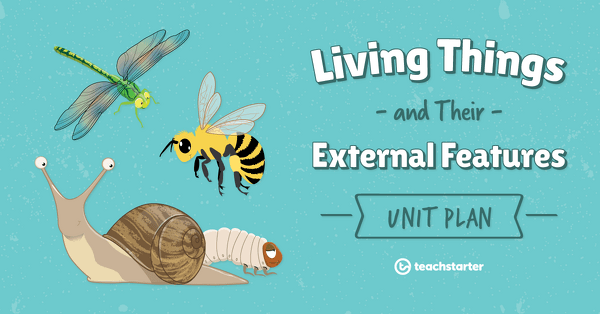
Astounding Ants
A 60 minute lesson in which students will identify the external features of an ant.
- Plus Plan
Amazing Tunnellers
A 60 minute lesson in which students will identify the external features of an earthworm.
- Plus Plan
What Did We Find On Our Playground Safari?
A 60 minute lesson in which students will represent and communicate observations and ideas in a variety of ways.
- Plus Plan
We're Going On a Playground Safari
A 60 minute lesson in which students will investigate the external features of small animals.
- Plus Plan
Asking Questions About Living Things
A 60 minute lesson in which students will identify that small animals have different external features.