Victorian Curriculum
VC2S4U02
plants and animals have different life cycles; offspring are similar, but not identical, to their parents
- observing and describing differences between metamorphic life cycles of animals, such as those of butterflies, beetles and frogs, and non-metamorphic life cycles of animals, including those of humans
- comparing the physical characteristics of an animal such as a frog or moth with its activity at different stages of its life cycle
- representing stages of a plant or animal’s life cycle using drawings, digital photographs, graphic organisers or physical three-dimensional models
- observing photographs of different animals and their offspring, for example purebred and crossbred dog litters
- investigating how Aboriginal and/or Torres Strait Islander Peoples understand the life cycles of certain species, and use that knowledge, for example Aboriginal Peoples’ use of grass trees at various stages of the plant’s life cycle in ways that support and sustain the growth of the trees and ensures that the plant continues to yield resources such as using the young, soft leaves for food; the older leaves for meat-cutting tools and roofing material; the butt of the tree to construct educational toys called kamma; the dried stem as drill sticks for starting fires; and resin from the tree for waterproofing and as an adhesive
Show more
4 of 68
teaching resources for those 'aha' moments
- Plus Plan
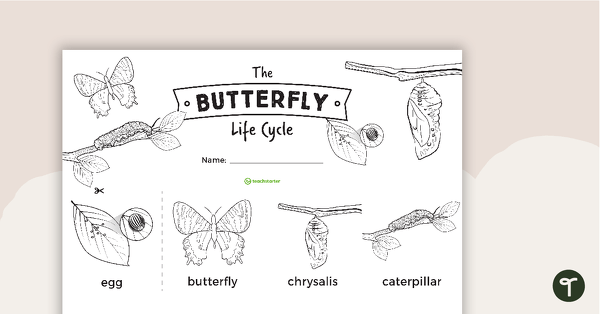
Printable Butterfly Life Cycle Booklet - Cut & Paste
Sequence a butterfly's life cycle with a printable Butterfly Life Cycle Booklet for kids.
- Plus Plan
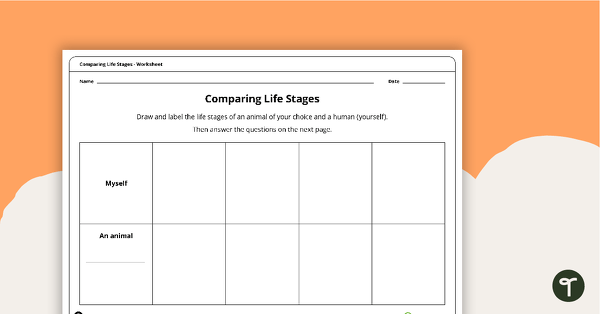
Comparing Life Stages Worksheet
An open-ended task for students to demonstrate their understanding of how animals grow and change.
- Plus Plan
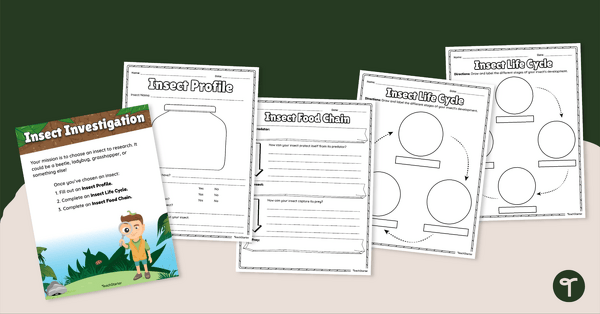
Insect Research Project
Explore insect life cycles and food chains with this research task.
- Plus Plan
Minibeasts Weekly Lesson Pack
This extensive minibeast weekly lesson pack includes educational posters, classroom decorations, word wall templates, page templates and worksheets for you to mix and match with your class.