VC2S4I03
observations, including formal measurements, can be made and recorded by following procedures to use familiar scaled instruments and digital tools as appropriate
- using appropriate equipment to make and record observations, for example using digital cameras and audio- or video-recording devices to document the life cycle of a living thing or to compare observations of local water sources at different times of the day or on different days
- using familiar scaled instruments with appropriate increments such as thermometers and measuring cups to make readings of ice or water in insulated containers
- rounding up or down when reading scaled instruments
- collaboratively designing a table to record observations in the form of numerical data, written descriptions, drawings or photographs
- Plus Plan
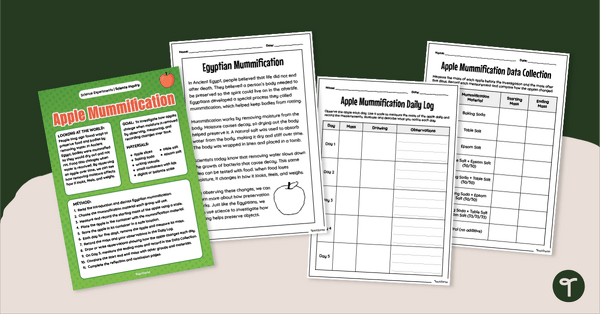
Apple Mummification Experiment
Explore and observe physical changes to materials with an engaging Apple Mummification Experiment.
- Plus Plan
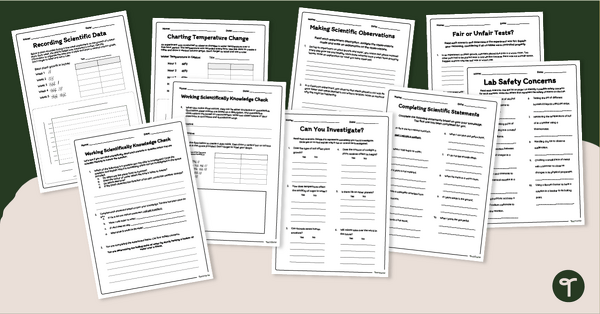
Working Scientifically - Skills for Science Inquiry Worksheet Pack
Improve your students' skills for science class with printable Scientific Inquiry Skills Worksheets.
- Plus Plan
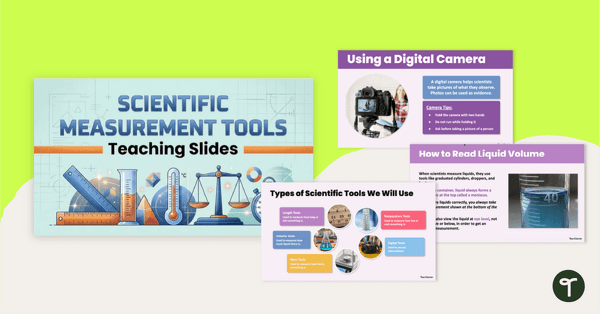
Scientific Measurement PowerPoint - Using Science Tools
Explore and use a variety of scientific measurement tools with an interactive Scientific Measurement PowerPoint.
- Plus Plan
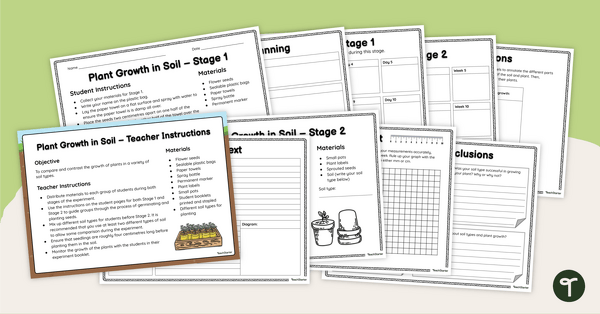
Plant Growth in Soils – Science Experiment
Explore how plants grow in different types of soil with this science experiment perfect for primary school science lessons.
- Plus Plan
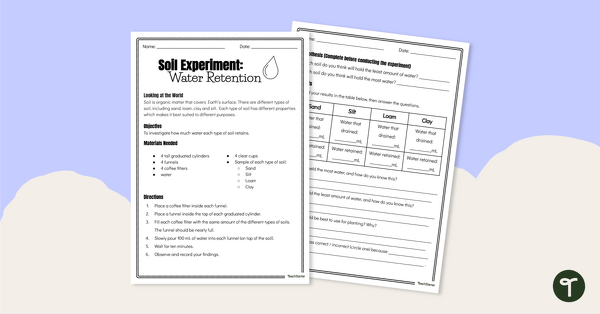
Water Retention in Soil Experiment
Explore the water retention capabilities of sand, silt, loam and clay with this soil experiment for kids.
- Plus Plan
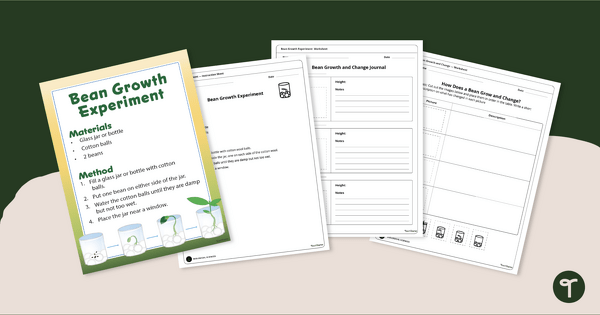
Lima Bean Experiment
“Grow” your students’ knowledge of plant life cycles with a plant growth experiment.
- Plus Plan
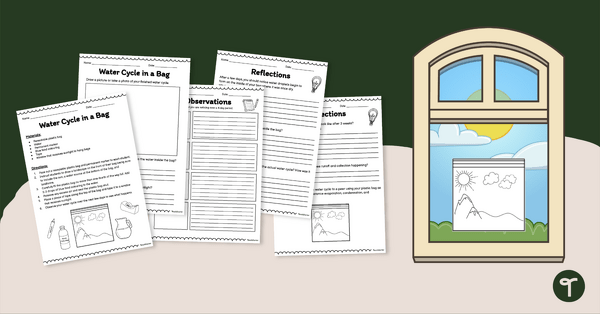
Water Cycle in a Bag – Investigation Activity
Create a water cycle in a bag, make observations, and answer discussion questions with this printable science activity.
- Plus Plan
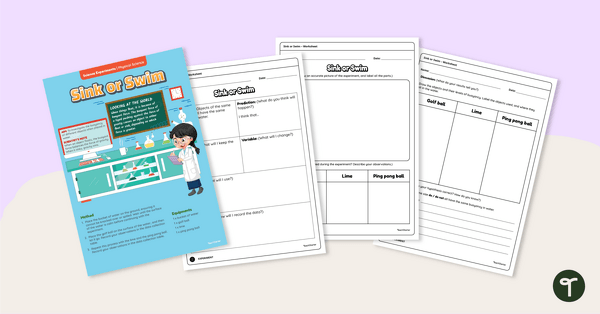
Buoyancy Experiment – Sink or Swim
Use this practical float or sink science experiment when teaching your students about why some objects float in water while others sink.
- Free Plan
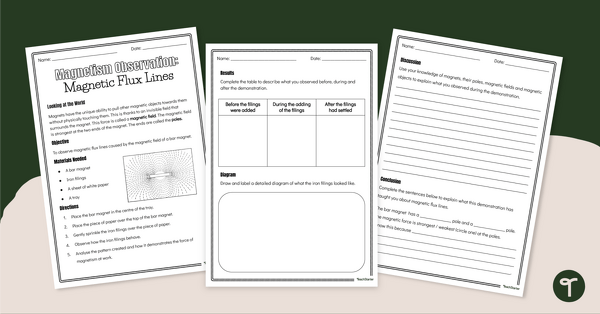
Magnet Experiment – Magnetic Flux Lines
Use this engaging magnet experiment when teaching your students about magnetic fields and their effect on magnetic objects.
- Plus Plan
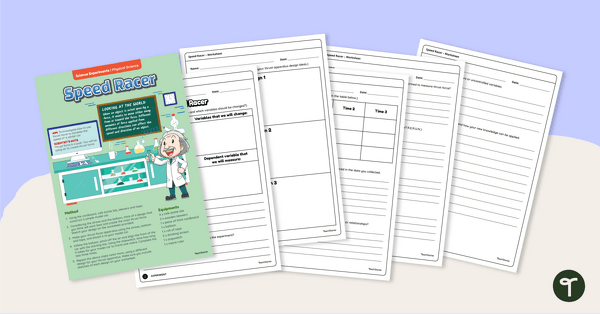
Balloon Car Experiment – Speed Racer
Use this hands-on balloon car experiment when teaching your Year 4 students about thrust force and its effect on the speed of objects.