Victorian Curriculum
VC2S6H02
scientific knowledge, skills and data can be used by individuals and communities to identify problems, consider responses and make decisions
- examining how communities use knowledge of erosion processes to design landscape features that reduce erosion in fragile environments
- examining how knowledge of erosion is used by park rangers to design rules such as keeping to paths and not climbing sandstone, as well as built features such as channel drains on paths, railings and barriers to protect park environments and Aboriginal and/or Torres Strait Islander Peoples’ cultural sites
- researching the impacts of light pollution and exploring how communities have used scientific knowledge to reduce light pollution, such as by using covered light bulbs facing downwards in streetlights, automated systems to turn off streetlights, and motion sensors on outdoor lights in homes and in public places
- investigating how people use knowledge of conditions that reduce mould or bacterial growth when considering food packaging and storage
- investigating why underground power cables were developed and how local government authorities use scientific knowledge about power safety when considering converting to underground power
- exploring how communities consider the impact of reversible reactions when designing guidelines about the ability of materials to be recycled
Show more
4 of 36
teaching resources for those 'aha' moments
- Plus Plan
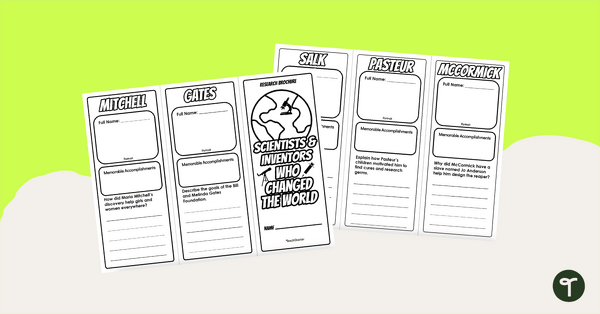
Scientists and Inventors Who Changed the World Brochure
Introduce your students to the groundbreaking work of five famous scientists and inventors with a no-prep brochure project.
- Plus Plan
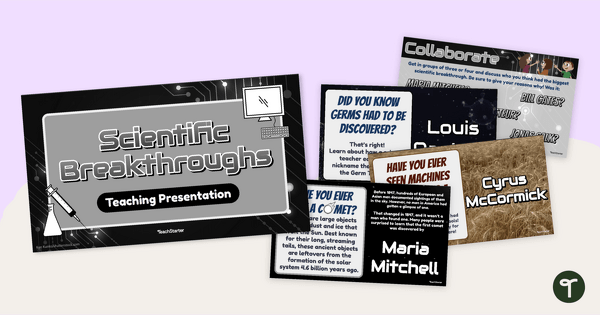
Famous Scientists and Inventors - Teaching Slide Deck
Introduce your students to the groundbreaking innovations of five famous scientists and inventors with an interactive and animated teaching slide deck.
- Plus Plan
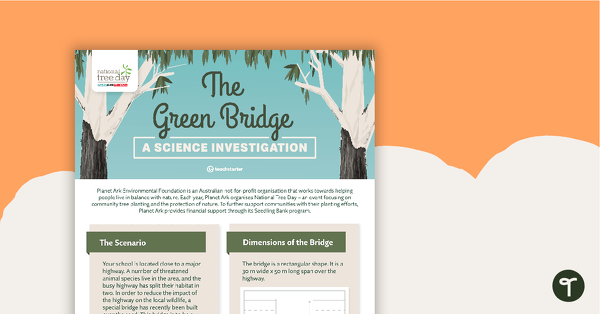
National Tree Day – The Green Bridge – A Science Investigation
A science investigation embedded in a real-world context, where students design a habitat to meet the needs of specific animals.
- Plus Plan
Facts of the Matter
This Chemical Sciences unit explores the concept that solids, liquids and gases have different observable properties and behave in different ways.