VC2S6U01
habitats can be described by their physical conditions; changing the physical conditions of a habitat, including by human activity, may affect the growth and survival of organisms
- identifying the physical conditions in an aquatic or terrestrial habitat and how they change over time
- investigating how changes to physical conditions such as salinity, soil type, sunlight and temperature affect plant growth
- examining how changes in physical conditions such as temperature, light availability and rainfall affect animals such as corals, honey bees and flying foxes, and predict impacts of these changes
- investigating Aboriginal and/or Torres Strait Islander Peoples’ knowledges and understandings of the physical conditions necessary for the survival of certain plants and animals, for example researching the collaborative work of the Aboriginal Peoples of the Murray–Darling Basin wetlands with government and scientific groups to restore the wetlands through water research, planning and management, including reintroducing salt-tolerant native flora to improve ecosystem health and biodiversity
- investigating changes in physical conditions that are the result of human activity, and exploring the impact of these on organisms, such as the impact of urban lighting on nocturnal and migratory animals
- investigating the effect of physical conditions on the growth of bread-mould colonies in sealed plastic bags
- recognising that environmental conditions can affect stages of life, such as ponds drying up, seeds requiring water to germinate, and temperatures being too high or low for eggs to hatch
- Plus Plan
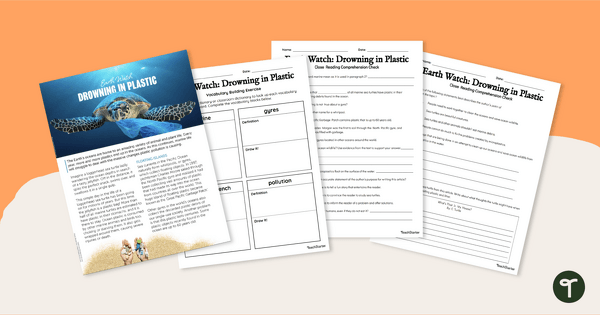
Drowning in Plastic – Reading Comprehension Worksheet
Teach your students facts about ocean pollution with this comprehensive article with accompanying comprehension activities.
- Plus Plan
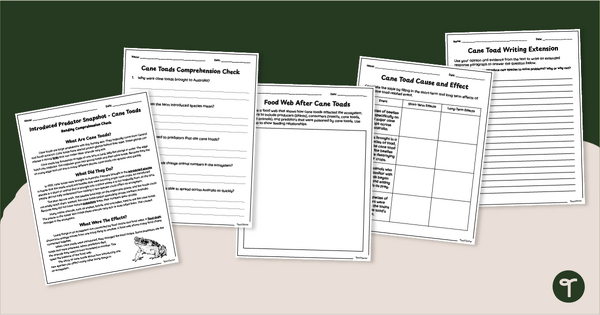
Cane Toads - Invasive Species Worksheet Pack
Explore the effects of introduced predators with our printable Cane Toads - Invasive Species Worksheet Pack.
- Plus Plan
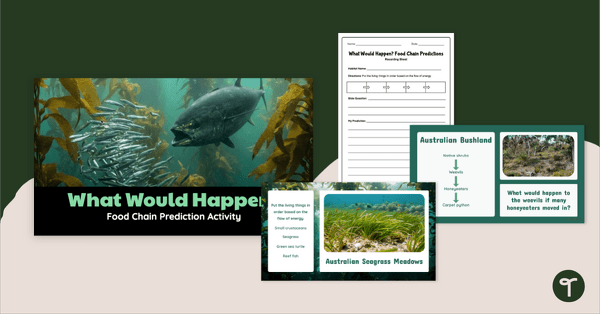
What Would Happen? Food Chain Prediction Activity
Explore how changes in the environment can affect food chains with an interactive Food Chain Prediction Activity.
- Plus Plan
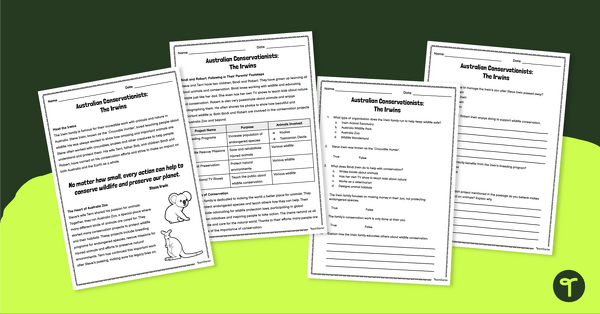
Australian Conservationists: The Irwins – Comprehension Worksheet
Learn about the Irwin family and their conservation work with this 2-page reading passage and accompanying comprehension questions.
- Plus Plan
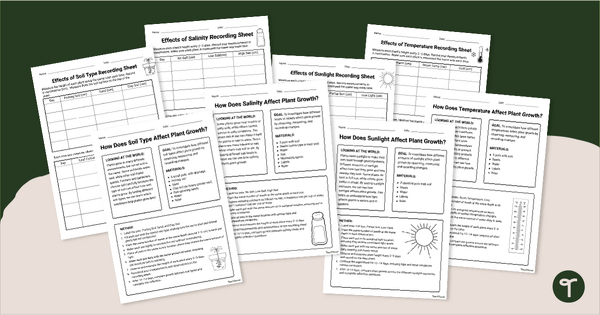
Environmental Impact Experiment Pack
Observe the effects of soil, salinity, sunlight, and temperature on the growth of plants with an engaging Environmental Impact Experiment.
- Plus Plan
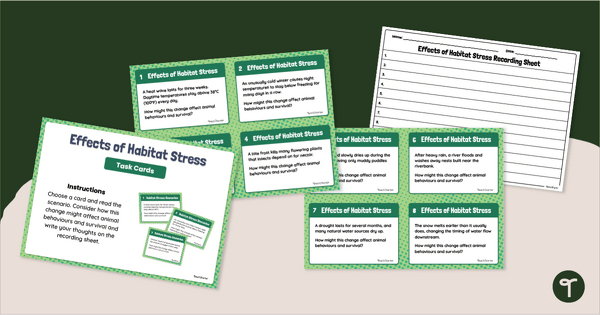
Effects of Habitat Stress Activity Cards
Explore how environmental stress affects plants and animals with our Effects of Habitat Stress Activity Cards.
- Plus Plan
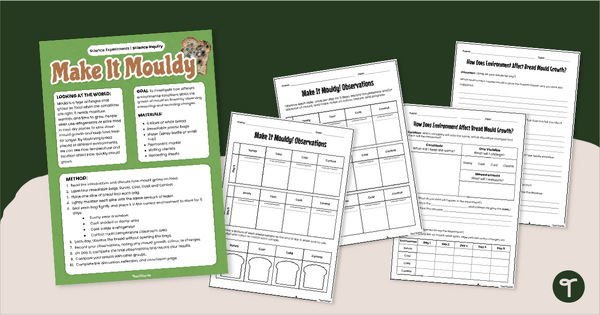
Bread Mould Experiment (4-6)
Observe how the environment causes changes in mould growth with an engaging Bread Mould Experiment.
- Plus Plan
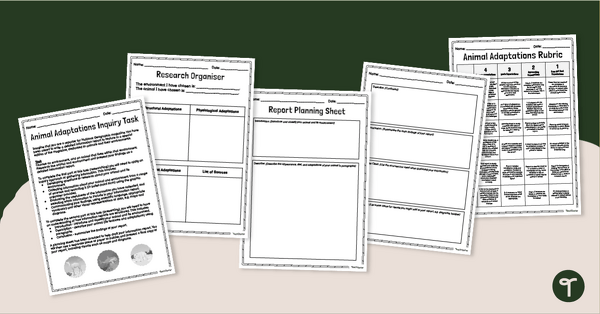
Animals That Adapt - Research Project & Report
Strengthen your students' understanding of conducting research with an Animal Adaptations research project.
- Plus Plan
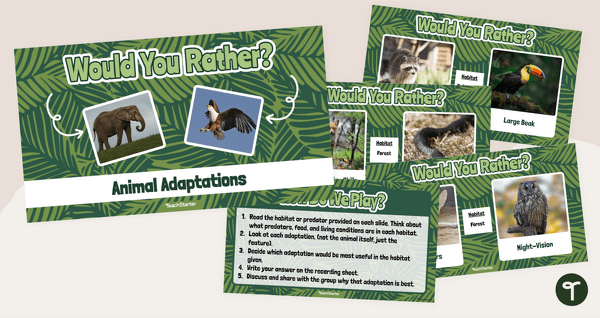
Would You Rather? Animal Adaptations Game
Discuss and debate the best animal adaptations with the Would You Rather? Animal Adaptation game.
- Plus Plan
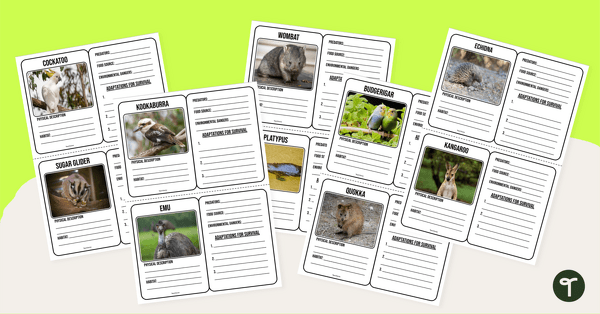
Australian Animal Adaptations Trading Cards – Forest Biome
Discover the adaptations of animals in the forests and woodlands of Australia with printable animal trading card templates.
- Plus Plan
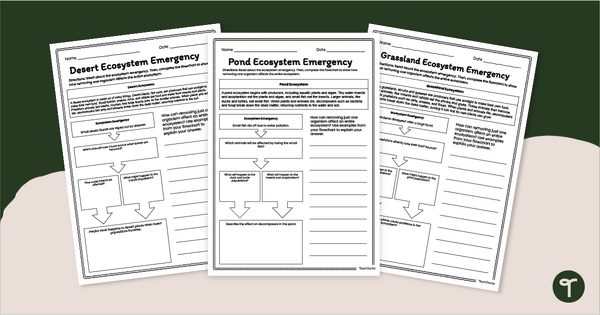
Investigating Food Chain Disruptions Worksheet Pack
Explore what happens when a food source is removed from an ecosystem with our Investigating Food Chain Disruptions Worksheet Pack.
- Plus Plan
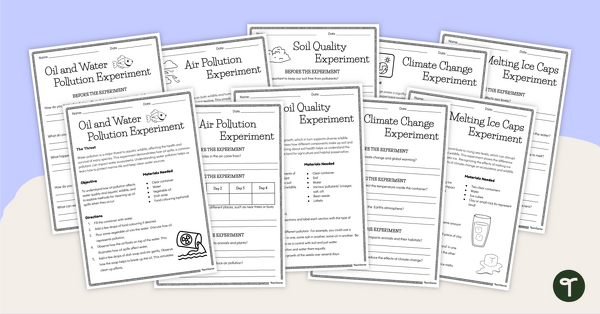
Environmental Impact Science Experiments
Use these simple science experiments to teach your students about environmental issues such as oil and water pollution, soil quality and climate change.
- Plus Plan
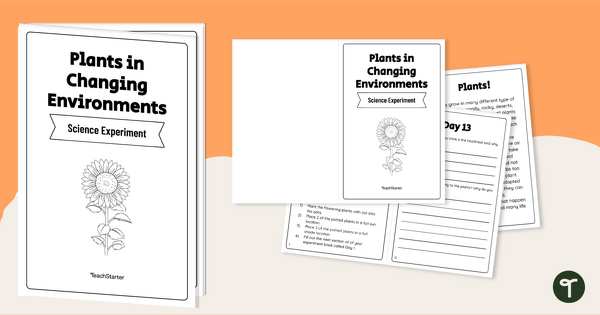
How Does the Environment Affect Plants? Science Experiment
Investigate the effects of the environment on plant life with a no-cut printable science experiment mini-book.
- Plus Plan
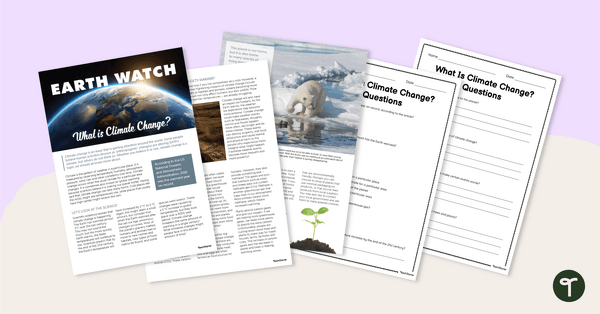
What Is Climate Change? Worksheet Pack
Teach your students about the perils of climate change with this comprehensive article with accompanying comprehension questions.
- Plus Plan
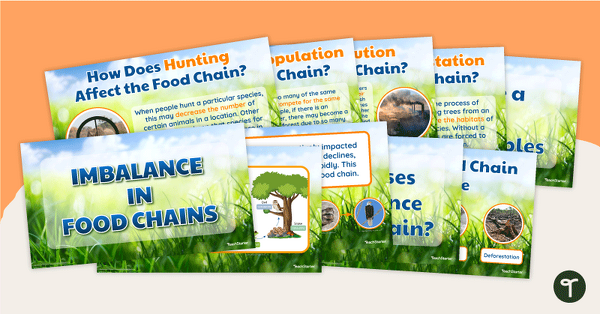
Imbalance in Food Chains – Teaching Presentation
Explore how different factors can cause a break in a food chain and may affect an ecosystem with this 16-slide teaching presentation.
- Plus Plan
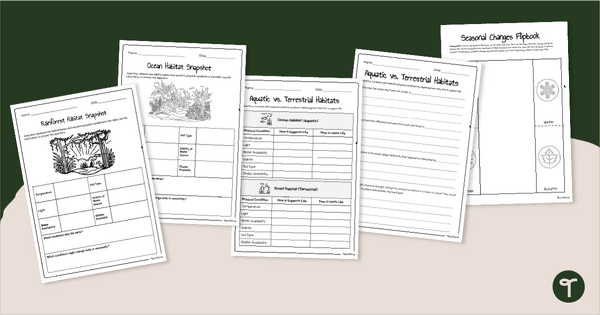
Changing Conditions in Habitats Worksheet Pack
Explore and discover how changing conditions shape life in different habitats with our Changing Conditions in Habitats worksheet pack.
- Plus Plan
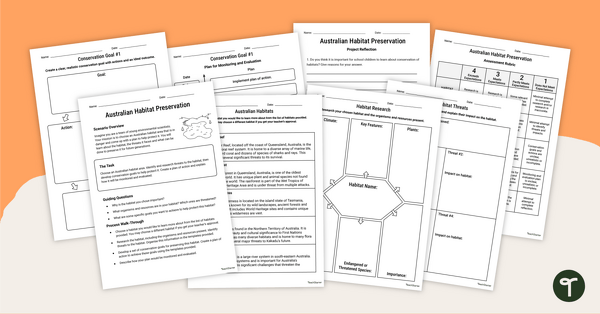
Australian Habitat Preservation Project
Use this habitat preservation project to teach your students about how to help conserve a threatened Australian environment for future generations.
- Plus Plan
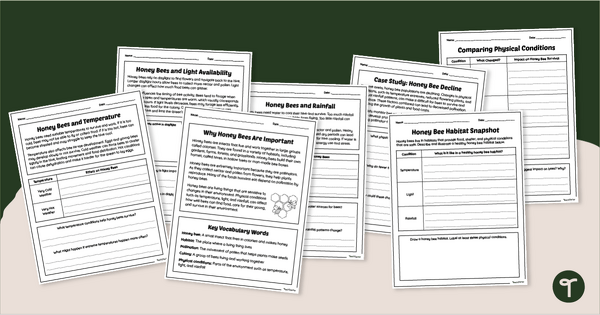
Honeybees vs. Environmental Change Worksheets
Explore the effects of environmental change on honeybee populations with a set of printable Environmental Changes Worksheets.
- Plus Plan
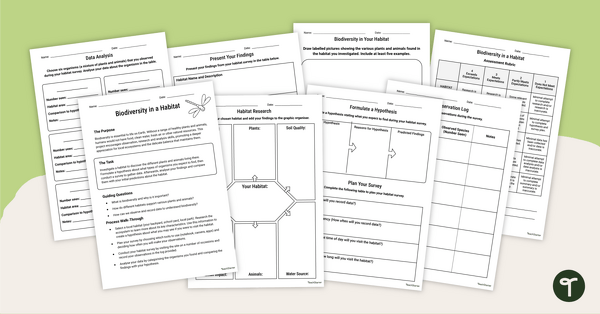
Biodiversity in a Habitat – Inquiry-Based Project
Use this biodiversity project to teach your students about the importance of species survival to life on Earth.
- Plus Plan
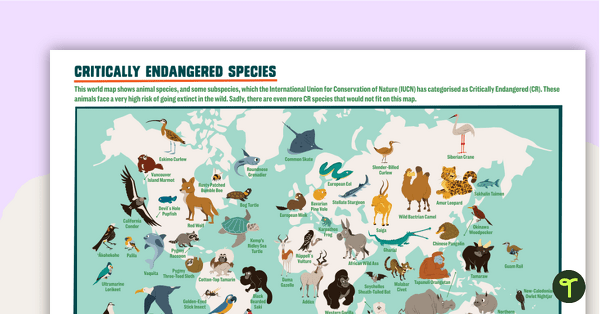
Critically Endangered Animals Chart - World Map Poster
Use this endangered species world map when exploring animals that have been placed on the Critically Endangered list.
- Plus Plan
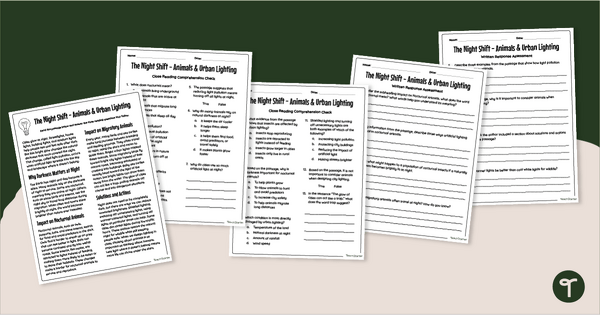
The Effects of Urban Lighting Worksheet Pack
Read and learn about the impact of light pollution with our Effects of Urban Lighting Worksheet Pack.
- Plus Plan
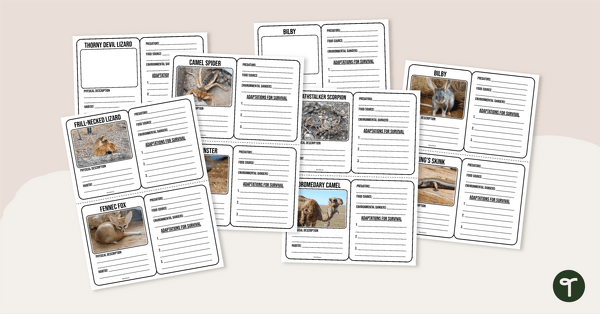
Desert Animal Adaptations - Trading Card Templates
Discover amazing desert animals’ adaptations and display your learning with printable animal trading card templates.
- Plus Plan
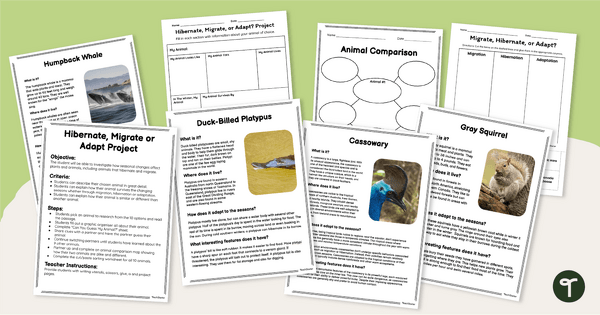
Adapting, Migrating, & Hibernating Animals Research Project
Research and report on animals that hibernate, migrate, and adapt with an animal adaptations project.
- Free Plan
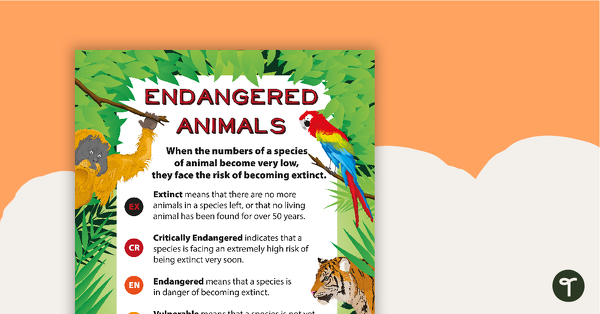
Endangered Animals Classification Poster
Explore endangered animal classifications with this informative classroom poster.
- Plus Plan
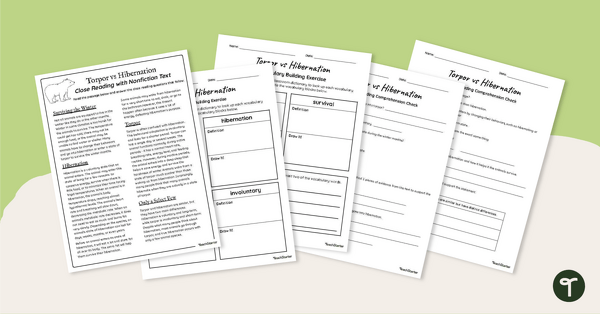
Torpor vs Hibernation - Reading Worksheets
Help your students learn the difference between torpor and hibernation with a printable pack of reading comprehension worksheets.
- Free Plan
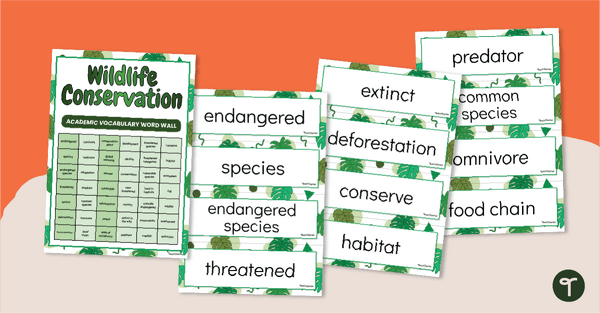
Wildlife Conservation Vocabulary Words
Build academic vocabulary with a printable Wildlife Conservation Vocabulary word wall.
- Plus Plan
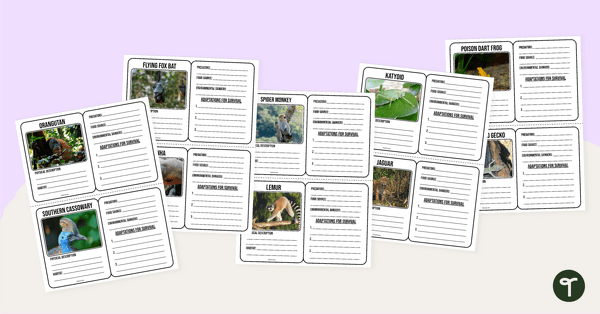
Rainforest Animal Printables — Adaptation Trading Cards
Discover rainforest animal adaptations and display your learning with miniature rainforest animal report templates.
- Plus Plan
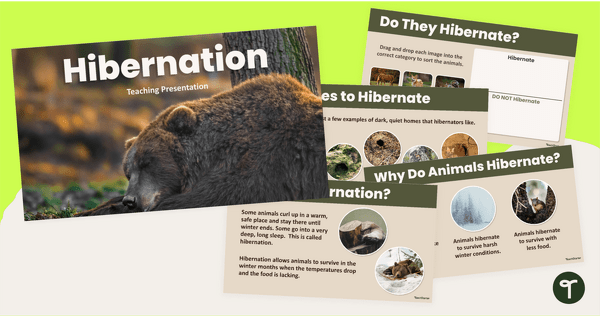
What Animals Hibernate? Instructional Teaching Slides
Discover which animals hibernate and how they survive the winter with an interactive teaching slide deck.
- Plus Plan
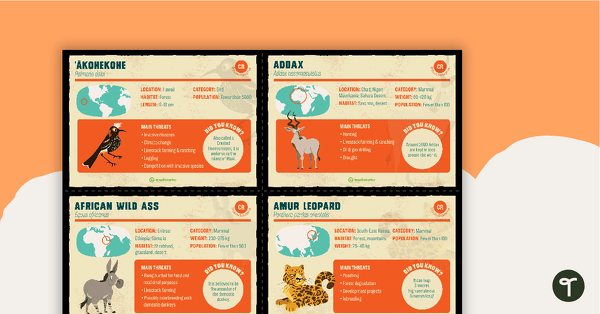
Animal Profile Cards - Endangered Species Facts
Discover loads of Endangered Species facts with our printable Endangered Animal Profile Cards.
- Plus Plan
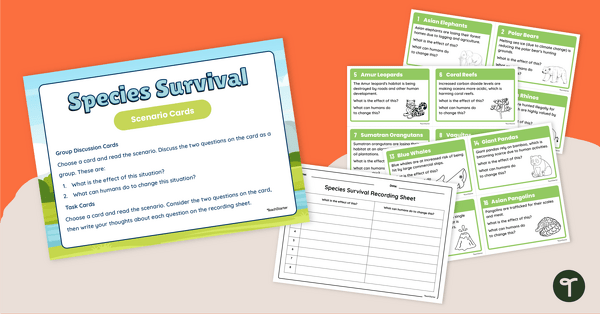
Species Survival Prediction Task Cards
Explore how to save endangered species with this set of 16 species survival scenario cards.
- Plus Plan
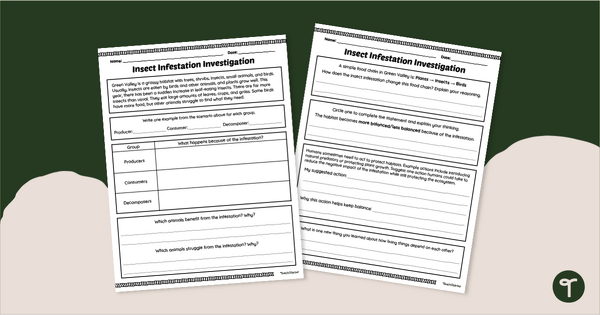
Insect Infestation! Habitat Impact Worksheet
Explore the effects of rapid insect population growth in ecosystems with our Insect Infestation Habitat Impact Worksheet.
- Plus Plan
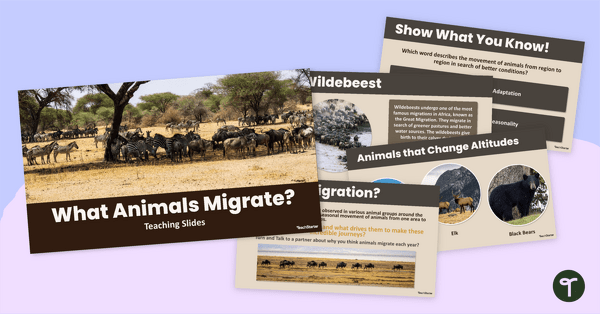
What Animals Migrate? Teaching Slide Deck
Discover why animals migrate and which ones make the longest journeys with an interactive teaching slide deck.