Victorian Curriculum
VC2S6U06
sudden geological changes or extreme weather conditions can affect Earth’s surface and atmosphere; the impacts of natural hazards, including earthquakes, volcanic eruptions, wildfires and floods, can be reduced by human actions and technological innovations
- considering the effects of significant rainfall, such as during the monsoon season, on the transportation and deposition of river sediments in the Asia–Pacific region
- investigating major geological events such as earthquakes, volcanic eruptions and tsunamis
- recognising that earthquakes can cause tsunamis
- considering the effect of drought on living and non-living parts of the environment
- recognising the impact that natural hazards can have on Aboriginal and Torres Strait Islander Peoples’ cultural heritage and ways that this can be reduced, for example the impact of bushfires on rock art sites and the impact of severe storms on the erosion of coastal shell midden sites
Show more
3 of 35
teaching resources for those 'aha' moments
- Free Plan
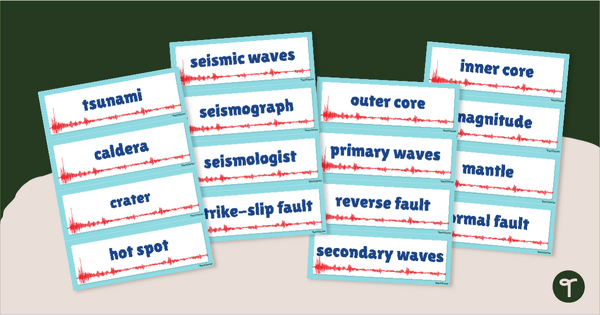
Earthquake Vocabulary Word Wall
Display and review Earth Science vocabulary with printable Earthquake Vocabulary Word Wall cards.
- Plus Plan
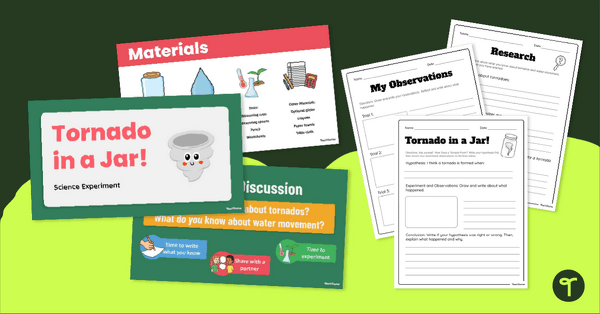
Tornado in a Jar Experiment
Create a Tornado in a Jar with an interactive science experiment slide deck and Tornado in a Jar Experiment Worksheet.
- Plus Plan
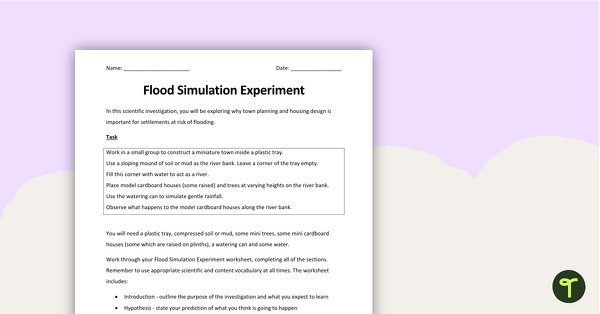
Natural Disasters - Flood Simulation Experiment
A hands-on experiment to use when exploring natural disasters.