English
By the beginning of year 3, pupils should be able to read books written at an age-appropriate interest level. They should be able to read them accurately and at a speed that is sufficient for them to focus on understanding what they read rather than on decoding individual words. They should be able to decode most new words outside their spoken vocabulary, making a good approximation to the word’s pronunciation. As their decoding skills become increasingly secure, teaching should be directed more towards developing their vocabulary and the breadth and depth of their reading, making sure that they become independent, fluent and enthusiastic readers who read widely and frequently. They should be developing their understanding and enjoyment of stories, poetry, plays and non-fiction, and learning to read silently. They should also be developing their knowledge and skills in reading non-fiction about a wide range of subjects. They should be learning to justify their views about what they have read: with support at the start of year 3 and increasingly independently by the end of year 4.
- Plus Plan
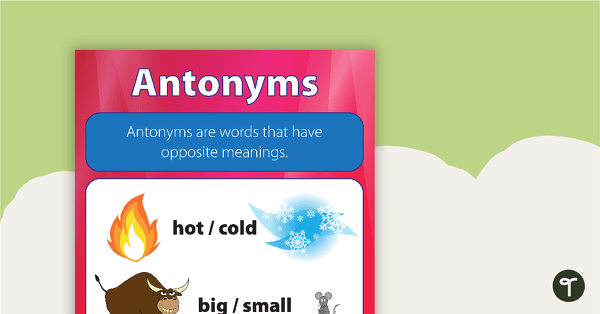
Antonym Poster
A poster showing the definition and examples of antonyms.
- Plus Plan
Reading Corner Display Banner
A classroom display banner to use on your 'Reading Corner' display board.
- Plus Plan
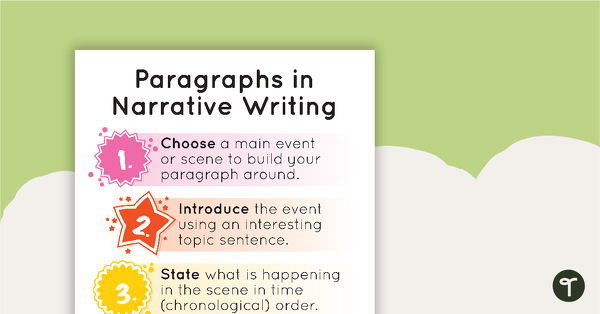
Paragraphs in Narrative Writing Poster
A poster explaining how to write paragraphs in narrative texts.
- Plus Plan
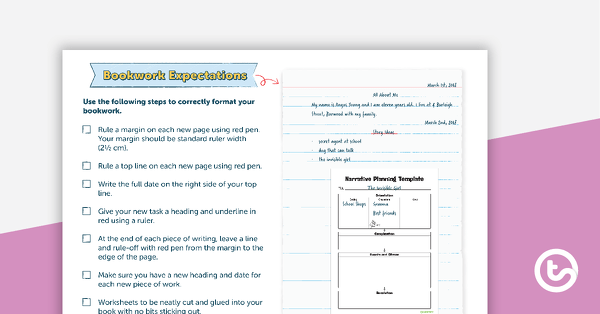
Literacy Bookwork Expectations Posters
A checklist for students to refer to when displaying literacy bookwork. There are low colour and black and white versions, plus editable versions in case you need to add your own expectations.
- Plus Plan
Poetry Display Banner
A classroom display banner to use on your 'Poetry' display board.
- Plus Plan
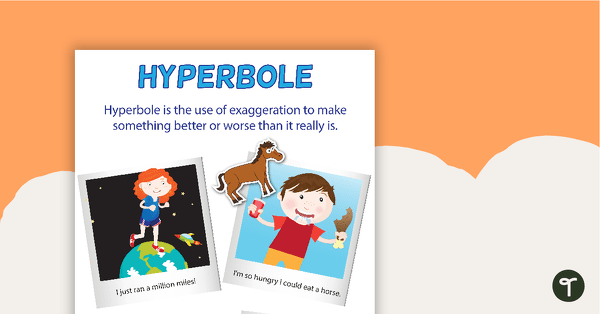
Hyperbole Poster
A poster providing a definition and examples of hyperbole.
- Plus Plan
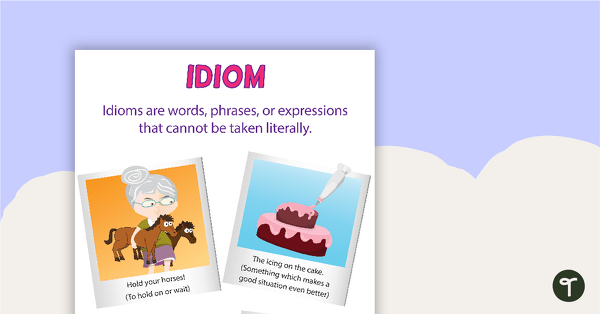
Idiom Poster (Version 2)
A poster providing a definition and examples of idioms.
- Plus Plan
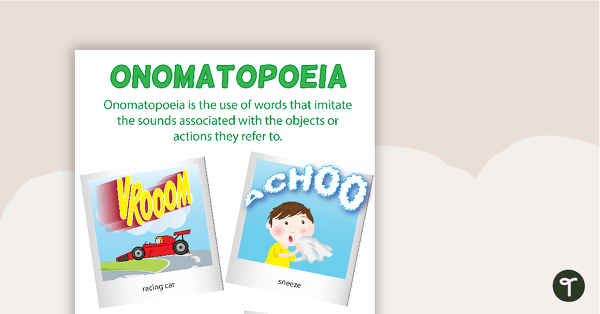
Onomatopoeia Poster
A poster providing a definition and examples of onomatopoeia.
- Plus Plan
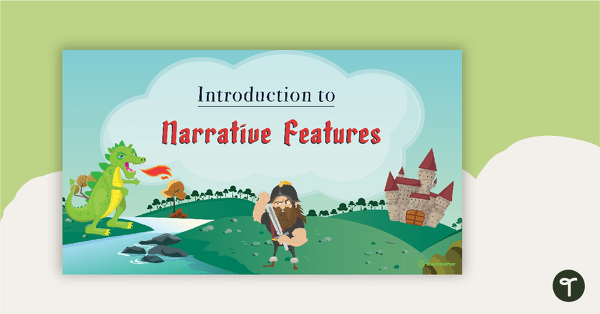
Introduction to Narrative Features PowerPoint - Year 3 and Year 4
A 23 slide editable PowerPoint template to use when teaching your students about the features of narrative texts.
- Plus Plan
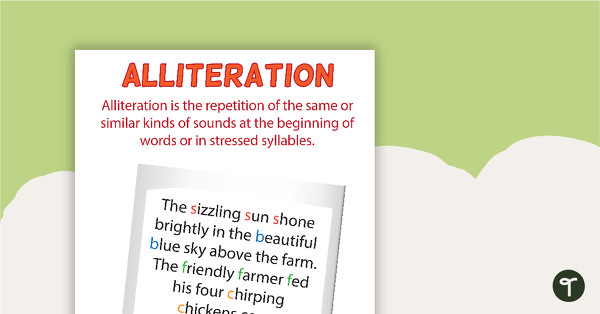
Alliteration Poster (Version 2)
A poster providing a definition and examples of alliteration.
- Plus Plan
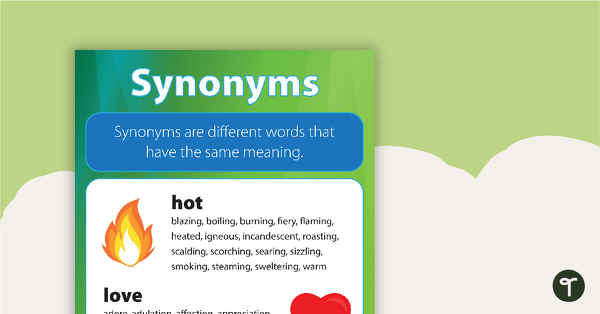
Synonym Poster
A poster showing the definition and examples of synonyms.
- Plus Plan
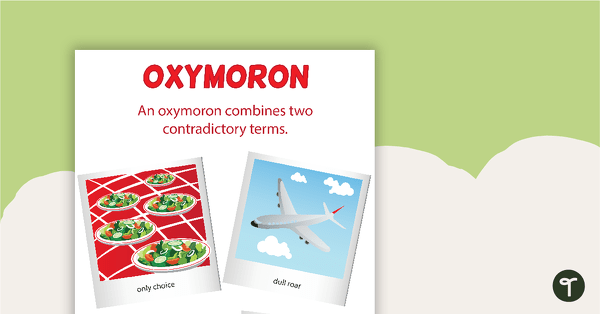
Oxymoron Poster
A poster providing a definition and examples of oxymorons.
- Plus Plan
Persuasive Writing Display Banner
A classroom display banner to use on your 'Persuasive Writing' display board.
- Plus Plan
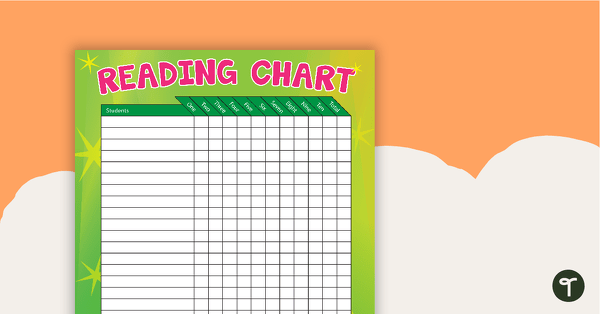
Student Reading Chart
A chart to record the number of books your students have read.
- Free Plan
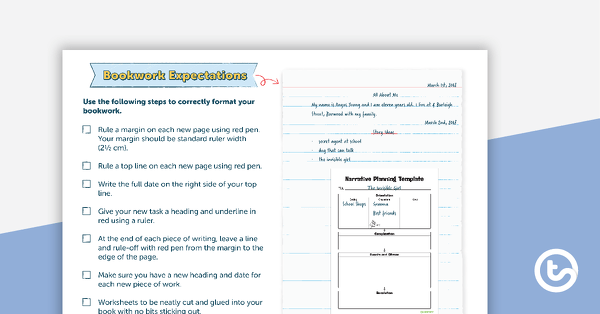
Bookwork Expectations Posters
A checklist for students to refer to when displaying bookwork.
- Plus Plan
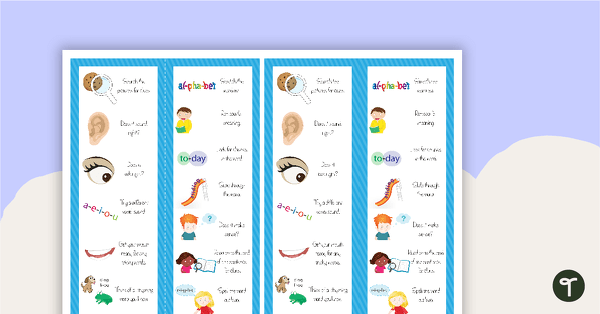
Reading Strategy Bookmark
Bookmarks to remind your students of the different reading strategies.
- Plus Plan
Spelling Display Banner
A classroom display banner to use on your 'Spelling' display board.
- Plus Plan
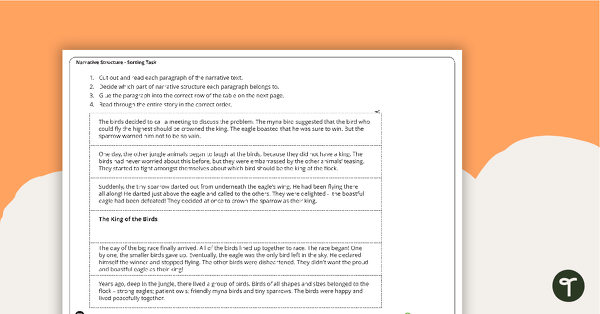
Narrative Structure Sorting Task
A sorting task to help students learn about narrative structure.
- Plus Plan
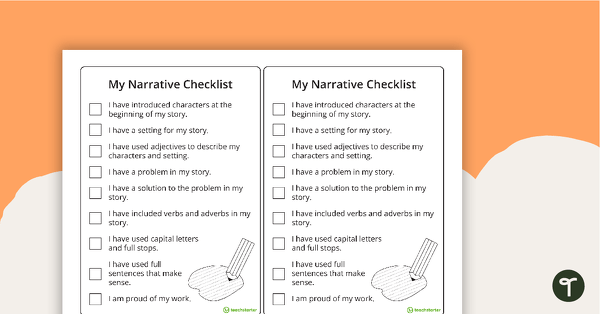
Narrative Writing Checklist (Simplified Version)
A checklist for students to use when proofreading and editing their narrative writing.
- Plus Plan
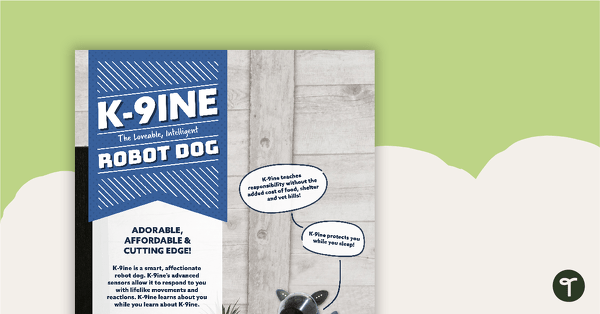
Advertisement Worksheet – K-9ine the Robot Dog
A comprehension worksheet for a persuasive magazine advertisement about a robotic dog.
- Plus Plan
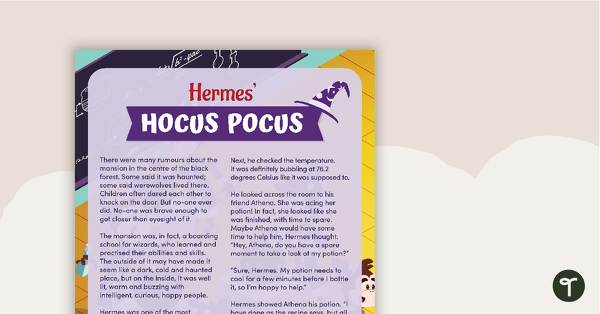
Hermes' Hocus Pocus – Comprehension Worksheet
A comprehension worksheet for a narrative from the Year 3 magazine (Issue 3).
- Plus Plan
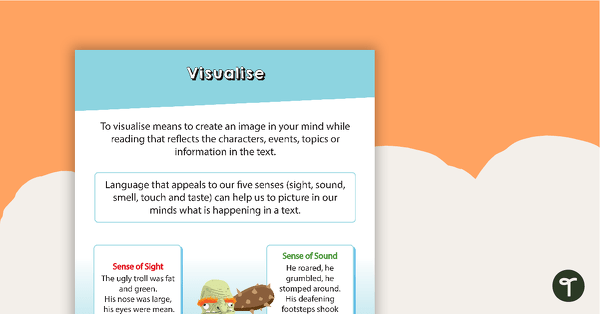
Visualise Poster
A poster highlighting how to visualise when reading a piece of text.
- Plus Plan
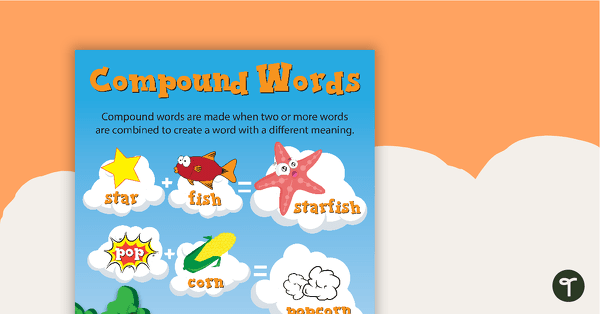
Compound Words Poster
A poster highlighting the definition of compound words and examples.
- Plus Plan
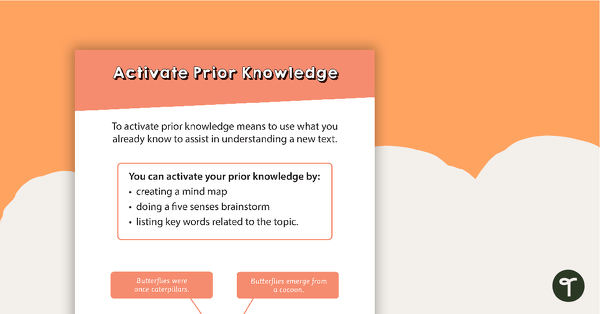
Activate Prior Knowledge Poster
A poster highlighting how to activate prior knowledge when reading a piece of text.
- Plus Plan
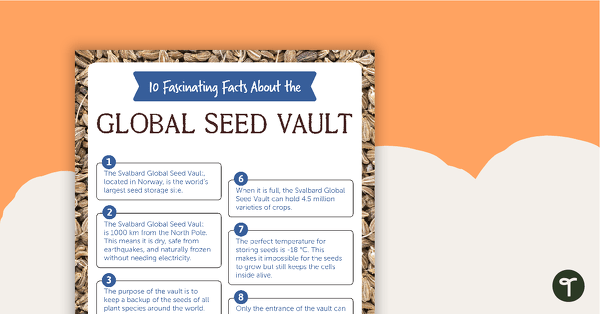
10 Fascinating Facts Worksheet – The Global Seed Vault
A comprehension worksheet for a magazine article about the global seed vault.
- Plus Plan
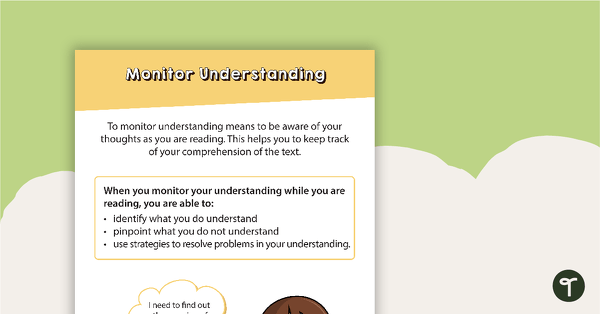
Monitor Understanding Poster
A poster highlighting how to monitor understanding when reading a piece of text.
- Plus Plan
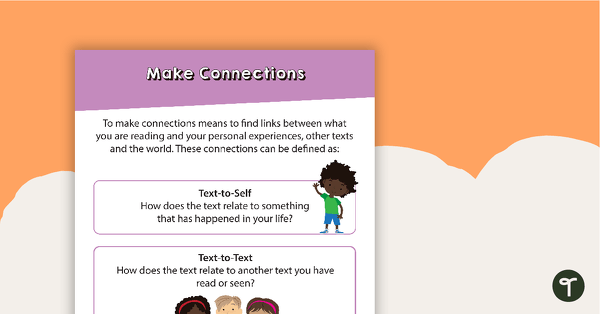
Make Connections Poster
A poster highlighting how to make connections when reading a piece of text.
- Plus Plan
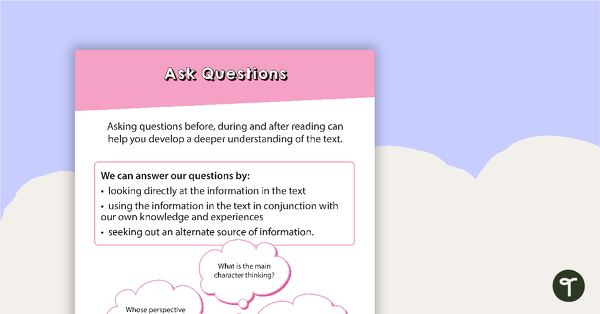
Ask Questions Poster
A poster highlighting how to ask questions when reading a piece of text.
- Plus Plan
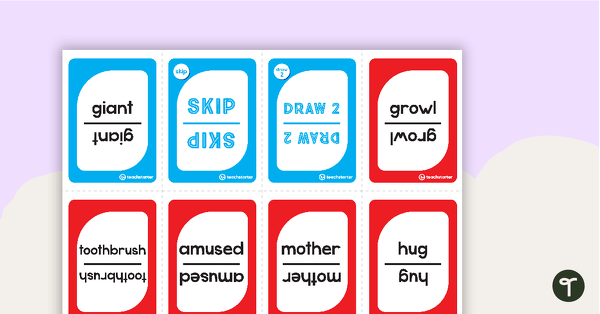
Parts of Speech Card Game – Upper Years Classroom Game - Set 3
A card game for nouns, verbs and adjectives.
- Plus Plan
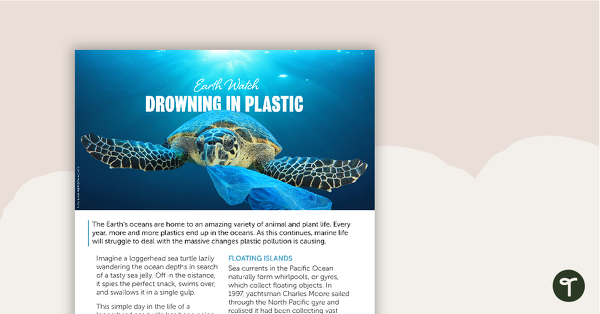
Earth Watch – Drowning in Plastic Worksheet
A comprehension worksheet for a magazine article about plastic pollution in our oceans.
- Plus Plan
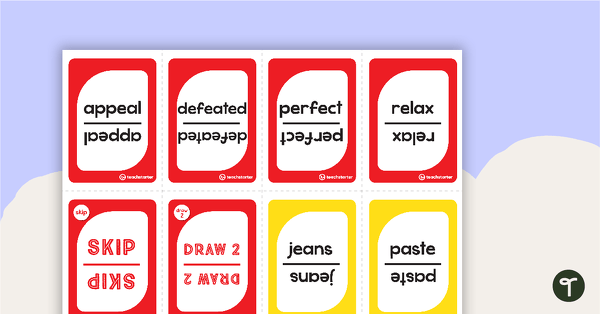
Parts of Speech Card Game – Upper Years Classroom Game - Set 2
A card game for nouns, verbs and adjectives.
- Plus Plan
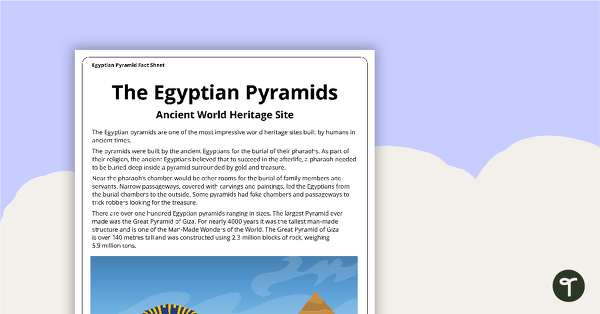
The Egyptian Pyramids - Comprehension Task
A 2 page comprehension task for students to use in the classroom when learning about the Egyptian pyramids.