Force, Motion, and Energy
Students investigate equal and unequal forces and the effects these forces have on objects (motion and direction). Additionally, students investigate energy, including mechanical, light, thermal, electrical, and sound. They uncover cycles (e.g., movement of thermal energy), patterns (e.g., behavior of light, including reflection and refraction), and systems through their exploration. Students will build on this understanding in middle school when they begin to use calculations and measurements to study force, motion, and energy through the study of Newton's Laws of Motion.
- Plus Plan
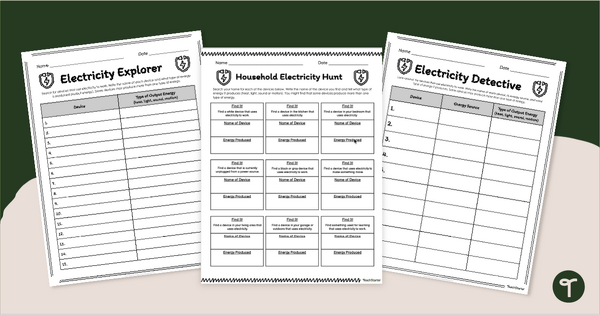
Electricity Scavenger Hunt Activity Sheets
Explore and identify devices that use electricity to produce other types of energy with our Electricity Scavenger Hunt Worksheets.
- Plus Plan
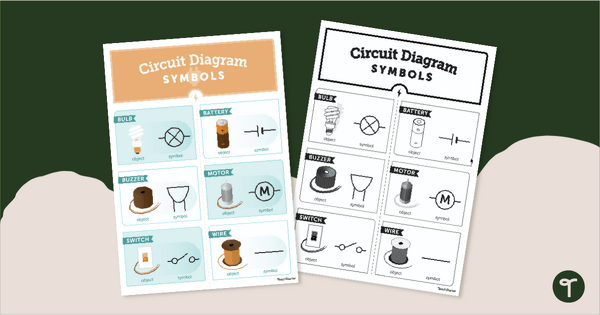
Circuit Diagram Symbols Poster
Explore the range of symbols used for drawing circuit diagrams with a printable Circuit Diagram Symbols Poster.
- Plus Plan
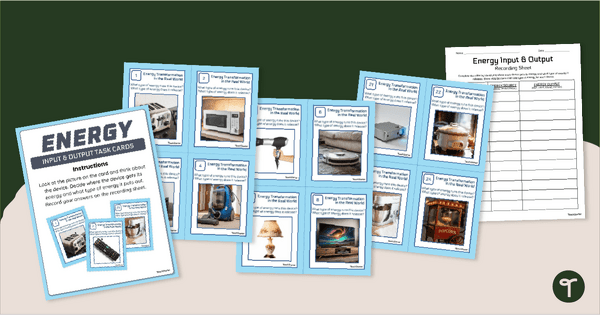
Real-World Energy Transformation Task Cards
Explore how energy is used and transformed in everyday devices with our printable Energy Transformation Task Cards.
- Plus Plan
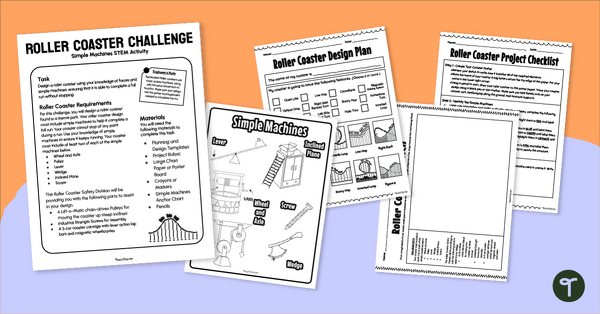
Simple Machines Roller Coaster Challenge - STEM Project
Implement a Roller Coaster Stem Project to help your students demonstrate knowledge of simple machines.
- Plus Plan
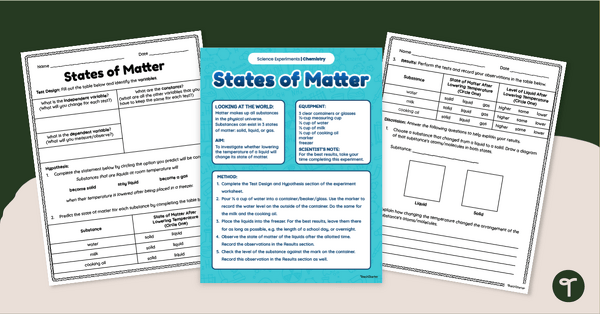
Science Experiment - Changing States of Matter
Investigates how a substance's state of matter can be changed with a hands-on science experiment.
- Plus Plan
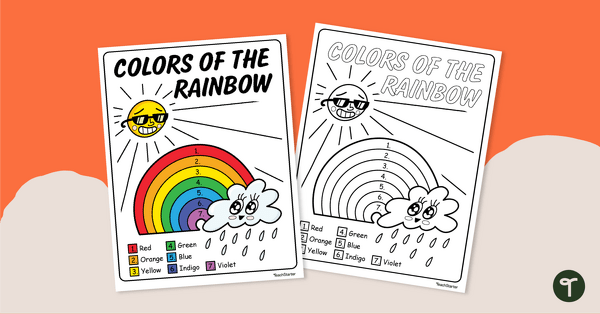
Colors of the Rainbow Poster
Teach the order of colors in the rainbow with this classroom poster and worksheet.
- Plus Plan
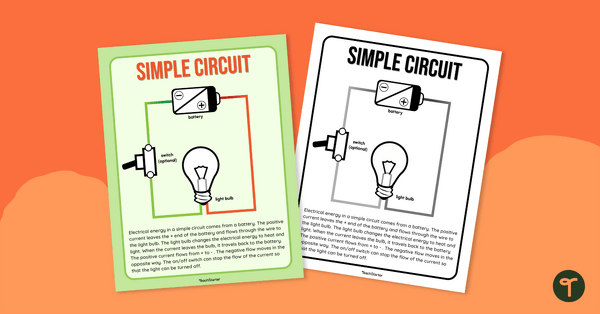
Simple Circuit Diagram
Spark curiosity and illuminate young minds with the wonders of electricity. Download this simple circuit diagram to light up your classroom!
- Free Plan
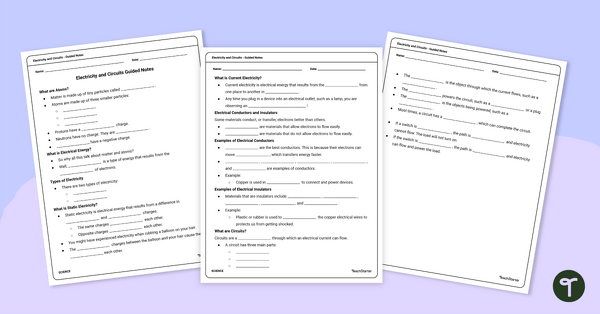
Electricity and Circuits Guided Notes
Use this set of guided notes when teaching your students about electricity and circuits.
- Free Plan
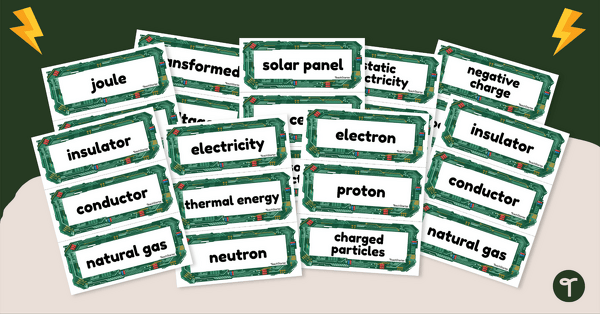
Electricity Word Wall Vocabulary
Use this teacher-created electricity resource to teach electricity-related vocabulary. Build a word wall with your students during your electricity lessons.
- Plus Plan
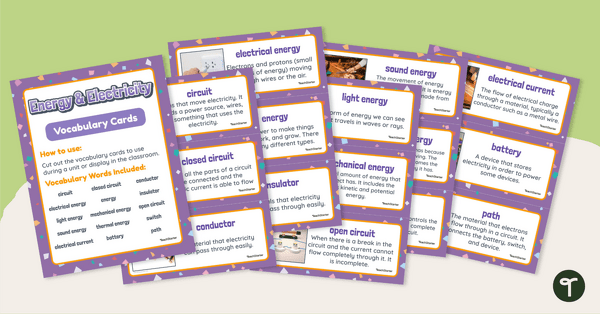
Energy and Electricity Vocabulary Cards
Reinforce science vocabulary in your classroom with this set of word wall cards that focus on forms of energy and electricity.
- Plus Plan
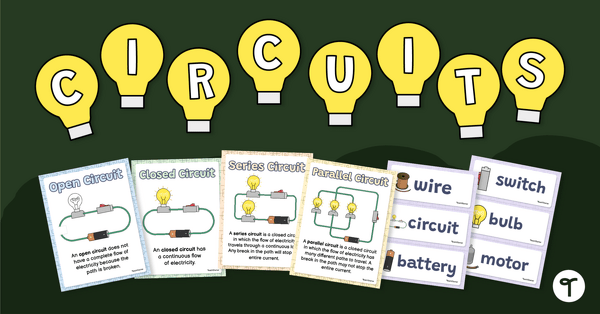
Circuits Bulletin Board Display
Create a bulletin board displaying different types of circuits and related vocabulary.
- Plus Plan
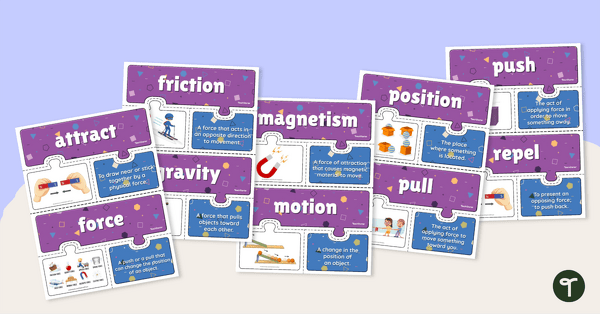
Force and Motion Vocabulary Puzzles
Reinforce science vocabulary with this set of 22 force and motion vocabulary puzzles.
- Plus Plan
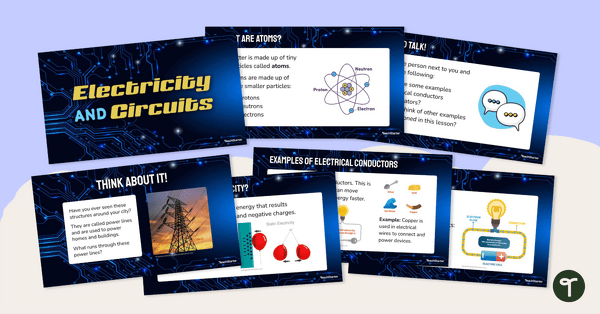
Electricity and Circuits Instructional Slide Deck
Use our editable instructional slide deck to break down the fundamentals of electricity and circuits for your students.
- Plus Plan
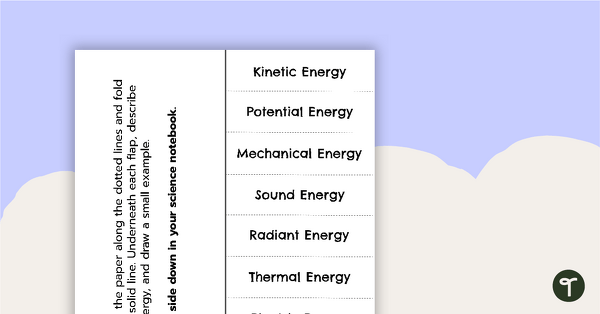
Forms of Energy Foldable
A foldable to use when learning about the different forms of energy.
- Plus Plan
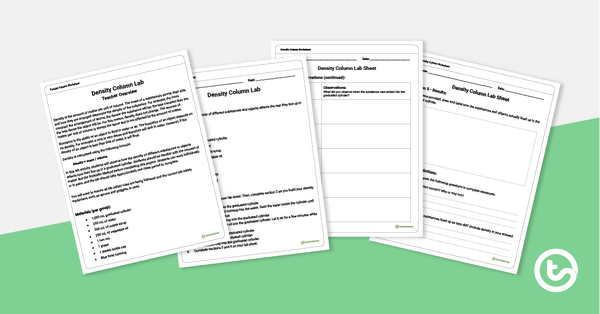
Density Column Science Experiment
A science experiment to use with your students when learning about density.
- Plus Plan
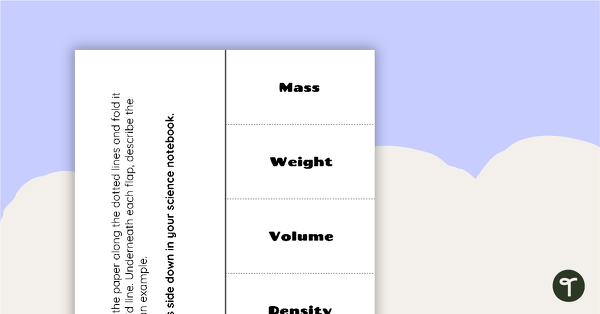
Density Foldable
A foldable to use when learning about density.
- Plus Plan
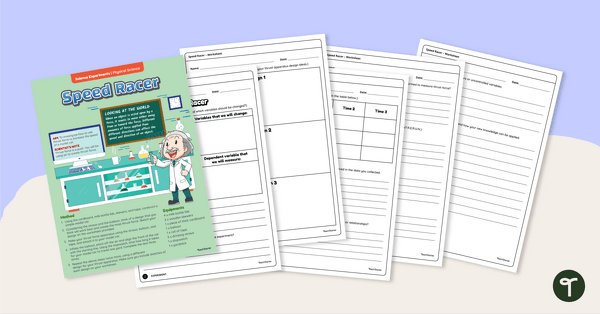
Balloon Car Experiment – Speed Racer
Use this hands-on balloon car experiment when teaching your 5th grade students about thrust force and its effect on the speed of objects.
- Plus Plan
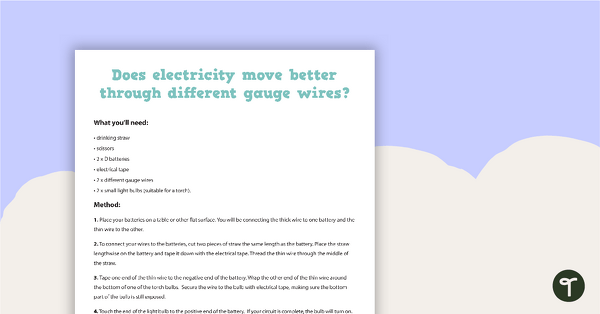
Electricity Experiment
An experiment to investigate if electricity moves better through different gage wires.
- Plus Plan
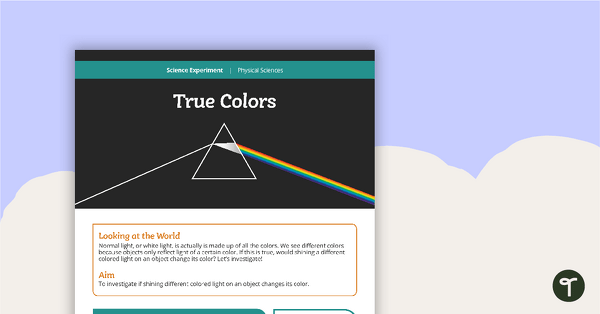
Science Experiment - True Colors
A science experiment that explores the perception of color.
- Plus Plan

Electricity Cut-Outs
A set of cut-outs to use in your classroom when teaching an electricity unit.
- Plus Plan
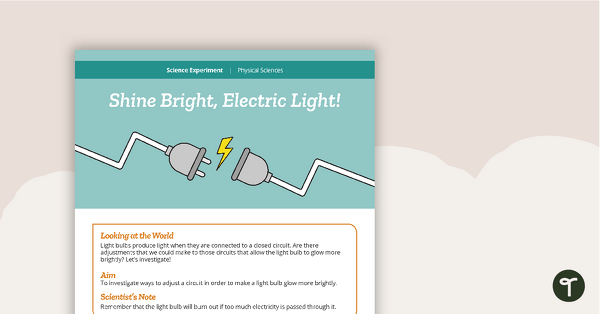
Science Experiment - Shine Bright, Electric Light!
A science experiment that investigates how changes to electrical circuits affects their components.
- Plus Plan
It's Electric! - PowerPoint Presentation
Teach your students about electricity with this editable 23-slide teaching PowerPoint.
- Plus Plan

See Light Through Me
A 60-minute lesson in which students will classify objects based on how much light is transmitted through them.
- Plus Plan

Lights Line Up!
A 60-minute lesson in which students will draw simple ray diagrams to show the paths of light from a source to the eyes.