Australian Curriculum V8
ACELT1581
Discuss how authors create characters using language and images
Elaborations
- identifying similarities between texts from different cultural traditions, for example representations of dragons in traditional European and Asian texts (Skills: Literacy, Critical and Creative Thinking, Intercultural Understanding)
- identifying how spiritual beings are represented in Aboriginal and Torres Strait Islander stories (Skills: Literacy, Critical and Creative Thinking, Intercultural Understanding)
- identifying some features of characters and how particular words and images convey qualities of their nature, for example some characters are portrayed as shy, others adventurous (Skills: Literacy, Critical and Creative Thinking)
- discussing the characters of fictional animals and how they relate to those of humans (Skills: Literacy, Critical and Creative Thinking, Personal and Social Capability)
Show more
3
teaching resources for those 'aha' moments
- Plus Plan
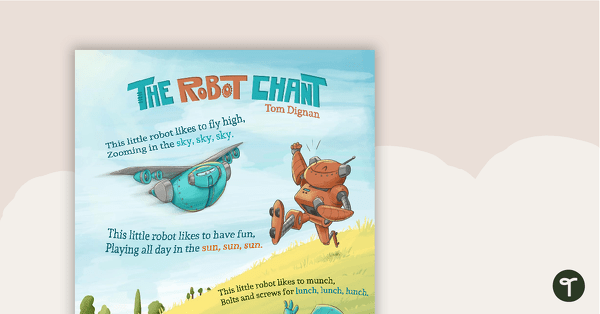
The Robot Chant – Comprehension Worksheet
A comprehension worksheet accompanying a rhyming chant about robots.
- Plus Plan
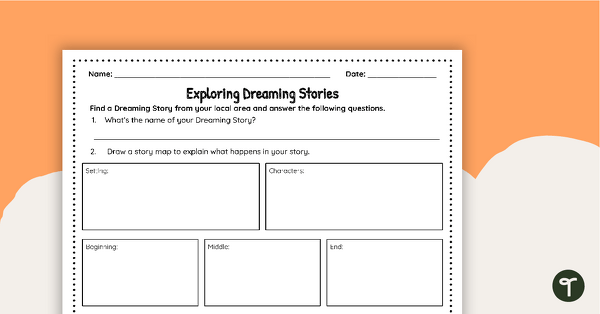
Explore a Dreaming Story – Worksheet
Use this template to explore First Nations’ Dreaming stories and unlock how they connect to Country.
- Plus Plan
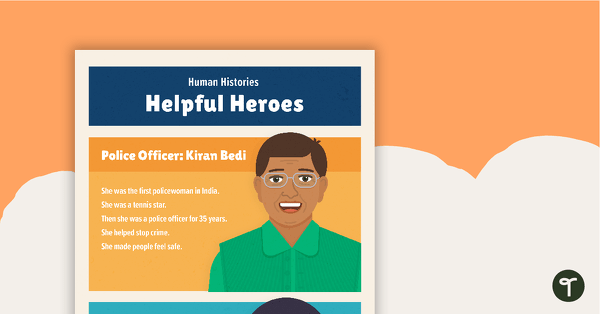
Human Histories: Helpful Heroes – Comprehension Worksheet
A comprehension worksheet for an article about people around the world who have dedicated their lives to helping others.