Language for interacting with others
- Plus Plan
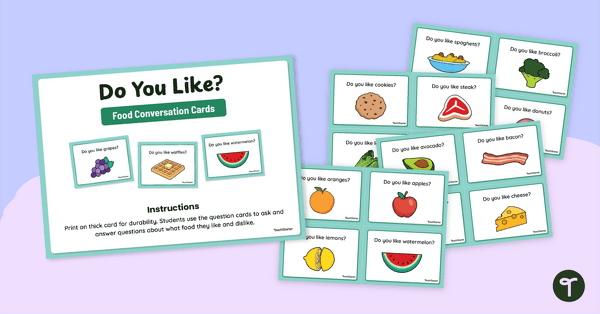
Do You Like? Food Conversation Cards
Encourage confident oral language and social interaction with this engaging set of Do You Like? Food Conversation Cards.
- Plus Plan

Comparing Assertions Worksheet Pack
Get your students to compare assertions with this engaging set of worksheets designed to help students distinguish between strong and weak persuasive writing.
- Plus Plan
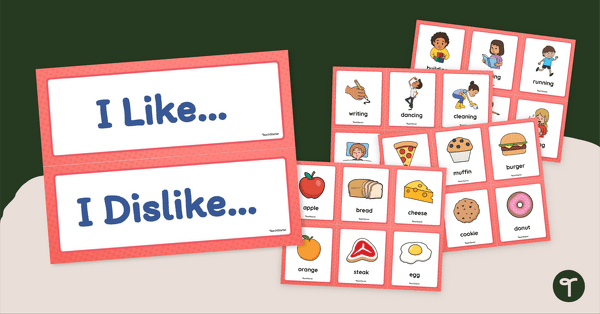
Likes and Dislikes Sorting Activity
Encourage students to explore different ways to express likes and dislikes with this sorting activity.
- Plus Plan
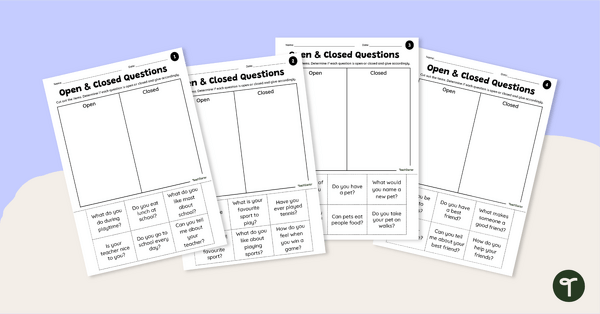
Open and Closed Questions Sorting Worksheet Set
Help your students build critical thinking and communication skills with this engaging Open and Closed Questions resource.
- Plus Plan
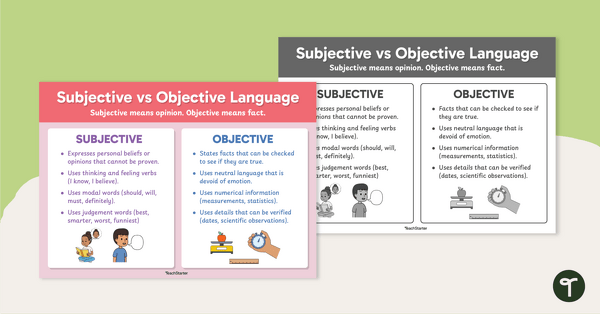
Subjective Language vs Objective Language Poster
Display this vibrant subjective language vs objective language poster in your classroom to illustrate the differences between personal opinions and factual statements.
- Plus Plan
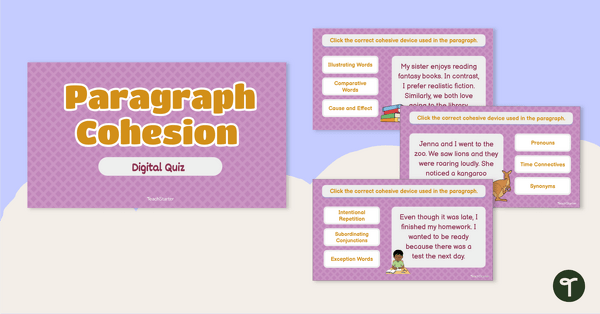
Cohesive Paragraph Digital Quiz
Explore what makes a cohesive paragraph using this interactive digital quiz that helps students identify cohesive devices in context.
- Plus Plan
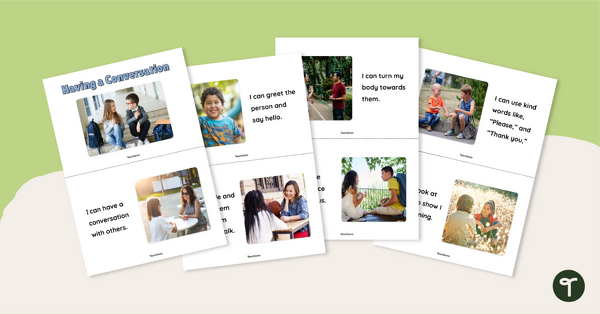
Having a Conversation Social Story
Build confidence in your students by using this Conversation Skills Social Story printable booklet.
- Plus Plan
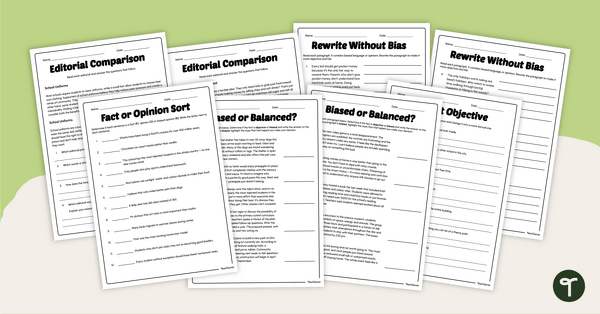
Bias in Writing Worksheet Pack
Teach bias in writing with ease using this engaging worksheet pack designed to help upper primary students recognise and analyse bias across different texts.
- Plus Plan
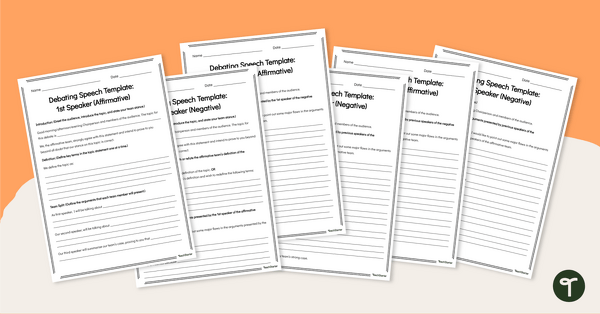
Debate Speech Template Pack
Support student success with a debate speech template that guides them through writing and delivering persuasive speeches in every debate role.
- Plus Plan
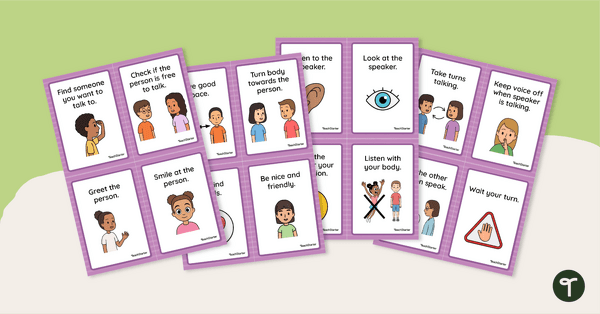
Conversation Cue Cards
Empower students with these Conversation Cue Cards that provide tips for having conversation.
- Plus Plan
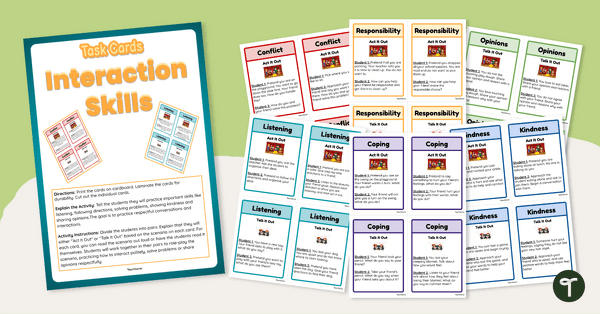
Oral Language Activities
Share these oral language activities with your students to help them practise listening to others, expressing opinions, receiving instructions, and more!
- Plus Plan
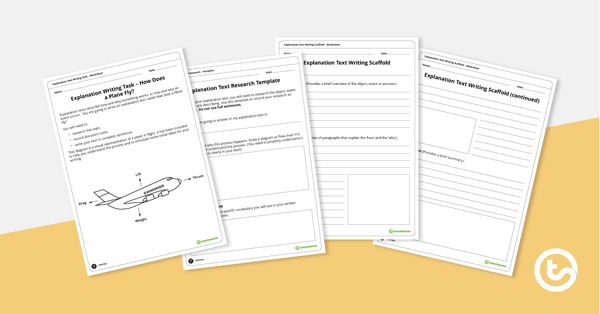
Explanation Writing Project – Methods of Transport
Get your students producing high-quality explanation writing with this fully scaffolded project, where students research, organise and publish an explanation text about a method of transport.
- Plus Plan
Introduction to Historical Recounts Teaching Slides
Use this age-appropriate, visually engaging slide deck to teach your students about the purpose, structure and features of historical recounts.
- Plus Plan
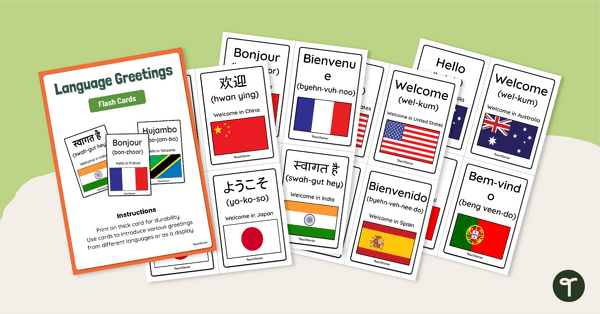
Mixed Languages Greeting Cards
Celebrate global languages with this vibrant Language Greetings Flash Card Set.
- Plus Plan
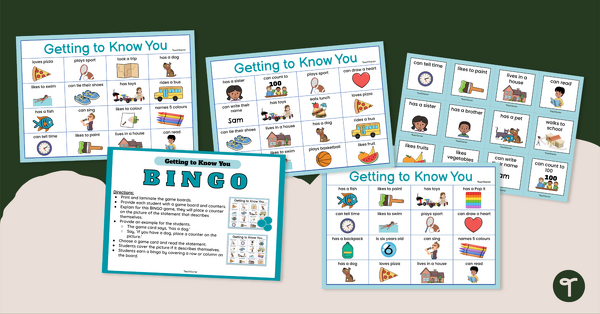
Get to Know You Bingo Game
Start your year off right with an engaging Get to Know You bingo game designed for foundation and year 1 students.
- Plus Plan
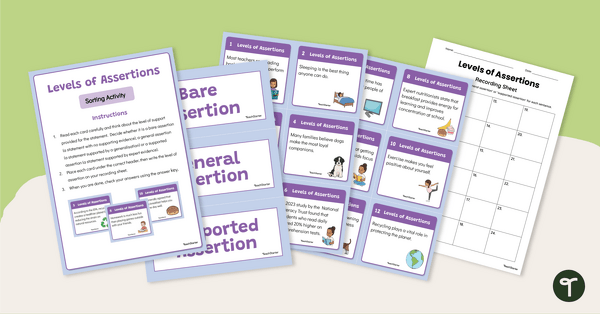
Types of Assertions Sorting Activity
Explore types of assertions with this interactive sorting activity that helps students distinguish between bare, generalised and supported assertions.
- Free Plan
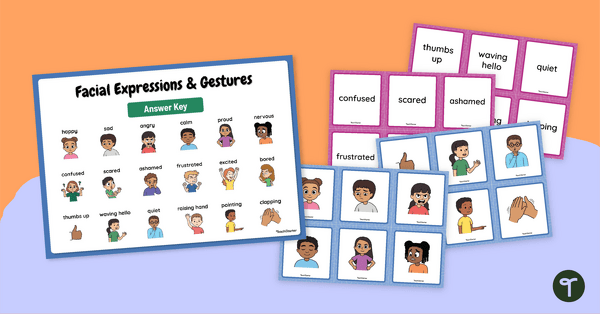
Facial Expressions and Gestures Sorting Activity
The Facial Expressions and Gestures Activity is the perfect hands-on resource to help students recognise and understand the many ways we communicate without words.
- Plus Plan
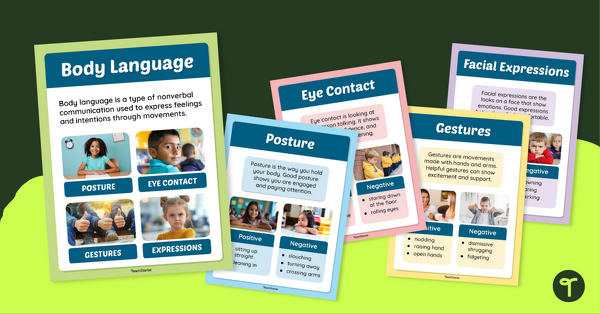
Body Language Posters
Teach social skills with these Body Language Posters for Kids, featuring 5 printable posters that explain posture, eye contact, gestures, and expressions.
- Plus Plan
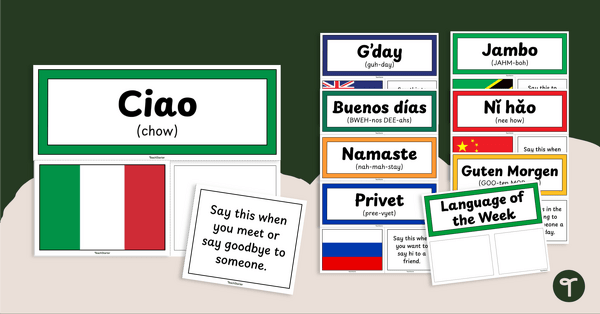
Greetings in Different Languages Wall Display
Explore culturally specific greetings and expressions of politeness with this Language of the Week resource.
- Plus Plan
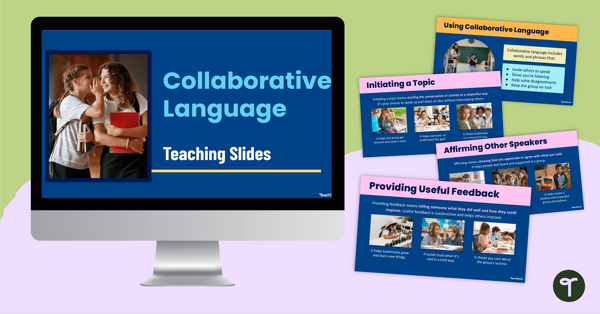
Collaborative Language Teaching Slides
Introduce collaborative language to your students with this easy-to-use slide deck that provides practical examples for developing confident, respectful communication.
- Plus Plan
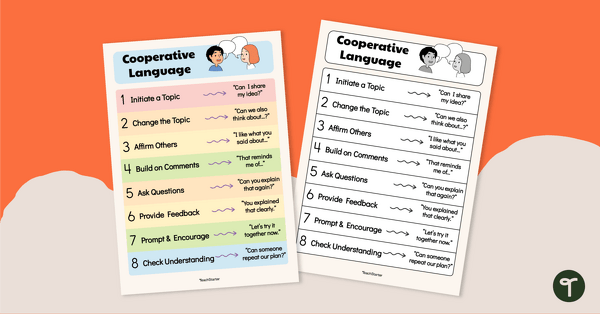
Cooperative Language Poster
Teach cooperative language to help students build essential communication skills with this easy-to-read classroom poster.
- Plus Plan
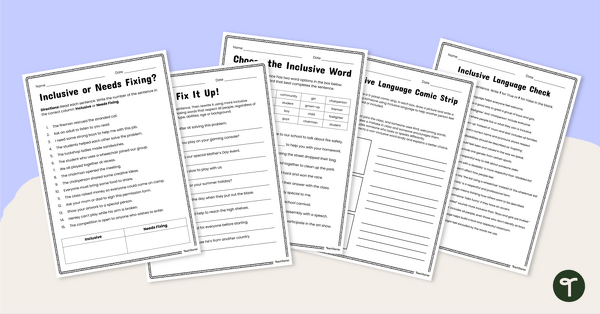
Using Inclusive Language Worksheet Pack
Teach your students about using inclusive language to promote respect and understanding in your classroom with these five engaging worksheets.
- Plus Plan
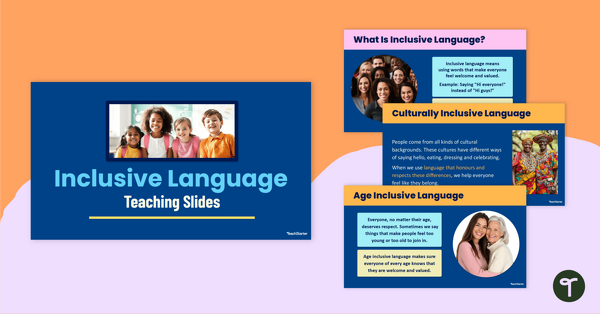
What Is Inclusive Language? Teaching Slides
Teach inclusive language to help your students embrace diversity with this engaging slide deck packed with examples and review activities.
- Plus Plan
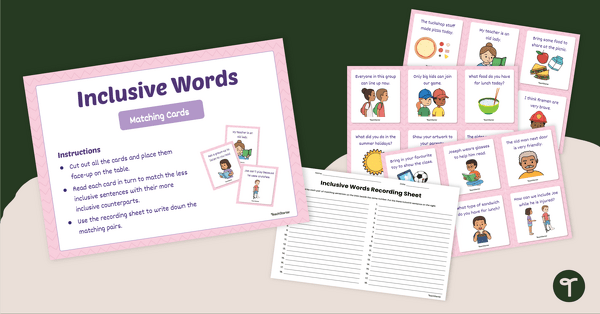
Inclusive Words Matching Game
Help your students recognise and replace exclusive language with respectful, inclusive words using this engaging matching card activity.
- Plus Plan
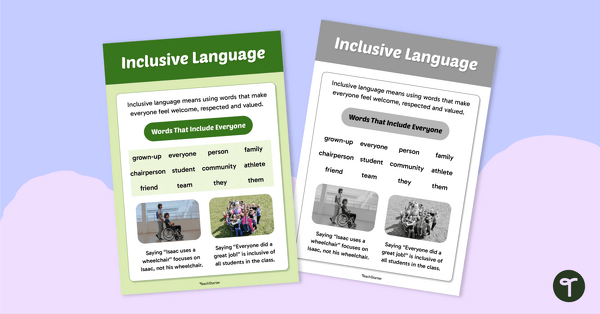
Inclusive Language Poster
Foster a welcoming classroom environment with an inclusive language poster that helps students understand respectful and inclusive communication.
- Plus Plan
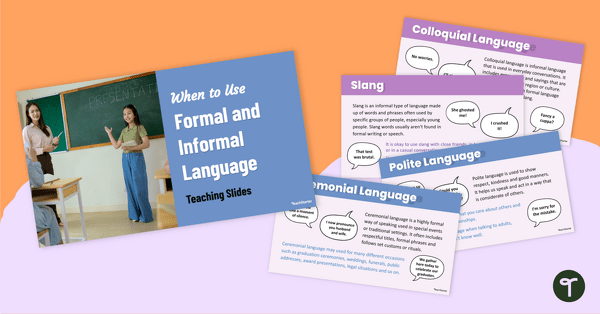
When to Use Formal and Informal Language Teaching Slides
Teach your students when to use formal and informal language with this engaging set of teaching slides designed to help students confidently distinguish between language styles in real-world contexts.
- Plus Plan
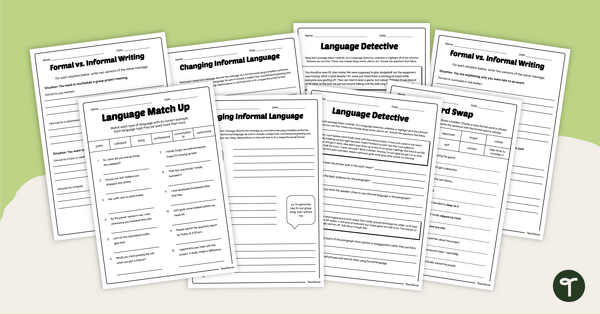
Formal vs Informal Language Worksheet Pack
Download this formal vs informal language worksheet pack to help students strengthen their understanding of language in real-world contexts.
- Plus Plan

Formal vs Informal Language Sorting Activity
Engage students in identifying formal vs informal language with this sorting activity that helps build understanding through real-world sentence examples.
- Plus Plan
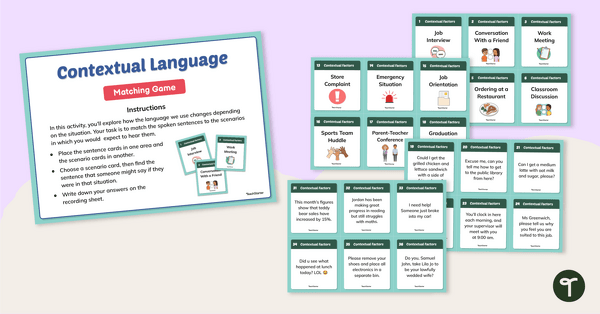
Language and Social Contexts Matching Game
Explore language and social contexts with this fun matching activity that helps students understand how our speech changes depending on the situation.
- Plus Plan
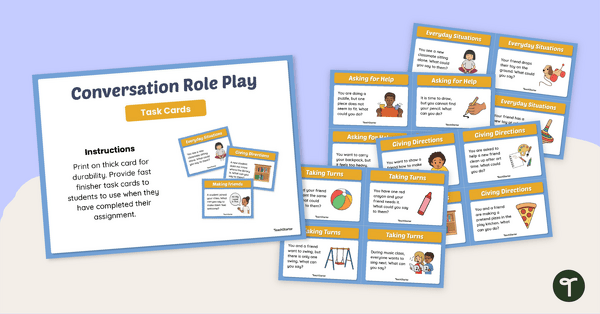
Conversation Role Play Cards
Practise having conversations in different scenarios with this set of conversation role play cards.
- Plus Plan
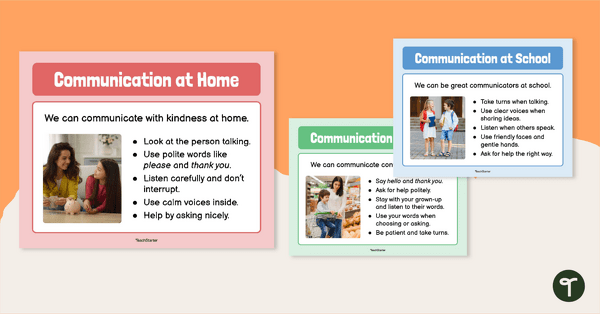
Interpersonal Communication Skills Poster Pack
Help students understand interpersonal communication skills with this set of three posters.
- Plus Plan
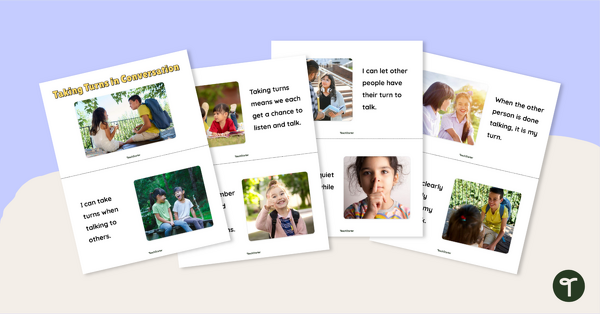
Taking Turns in Conversation Social Story
Help students learn how to take turns in a conversation with this Taking Turns in Conversation Social Story printable booklet.