Animal Adaptations and Traits Teaching Resources
Get ready to teach about animal adaptations and animal traits this school year with printable worksheets, digital activities and more teacher-created resources for primary teachers!
This collection of Australian Science curriculum-aligned resources includes printables and Google Slides templates that have been thoroughly reviewed by our expert teaching team to ensure they're ready for your lesson plans and your students.
Save time on lesson planning with ready-made teacher slides, vocabulary guides and activities that can easily be differentiated to meet your students' individual needs.
New to tackling this topic in the classroom? The expert science teachers on the Teach Starter team have put together the answers to some of teachers' most common questions about animal adaptations and animal traits!
What Are Animal Adaptations? A Kid-Friendly Definition
Let's start with an easy way to explain what adaptation in animals is to your class! Here's a kid-friendly definition from our teacher team:
Adaptation is when animals change their bodies or behaviours to survive better in their environment. Humans may put on a jacket when it's cold outside — that's an example of how we adapt. Animals also have their own special ways of dealing with different environments.
How Do Animals Adapt to Their Environments?
Just as there are countless kinds of animals living around the world, there are many ways that different animals will adapt to their environment. There are two major types of adaptations:
Behavioural Adaptations
One way that an animal can adapt is through a process called behavioural adaptation. This kind of change doesn't require a change in the animal's DNA or its physical features.
Instead, this involves changes in an animal's actions or habits that help them survive in their environment, such as a bear hibernating during the winter.
Structural Adaptations
Another way that animals adapt is through changes to physical features or body parts. These are called structural adaptations, typically occurring over time via evolution, the process of gradual change in species over many generations.
A polar bear's white fur is a good example of a structural adaptation for this tundra animal. The color of the fur helps polar bears blend in with the snowy environment of the Arctic, providing camouflage and making it easier for them to hunt and sneak up on prey.
Animal Adaptation Examples
Looking for more animal adaptation examples that kids love to share with your students? Give these a try!
Desert Animal Adaptations
- Camels have humps that store fat, which they can use as food and water when there's not much available.
- Desert snakes have scales that help them move smoothly on the sand.
- Beetles that live in the desert have a hard outer covering that prevents them from losing water.
Tundra Animal Adaptations
- In addition to the color of their fur, polar bears have thick fur and a layer of blubber (fat) that keep them warm in the freezing cold.
- Arctic foxes can change the color of their fur from brown in the summer to white in the winter to blend in with the snow.
- Caribou have wide hooves that help them walk on the soft tundra and dig through the snow for food.
- Plus Plan
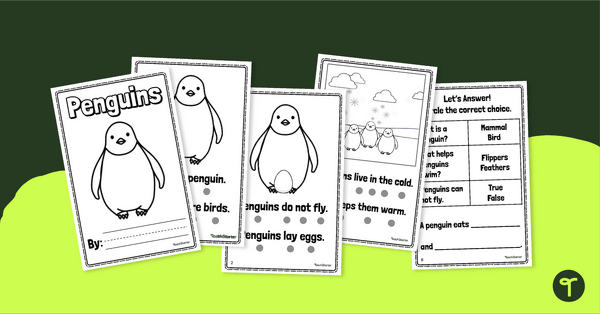
Informational Penguin Booklet (F-1)
Chill out with a good book and build decoding and comprehension skills with a printable informational penguin booklet for Year 1.
- Free Plan
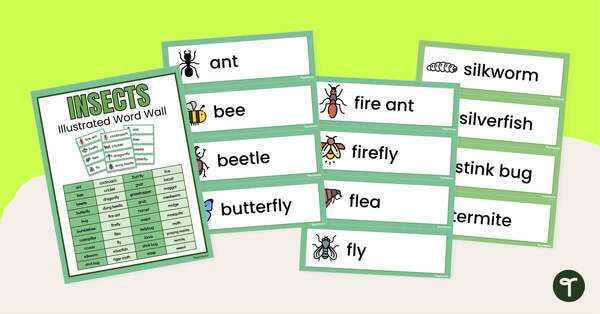
Insect Flashcards - Minibeast Word Wall Display
Use printable insect flashcards as display pieces in your classroom to introduce your students to the creepiest, crawliest creatures on the planet.
- Plus Plan
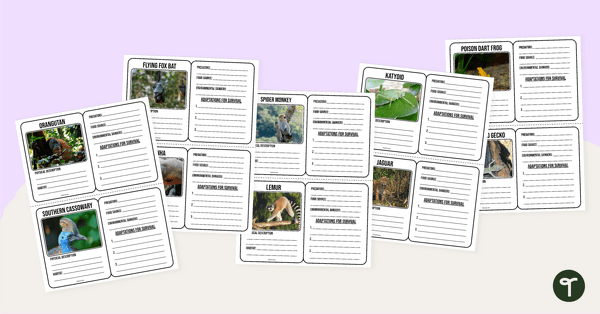
Rainforest Animal Printables — Adaptation Trading Cards
Discover rainforest animal adaptations and display your learning with miniature rainforest animal report templates.
- Plus Plan
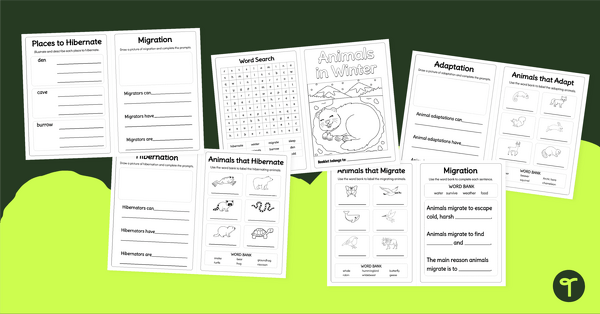
Animals in Winter Activity Book
Show what you know about hibernation and migration with a printable Animals in Winter Activity book.
- Plus Plan
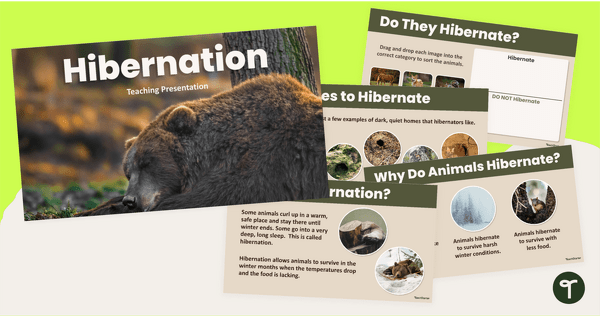
What Animals Hibernate? Instructional Teaching Slides
Discover which animals hibernate and how they survive the winter with an interactive teaching slide deck.
- Plus Plan
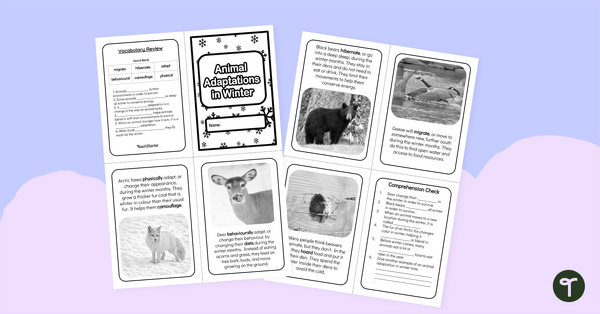
Animals in Winter Printable Mini Book
Discover the unique adaptations of animals in winter with a printable mini-book.
- Plus Plan
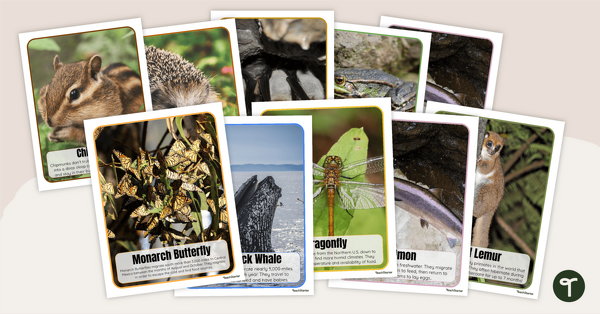
Animals that Hibernate & Migrate Picture Posters
Explore animal hibernation and migration and learn about the animals that use these behavioural adaptations with a printable animal poster pack.
- Plus Plan
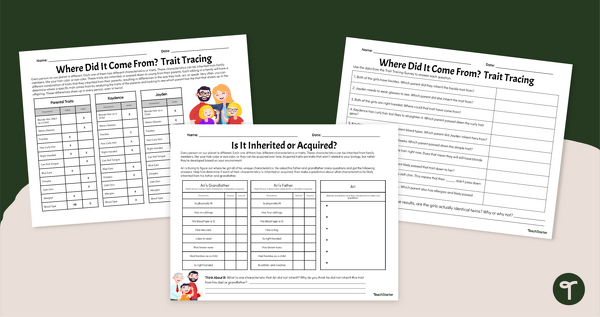
Is It Inherited or Acquired? Traits Worksheets
Introduce your students to basic genetics with printable inherited vs. acquired traits worksheets for upper years
- Plus Plan
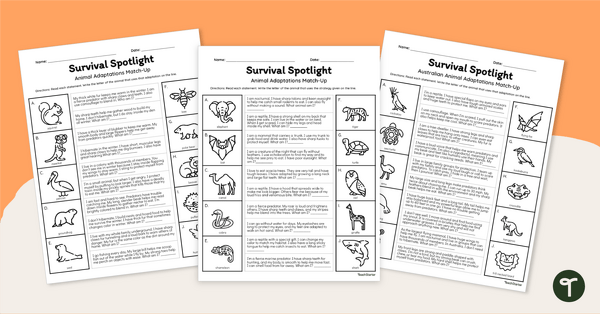
Survival Spotlight - Physical Adaptations Animal Riddle Worksheets
Shine a spotlight on animal adaptations and solve riddles with printable animal adaptation riddle worksheets.
- Plus Plan
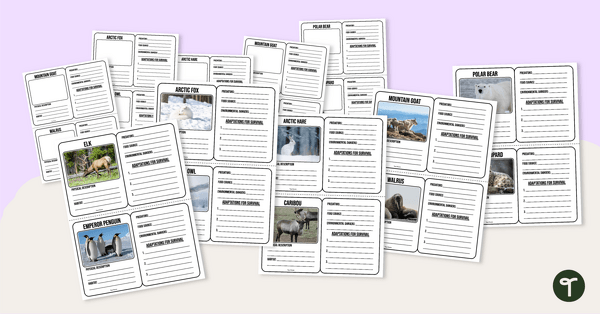
Animals in the Tundra Adaptations Trading Cards
Discover the adaptations of animals in the tundra with printable animal trading card templates.
- Plus Plan
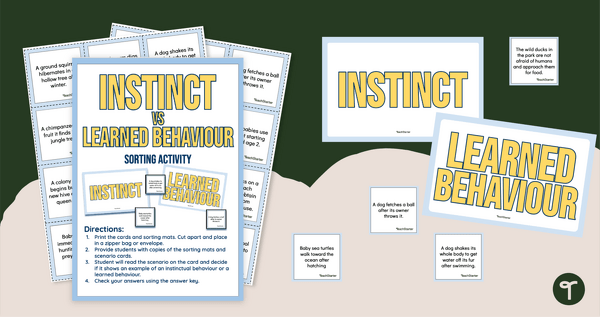
Instinct vs. Learned Behaviour Sort
Help your students determine the difference between a learned behaviour and an instinct with a thought-provoking sorting activity.
- Plus Plan
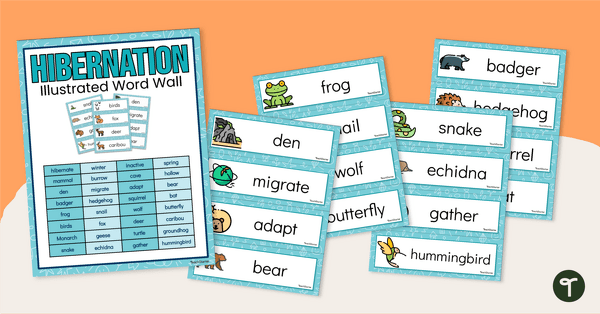
Hibernation Word Wall - Illustrated
Discover the world of hibernation-related vocabulary with an illustrated hibernating animals word wall display.
- Plus Plan
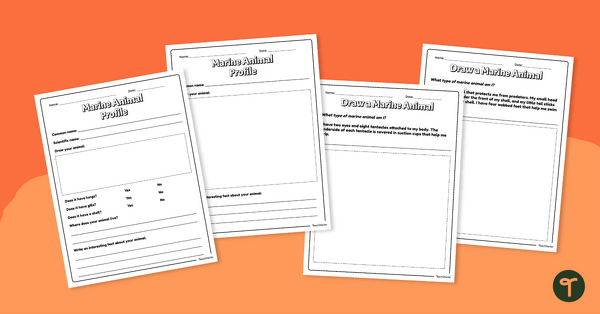
Marine Animal Profile Worksheets
Research and record information about marine animas with one of four ocean animal worksheets.
- Plus Plan
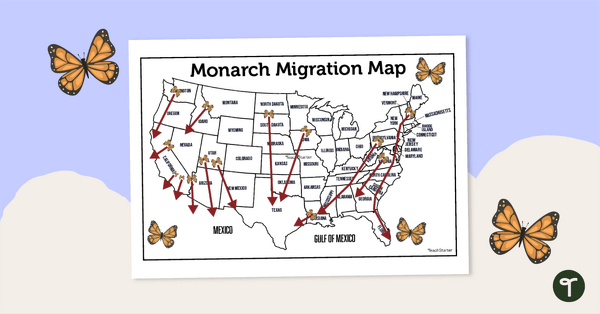
Monarch Butterfly Migration Map
Use a Monarch Butterfly Migration map to introduce your students to a natural phenomenon of migratory animal behaviour.
- Plus Plan
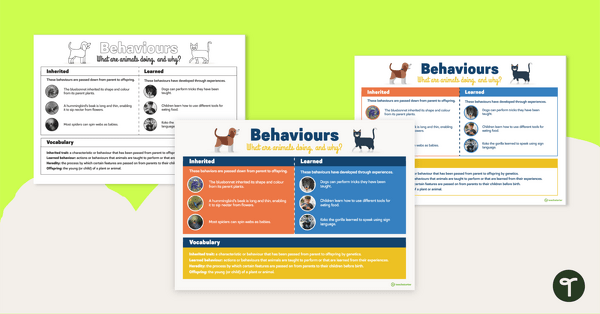
Inherited versus Learned Behaviours Poster
Explain the difference between inherited and learned behaviours with a set of printable anchor charts.
- Plus Plan
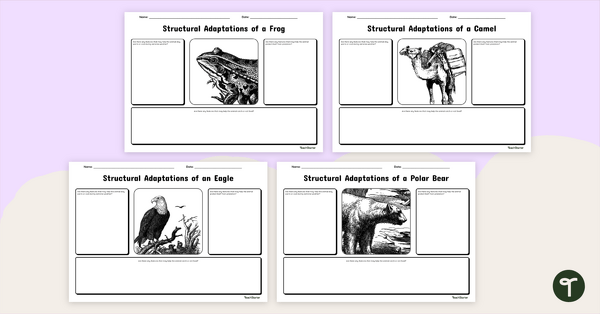
Structural Adaptations Worksheets
Investigate the structural adaptations of animals with various animal adaptation worksheets.
- Plus Plan
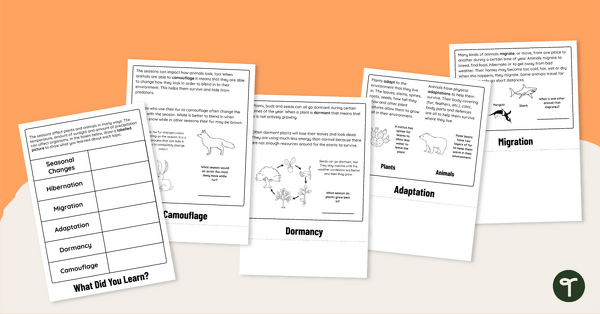
Seasons Affect Plants and Animals Flipbook
Use this fun flipbook to teach students how the seasons affect plants and animals while allowing them to connect to prior knowledge by answering questions on each page.
- Animal Adaptations and Traits Worksheets
- Animal Adaptations and Traits Teaching Presentations
- Animal Adaptations and Traits Posters
- Animal Adaptations and Traits Games
- Animal Adaptations and Traits for Foundation Year
- Animal Adaptations and Traits for Year 1
- Animal Adaptations and Traits for Year 2
- Animal Adaptations and Traits for Year 3
- Animal Adaptations and Traits for Year 4
- Animal Adaptations and Traits for Year 5
- Animal Adaptations and Traits for Year 6