Living and Nonliving Things Teaching Resources
Make teaching about living and nonliving things easy this school year with printable worksheets, sorting activities and more teaching resources created by teachers, for teachers like you.
Aligned with the Australian Science curriculum — including V9 — the teacher resources in this collection cover a range of ideas for teaching students animal classification, the needs of living things and more.
Each resource has undergone rigorous review by a member of the Teach Starter teacher team to ensure it's ready to be used in your classroom. You'll find Common Core-aligned resources, editable options, and resources already differentiated for you to make science lesson planning easier!
Looking to get started on teaching about living and nonliving things, or just need more ways to make this science topic more engaging in your classroom? Read on for a primer from our teacher team, including definitions to use with your class and how to explain the difference between living and nonliving things.
What Is a Living Thing? A Kid-Friendly Definition
Looking for a simple way to explain the meaning of 'living thing' to your students? Let's start with a kid-friendly definition from our teacher team.
A living thing is something that is alive. That may seem obvious, but not all living things show signs of life in the same ways. Most humans speak, for example, and most humans and animals move. Plants, on the other hand, need help from other living things or the wind to move, and they never make a sound!
There are some things that they all have in common, though! Each living thing has the following characteristics:
- Cellular Organisation — Living things are made up of one or more cells. Cells are the basic units of life and perform all of the functions necessary for life.
- Response to Stimuli — Stimuli is a big word for little kids, but the concept is fairly simple. This just means that living things can respond to changes in their environment, such as light, temperature or touch.
- Homeostasis — This big word applies to the ability of living things to keep themselves working properly, even when there are changes in their external environment. For example, when the human body sweats because it is hot, it's experiencing homeostasis.
- Metabolism — It's another big, new vocabulary word! Living things need energy to perform life functions such as growing or reproducing. They get this energy through the process of metabolism.
- Growth and Development — Living things are all capable of growing and developing over time.
- Reproduction — Living things can produce offspring through either sexual or asexual reproduction.
What Is a Nonliving Thing? A Kid-Friendly Definition
A nonliving thing, of course, is the polar opposite of one that's living! It doesn't have any of the characteristics of a living thing, but it may still be important in our ecosystem and help living things survive.
Nonliving things are categorised into three main categories
- Physical objects (such as rocks, water and air)
- Chemical compounds (such as water and carbon dioxide)
- Forces and energy (such as gravity and sunlight)
Fun Living and Nonliving Things Activities for the Classroom
Looking for some fun activities to help students better understand this concept? This collection is full of inspiration, and here are some more fun ideas from our teacher team:
- Habitat Building Challenge — Break your class into small groups, and provide each group with a shoebox and a collection of craft supplies. Challenge the groups to create a habitat for a specific living thing from the materials on hand, encouraging them to think about the needs of their living thing — such as food, water and shelter — and how the nonliving items can play a role in providing for the creature's survival.
- Planting Experiment — This is a classic science class activity. Ask students to design an experiment to test how different nonliving factors, such as light and temperature, affect the growth of a bean plant. Encourage students to make predictions and record their observations over time.
Read on for answers to some common student questions and more about this science topic!
How Do Living and Nonliving Things Interact?
Despite their differences, there are heaps of ways that living things and nonliving things interact with one another.
- Living things need nonliving things to survive. Without all the nonliving things on our planet, all living things would be unable to keep living! Plants need sunlight, water and nutrients from the soil to grow, while animals need air, water and food to live.
- Nonliving things can have an impact on living things. For example, extreme temperatures or weather conditions can affect the behavior and survival of animals.
- Living things can also have an impact on nonliving things and change nonliving things. This can be both positive and negative. For example, plants help to regulate the amount of carbon dioxide in the atmosphere through the process of photosynthesis. This is positive! Beavers build dams that can change the flow of a river, creating new habitats for other animals. But human activity has also been proven to damage the ecosystem, resulting in climate change.
- Nonliving things can also influence the behavior of living things. For example, the presence of light can affect animals' circadian rhythms, influencing when they sleep and when they are active.
How Are Living and Nonliving Things Alike?
There's plenty that sets them apart, but are there any things these two distinct groups have in common? It's a good question, and the answer is yes!
- Both living and nonliving things occupy space and have mass.
- Both types of things can be affected by the same physical laws, such as gravity and friction.
- Both types interact with one another in a variety of ways, such as through chemical reactions or physical contact.
- Both living and nonliving things can change over time.
- Plus Plan
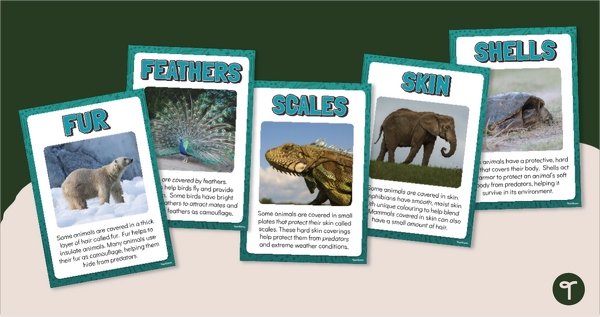
Animal Body Coverings Poster Set
Discover the different animal body coverings (feathers, fur, scales, skin and shells) with a set of printable posters.
- Plus Plan
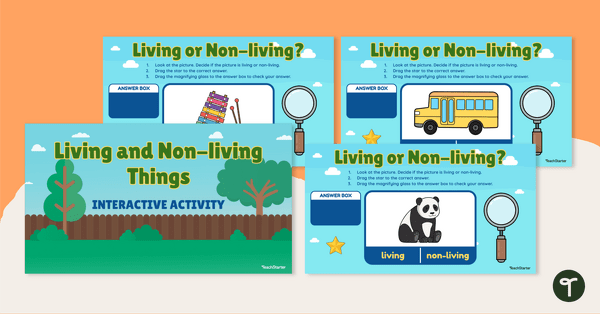
Living or Non-living Things – Interactive Activity
Identify living and non-living things with this self-checking interactive activity.
- Plus Plan
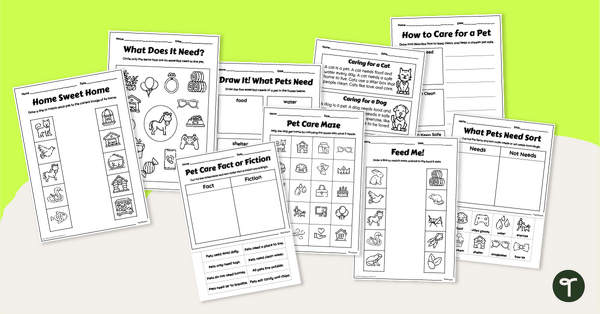
Caring for Pets Worksheet Pack
Help students understand the needs of pets with a printable Caring for Pets Worksheet Pack.
- Plus Plan
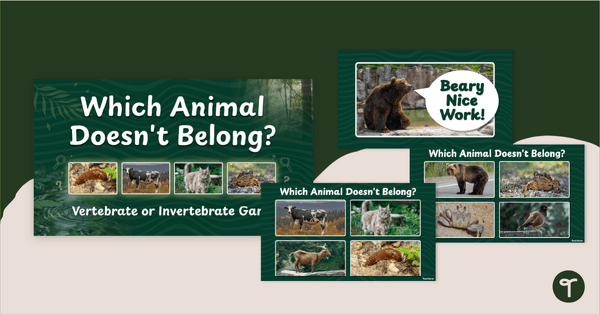
Which Doesn’t Belong? Vertebrate or Invertebrate Game
Identify examples of vertebrates and invertebrates with an engaging Which Animal Doesn’t Belong? Vertebrate or Invertebrate Game.
- Plus Plan
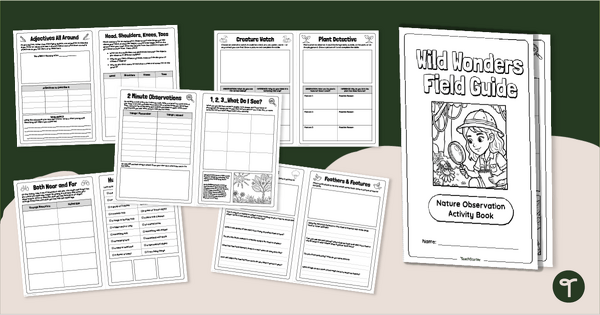
Wild Wonders! Nature Observation Activity Book
Explore and observe the natural world with our Wild Wonders Nature Observation Activity Book.
- Plus Plan
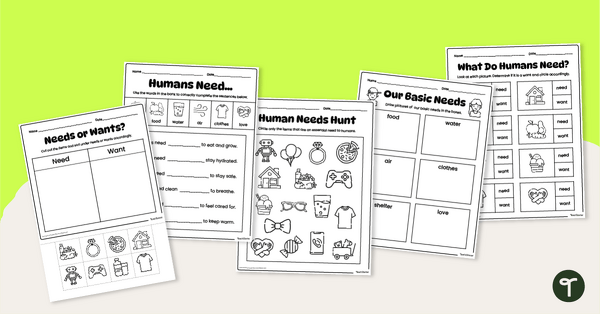
What Do Humans Need? Worksheet Pack
Download our ‘What Do Humans Need?’ Worksheet Pack to help your students learn more about what humans need to survive.
- Plus Plan
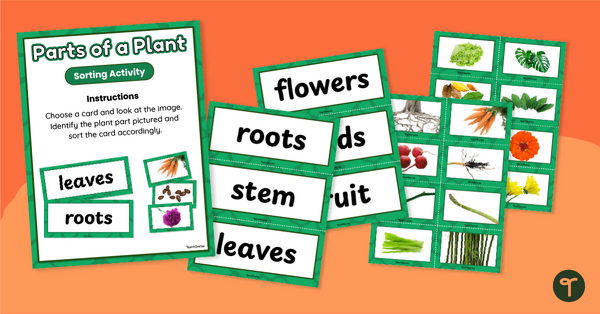
Parts of Plants Sorting Activity (F-2)
Identify roots, seeds, fruits, and other plant parts with a printable Parts of a Plant Sorting Activity for early learners.
- Plus Plan
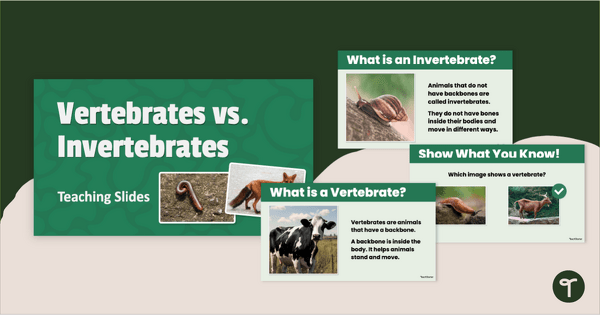
Vertebrate vs. Invertebrates PowerPoint (F-2)
Explore animals with and without backbones with a Vertebrates vs. Invertebrates PowerPoint for early learners.
- Plus Plan
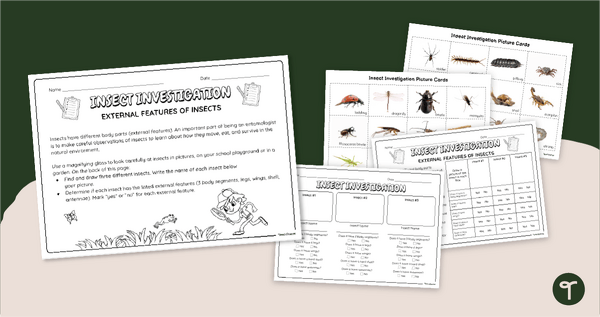
Insect Investigation - Parts of an Insect Activity
Take a peek at the features and characteristics of insects with an engaging Insect Investigation Lab activity.
- Plus Plan
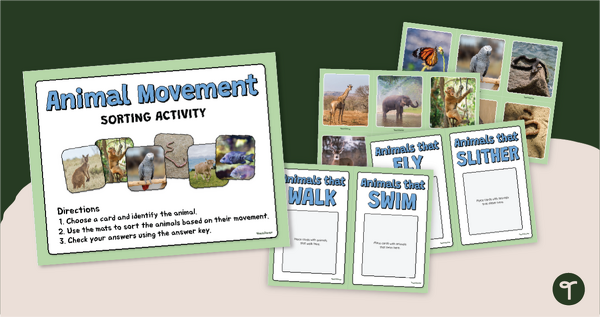
Movement of Animals Sorting Activity
Classify animals based on their movement methods with a picture-sorting game.
- Plus Plan
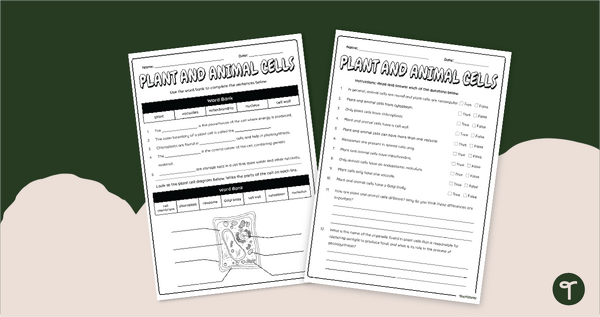
Plant and Animal Cells Worksheet
Learn about the differences between plant cells and animal cells with a printable Plant and Animal Cells Worksheet PDF.
- Plus Plan
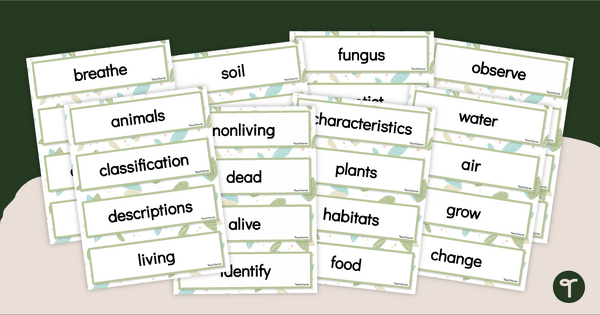
Living and Non-Living Things - Word Wall Vocabulary
Discover the world of living and nonliving things, starting with a printable vocabulary word wall.
- Free Plan
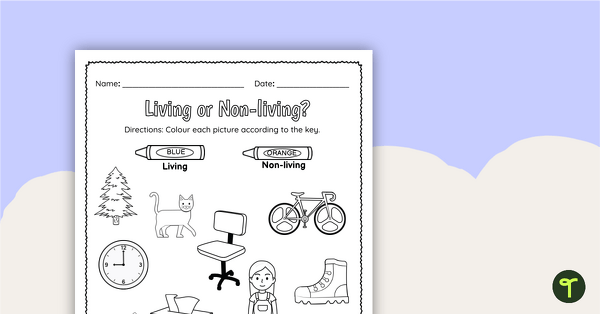
Living or Non-living? Colour by Code Worksheet
Practise identifying living and non-living things with this colour-by-code worksheet.
- Plus Plan
Living Things and Their Needs Unit Plan
This Science unit covers a range of concepts relating to the basic needs of living things.
- Plus Plan
What Do Living Things Need?
A 60 minute lesson in which students will identify the four basic needs of living things.
- Plus Plan
Living or Non-Living?
A 60 minute lesson in which students will identify the features of living and non-living things.