Scientific Method Teaching Resources for Year 5
- Plus Plan
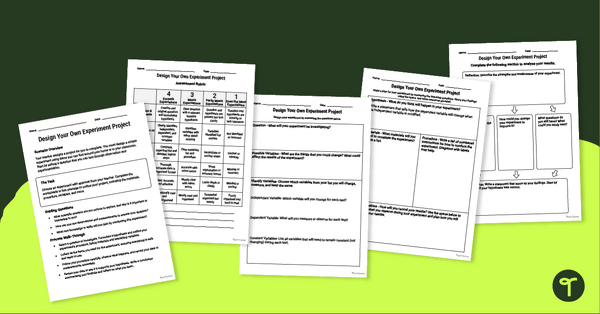
Design Your Own Science Experiment Project
Design your own science experiments and science fair projects with an experimental design project guide and planning templates.
- Plus Plan
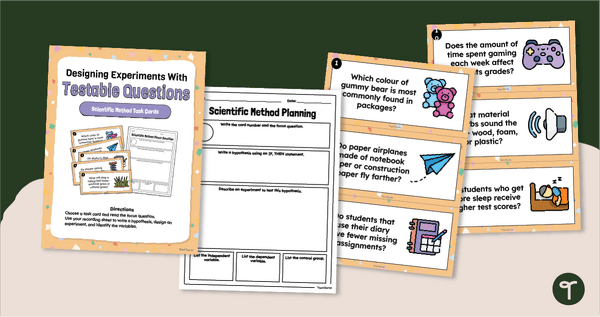
Designing a Science Experiment Task Cards
Help your students plan their own scientific method experiments with a set of printable Scientific Method Experiment Design Task Cards.
- Plus Plan
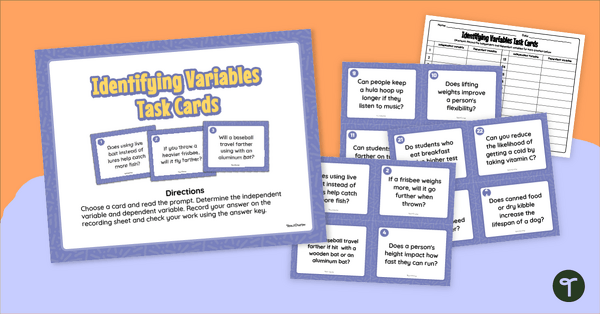
Independent Variable vs Dependent Variable Worksheet & Task Cards
Recognise the independent and dependent variables in testable questions with our Independent Variable vs Dependent Variable Worksheet and Task Card Set.
- Plus Plan
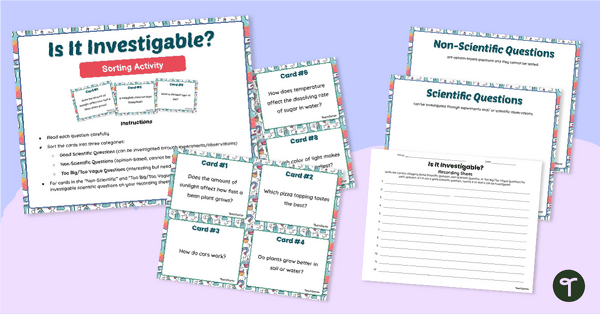
'Is It An Investigable Question?’ Sorting Activity
Help students determine examples of investigable science questions with our ‘Is It An Investigable Question’ sorting activity.
- Plus Plan
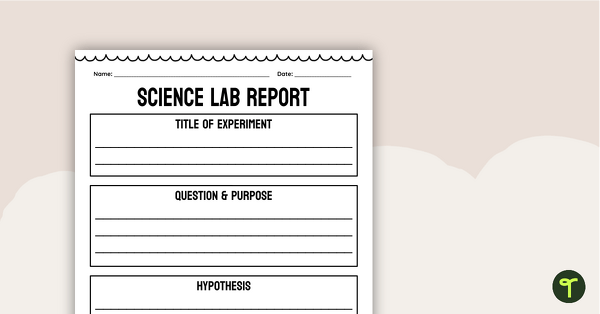
Science Lab Report Template
Use a Science Lab Report Template to help your students organise their findings in any scientific method lab experiment.
- Plus Plan
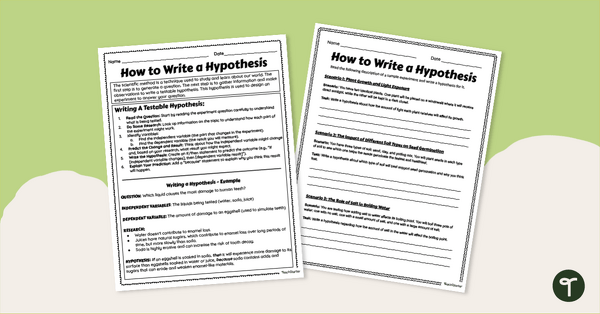
How to Write a Hypothesis Worksheet
Teach your students to write a hypothesis with a printable writing guide and a hypothesis-writing practice worksheet.
- Plus Plan
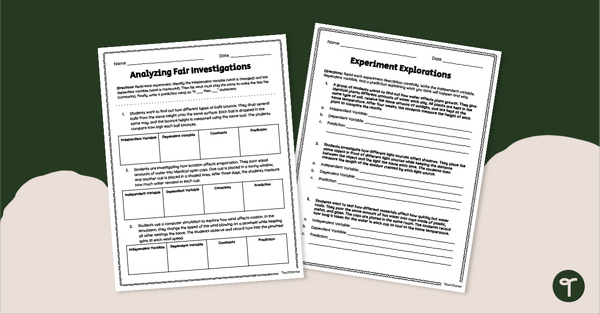
Analysing Fair Tests Activity Sheets (5-6)
Download these Analysing Fair Tests Activity Sheets to help your students practice identifying dependent and independent variables and making experimental predictions.
- Plus Plan
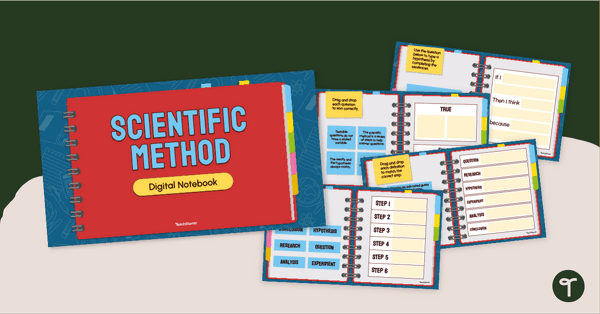
Scientific Method Digital Learning Activity
Help your students understand the steps in the scientific process with an engaging Scientific Method Digital Learning Notebook activity.
- Plus Plan
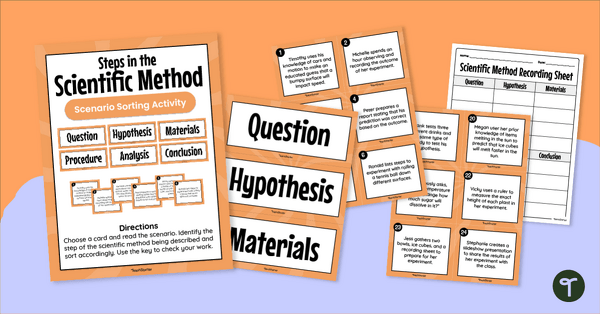
Scientific Investigation Scenarios - Sorting Activity
Analyse scientific investigation scenarios to determine which stage in the scientific method is being described with a printable Scientific Method Sorting Activity.
- Plus Plan
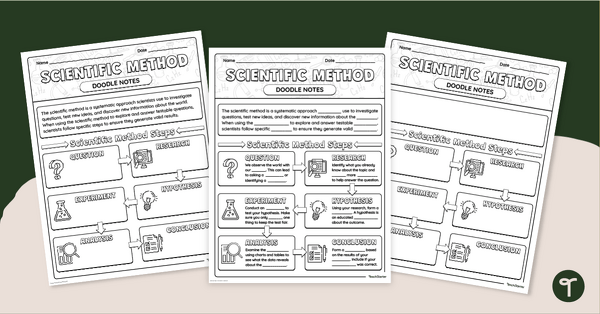
Differentiated Scientific Method Doodle Notes Templates
Use scientific method doodle notes to turn learning the scientific method into a meaningful note-taking session for students!
- Plus Plan
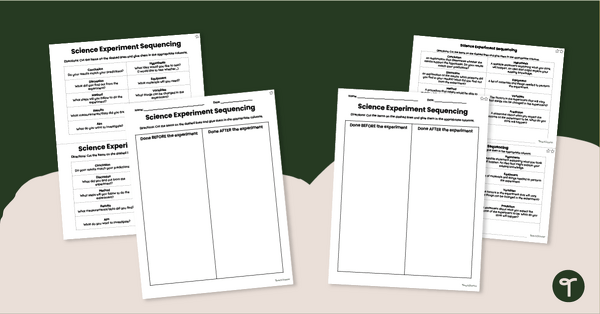
Experimental Design Worksheet - Scientific Method Cut and Paste
Sequence the steps in the scientific method with a pair of differentiated Experimental Design Worksheets.