Social Cues Teaching Resources
Teach your students how to read social cues with SEL activities worksheets, printables and more for primary school teachers.
This collection of social awareness resources was developed by teachers, for teachers, with a focus on saving you time on your lesson plans! Explore teaching resources created to help your students pick up on both verbal and non-verbal cues, interpret them and react appropriately.
Looking for tips on teaching students how to pick up on social cues? Read on for a primer from our teacher team!
What Are Social Cues? A Kid-Friendly Definition
Not sure how to explain the meaning of 'social cues' to your students? Here's a kid-friendly definition from our teacher team!
Social cues are special signals that people give to each other without using words that can help us understand how they are feeling or what they want.
You can see social cues in things like how someone's face looks and how they move their body or even in how they talk. They help us know when we need to be kind, when we need to listen and when to give someone space.
It's important to pay attention to these cues because they can help us be better friends and understand others better.
Social Cues Examples
Sharing examples of social cues with your students can help make this intangible concept a bit more concrete, so here are a few good examples to share with your class:
- When someone is smiling, it's a cue that they are probably happy.
- When someone is frowning, it lets us know they are sad.
- When someone is feeling shy or nervous, they might avoid making eye contact with other people.
- Giving a thumbs up is a social cue that lets us know someone approves.
- When someone speaks softly, it is a cue that they are sharing a secret that we should not share.
- If someone is tapping their foot, it can be a cue that they're impatient.
Teaching Kids How to Read Social Cues
Reading social cues is easier for some people than it is for others, but by around the time they start primary school, many students begin to be able to pick up on basic social cues.
Around age 3 to 5, many kids can recognise simple facial expressions like happiness, sadness and anger. At this stage, many kids also start to notice and respond to others' body language and gestures.
Building on those basic social cue reading skills is something that you can work on in your social and emotional lessons by teaching kids to identify and understand various social cues — such as facial expressions, body language and tone of voice — and working with them to understand how to abide by social norms like waiting your turn on the playground or honouring their classmates' personal space.
As kids approach upper elementary and middle school, many will better understand more complex social cues, including sarcasm, irony and non-literal language.
- Plus Plan
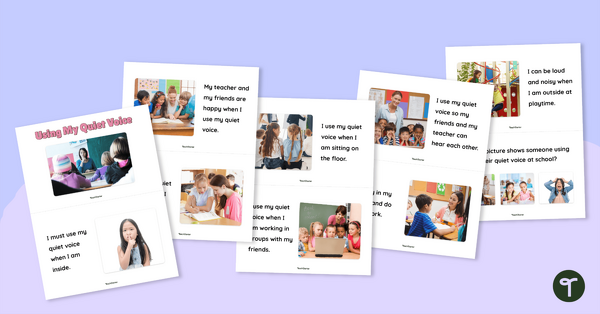
Using My Quiet Voice at School Mini-Book
Teach your students where they should use an inside voice and the benefits of doing so while at school with this printable mini-book.
- Plus Plan
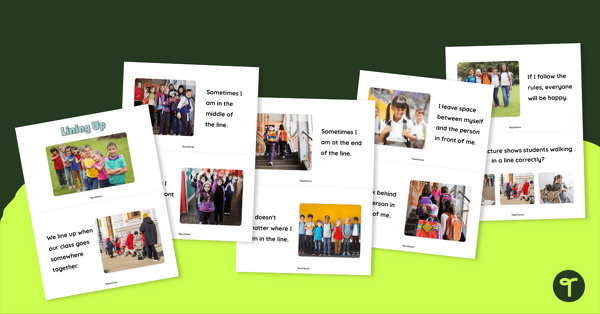
Lining Up Mini-Book
Teach your students the proper way to line up with this printable mini-book.
- Plus Plan
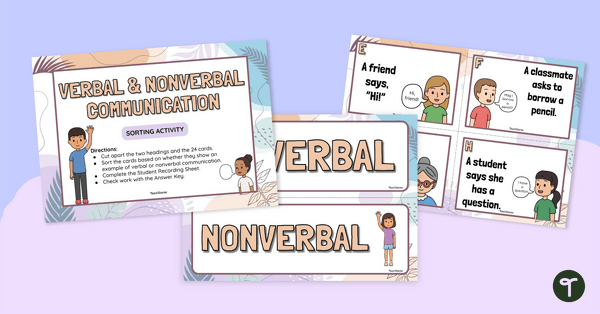
Verbal and Nonverbal Communication Sorting Activity
Use this sorting activity with your grade one and grade two students to practise differentiating between verbal and nonverbal communication methods.
- Plus Plan
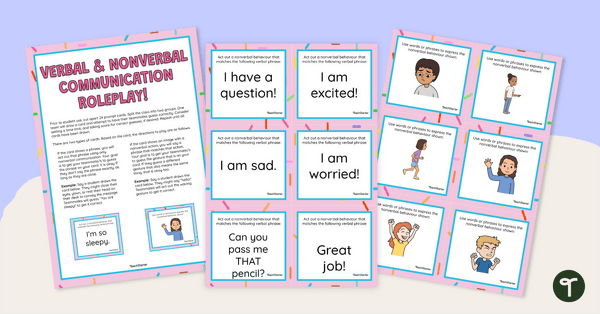
Verbal and Nonverbal Communication Roleplay Game
Use this active learning game to allow students to practise communication verbally and nonverbally, and interpret different verbal and nonverbal messages.
- Plus Plan
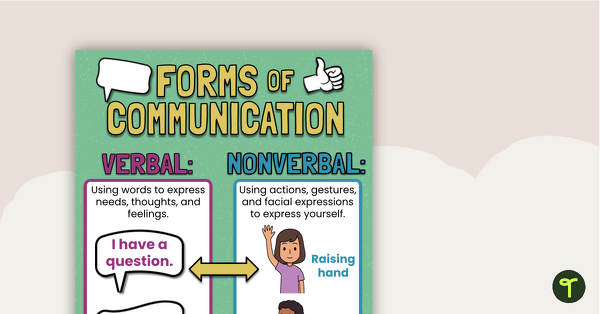
Verbal and Nonverbal Communication Poster
Teach your young students the key to communication by starting with the basics — the difference between verbal and nonverbal communication methods.
- Plus Plan
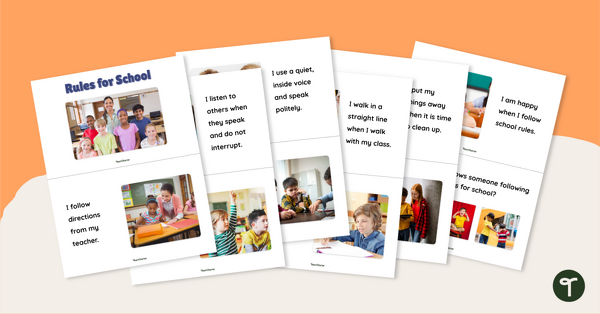
Rules for School Mini-Book
Remind students about appropriate behaviours at school with this printable mini-book.
- Plus Plan
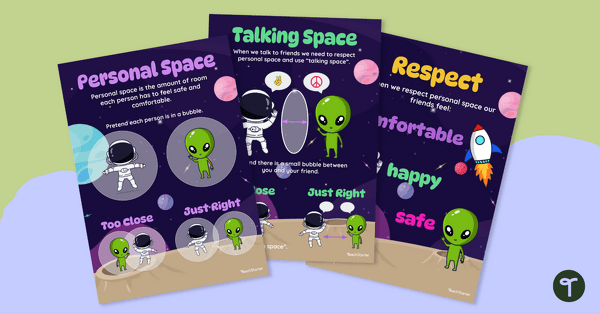
Personal Space Posters
Learn about personal space with these space-themed classroom posters.
- Plus Plan
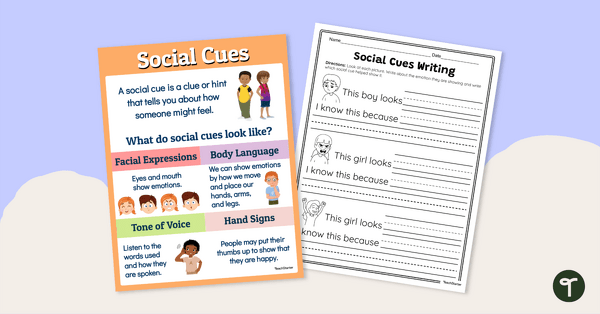
Social Cues Poster and Worksheet
Teach your students about different social cues with this printable poster and worksheet.
- Plus Plan
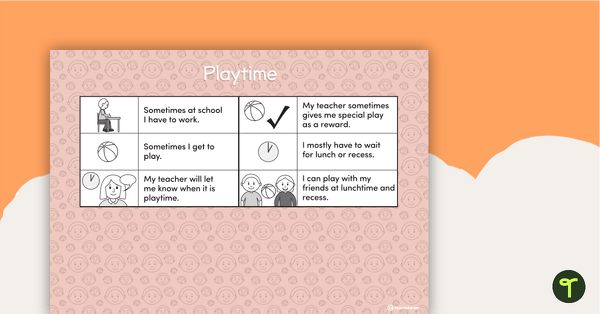
Social Stories - Play Time
A social story to remind students when they can play.
- Plus Plan
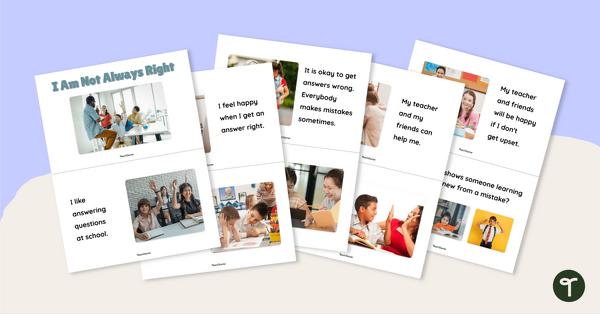
I Am Not Always Right Mini-Book
Help your students learn how to cope when they make a mistake with this social story mini-book.
- Plus Plan
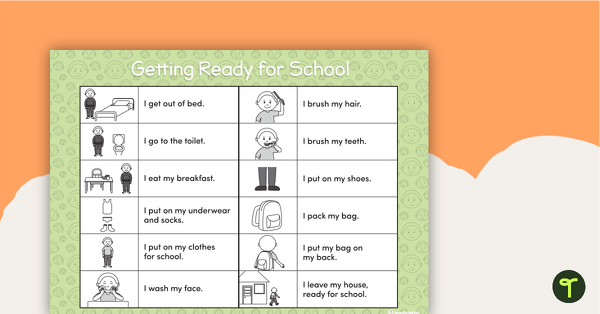
Social Stories - Getting Ready for School
A social story to develop strategies and skills for getting ready for school.
- Plus Plan
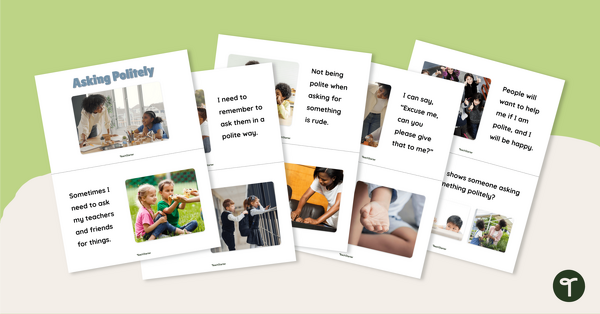
Asking Politely Mini-Book
Help your students learn how to ask for things politely with this social story mini-book.
- Plus Plan
Personal Space – Social Story Video
This social story video reminds students to allow others to maintain some personal space.
- Plus Plan
Keeping My Hands and Feet to Myself – Social Story Video
This social story video reminds students of the importance of keeping their hands and feet to themselves.