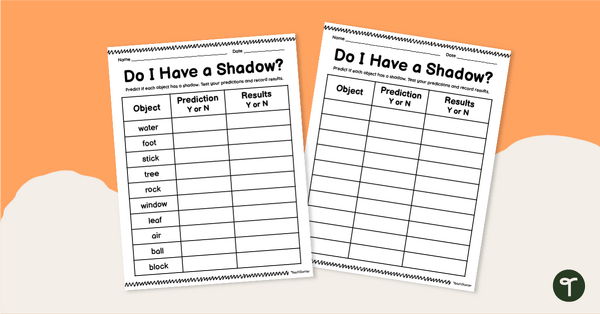
Explore light and shadow while practising science inquiry skills with an engaging Predict and Observe Shadow Experiment for early learners.
Do I Have a Shadow? Science Observation Activity for Early Years
Kick off your light lessons and science inquiry unit with a hands-on investigation your young learners will love! This ‘Do I Have a Shadow?’ Science Observation Activity helps early years’ students build early science inquiry skills by predicting, testing, and observing how different objects interact with light.
This simple graphic organiser and activity provides young learners with easy and meaningful practise using scientific thinking skills, such as making predictions, conducting tests, and recording their findings in a table or grid. It’s the perfect introduction to shadows and a fantastic way to support early data-collection skills.
Predict and Observe Objects That Create Shadows
This activity invites students to think and work like real scientists. Using the graphic organiser, students will:
- Make Predictions about whether an object will create a shadow.
- Test Their Ideas using flashlights, classroom lights, or natural sunlight.
- Observe the Results as they see which objects block light and which do not.
- Record Their Data by marking whether the object produced a shadow, then comparing their predictions to the actual outcome.
It’s an excellent activity for whole-group modelling, small-group exploration, or a science centre. We have included two variations of this resource… one with the objects already filled in, and another with blanks for you to add your own.
Download Your Foundation & Year 1 Science Inquiry Activity
This printable graphic organiser is no-prep and ready to use, so you simply print it and pair it with a few classroom objects and a light source.
This resource is available in both PDF and editable Google Slides format. To get your copy, click the dropdown arrow on the download button and choose your preferred file type.
This resource was created by Lindsey Phillips, a teacher and Teach Starter Collaborator.
More Foundation & Year 1 Science Experiments and Activities
Looking for more engaging ways to teach early science inquiry skills? Explore additional hands-on activities, printables, and more by checking out our catalogue. Make sure you check these out before you go!
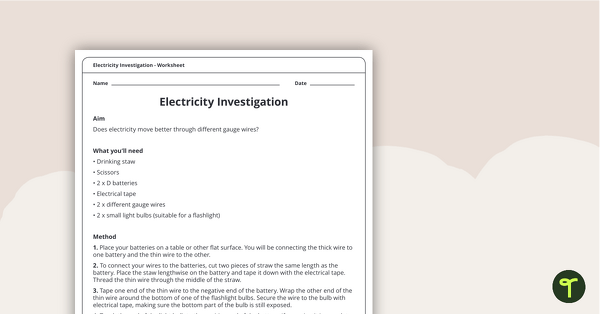
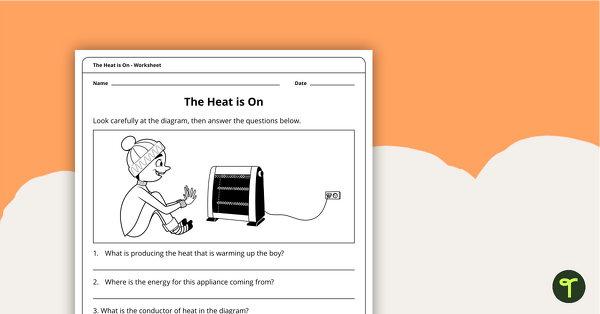
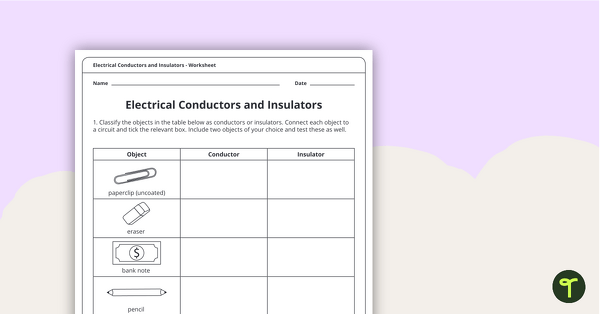
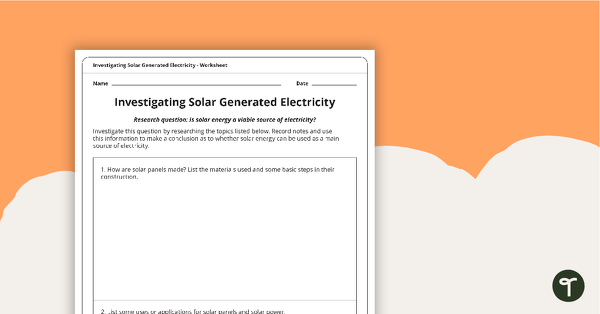
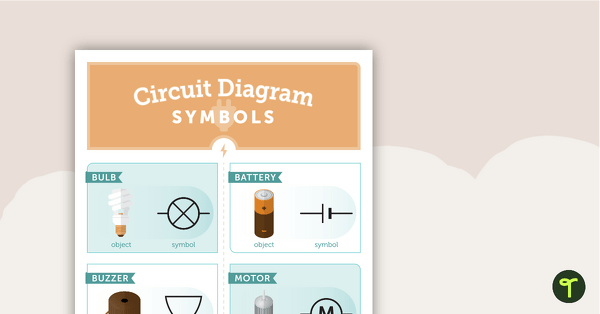
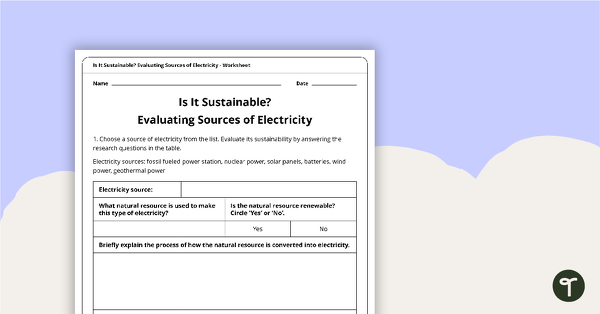
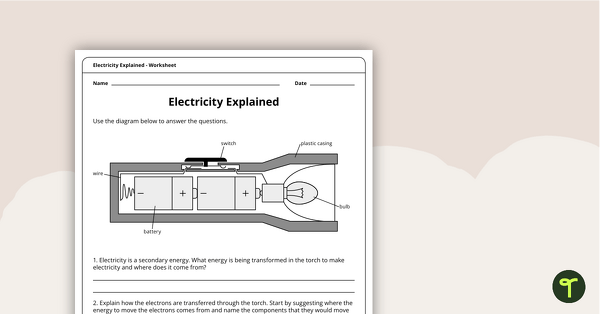
[resource:5122990] [resource:5178163] [resource:5078431]

0 Comments
Write a review to help other teachers and parents like yourself. If you'd like to request a change to this resource, or report an error, select the corresponding tab above.