Victorian Curriculum
VC2E6LA03
explain how different types of texts are typically organised into characteristic stages and phases depending on purposes, recognising how authors often adapt text structures and language features
- exploring a range of everyday, community, literary and informative texts, discussing elements of text structure and language features, and comparing the overall structure and effect of authors’ choices in 2 or more texts
- examining a text to identify strategies such as exaggeration to create humour
- recognising that texts are organised into stages, such as an introduction, and that introductions may be divided into phases; for example, the introduction stage of a narrative may begin with a phase that is a ‘hook’ or a flashback
- explaining the characteristic stages and phases in reviews, discussing alternative positions or historical recounts, and identifying any adaptations of typical structures or language features
Show more
4 of 36
teaching resources for those 'aha' moments
- Plus Plan
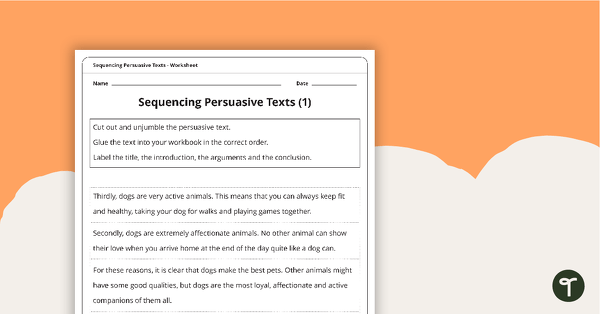
Persuasive Essay Structure Sorting Worksheet
Teach your students about persuasive essay structure with this cut-and-paste sequencing worksheet.
- Plus Plan
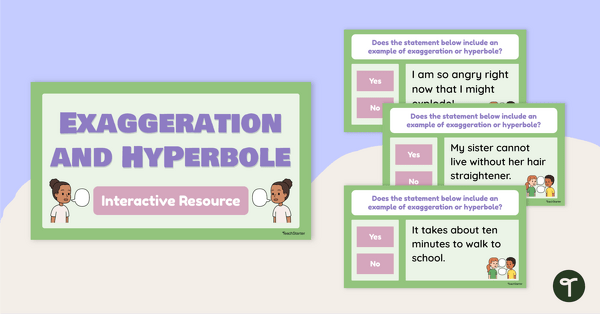
Exaggeration and Hyperbole Interactive Activity
Explore hyperbole examples with your students using this digital game perfect for lesson warm-ups or lesson wrap-ups.
- Plus Plan
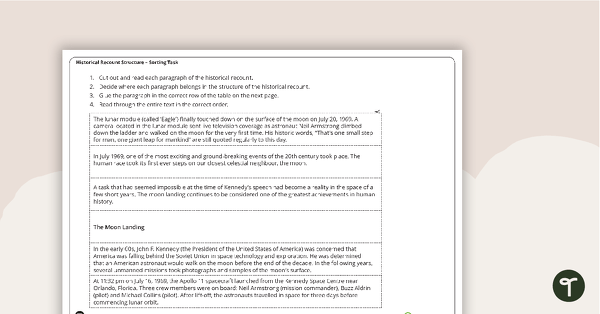
Historical Recount Structure Sorting Task – The Moon Landing
Teach your students about historical recount structure with this cut-and-paste sequencing worksheet.
- Plus Plan
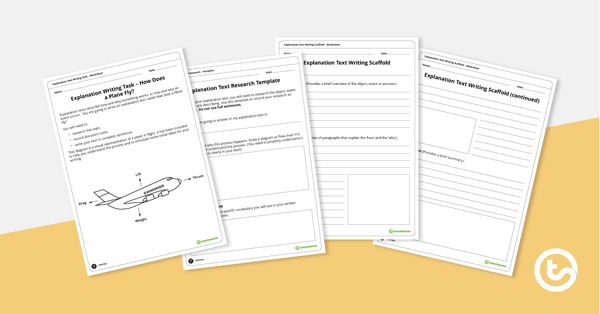
Explanation Writing Project – Methods of Transport
Get your students producing high-quality explanation writing with this fully scaffolded project, where students research, organise and publish an explanation text about a method of transport.