VC2M2M01
measure and compare objects based on length, capacity and mass using appropriate uniform informal units and smaller units for accuracy when necessary
- choosing suitable informal units to measure the length of a range of objects, and justifying their choice of a longer unit to measure things that are long (such as the width of a room) and a shorter unit to measure shorter things or when more accuracy is needed
- comparing the capacity of several containers using sand and units such as a spoon or cup, to say which container will hold the most and how much more it will hold; recording the results; writing an explanation of their measurement process, including using smaller units to be more accurate; and justifying the result
- using balance scales to compare the mass of several objects, selecting an appropriate informal unit; counting the number of informal units to determine which object is heavier and how much heavier; and explaining why the informal units chosen need to be the same mass
- recognising that the same informal unit needs to be used when measuring (for example, demonstrating and discussing why using different shoe lengths to measure the same distance could result in the measures being different) and discussing why a smaller-sized informal unit may result in a larger number of units compared to a larger-sized informal unit
- investigating Aboriginal and/or Torres Strait Islander Peoples’ use of body parts, such as hands, as uniform informal units of measurement used to measure and compare objects, for example, in the manufacturing of nets for a particular purpose
- investigating and comparing measurable attributes that are interpreted by Aboriginal and/or Torres Strait Islander Peoples to understand animal behaviour, such as the length, width and depth of animal tracks
- Plus Plan
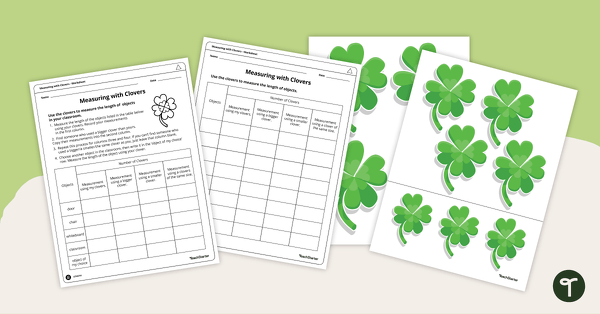
Measuring Length with Clovers Worksheet
Measure familiar objects using our lucky clover in this St Patrick’s Day maths activity!
- Plus Plan
Assessment - Measuring Mass with Informal Units
A 30 minute assessment in which students will demonstrate their knowledge and understanding of mass.
- Plus Plan
Introduction to Mass
A 60 minute lesson in which students will explore the concept of mass by comparing and ordering objects.
- Plus Plan
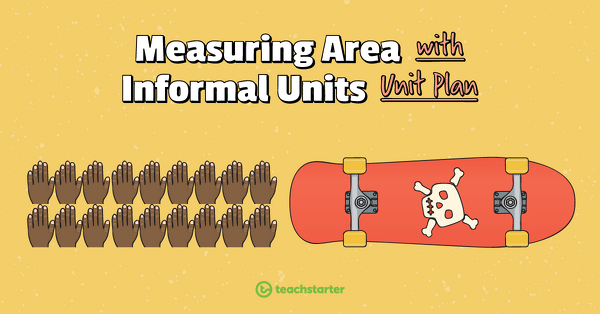
Measuring Area with Informal Units Unit Plan
This Mathematics unit addresses the concept of measuring, comparing and ordering area using informal units.
- Plus Plan
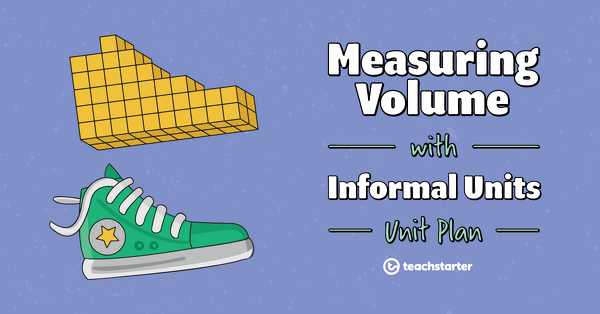
Measuring Volume with Informal Units Unit Plan
This Mathematics unit addresses the concept of measuring, comparing and ordering volume using informal units.
- Plus Plan
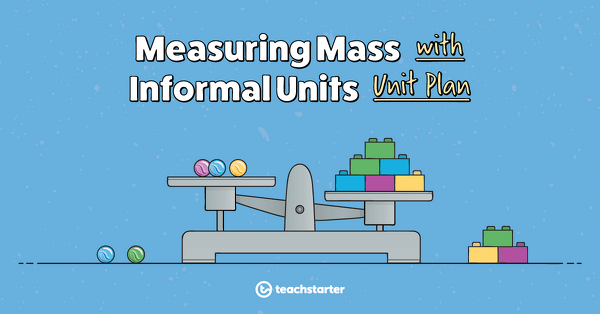
Measuring Mass with Informal Units Unit Plan
This Mathematics unit addresses the concept of measuring, comparing and ordering mass using informal units.
- Plus Plan
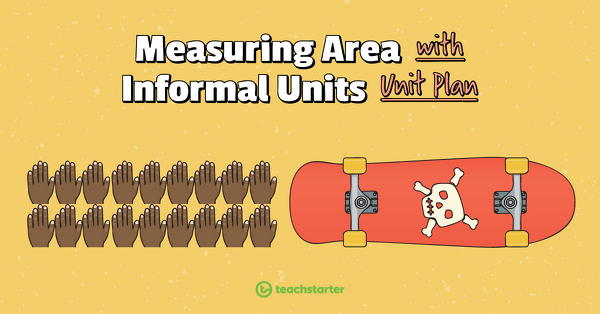
Assessment - Measuring Area with Informal Units
A 30 minute assessment in which students will demonstrate their knowledge and understanding of area.
- Plus Plan
Mass Investigation - How Heavy Are the Objects in Your Classroom?
A 60 minute lesson in which students will apply knowledge and understanding of mass to a real-world context.
- Plus Plan
Assessment - Measuring Volume with Informal Units
A 30 minute assessment in which students will demonstrate their knowledge and understanding volume.
- Plus Plan
Measuring Volume
A 60 minute lesson in which students will measure volumes of 3D objects using informal units.
- Plus Plan
Introduction to Volume
A 60 minute lesson in which students will explore the concept of volume by comparing and ordering objects.
- Plus Plan
Measuring Area
A 60 minute lesson in which students will explore the concept of area and how it can be measured using informal square units.
- Plus Plan
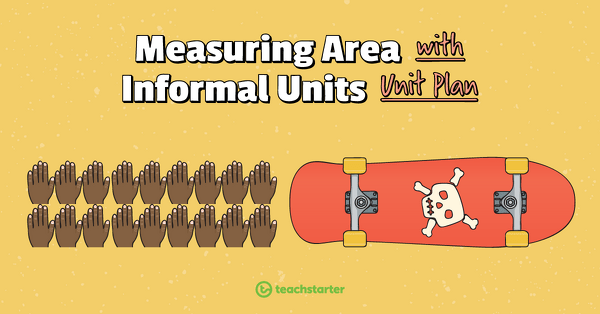
Introduction to Area
- Plus Plan
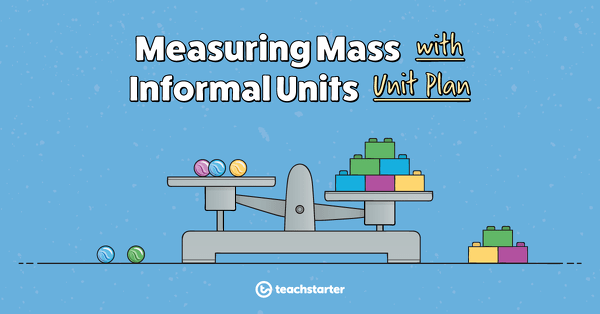
Revision of Mass
A 60 minute lesson in which students will revise and consolidate the concept of mass.
- Plus Plan
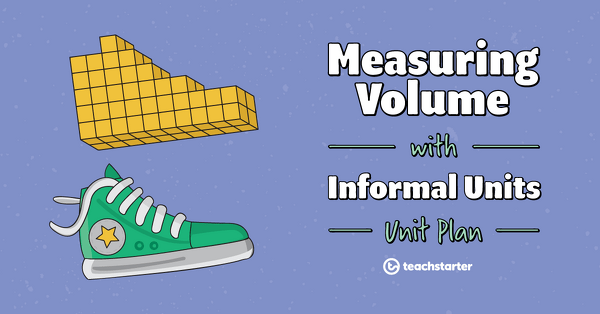
Revision of Volume
A 60 minute lesson in which students will revise and consolidate the concept of volume.
- Plus Plan
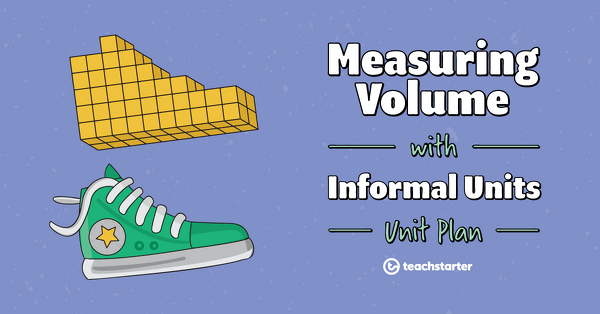
Volume Investigation - The Land of Cubes
A 60 minute lesson in which students will apply knowledge and understanding of volume to a real-world context.
- Plus Plan
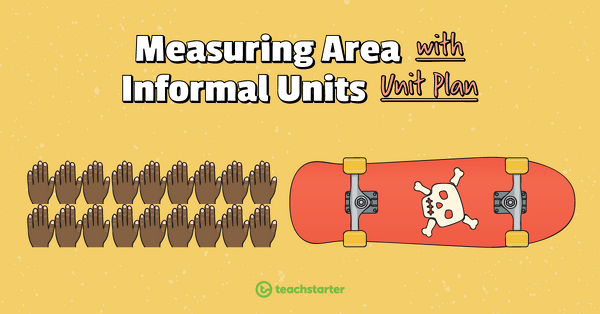
Measuring Area of Shapes
A 60 minute lesson in which students will measure the area of plane shapes using informal square units.
- Plus Plan
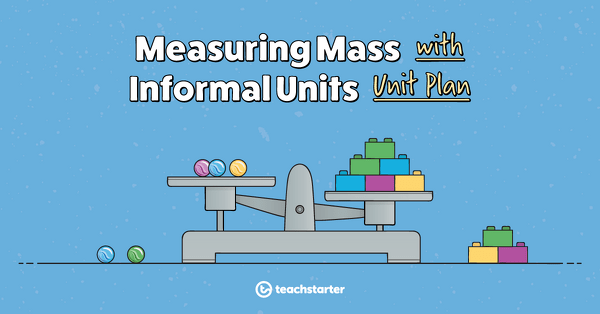
Using Balance Scales
A 60 minute lesson in which students will create a set of balance scales for measuring and comparing the masses of objects.
- Plus Plan
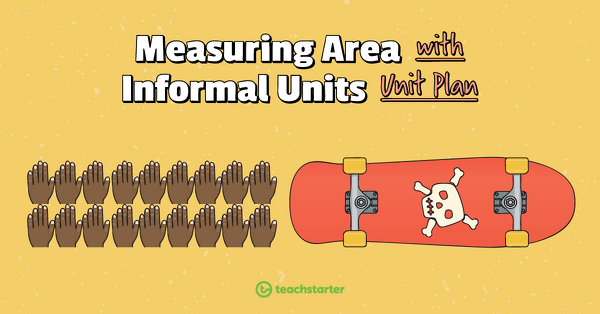
Revision of Area
A 60 minute lesson in which students will revise and consolidate the concept of area.
- Plus Plan
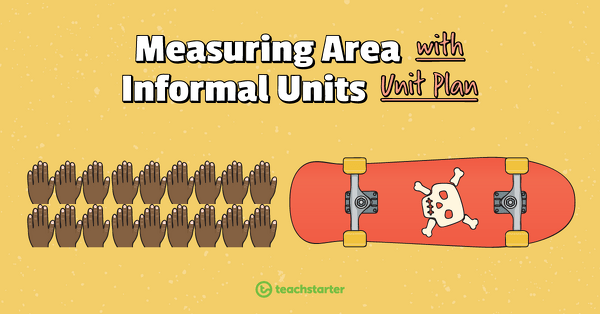
Area Investigation - Big, Loud Feet!
A 60 minute lesson in which students will apply knowledge and understanding of area to a real-world context.
- Plus Plan
Comparing and Ordering Mass
A 60 minute lesson in which students will develop the concept of mass by comparing and ordering the masses of objects.