Victorian Curriculum
VC2S2H02
science is used by people in their daily lives, including asking questions and using patterns from observations of the world around them to make scientific predictions
- identifying ways that scientific knowledge is used in the care of the local environment to meet the needs of native animals and in designing supports to meet the needs of those animals, such as building frog and insect hotels and nesting boxes or recycling materials to provide habitat
- recognising how Aboriginal and/or Torres Strait Islander Peoples observe cyclic changes of night and day length, star patterns in the sky and seasons to predict when events occur, for example following seasonal calendars such as the Gariwerd calendar of the Djab Wurrung and Jardwardjali Peoples to associate the appearance of the emu constellation with the wildflower season during September to November
- sharing examples of how people use scientific knowledge at home, such as by listening to or viewing weather forecasts or observing weather patterns when planning family events or outings, and wearing appropriate clothing for the season
- discussing how people manage light and sound at home to ensure that they do not disturb each other or their neighbours, such as quietly closing doors, turning down the lights, taking off shoes on wooden floors and using window coverings
- learning from people who work with materials, such as woodworkers, product designers and artists (such as fibre artists and sculptors), about how they observe and learn about properties of materials and how they use creativity when manipulating materials
- investigating toys and digital tools that are sound-activated or voice-activated, and engaging in guided discussions about how some devices use voice patterns to recognise the unique features of an individual’s voice or to help people manage daily activities such as turning on lights and communicating with others
Show more
4
teaching resources for those 'aha' moments
- Plus Plan
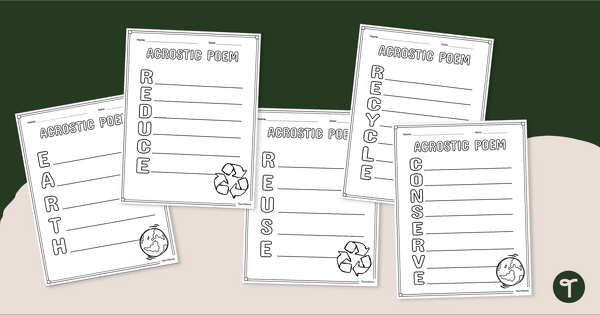
Earth Day - Acrostic Poem Template Pack
An acrostic poem template to use in the classroom to celebrate Earth Day and National Poetry Month.
- Plus Plan
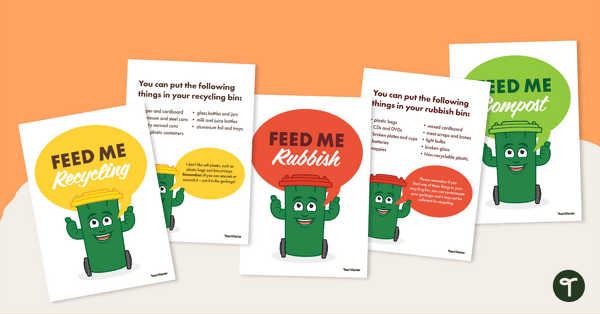
Rubbish Bin Posters - Rubbish, Recycling and Compost
Posters outlining what can be put in the different types of bins.
- Plus Plan
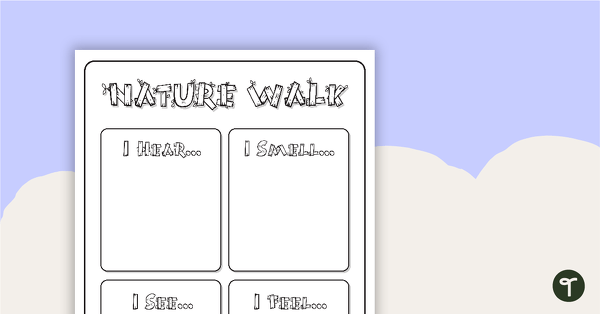
Nature Walk Senses Worksheet
Use this worksheet during a nature walk to encourage children to listen, smell, look and feel!
- Plus Plan
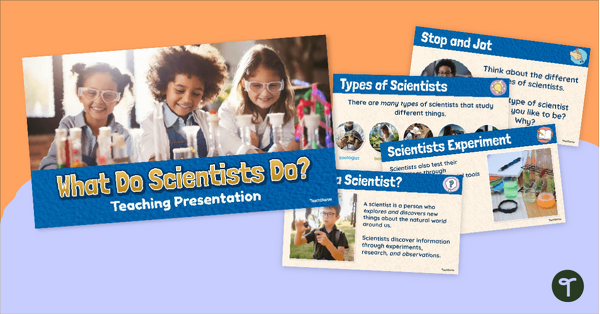
What Do Scientists Do? Teaching Slides
Discover what scientists do, the tools they use, and more with our 'What Do Scientists Do?' Teaching Presentation.