
Incorporating visual brain teasers into your classroom routine is a great way to encourage your students to think more creatively while keeping learning engaging and fun. We have searched the internet for some simple yet effective children’s brain teasers that will encourage logical reasoning and strengthen those very important problem‑solving skills. Your students will absolutely love the challenge, and chances are you’ll find yourself having a crack at a few of them as well!
How to Use Visual Brain Teasers in the Classroom
Before we get stuck in, here are a few of the ways our teacher team loves using visual puzzles in the classroom. It’s definitely not the full list, but it might give you a spark of inspiration.
- Use them as a fast‑finisher task by popping a visual mind teaser up on the board for students who complete their work early. (These brain teaser task cards are perfect for projecting!)
- Start a lesson with a warm‑up puzzle to get everyone settled and thinking, whether it’s for maths, literacy or critical‑thinking sessions.
- Create a daily or weekly puzzle routine, so students know to expect a new challenge and look forward to solving it.
- Encourage classroom discussions after students attempt the puzzle, asking them to share how they figured it out or what strategies they used.
- Use them to support teamwork by having students work in pairs or small groups to solve trickier visual puzzles together.
These small, playful challenges pack a big punch, making brain teasers for kids a fun and valuable addition to any Aussie primary classroom.
Children’s Mind Teasers with Answers
You’ll find the answers to these visual brain teasers at the end of the post, so we won’t spill the beans just yet. Have a crack at them yourself first — it’s a great little mental workout and a fun way to sharpen your own lateral‑thinking skills before you share them with your students.
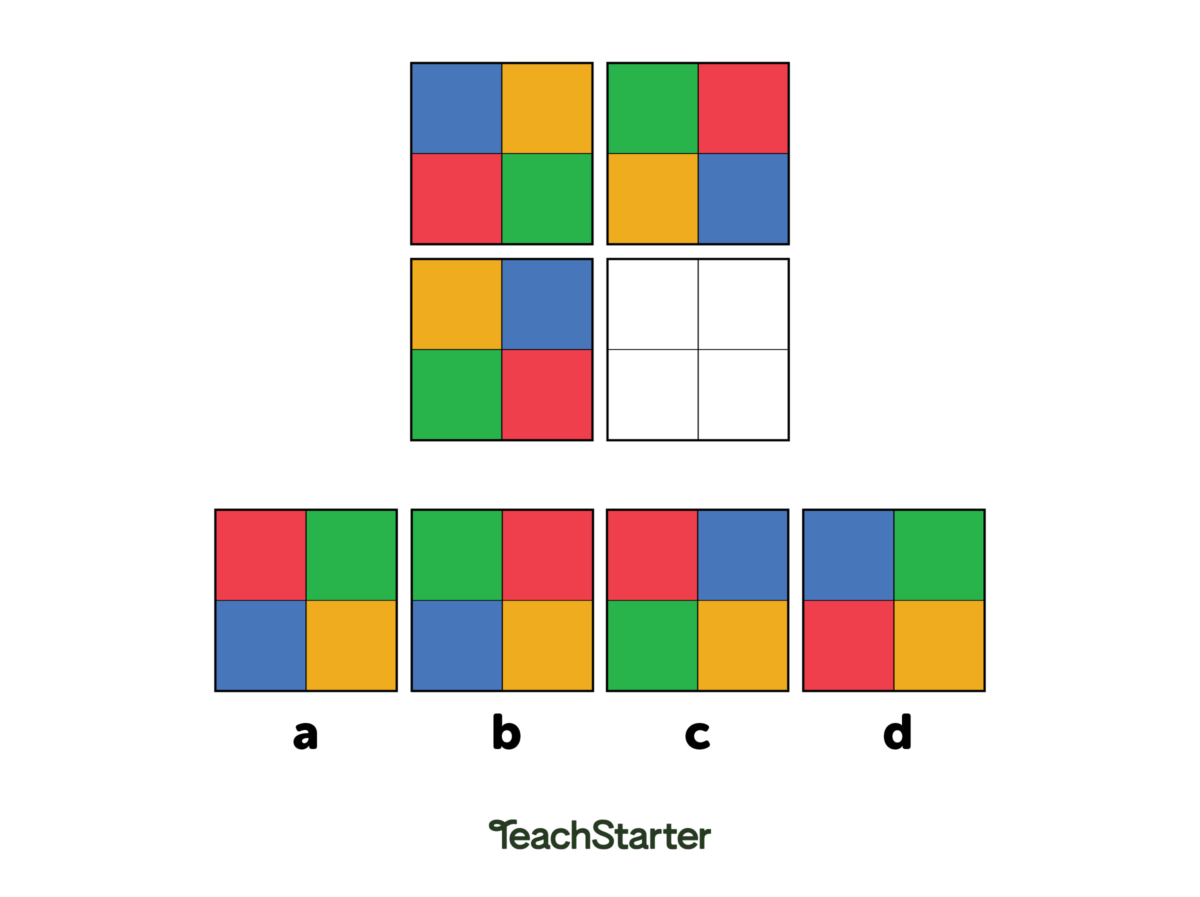
1. What Comes Next?
Let’s start with a visual mind teaser for pattern recognition. Can your students work out which patterned block goes in the fourth spot?
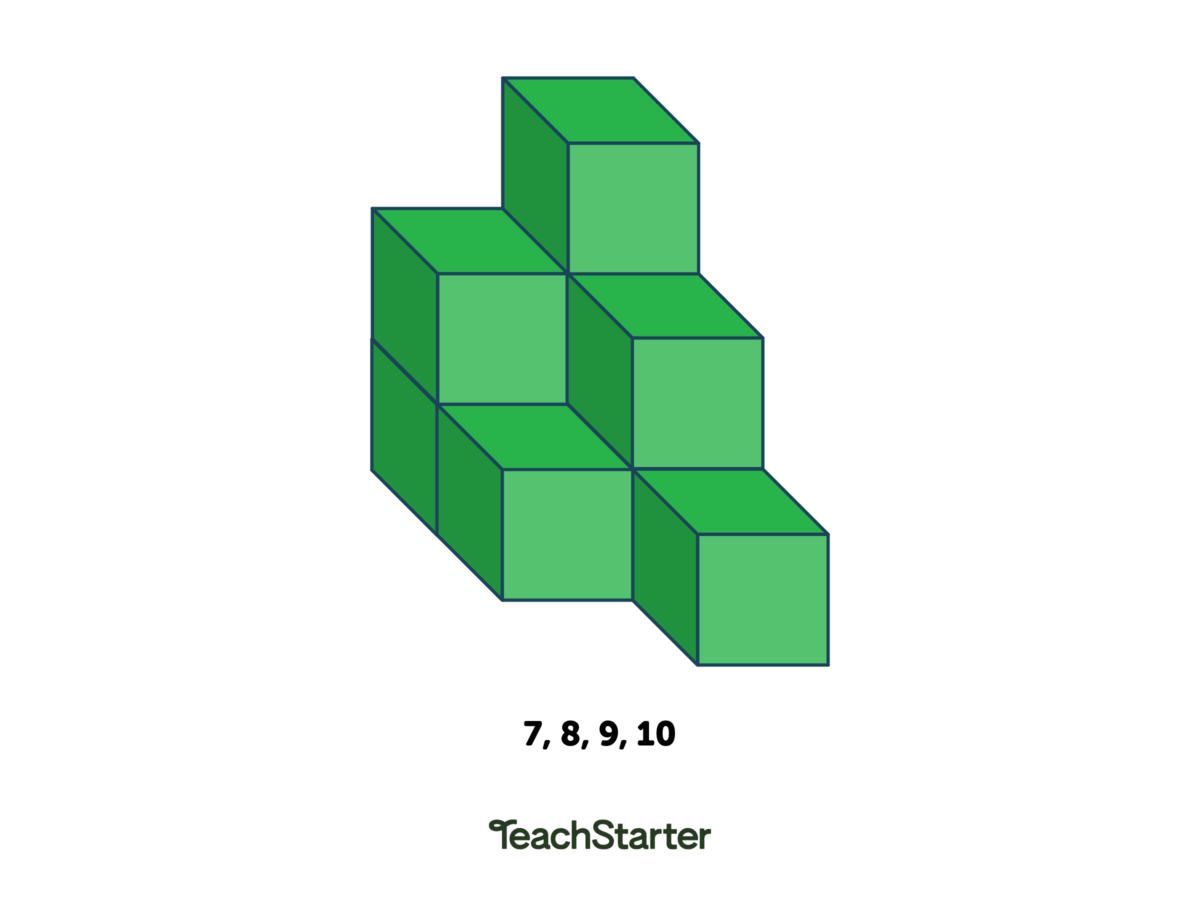
2. How Many Blocks Are in This Tower?
A brainteaser puzzle to test students’ spatial visualisation and their ability to study 3D shapes. Can your students determine how many blocks are in this 3D tower?
Studying 3D shapes? This interactive slide deck has 30 slides to introduce real-life 3D objects!
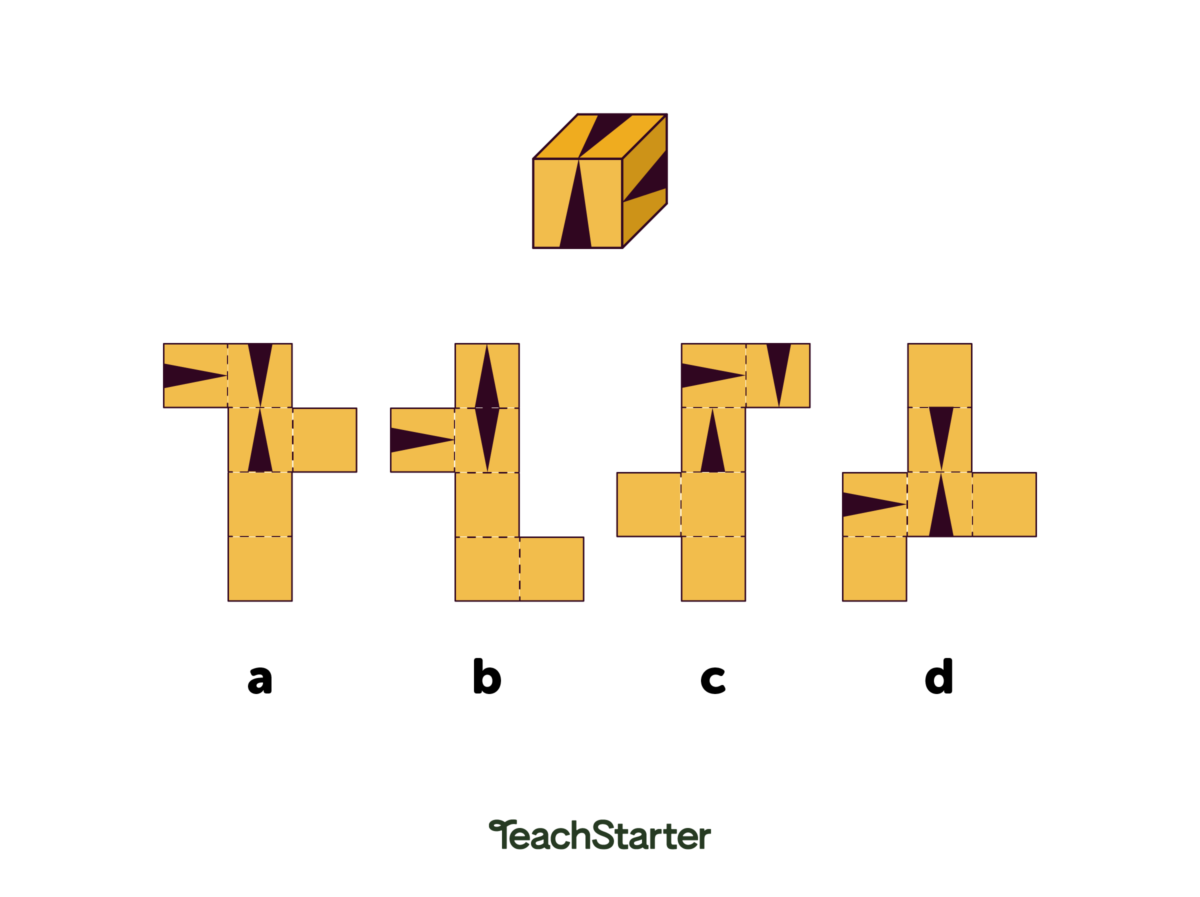
3. Spatial Visualisation Test
This brainteaser is great for testing spatial visualisation. Students must mentally assemble the 3D cube to determine the correct net.
Print out 3D nets to turn the brain teaser into a hands-on activity!
4. How Many Triangles?
In this visual brainteaser puzzle, students must use their critical thinking skills to determine the number of triangles in the image.
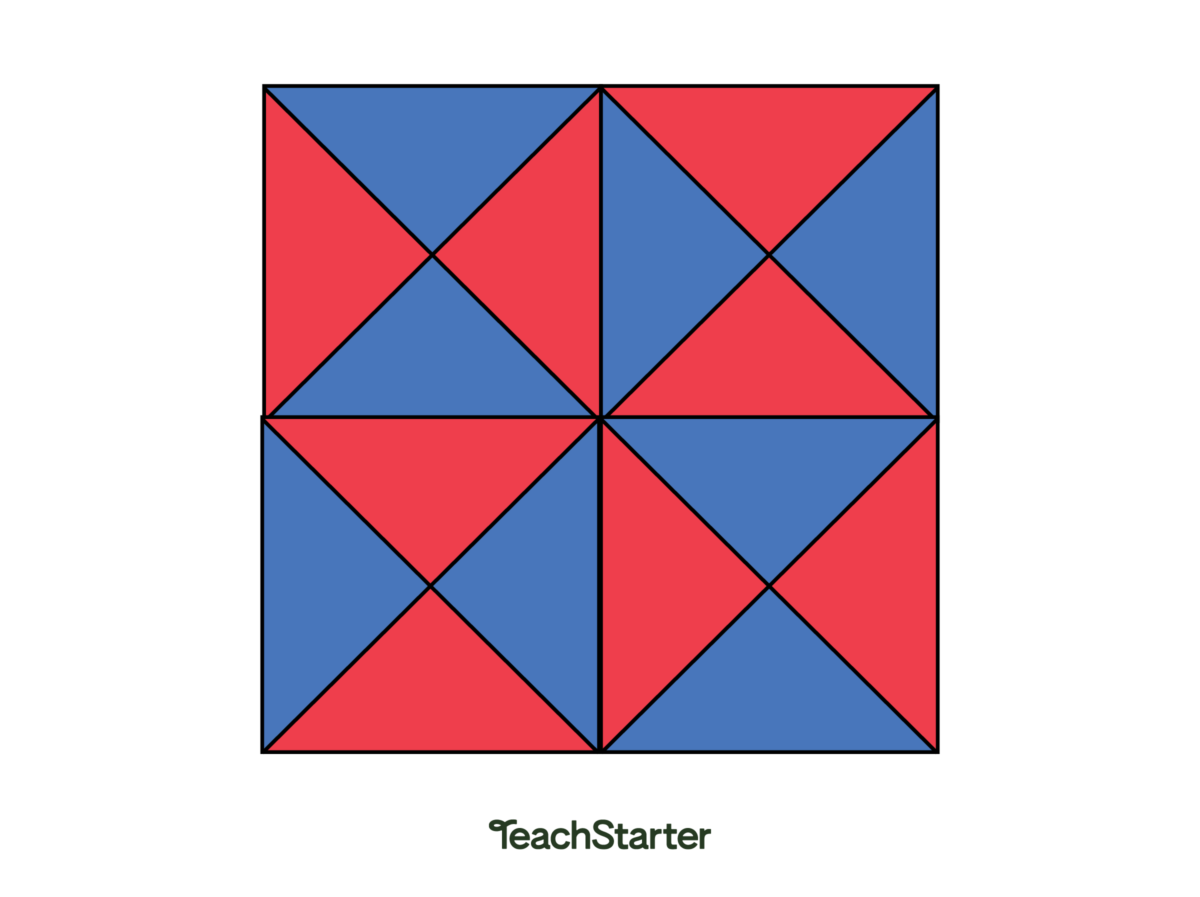
Explore our teacher team’s favourite resource for identifying the different types of triangles!
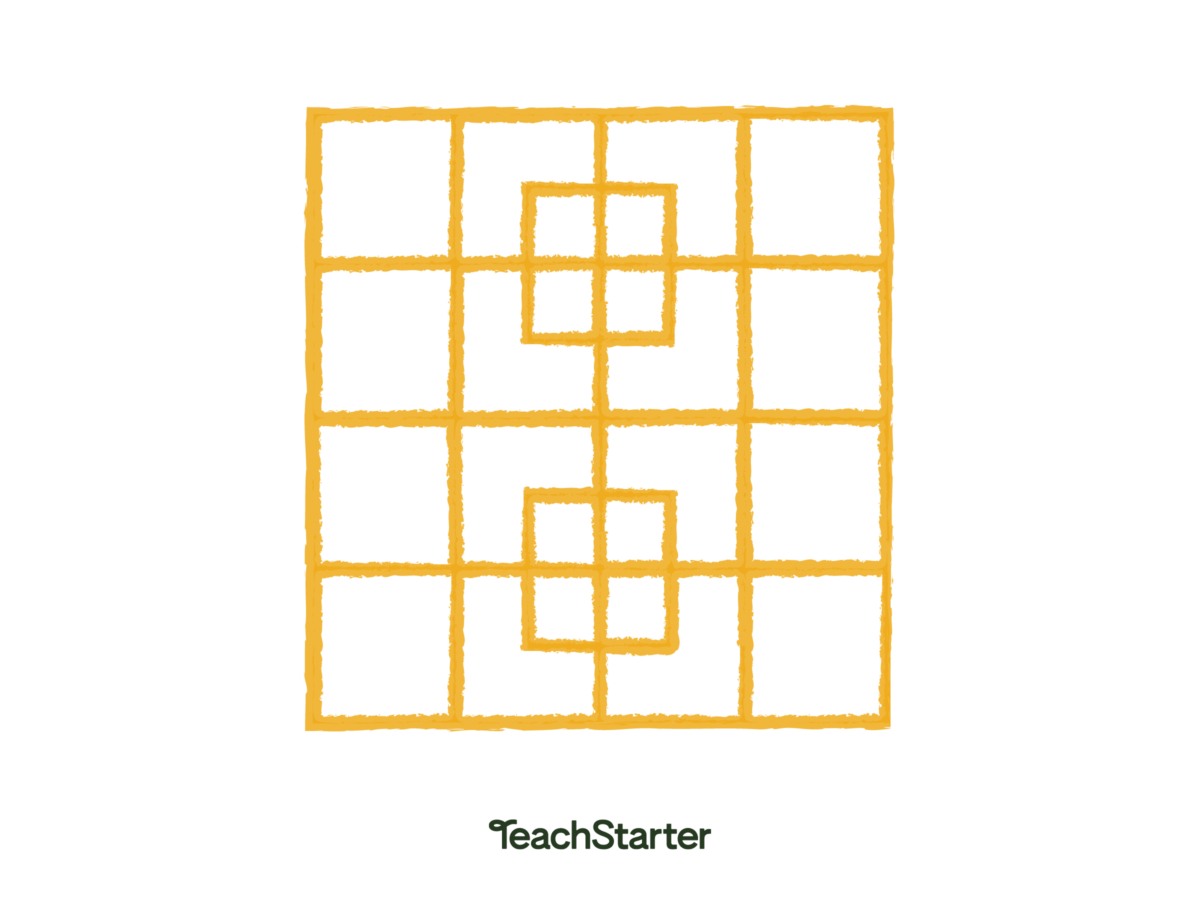
5. How Many Squares?
This one is similar to the brain game above; however, this time, students need to figure out how many squares they can see.
6. Move one glass only…
In this visual brainteaser puzzle, students can see three glasses on the left that are full and three on the right that are empty. If they make one small change, they can make a row of alternately full and empty glasses, but they only do one change! What do they have to do?
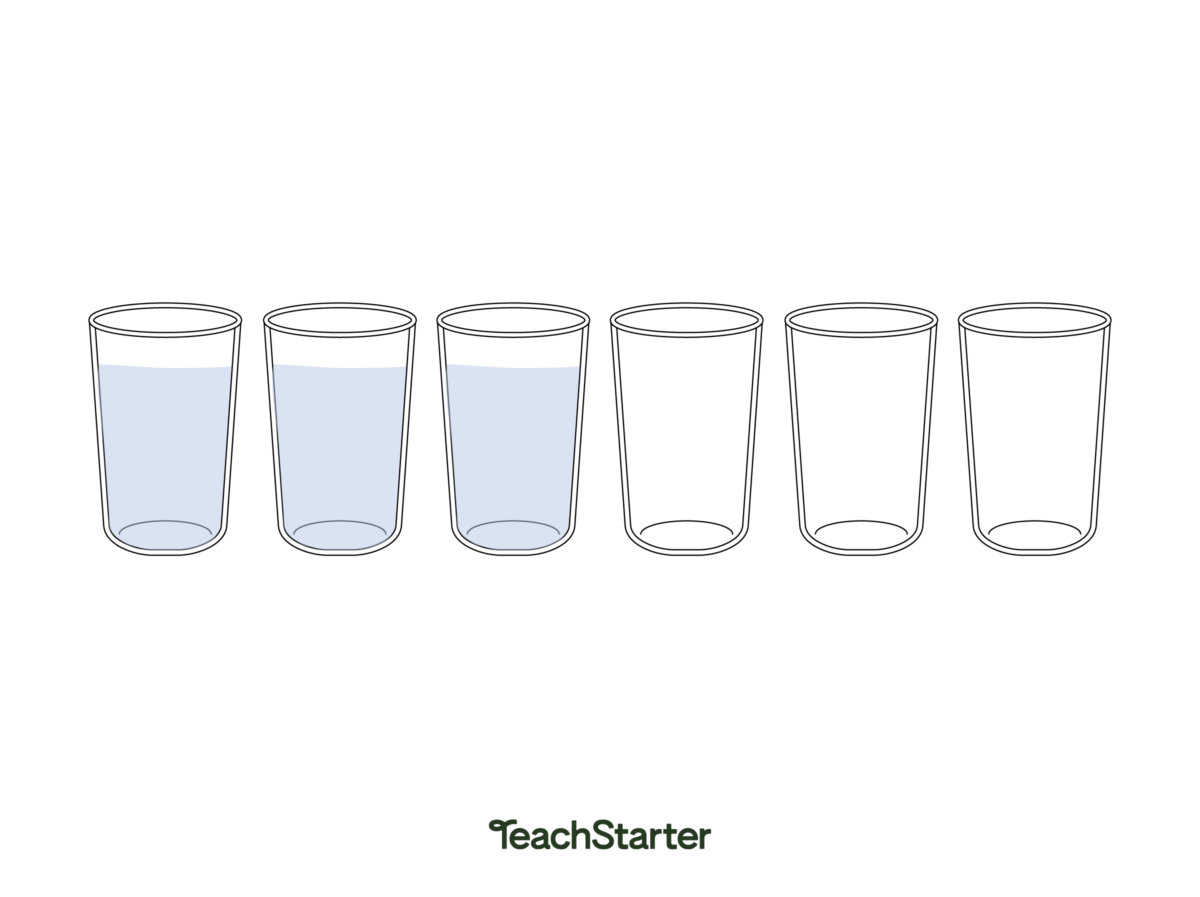
Once they’ve figured out the answer, how about trying a kid-friendly STEM experiment with water?
7. Make 10
The matchstick test is a great problem-solving brainteaser. Students need to remove six matches to make 10. Which ones do they move?
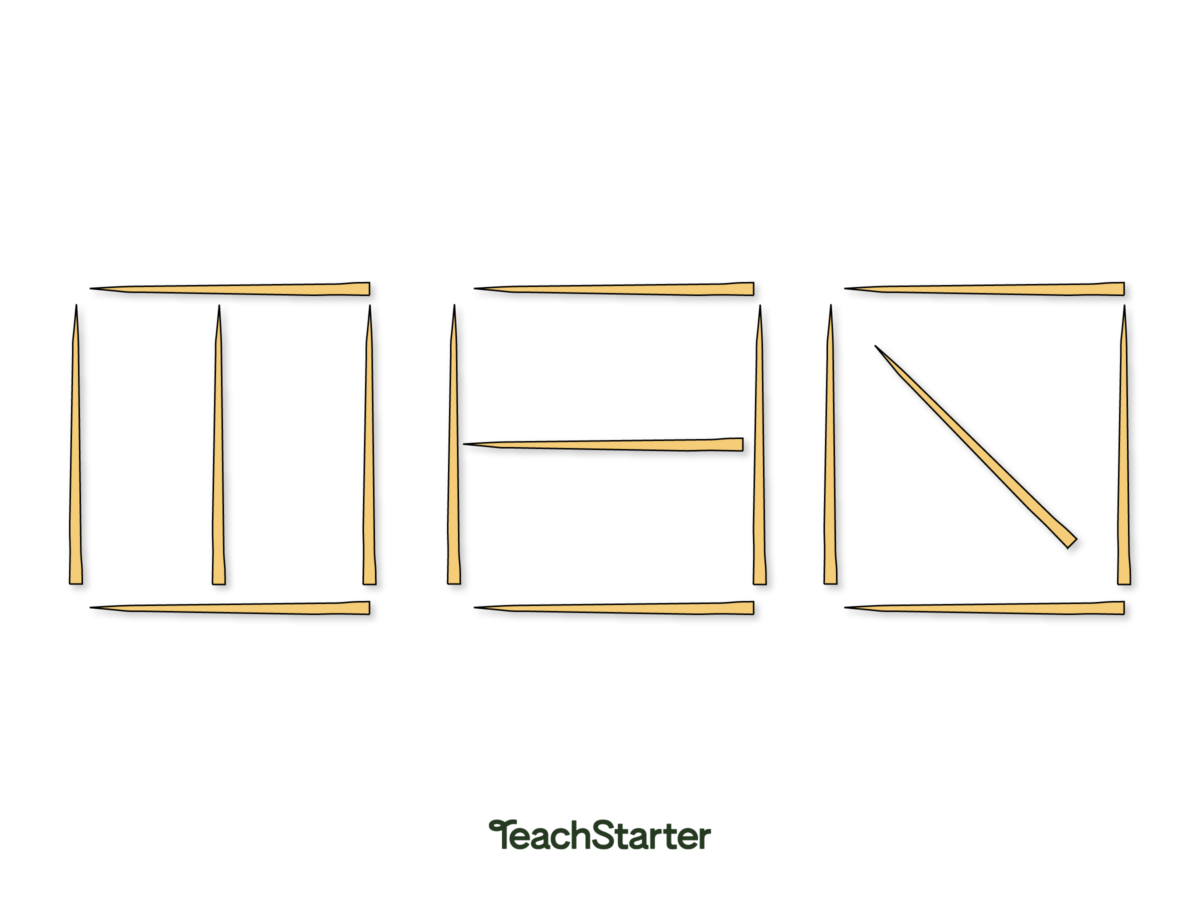
Why not bring in a box of toothpicks to make this brain teaser a bit more hands‑on for your students?
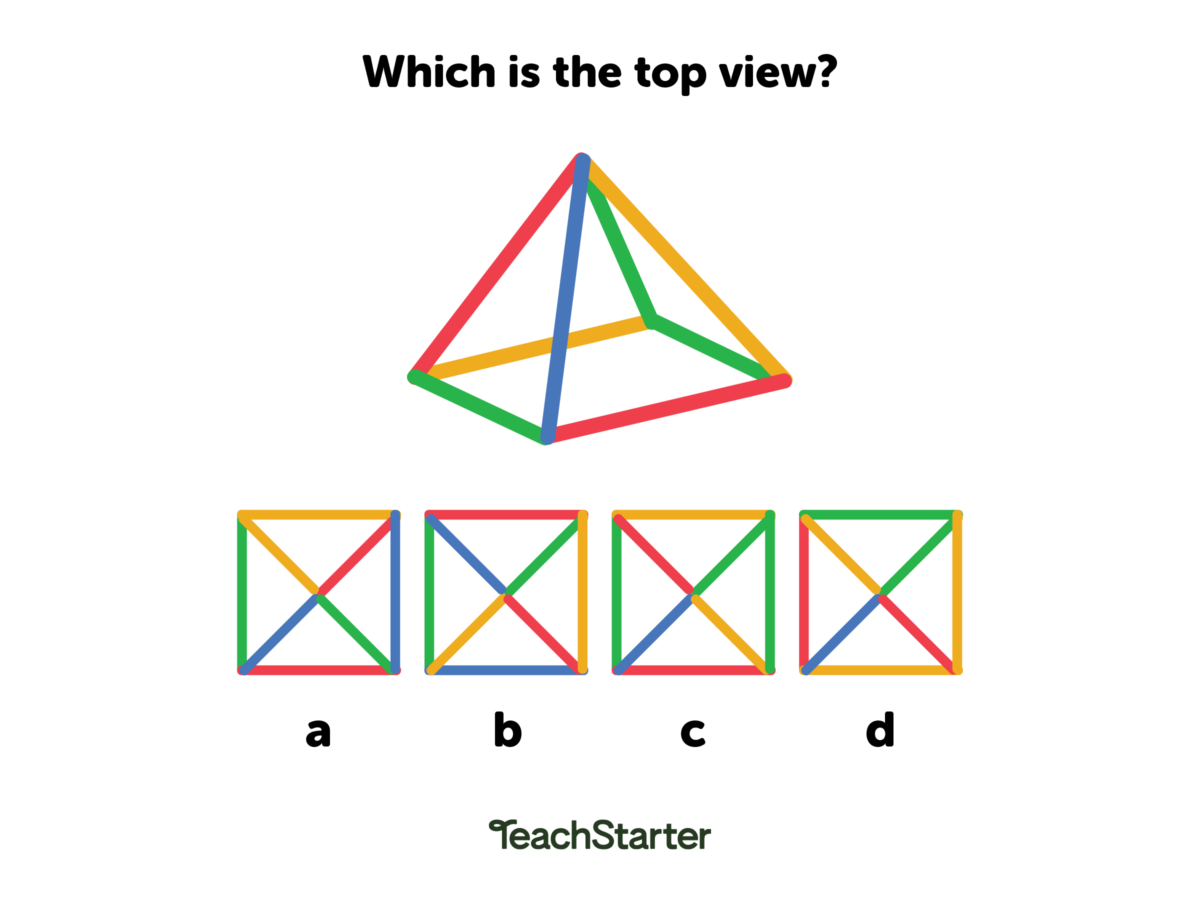
8. Top View
In this brain puzzle, students must figure out which is the top view. You may like to time them to see who can work out this one the quickest…
9. Which Parking Spot?
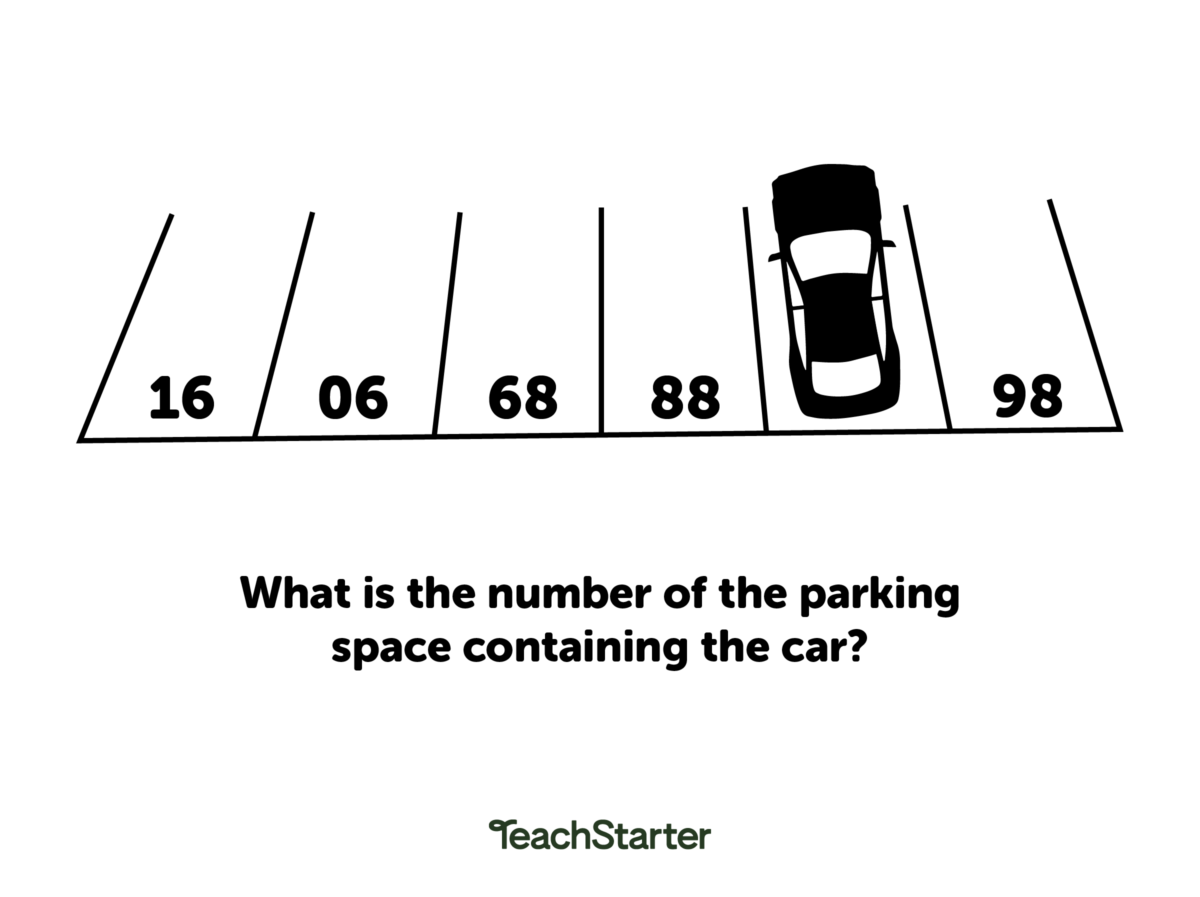
This brain teaser was spotted on a Hong Kong first-grade student admissions test, and it’s a great puzzle to encourage children to think laterally. Can you work it out? Apparently, children around the age of 6 are much more likely to solve this problem than older students and even adults.
10. What Do We Weigh?
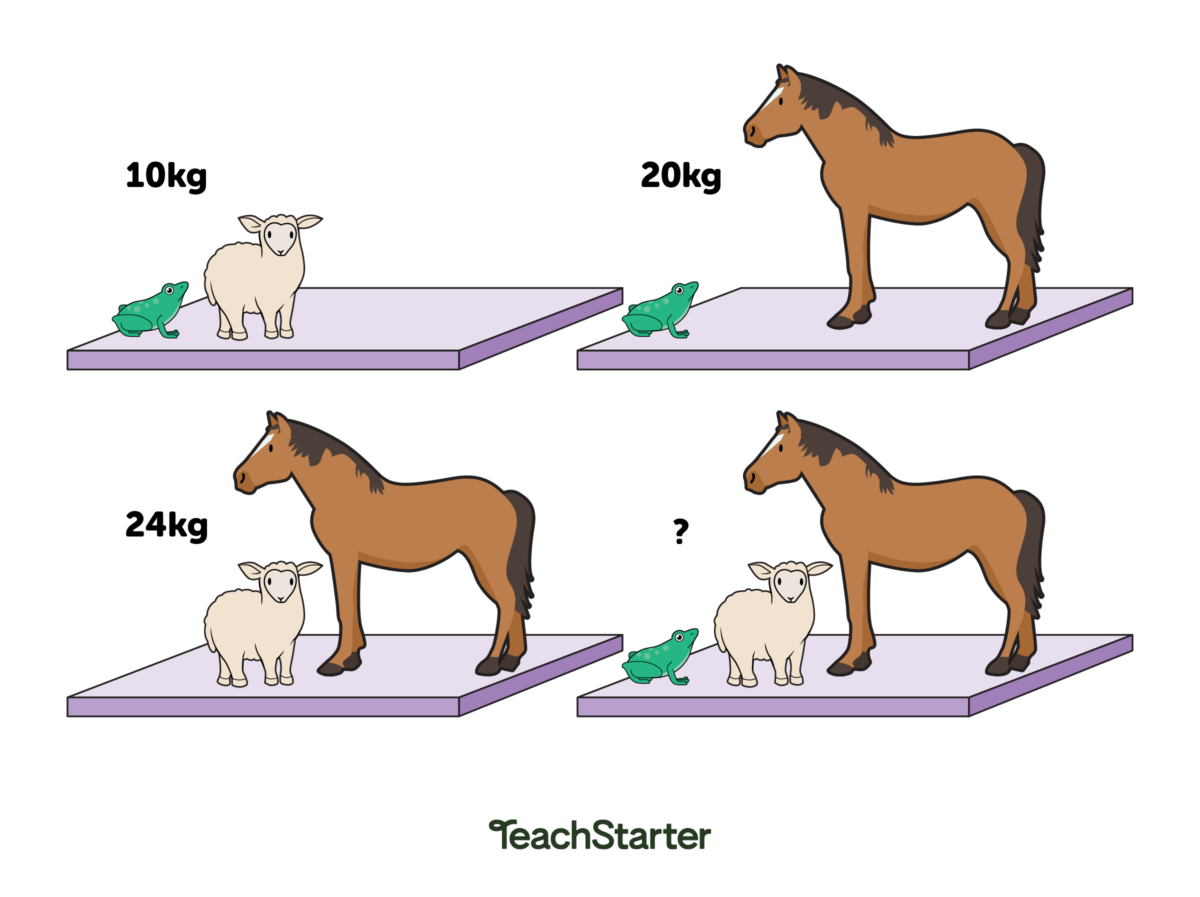
This is a great mathematical problem-solving activity for students to figure out the weight of a frog, sheep and horse. Can they do the maths to find out how much each individual animal weighs and then determine the total weight of all three?
Finished?
Finished these visual brain teasers with your class? Check out our 20 brainteaser task cards that get your students moving and thinking, using common classroom supplies such as crayons to solve problems.
Answers
- Opposite squares are exchanged in this problem, so the answer is A.
- There are 9 blocks.
- B and C can be immediately rejected visually. D will create a mirror image of the given cube. So the correct answer is A.
- There are 44 triangles.
- There are 40 squares.
- Pour the second glass from the left into the empty glass second from the right.
- You can make the word ‘ten’ by removing the bottom matchstick and two side matchsticks from the first letter. The far-right matchstick on the second letter and the top and bottom matchstick on the third letter.
- The answer is C.
- Turn the picture upside down. You will then see the following number sequence: 86, ?, 88, 89, 90, 91. So the answer is 87.
- Calculations will determine that the weight of the horse is 17 kg, the frog weighs 3 kg, and the sheep weighs 7 kg. The total weight is 27 kg!



Agree that the answers to question 3 is still incorrect. The correct answer is A. It can not be C because and no stage do two arrow tips touch each other.
Your answer is correct but the explanation may not be helpful as they already know the frog + sheep = 10. Here's the working incase someone is trying to find it . 1. frog + sheep = 10 2. frog + horse = 20 3. sheep + horse = 24 Therefore: f = 10 - s h = 24 - s f + h = 20 substitute in the 2 rearranged values for frog and horse 10 - s + 24 - s = 20 -2s = 20 -24-10 -s = -14 /2 s = 7 If s = 7 then h= 24-7 h = 17 f = 10 - s f = 10 - 7 f = 3 Frog = 3Kg (a very big frog) Sheep = 7Kg (a very very small sheep) Horse = 17 Kg (a very small miniature horse!) Total = 27Kg