ELAR 1.2
Developing and sustaining foundational language skills: listening, speaking, reading, writing, and thinking--beginning reading and writing. The student develops word structure knowledge through phonological awareness, print concepts, phonics, and morphology to communicate, decode, and spell. The student is expected to:
- (1) demonstrate phonological awareness by:
- (A) producing a series of rhyming words;
- (i) recognizing spoken alliteration or groups of words that begin with the same spoken onset or initial sound;
- (ii) distinguishing between long and short vowel sounds in one-syllable words;
- (iii) recognizing the change in spoken word when a specified phoneme is added, changed, or removed;
- (iv) blending spoken phonemes to form one-syllable words, including initial and/or final consonant blends;
- (v) manipulating phonemes within base words; and
- (vi) segmenting spoken one-syllable words of three to five phonemes into individual phonemes, including words with initial and/or final consonant blends;
- (vii) demonstrate and apply phonetic knowledge by:
- (B) decoding words in isolation and in context by applying
common letter sound correspondences;
- (i) decoding words with initial and final consonant blends, digraphs, and trigraphs;
- (ii) decoding words with closed syllables; open syllables; VCe syllables; vowel teams, including vowel digraphs and diphthongs; and r-controlled syllables;
- (iii) using knowledge of base words to decode common compound words and contractions;
- (iv) decoding words with inflectional endings, including -ed, -s, and -es; and
- (v) identifying and reading at least 100 high-frequency words from a research-based list;
- (vi) demonstrate and apply spelling knowledge by:
- (C) spelling words with closed syllables, open syllables,
VCe syllables, vowel teams, and r-controlled syllables;
- (i) spelling words with initial and final consonant blends, digraphs, and trigraphs;
- (ii) spelling words using sound-spelling patterns; and
- (iii) spelling high-frequency words from a research-based list;
- (iv) demonstrate print awareness by identifying the information that different parts of a book provide;
- (D) alphabetize a series of words to the first or second letter and use a dictionary to find words; and
- (E) develop handwriting by printing words, sentences, and answers legibly leaving appropriate spaces between words.
- (A) producing a series of rhyming words;
- Free Plan
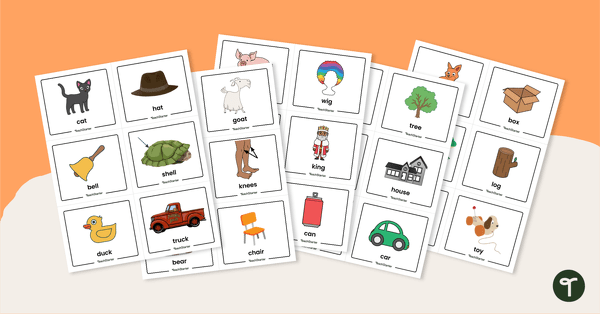
Rhyming Word Cards
Reinforce students' knowledge of rhyming words with this set of 30 picture cards.
- Plus Plan
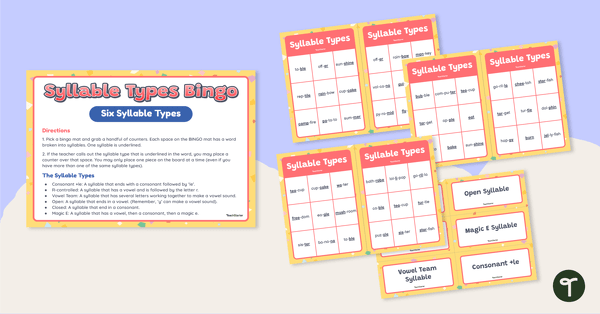
Syllable Types Bingo
Practice identifying the six syllable types in common words with this fun and engaging bingo game.
- Plus Plan
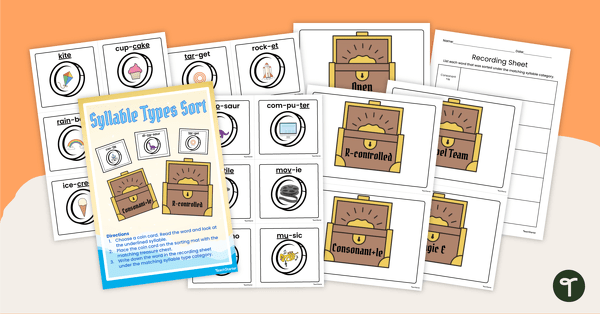
Syllable Examples Sorting Activity
Practice identifying and sorting syllable types in two- and three-syllable words with this treasure-themed sorting activity.
- Plus Plan
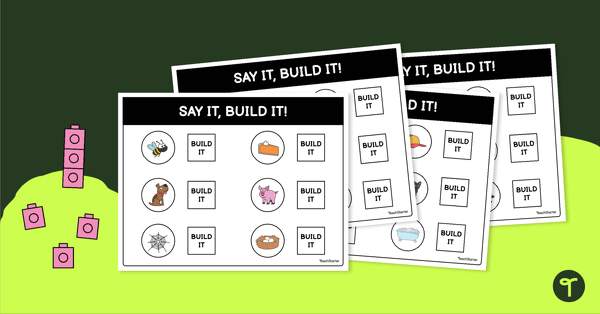
Phoneme Segmentation Work Mats - Build It!
Develop phonemic awareness using hands-on manipulatives with this set of ten phoneme segmentation work mats.
- Plus Plan
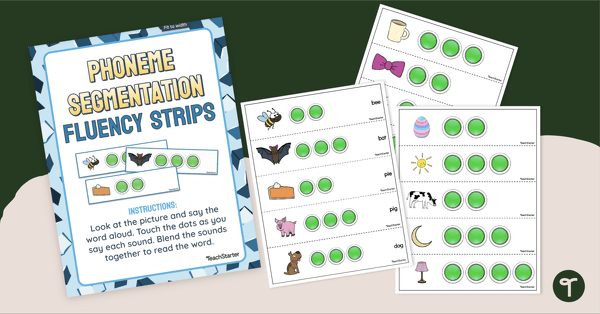
Phoneme Segmentation Fluency Strips
Develop students’ ability to segment and blend phonemes with this comprehensive set of phoneme segmentation fluency strips.
- Plus Plan
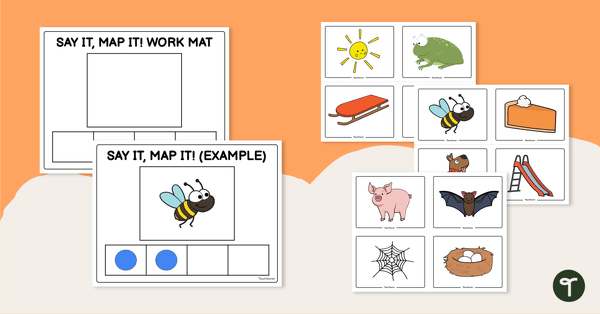
Phoneme Segmentation Work Mats - Count It!
Develop phonemic awareness using hands-on manipulatives with this counting phonemes work mat and accompanying picture cards.
- Plus Plan
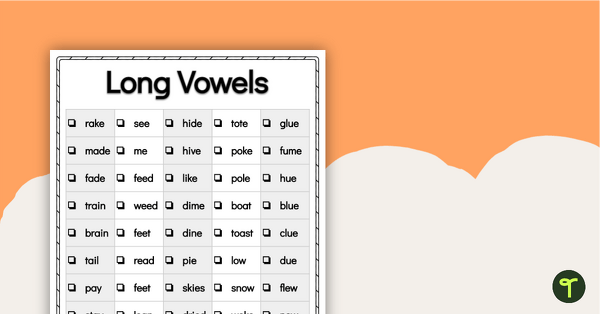
Word Study List - Long Vowels
Introduce and explore words containing graphemes that make long vowel sounds with this extensive list of words.
- Plus Plan
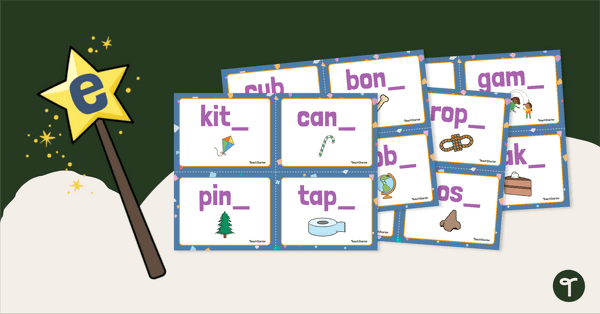
Magic E Wand and Word Cards
Create a crafty phonics activity to explore the power of the magic e in CVCe words.
- Plus Plan
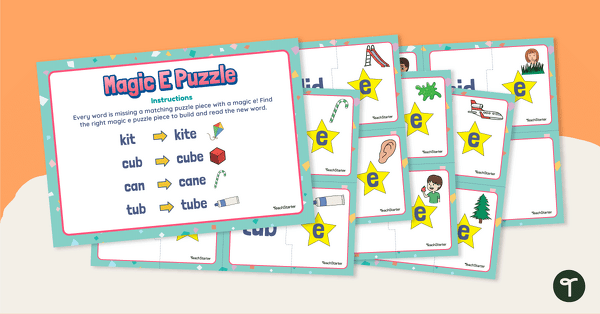
Magic E Words - Match-Up Activity
Explore words containing long vowel sounds created by the magic e.
- Free Plan
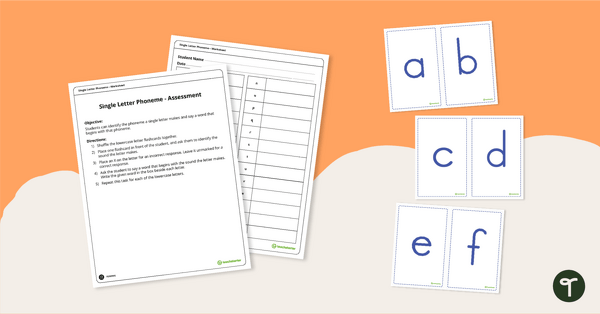
Quick Phonics Screener- Single Letter Phoneme
Test your students' knowledge of single letter phonemes with this student assessment kit.
- Free Plan
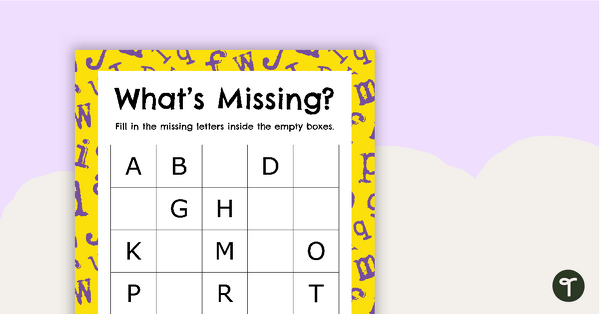
What's Missing? - Alphabet Worksheet
A set of worksheets to practice writing the letters of the alphabet in order.
- Plus Plan
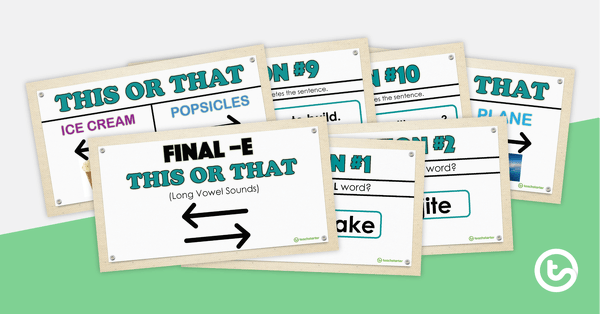
This or That! PowerPoint Game - Final e Words
An active PowerPoint game to practice decoding words with final -e.
- Plus Plan
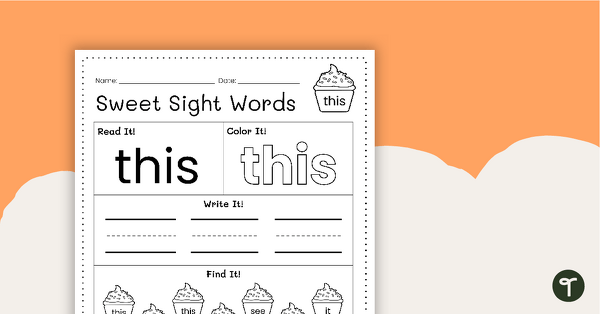
Sweet Sight Words Worksheet - THIS
Practice reading, writing, and identifying the high-frequency word “this” from the Kindergarten-level Dolch sight words list.
- Plus Plan
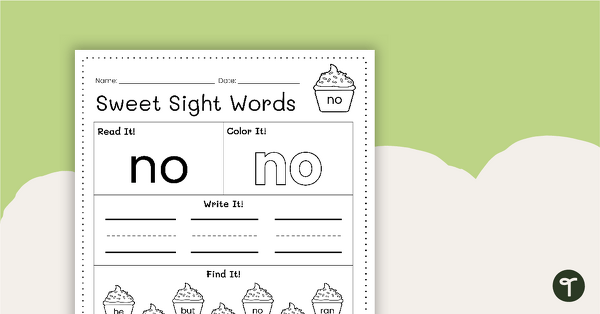
Sweet Sight Words Worksheet - NO
Practice reading, writing, and identifying the high-frequency word “no” from the Kindergarten-level Dolch sight words list.
- Plus Plan
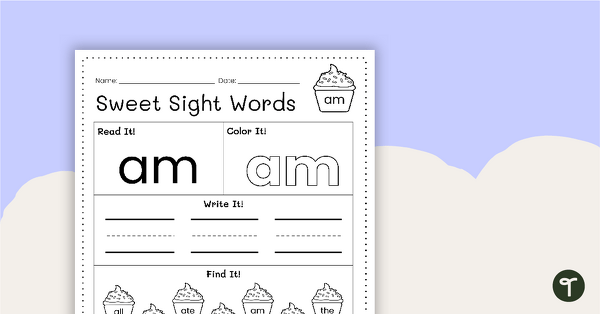
Sweet Sight Words Worksheet - AM
Practice reading, writing, and identifying the high-frequency word “am” from the Kindergarten-level Dolch sight words list.
- Plus Plan
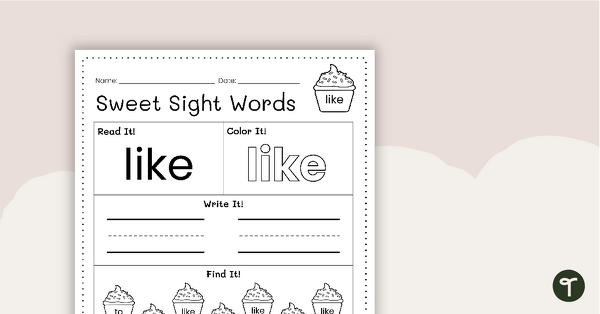
Sweet Sight Words Worksheet - LIKE
Practice reading, writing, and identifying the high-frequency word “like” from the Kindergarten-level Dolch sight words list.
- Plus Plan
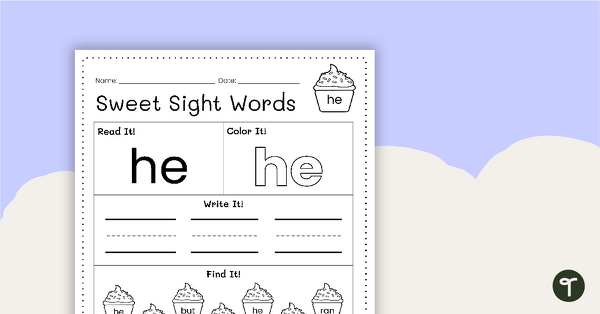
Sweet Sight Words Worksheet - HE
Practice reading, writing, and identifying the high-frequency word “he” from the Kindergarten-level Dolch sight words list.
- Plus Plan
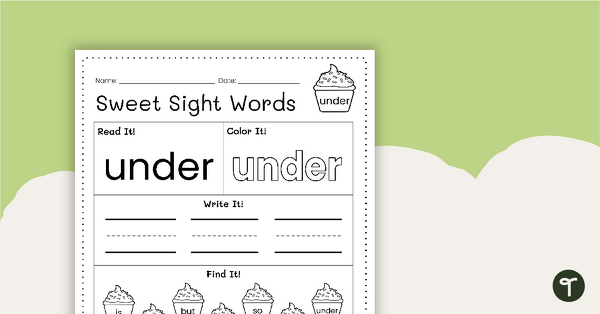
Sweet Sight Words Worksheet - UNDER
Practice reading, writing, and identifying the high-frequency word “under” from the Kindergarten-level Dolch sight words list.
- Plus Plan
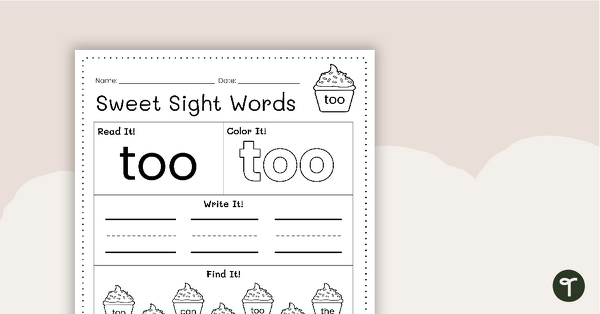
Sweet Sight Words Worksheet - TOO
Practice reading, writing, and identifying the high-frequency word “too” from the Kindergarten-level Dolch sight words list.
- Plus Plan
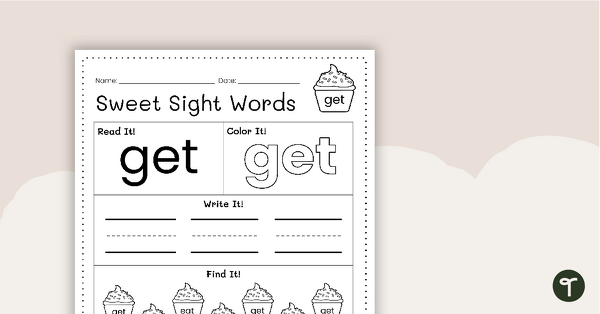
Sweet Sight Words Worksheet - GET
Practice reading, writing, and identifying the high-frequency word “get” from the Kindergarten-level Dolch sight words list.
- Plus Plan
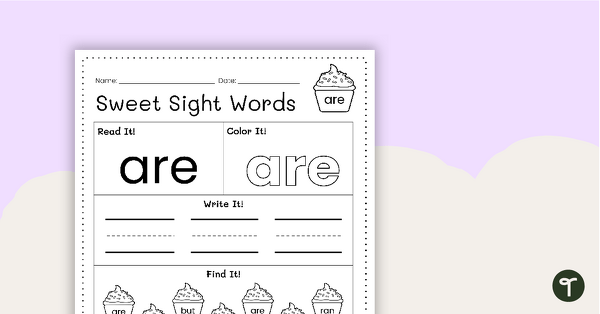
Sweet Sight Words Worksheet - ARE
Practice reading, writing, and identifying the high-frequency word “are” from the Kindergarten-level Dolch sight words list.
- Plus Plan
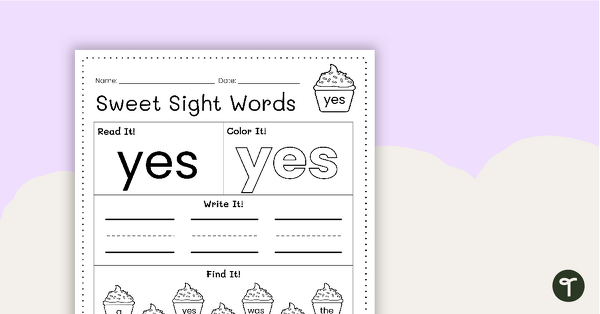
Sweet Sight Words Worksheet - YES
Practice reading, writing, and identifying the high-frequency word “yes” from the Kindergarten-level Dolch sight words list.
- Plus Plan
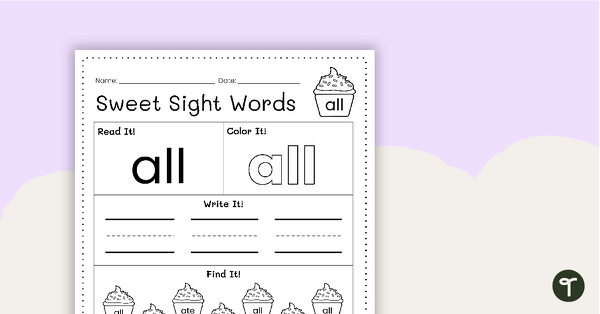
Sweet Sight Words Worksheet - ALL
Practice reading, writing, and identifying the high-frequency word “all” from the Kindergarten-level Dolch sight words list.
- Plus Plan
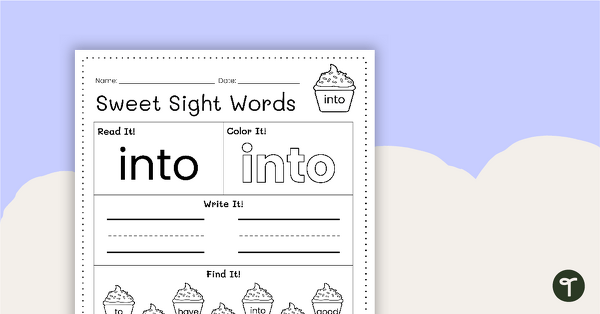
Sweet Sight Words Worksheet - INTO
Practice reading, writing, and identifying the high-frequency word “into” from the Kindergarten-level Dolch sight words list.
- Plus Plan
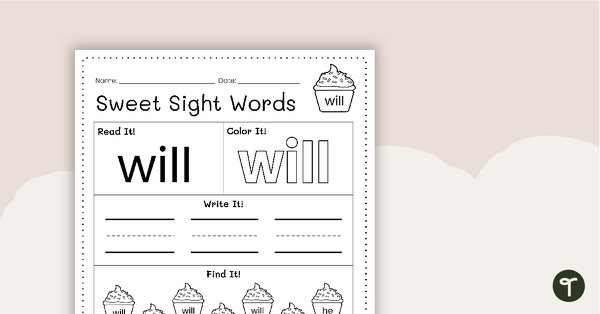
Sweet Sight Words Worksheet - WILL
Practice reading, writing, and identifying the high-frequency word “will” from the Kindergarten-level Dolch sight words list.
- Plus Plan
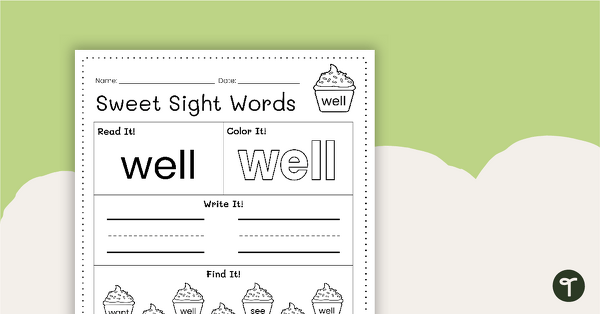
Sweet Sight Words Worksheet - WELL
Practice reading, writing, and identifying the high-frequency word “well” from the Kindergarten-level Dolch sight words list.
- Plus Plan
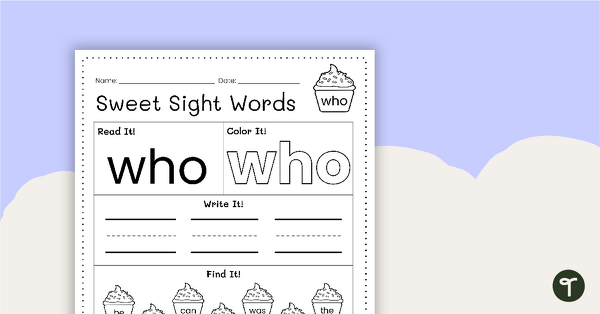
Sweet Sight Words Worksheet - WHO
Practice reading, writing, and identifying the high-frequency word “who” from the Kindergarten-level Dolch sight words list.
- Plus Plan
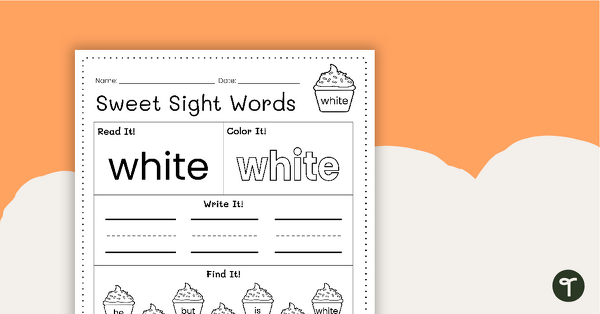
Sweet Sight Words Worksheet - WHITE
Practice reading, writing, and identifying the high-frequency word “white” from the Kindergarten-level Dolch sight words list.
- Plus Plan
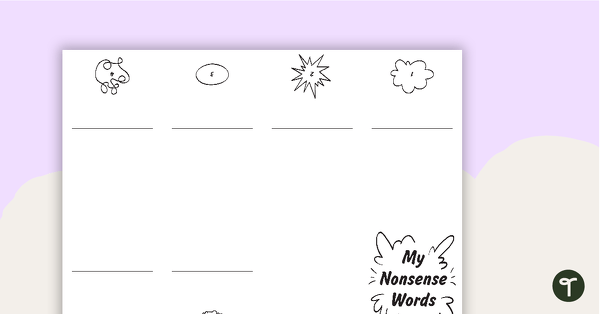
My Nonsense Word Mini-Book - Template
Celebrate Read Across America and Roald Dahl Day by creating a nonsense word mini-book with this handy template.
- Plus Plan
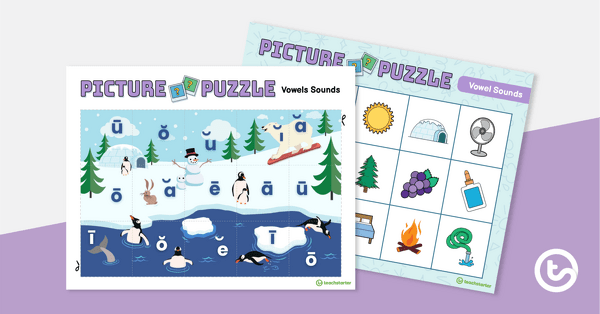
Vowel Sounds Winter Picture Puzzle
Distinguish between long and short vowel sounds with this 15 piece vowel picture puzzle.
- Plus Plan
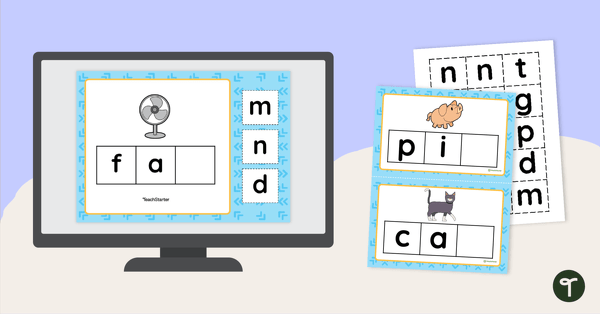
How Does It End? - Final Sounds Printable or Interactive Activity
Practice spelling CVC words with this set of 15 fill-in-the-blank word cards and their matching missing letters.
- Plus Plan
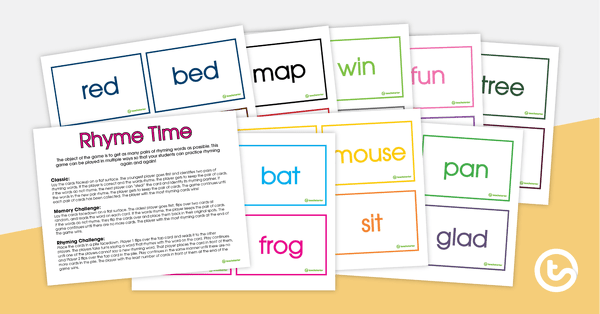
Rhyme Time - Match-Up Activity
A set of 32 match-up cards for students to practice rhyming.