Year 2
The English curriculum is built around the three interrelated strands of language, literature and literacy. Teaching and learning programs should balance and integrate all three strands. Together, the strands focus on developing students' knowledge, understanding and skills in listening, reading, viewing, speaking, writing and creating. Learning in English builds on concepts, skills and processes developed in earlier years, and teachers will revisit and strengthen these as needed.
In Year 2, students communicate with peers, teachers, students from other classes and community members.
Students engage with a variety of texts for enjoyment. They listen to, read, view and interpret spoken, written and multimodal texts in which the primary purpose is to entertain, as well as texts designed to inform and persuade. These encompass traditional oral texts, picture books, various types of print and digital stories, simple chapter books, rhyming verse, poetry, non-fiction, film, multimodal texts, dramatic performances and texts used by students as models for constructing their own work.
The range of literary texts for Foundation to Year 10 comprises Australian literature, including the oral narrative traditions of Aboriginal and Torres Strait Islander Peoples, as well as the contemporary literature of these two cultural groups, and classic and contemporary world literature, including texts from and about Asia.
Literary texts that support and extend Year 2 students as independent readers involve sequences of events that span several pages and present unusual happenings within a framework of familiar experiences. Informative texts present new content about topics of interest and topics being studied in other areas of the curriculum. These texts include language features such as varied sentence structures, some unfamiliar vocabulary, a significant number of high-frequency sight words and words that need to be decoded phonically, and a range of punctuation conventions, as well as illustrations and diagrams that support and extend the printed text.
Students create a range of imaginative, informative and persuasive texts including imaginative retellings, reports, performances, poetry and expositions.
(source: www.australiancurriculum.edu.au)
Achievement Standard
Receptive modes (listening, reading and viewing)
By the end of Year 2, students understand how similar texts share characteristics by identifying text structures and language features used to describe characters and events, or to communicate factual information.
They read texts that contain varied sentence structures, some unfamiliar vocabulary, a significant number of high-frequency sight words and images that provide extra information. They monitor meaning and self-correct using knowledge of phonics, syntax, punctuation, semantics and context. They use knowledge of a wide variety of letter-sound relationships to read words of one or more syllables with fluency. They identify literal and implied meaning, main ideas and supporting detail. Students make connections between texts by comparing content. They listen for particular purposes. They listen for and manipulate sound combinations and rhythmic sound patterns.
Productive modes (speaking, writing and creating)
When discussing their ideas and experiences, students use everyday language features and topic-specific vocabulary. They explain their preferences for aspects of texts using other texts as comparisons. They create texts that show how images support the meaning of the text.
Students create texts, drawing on their own experiences, their imagination and information they have learnt. They use a variety of strategies to engage in group and class discussions and make presentations. They accurately spell words with regular spelling patterns and spell words with less common long vowel patterns. They use punctuation accurately, and write words and sentences legibly using unjoined upper- and lower-case letters.
(source: www.australiancurriculum.edu.au)
- Plus Plan
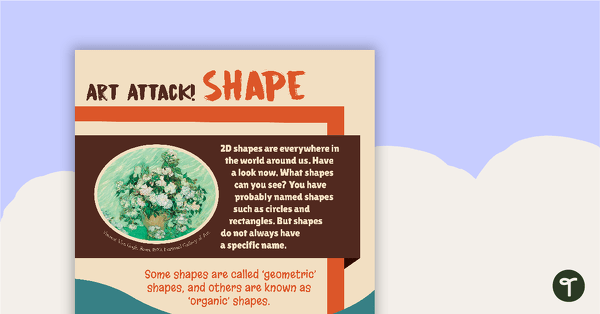
Art Attack! Shape – Worksheet
A comprehension worksheet for a magazine article from the Year 2 magazine (Issue 3).
- Plus Plan
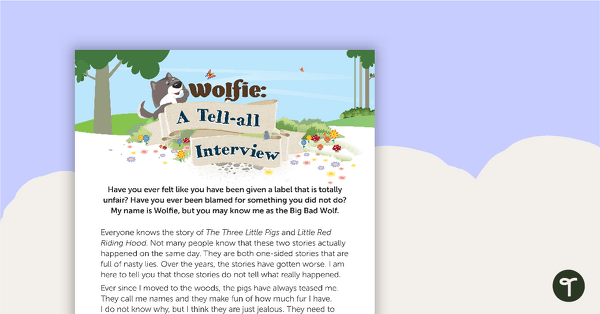
Wolfie: A Tell-all Interview – Worksheet
A comprehension worksheet for a narrative from the Year 2 magazine (Issue 3).
- Plus Plan
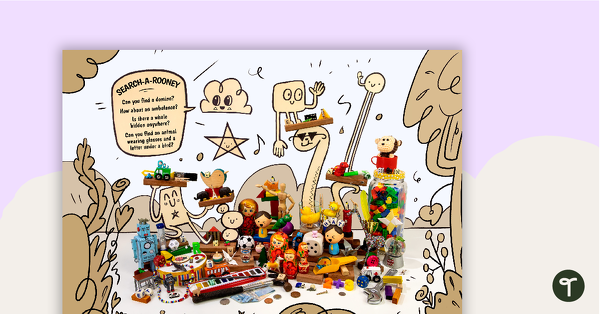
Search-a-Rooney 1 – Comprehension Worksheet
A comprehension worksheet for a image stimulus poster where students need to locate objects and characters.
- Free Plan
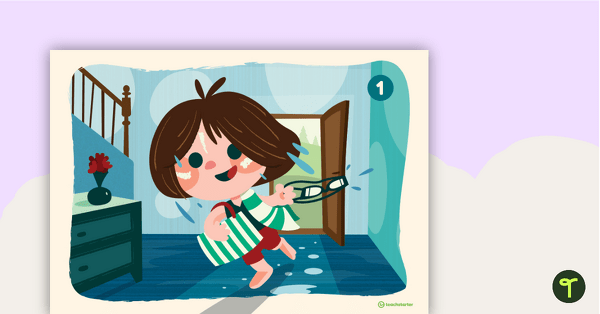
Aiming For Inference Posters
Six mini posters showing different scenarios that can be used when encouraging students to use inference.
- Plus Plan
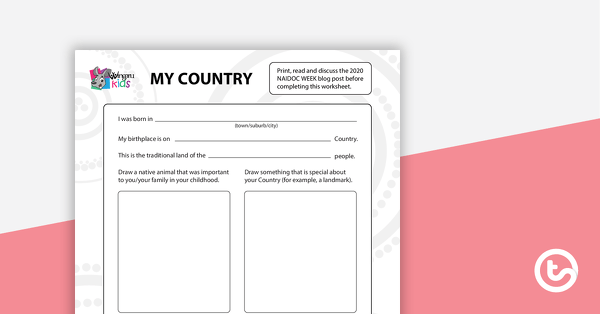
NAIDOC Week My Country Worksheet - Lower Primary
A NAIDOC Week "My Country" worksheet suitable for lower primary school students.
- Plus Plan
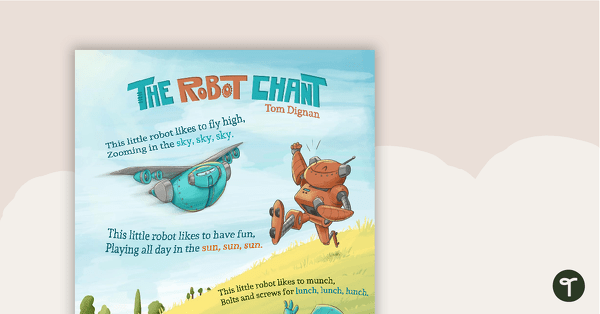
The Robot Chant – Comprehension Worksheet
A comprehension worksheet accompanying a rhyming chant about robots.
- Free Plan
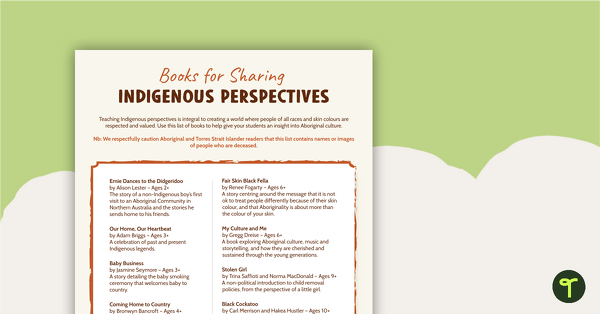
Books for Sharing Indigenous Perspectives - Poster
A list of Indigenous storybooks for the classroom recommended by Aboriginal education organisation, Wingaru Education.
- Plus Plan
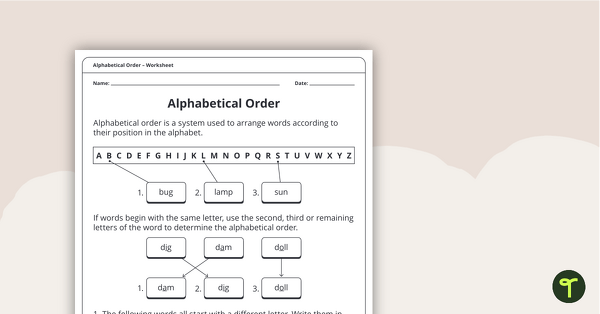
Alphabetical Order Worksheet for Year 2
This year 2 worksheet explains alphabetical order and allows students to demonstrate.
- Plus Plan
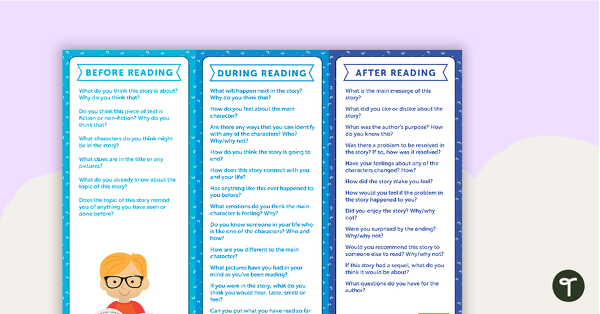
Before, During and After Reading Fiction - Question Prompts
Question prompts and a worksheet to use when asking questions before, during and after reading.
- Plus Plan
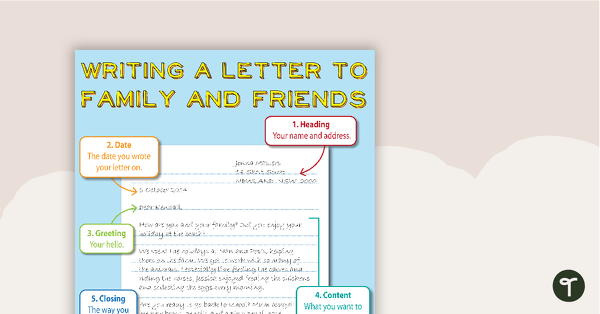
Parts of a Friendly Letter Anchor Chart
Use this parts of a friendly letter anchor chart to explain and simplify the letter-writing process for your lower primary students.
- Plus Plan
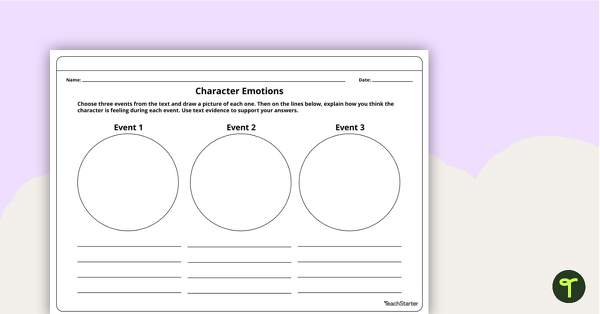
Character Emotions Worksheet
Make inferences about character's feelings with this one-page worksheet.
- Plus Plan
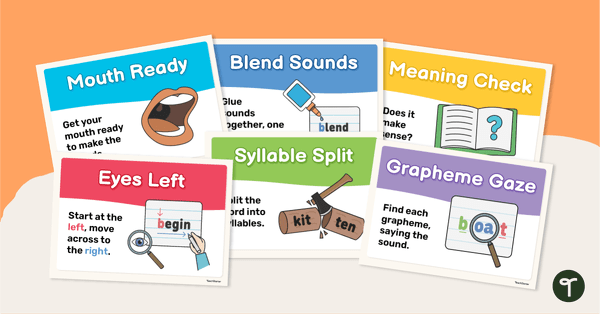
Reading Strategy Posters
Display this set of reading strategy posters in your classroom to remind your students of the best strategies to use when reading.
- Plus Plan
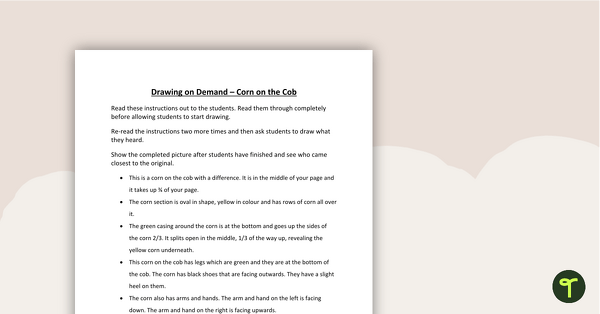
Drawing on Demand - Corn on the Cob
An art activity that incorporates both drawing and listening skills.
- Plus Plan
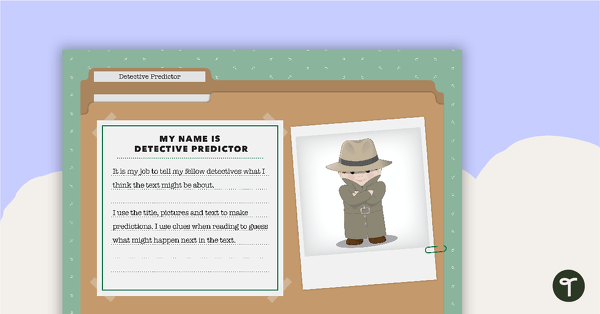
Reading Detectives Resource Pack
A 16 page resource pack including 8 detective roles to assign to students during guided reading sessions.
- Plus Plan
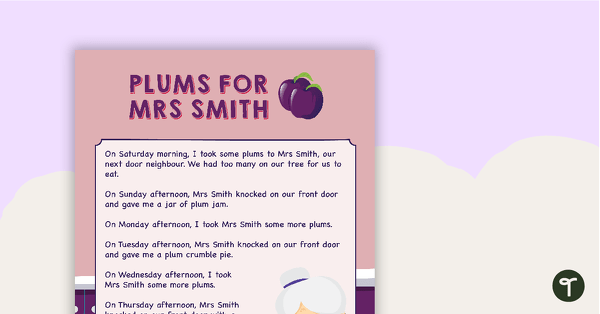
Comprehension - Plums For Mrs Smith
A comprehension activity using a recount for lower grades.
- Plus Plan
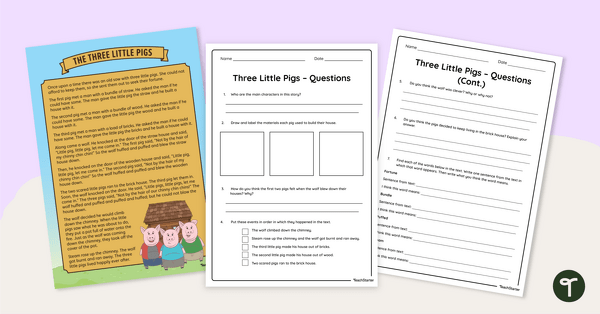
The Three Little Pigs – Comprehension Worksheet
Develop your students' reading comprehension skills with a well-known fairy tale.
- Free Plan
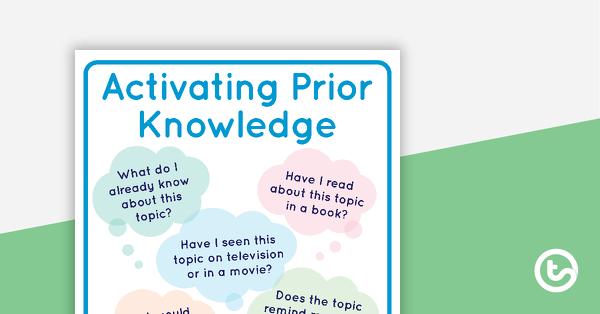
Activating Prior Knowledge - Comprehension Strategy Poster
A poster explaining how to activate prior knowledge before reading.
- Plus Plan
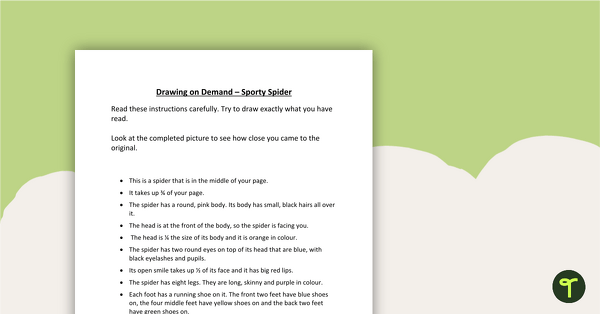
Drawing on Demand - Sporty Spider
An art activity that incorporates both drawing and listening skills.
- Plus Plan
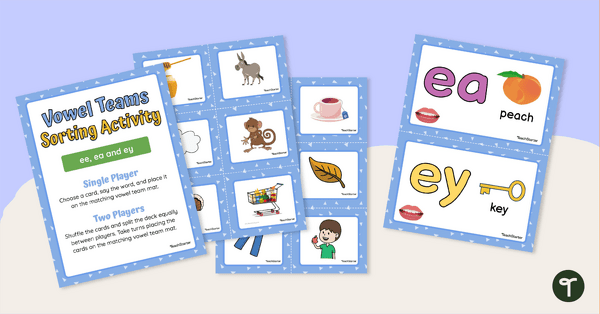
Vowel Teams Sorting Activity (EE, EA and EY)
Decode words with the EE, EA and EY vowel teams using 18 picture cards with sorting mats.
- Plus Plan
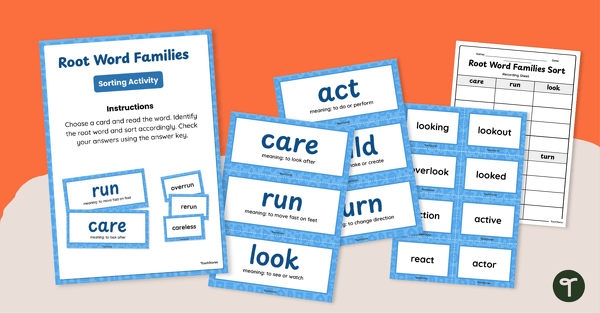
Base Word Sorting Activity
Use this Base Word Sorting activity to help students sort words based on their root words.
- Plus Plan
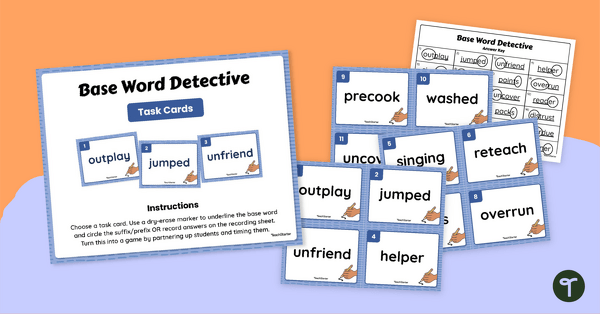
Detective Base Word Game Cards
Explore vocabulary and word-building skills with this engaging base word game resource using Detective Base Word Game Cards.
- Plus Plan
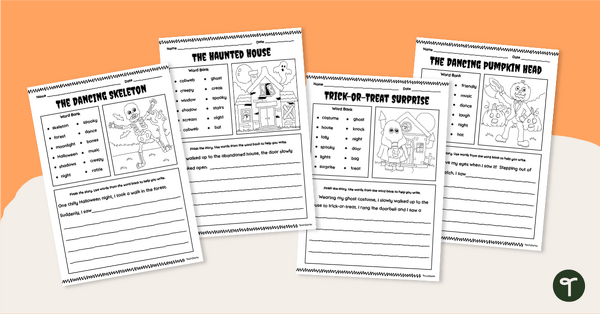
Halloween Writing Prompt Worksheet Pack
Inspire spook-tacular story writing with our printable Hallowing Writing Prompt Worksheet pack.
- Plus Plan
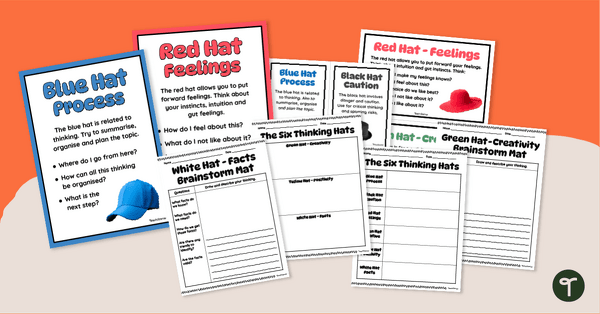
Six Thinking Hats Poster and Worksheet Pack
Promote deeper thinking with a set of De Bono’s Six Thinking Hats posters and worksheets.
- Plus Plan
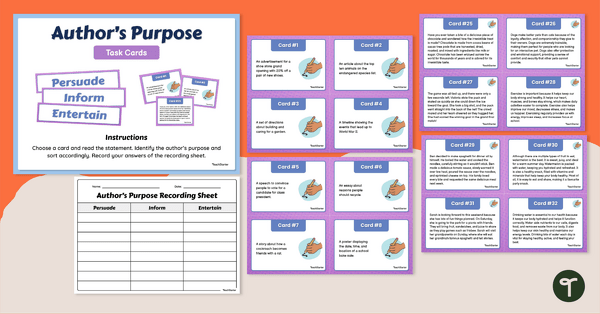
Author’s Purpose Sorting Activity
Use this author’s purpose sort to teach your students the difference between persuasive, informative and narrative writing.
- Plus Plan
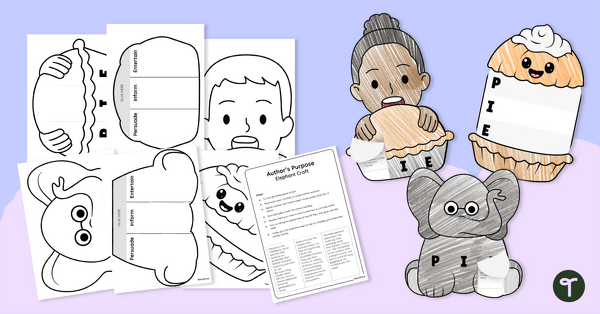
Authors Purpose Craft Bundle
Explore Author's Purpose with this fun and engaging set of Author's Purpose craft templates.
- Plus Plan
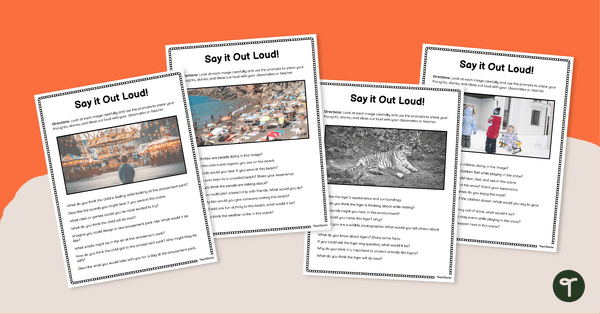
Oral Communication Worksheets
Help students develop their oral communication skills with this engaging set of Oral Communication Worksheets.
- Plus Plan
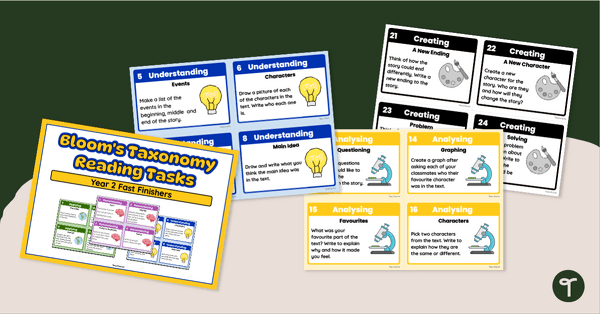
Year Two Reading Comprehension Questions - Bloom's Taxonomy
Grow comprehension skills with our Year Two Reading Comprehension Bloom’s Taxonomy Task Cards.
- Free Plan
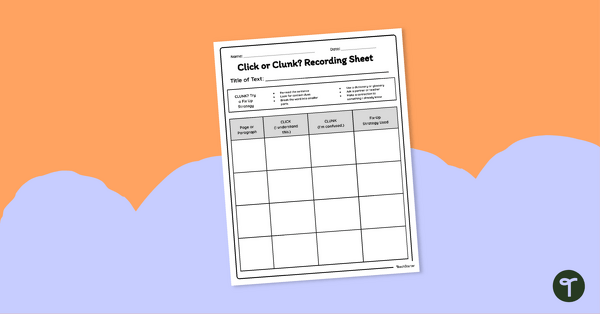
Free Click or Clunk Worksheet
Support students in monitoring their reading comprehension with this Click and Clunk Reading Strategy Recording Sheet!
- Plus Plan
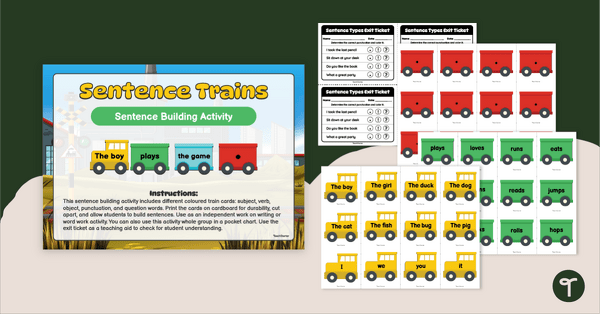
Sentence Trains - Sentence Building Activity
Teach your year 1 students about sentence types and punctuation with Sentence Trains, a fun Sentence Building Activity.
- Plus Plan
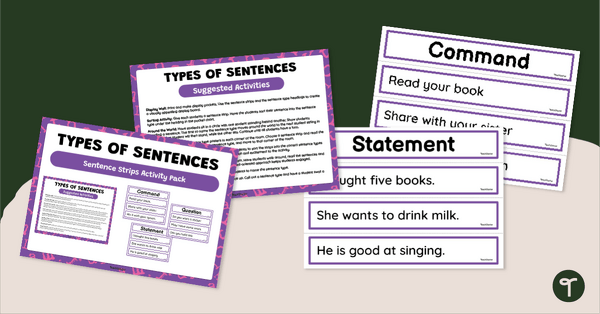
Types of Sentences - Sentence Strips Activity Pack
Use our Sentence Types - Sentence Strip Activity pack to teach your students about statements, commands, questions, and exclamation sentences.
- Free Plan
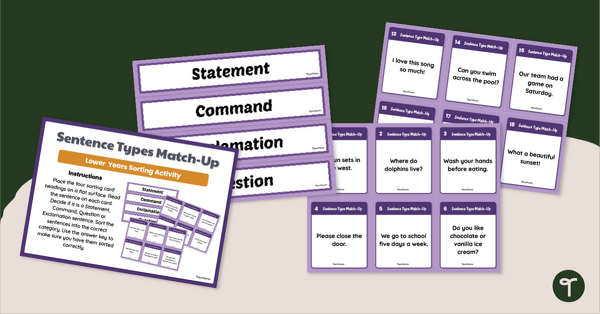
Statement, Question, Command, Explanation – Match Up Cards
Teach younger students about the four types of sentences with a printable sentence types matching activity.
- Plus Plan
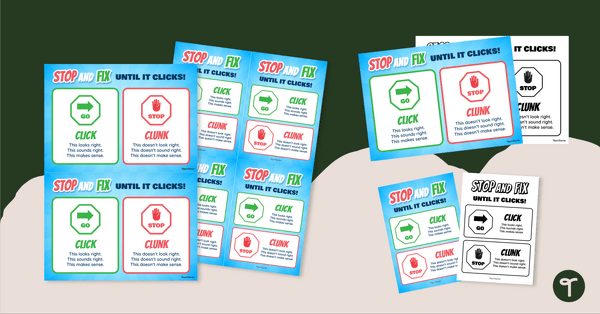
Click or Clunk Strategy Poster and Desk Mat
Explore the click and clunk reading strategy with your students using this poster and desk mat set.