Year 1
The science inquiry skills and science as a human endeavour strands are described across a two-year band. In their planning, schools and teachers refer to the expectations outlined in the achievement standard and also to the content of the science understanding strand for the relevant year level to ensure that these two strands are addressed over the two-year period. The three strands of the curriculum are interrelated and their content is taught in an integrated way. The order and detail in which the content descriptions are organised into teaching and learning programs are decisions to be made by the teacher.
Incorporating the key ideas of science
From Foundation to Year 2, students learn that observations can be organised to reveal patterns, and that these patterns can be used to make predictions about phenomena.
In Year 1, students infer simple cause-and-effect relationships from their observations and experiences, and begin to link events and phenomena with observable effects and to ask questions. They observe changes that can be large or small and happen quickly or slowly. They explore the properties of familiar objects and phenomena, identifying similarities and differences. Students begin to value counting as a means of comparing observations, and are introduced to ways of organising their observations.
(source: www.australiancurriculum.edu.au)
Achievement Standard
By the end of Year 1, students describe objects and events that they encounter in their everyday lives, and the effects of interacting with materials and objects. They describe changes in their local environment and how different places meet the needs of living things.
Students respond to questions, make predictions, and participate in guided investigations of everyday phenomena. They follow instructions to record and sort their observations and share them with others.
(source: www.australiancurriculum.edu.au)
- Free Plan
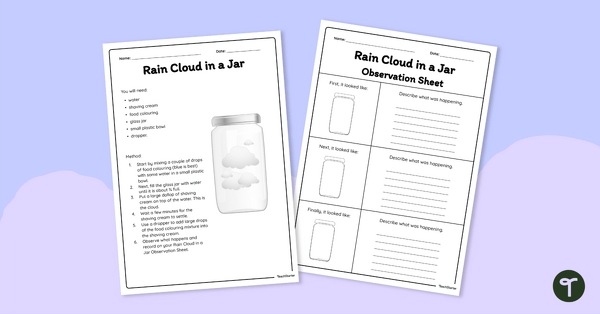
Rain Cloud in a Jar Experiment
Use this science experiment when learning about the different types and features of clouds and how they contribute to the water cycle.
- Plus Plan
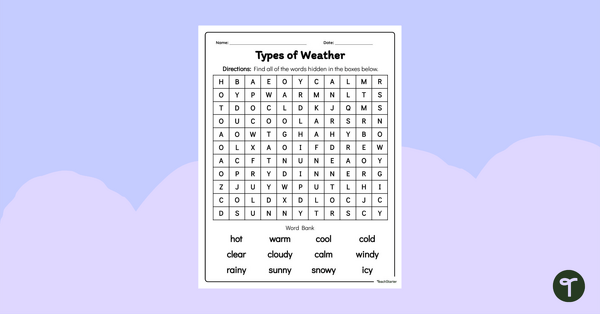
Types of Weather – Word Search
Review science vocabulary terms with an engaging weather word search.
- Free Plan
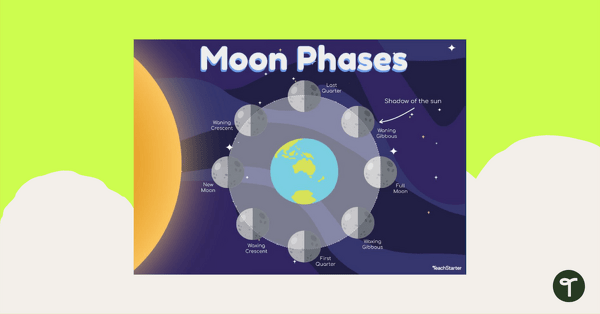
Moon Phases Diagram
Learn the phases of the moon in the southern hemisphere with this set of two posters.
- Plus Plan
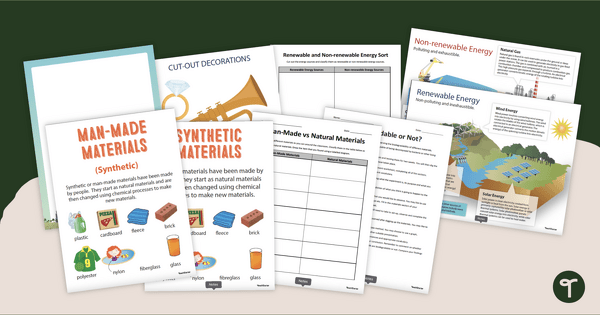
Material World Resource Pack
Learn about natural and manmade materials with a printable resource pack.
- Plus Plan
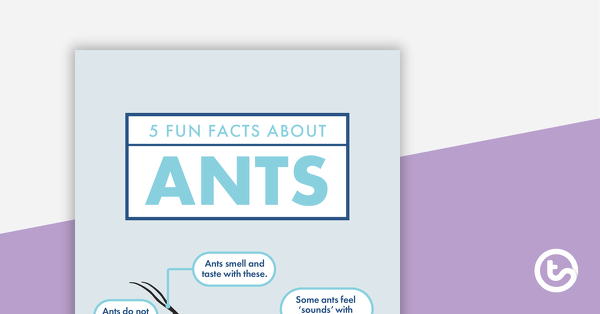
5 Fun Facts About Ants - Read and Respond Worksheet
A '5 fun facts ...' information sheet and worksheet.
- Plus Plan
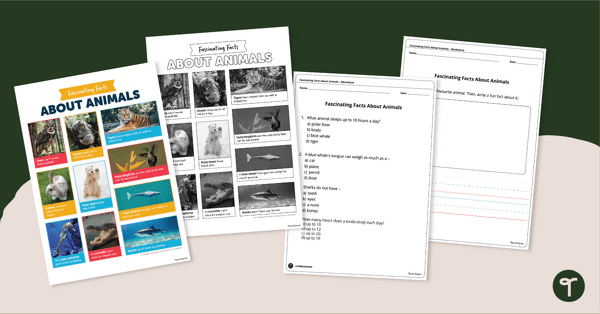
Fascinating Facts About Animals Worksheet
Build reading comprehension skills and learn about amazing animals with a printable year 1 reading comprehension worksheet pack.
- Plus Plan
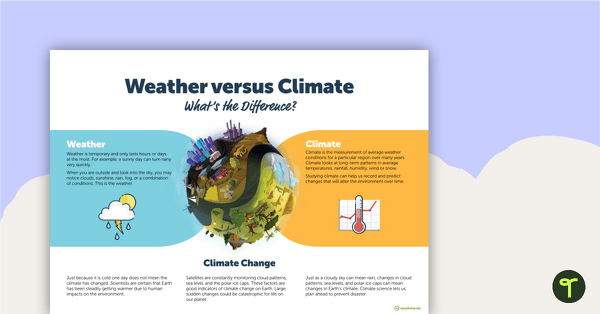
Weather versus Climate Poster
A poster explaining the difference between weather and climate.
- Free Plan
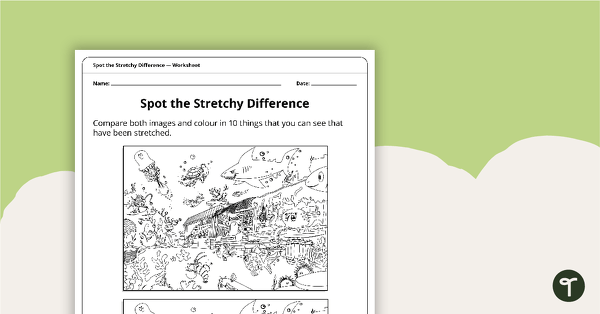
Spot the Stretchy Difference – Worksheet
A spot the difference worksheet designed to help students recognise materials that have been stretched.
- Plus Plan
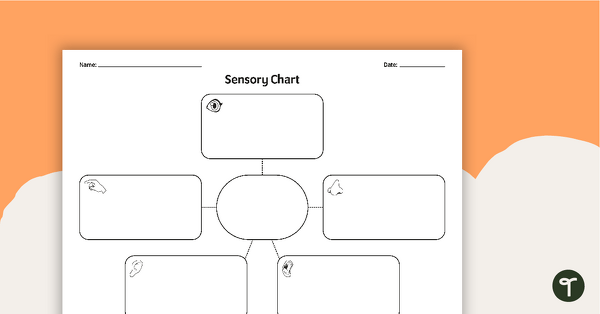
Sensory Chart Graphic Organiser
Observe and record observations of the world around you with a printable Sensory Chart Graphic Organiser.
- Plus Plan
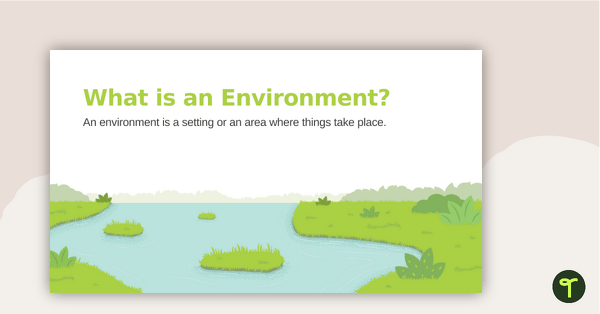
Natural, Managed, and Constructed Environments PowerPoint
A 17-slide teaching presentation to use when exploring some of the features of environments.
- Plus Plan
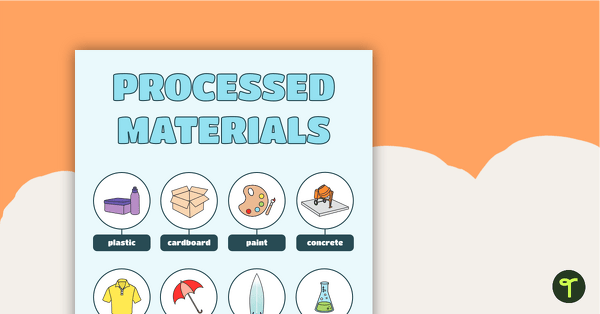
Processed Materials Poster
A poster displaying different processed materials and explaining what processed materials are.
- Plus Plan
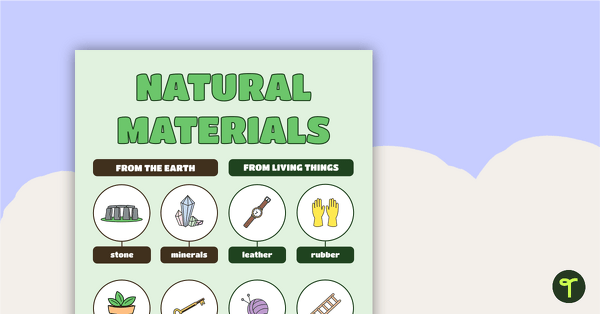
Natural Materials Poster
A poster displaying different natural materials and explaining what natural materials are.
- Plus Plan
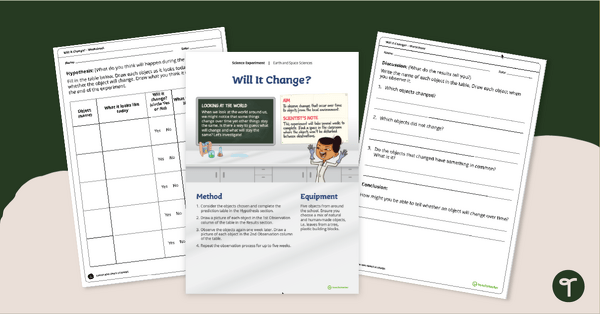
Science Experiment - Will It Change?
A science investigation in which the students observe changes that occur to various objects over time.
- Plus Plan
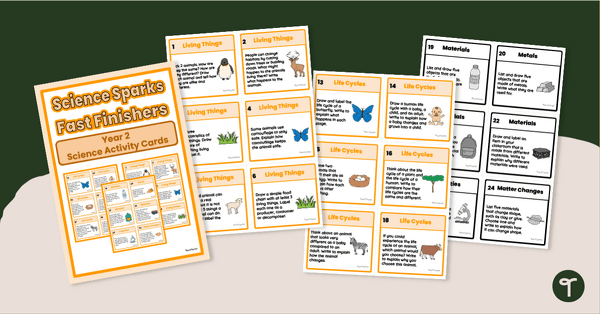
Science Sparks - Year 2 Science Activities for Fast Finishers
Use Science Sparks, a collection of year 2 science activities for fast finishers to review science standards during classroom downtime.
- Plus Plan
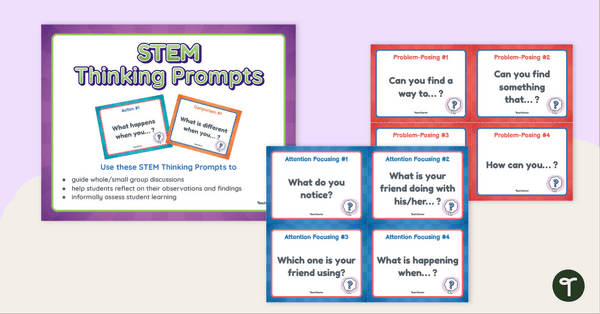
STEM Thinking Prompts - Higher Order Thinking Skills Questions
Use our printable STEM Higher Order Thinking Question cards to improve scientific conversation and critical thinking skills in your students.
- Plus Plan
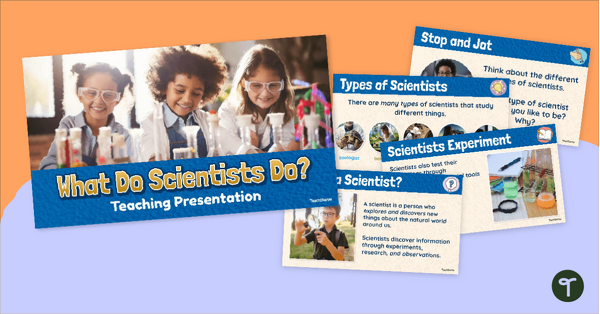
What Do Scientists Do? Teaching Slides
Discover what scientists do, the tools they use, and more with our 'What Do Scientists Do?' Teaching Presentation.
- Plus Plan
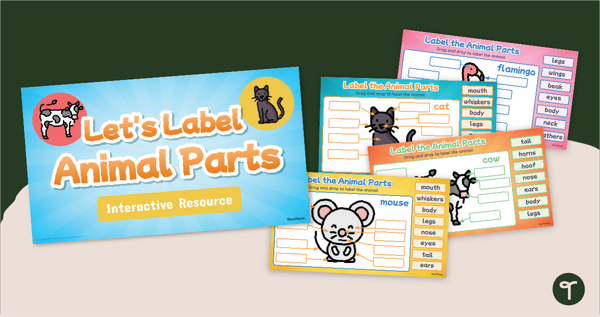
Label the Parts of an Animal - Digital Activity
Identify and label the features of animals with an interactive labelling activity .
- Plus Plan
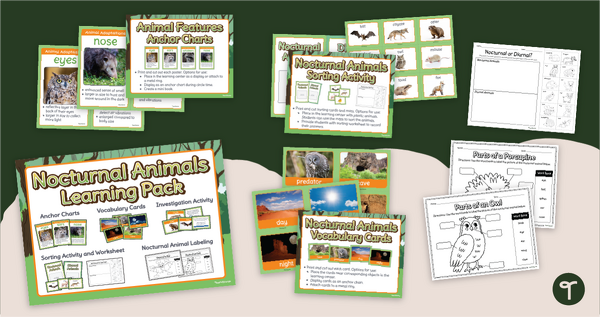
Nocturnal Animals Activity Pack
Introduce your students to the creatures of the night with five nocturnal animal activities for kids!
- Plus Plan
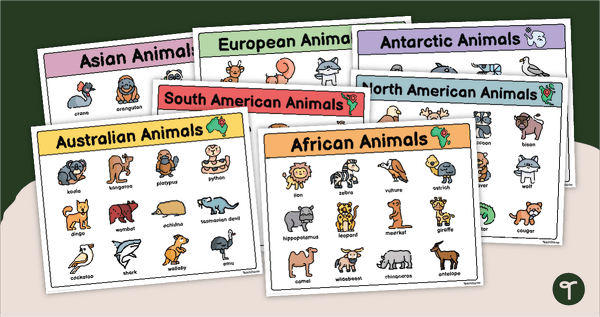
Animals Around the World - Word Mats
Discover the amazing animals on each continent and encourage global thinking with a pack of printable Animals Around the World Word Mats.
- Plus Plan
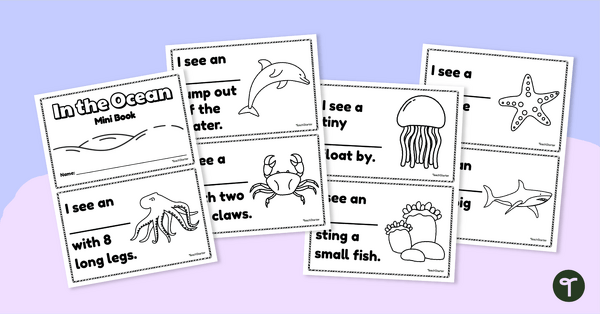
Printable Early Reader Books - Ocean Animals
Learn about sea life with a printable ocean book for year 1 students.
- Plus Plan
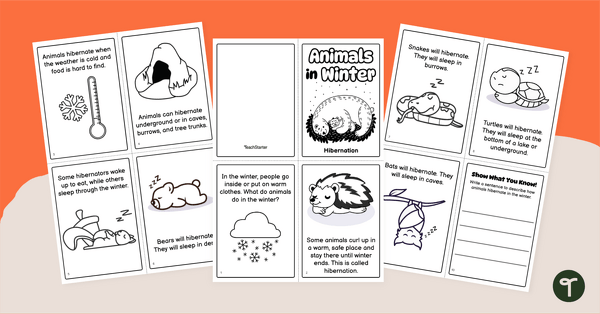
Animals in Winter - Hibernation Mini Book
Read and learn about animals that hibernate with a printable hibernation book for kids.
- Plus Plan
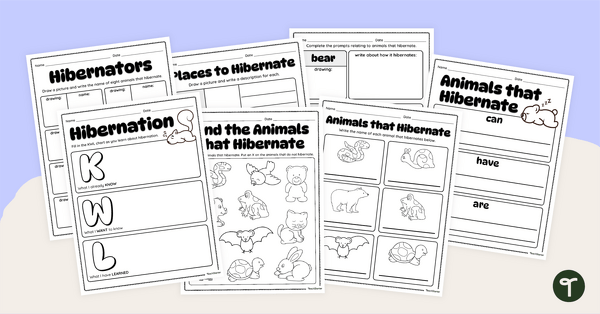
Animals and Hibernation Worksheet Pack
Help your students learn about animals that hibernate with a printable pack of worksheets about animals and hibernation.
- Plus Plan
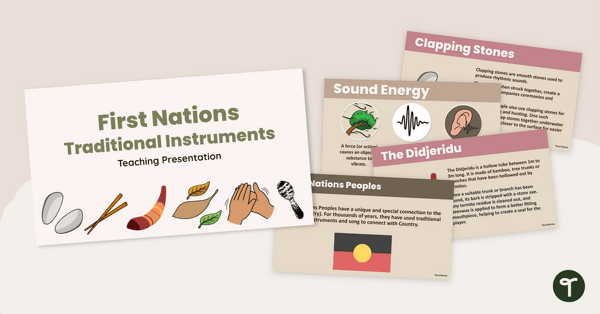
Sound Energy (First Nations Musical Instruments)Teaching Slides
Help your students discover how traditional musical instruments used by First Nations Australians produce their characteristic sounds with this teaching presentation.
- Plus Plan
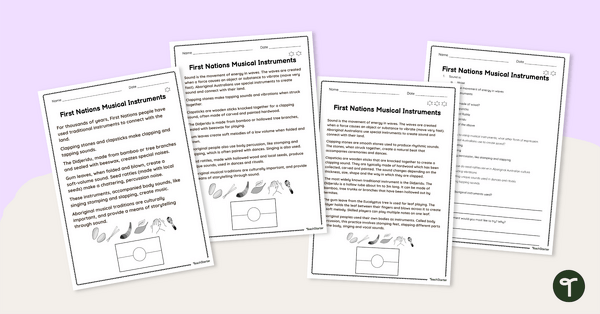
Sound Energy (First Nations Instruments) Comprehension Task
Use this read-and-respond task to help your Grade Two students learn about some traditional First Nations Australians musical instruments and their characteristic sounds.
- Plus Plan
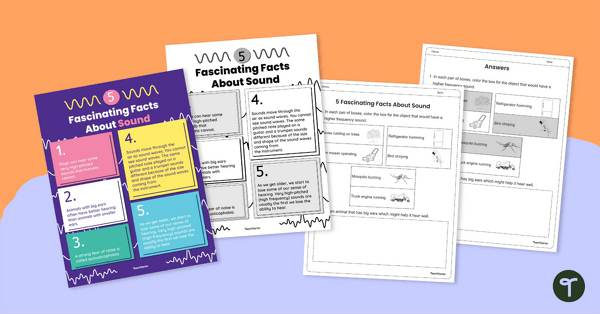
5 Fascinating Facts About Sound Worksheet
Use this sound energy worksheet and poster set to teach your student some interesting facts about sound.
- Plus Plan
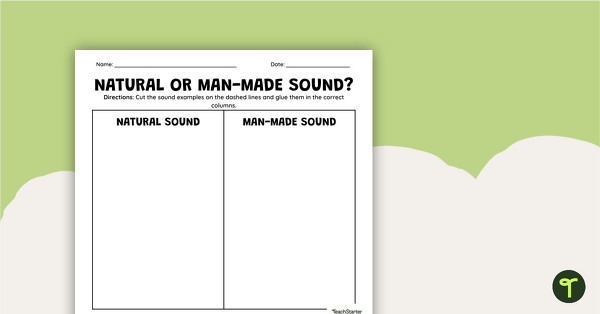
Natural or Man-Made Sound? Grade 2 Worksheet
Use sound energy worksheet to help students differentiate between natural and man-made sounds by sorting their sources.
- Plus Plan
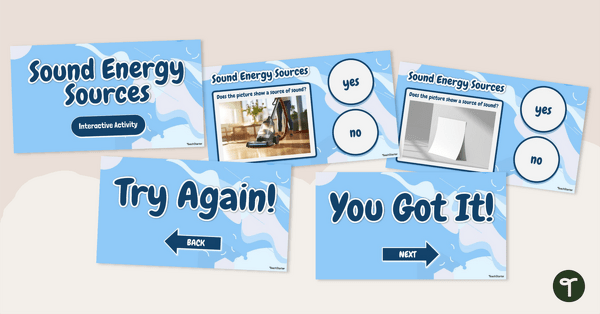
Sound Energy Sources Interactive Activity
With your students, explore the sources of sound energy and how we sense them using this interactive science activity.
- Plus Plan
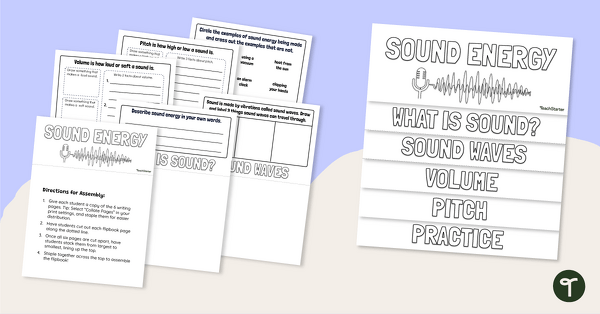
Sound Energy Flip Book for Grade 2 Science
Encourage your students to record their knowledge about sound energy using this fun flip book activity.
- Plus Plan
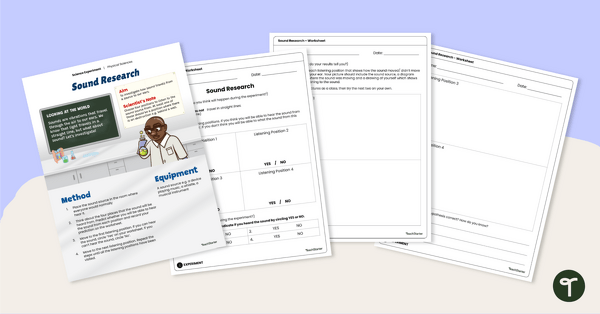
Sound Experiment for Kids
Immerse your students in an auditory adventure, exploring sound energy with this engaging experiment.
- Plus Plan
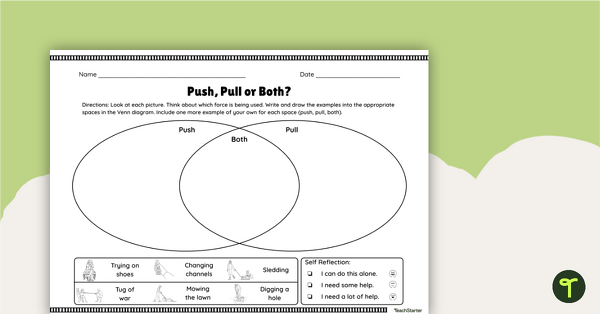
Push and Pull Venn Diagram
Use this push and pull Venn diagram to help your students answer the question: Push, pull or both?
- Plus Plan
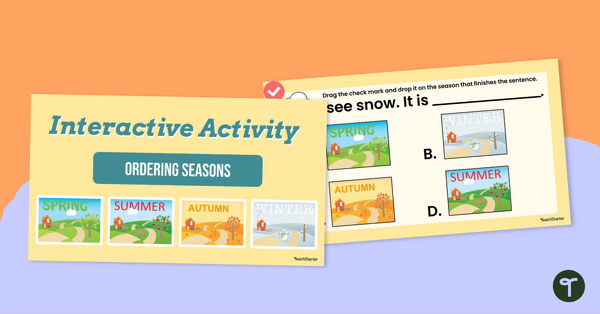
Order of Seasons Interactive Activity
Explore the order of the seasons with your students by travelling through times of the year in this interactive adventure.
- Plus Plan
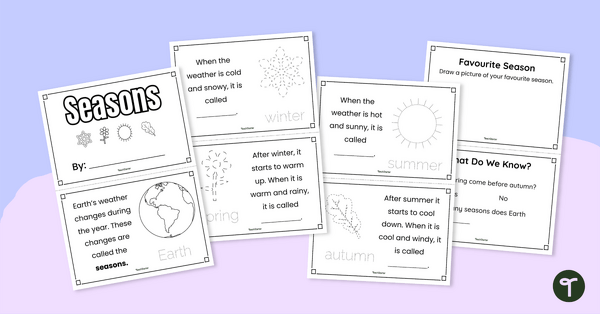
Four Seasons Mini Book
Make learning about the four seasons fun with this marvellous minibook for your Foundation students!