Friendship Teaching Resources
Browse free friendship activities for kids, printable worksheets and more teaching resources designed to help students build relationship skills and improve social awareness in your elementary classroom.
This collection of friendship teaching resources was created by the teachers of the Teach Starter team for teachers like you to help you cut time on your lesson planning so you can spend more time doing what you love: Actually teaching!
We know that teaching kids about friendship is an important part of their social and emotional development. Each resource in this collection has been designed with primary students' needs in mind and has undergone careful review by our expert teachers to ensure it is classroom-ready!
Looking for tips to make teaching friendship a success this school year? Read on for a primer from our teacher team!
A Friendship Definition for Kids to Use in the Classroom
What is friendship? It's a question that would seem easy to answer, but breaking down the meaning for our young learners can get complicated.
Here's a kid-friendly definition of friendship that we like to use:
Friendship is liking someone a lot and enjoying spending time with them. Friends are people who are always there for you, who make you feel happy and supported and who share things with you like toys and games and even their feelings.
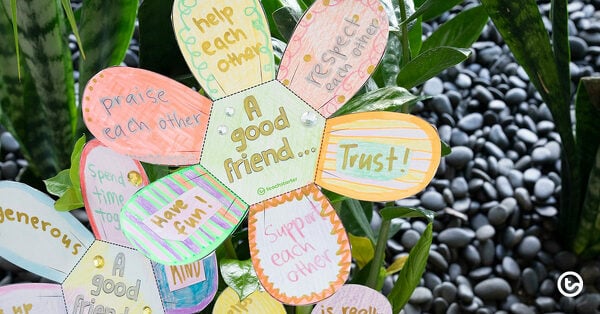
Good friends listen to each other and help each other when they need it. In a friendship, you also respect each other's differences and learn from each other.

How to Teach Friendship to Kids — Tips From Our Teacher Team
While we can't force all our students to get along — human nature simply doesn't work that way — there are ample ways to teach this important social skill. Along with the activities, worksheets and more in this teaching resource collection, consider these ideas for teaching friendship to your students:
- Role Modeling – We have said it before, and we are going to keep on saying it! Our own behavior has an impact on how our students behave. Showing kindness, empathy and respect to our colleagues isn't just important for our own health and well-being. It's helping our students see how to do the same.
- Friendship Pledge — Ask your students to create a friendship pledge, where they commit to treating each other with kindness and respect. Display the pledges in the classroom as a reminder of their commitment to being good friends.
- Role-Playing — Practicing social skills and learning how to handle challenging situations with friends can make a real difference in the classroom. For example, students can act out scenarios where a student might feel left out or hurt by a friend's behavior.
- Friendship Book Club — Choose a book about friendship to read as a class — Charlotte's Web and The One and Only Ivan are favorites among our teacher team. As you read the book together, stop periodically to discuss the characters' friendships and what the students can learn from them. You can also have students work in small book clubs to read and discuss books about friendship on their own.
Why Is Teaching Friendship Important?
The friendships our students develop in elementary school may not last forever, but they will certainly impact their lives for years to come. As teachers, explicitly teaching how to be a good friend and what it means to find a good friend is part of helping our students develop important social skills and emotional intelligence.
It's through learning what it means to be a friend that kids are also learning how to form positive relationships with others, how to manage conflict in a healthy way and how to navigate the complexities of social interactions.
These skills will last them long into their futures, but more immediately, they're also an important part of creating a positive classroom environment where students feel safe and supported.
Friendships can help our students:
- Build self-esteem and confidence
- Learn to communicate effectively
- Understand empathy and kindness
These are all key components of a positive classroom culture.