English
By the beginning of year 3, pupils should be able to read books written at an age-appropriate interest level. They should be able to read them accurately and at a speed that is sufficient for them to focus on understanding what they read rather than on decoding individual words. They should be able to decode most new words outside their spoken vocabulary, making a good approximation to the word’s pronunciation. As their decoding skills become increasingly secure, teaching should be directed more towards developing their vocabulary and the breadth and depth of their reading, making sure that they become independent, fluent and enthusiastic readers who read widely and frequently. They should be developing their understanding and enjoyment of stories, poetry, plays and non-fiction, and learning to read silently. They should also be developing their knowledge and skills in reading non-fiction about a wide range of subjects. They should be learning to justify their views about what they have read: with support at the start of year 3 and increasingly independently by the end of year 4.
- Plus Plan
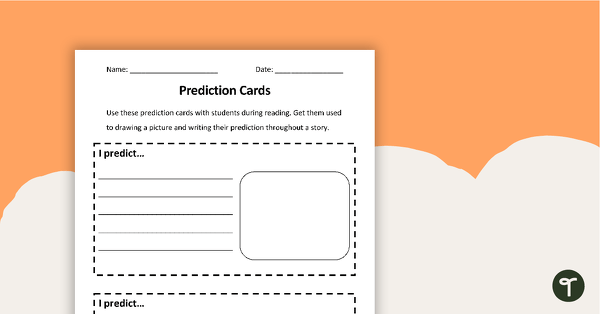
Making Predictions - Recording Cards
A worksheet to use when teaching students how to make predictions when reading.
- Plus Plan
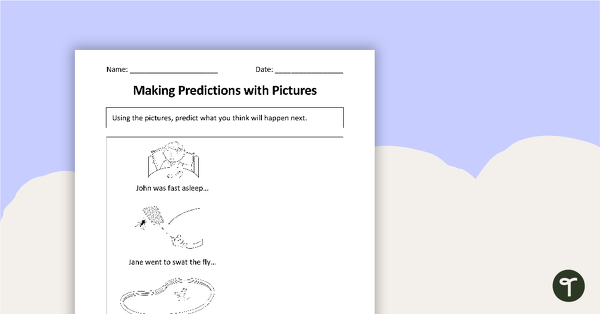
Making Predictions with Pictures - Worksheet
A worksheet to use when teaching students how to make predictions when reading.
- Plus Plan
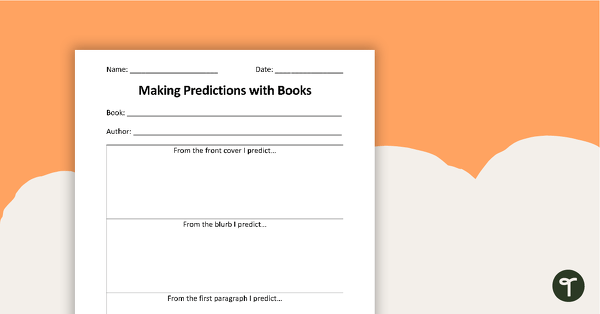
Making Predictions with Books - Worksheet
A worksheet to use when teaching students how to make predictions when reading.
- Plus Plan
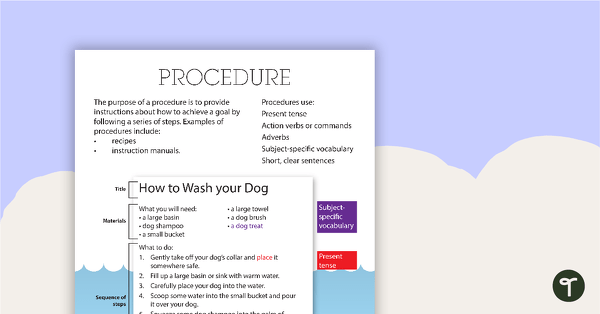
Procedure Text Type Poster With Annotations
A poster about the procedure text type, including an annotated example.
- Plus Plan
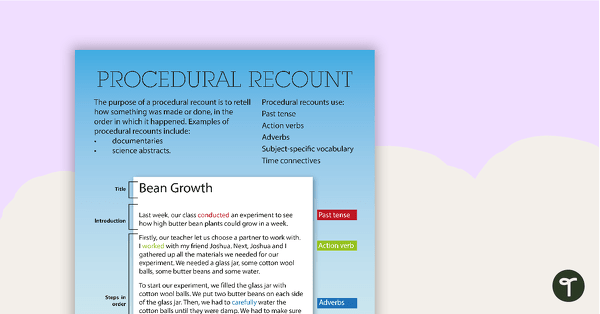
Procedural Recount Text Type Poster With Annotations
A poster about the procedural recount text type, including an annotated example.
- Plus Plan
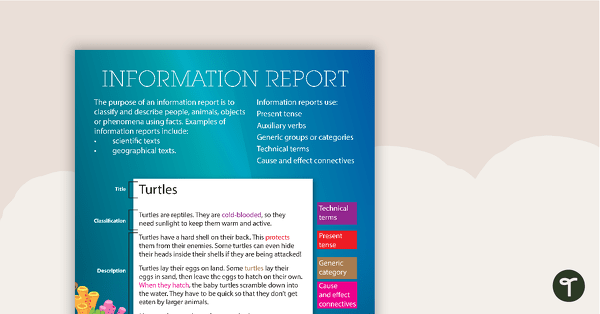
Information Report Text Type Poster With Annotations
A poster about the information report text type, including an annotated example.
- Plus Plan
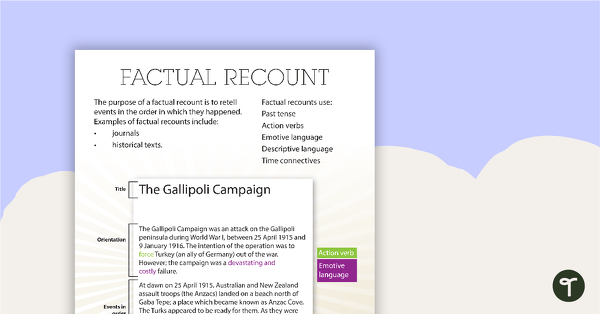
Factual Recount Text Type Poster With Annotations
A poster about the factual recount text type, including an annotated example.
- Plus Plan
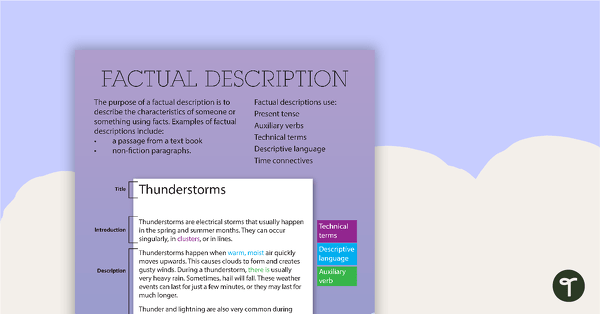
Factual Description Text Type Poster With Annotations
A poster about the factual description text type, including an annotated example.
- Plus Plan
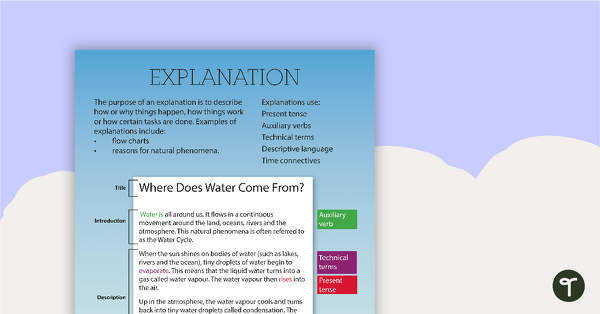
Explanation Text Type Poster With Annotations
A poster about the explanation text type, including an annotated example.
- Plus Plan
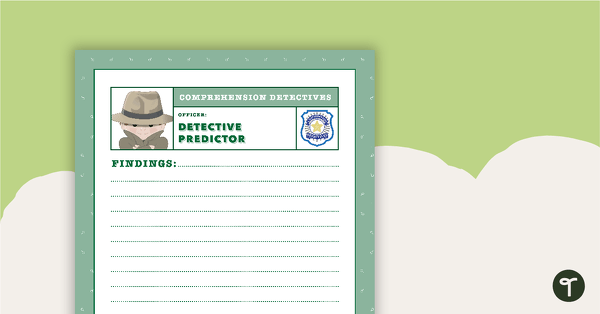
Reading Detectives Worksheets
8 reading detective worksheets to use during guided reading sessions in the classroom.
- Plus Plan

Writing Ninjas Bump it Up Data Wall Display
A ninja themed Bump It Up Wall for writing to display in your classroom.
- Plus Plan
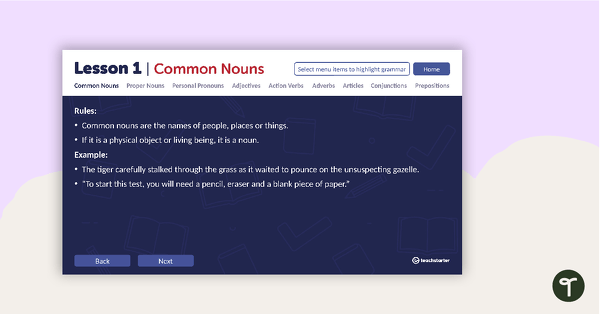
Paragraph Study Grammar Interactive PowerPoint
Interactive PowerPoint presentation allowing teachers and students to learn and revise grammar by highlighting paragraphs.
- Plus Plan
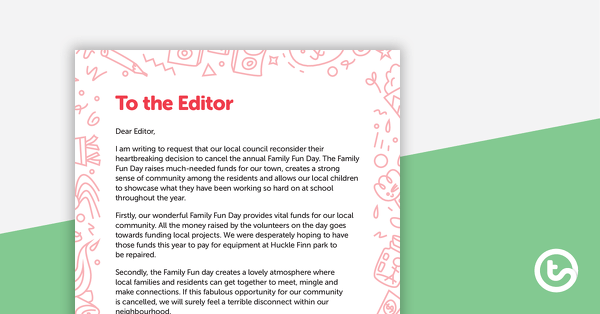
Letter to the Editor (Family Fun Day) – Worksheet
A comprehension worksheet for a letter to the editor from the Year 3 magazine (Issue 2).
- Plus Plan
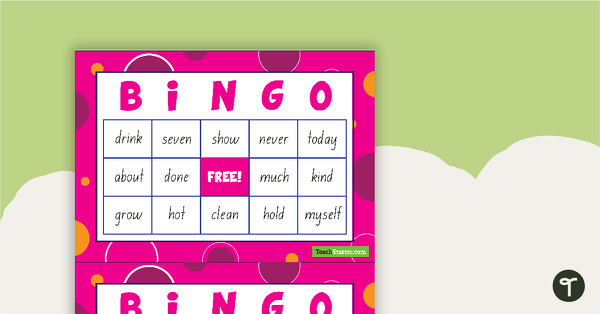
Dolch Sight Word Bingo - Grade 3
Sixteen different bingo cards using the Grade 3 Dolch Sight Words.
- Plus Plan
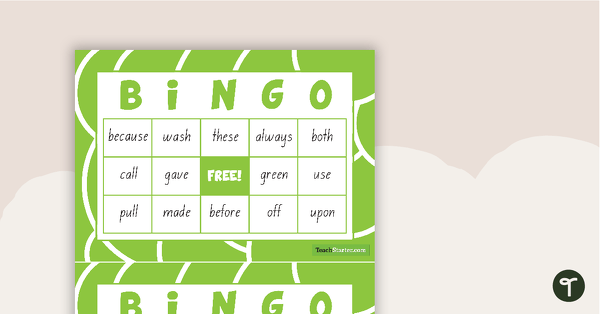
Dolch Sight Word Bingo - Grade 2
Sixteen different bingo cards using the Grade 2 Dolch Sight Words.
- Plus Plan
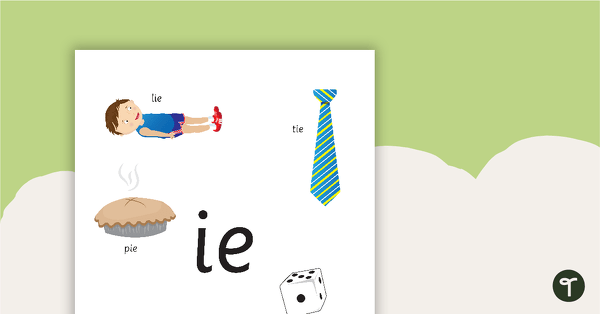
Ie Diphthong Poster
A poster with examples of ie diphthongs
- Plus Plan
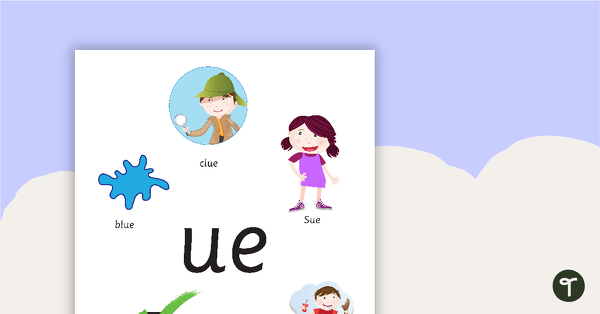
Ue Diphthong Poster
- Plus Plan
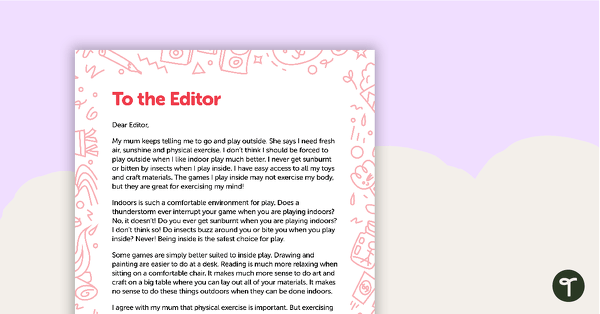
Letter to the Editor (Indoor Play) – Worksheet
A comprehension worksheet for a letter to the editor from the Year 3 magazine (Issue 3).
- Plus Plan
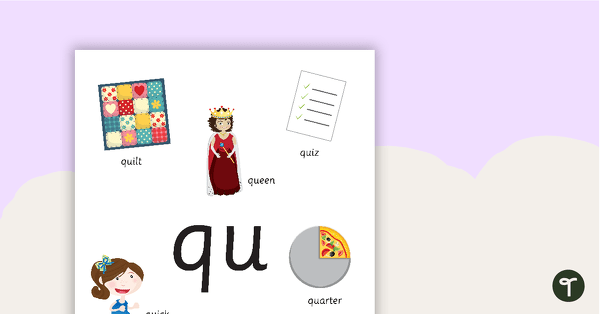
Qu Digraph Poster
A poster showing words and pictures for qu digraphs.
- Plus Plan
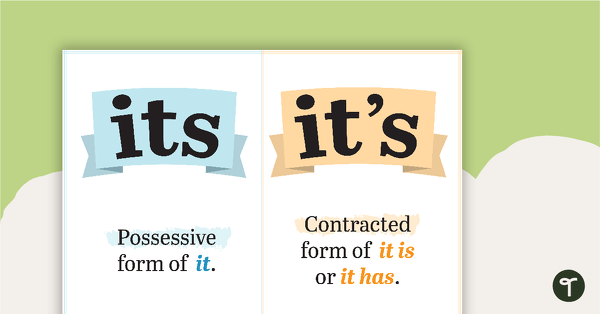
Its or It's Poster and Worksheet
A clear and concise poster with an accompanying worksheet about the difference between 'its' and 'it's'.
- Plus Plan
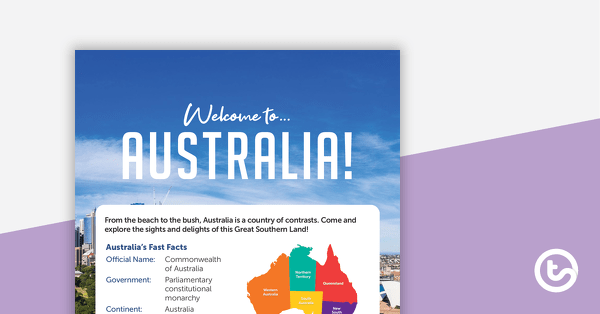
Welcome to Australia! – Worksheet
A comprehension worksheet for a country profile from the Year 3 magazine (Issue 2).
- Plus Plan
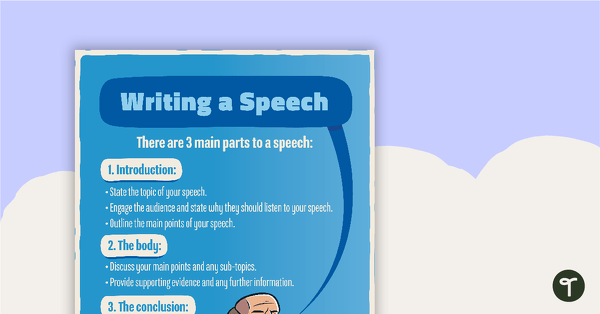
Writing a Speech Poster
A poster highlighting the main parts to a speech.
- Plus Plan
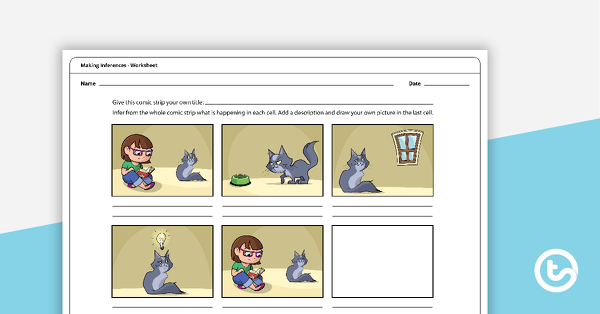
Inference Comics - Worksheet
A series of comic cell worksheets to use when teaching your students how to infer information from everyday situations.
- Plus Plan
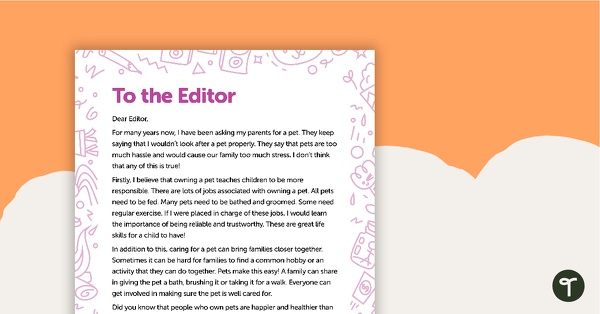
Letter to the Editor (Pet Ownership) – Worksheet
A comprehension worksheet for a letter to the editor from the Year 4 magazine (Issue 3).
- Plus Plan
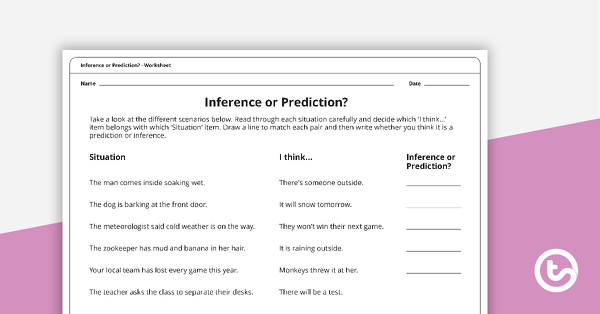
Inference or Prediction? Worksheet
A worksheet to use when teaching your students the difference between an inference and a prediction.
- Plus Plan
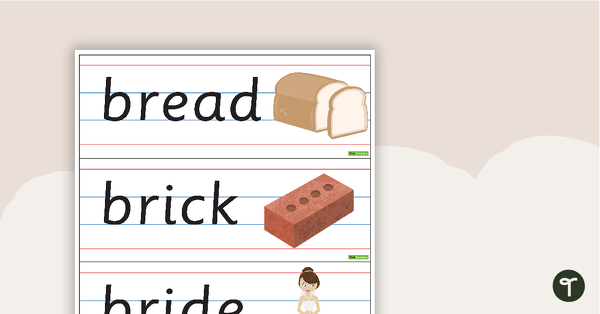
R Blend Word Wall Vocabulary
Forty-eight R blend vocabulary cards for a word wall.
- Plus Plan
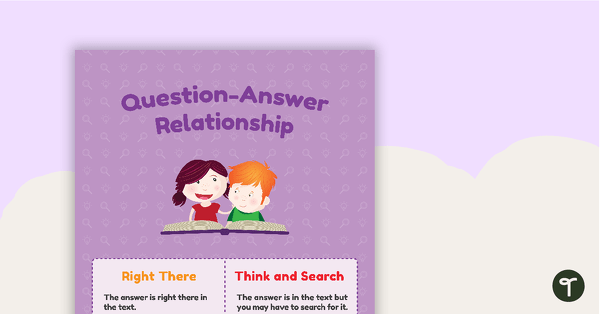
Question-Answer Relationship (QAR) Posters
A poster highlighting the different strategies involved with the QAR comprehension strategy.
- Plus Plan
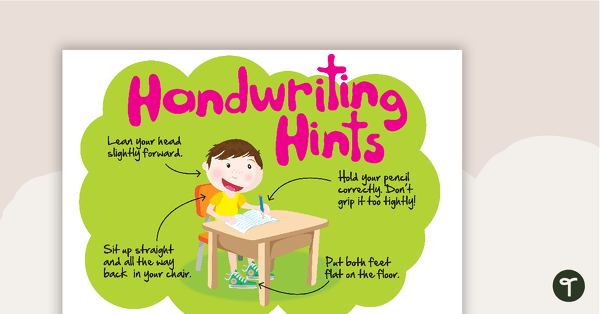
Handwriting Hints Poster
A poster providing helpful hints to produce good handwriting.
- Plus Plan
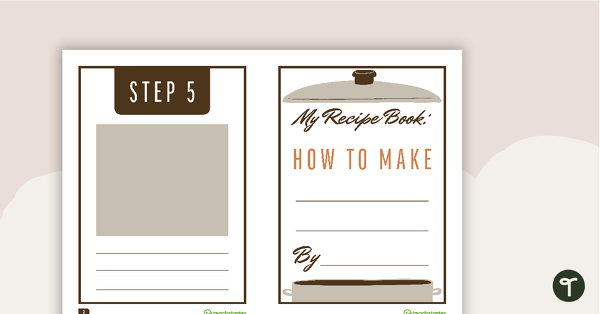
Procedure Writing - My Recipe Book Template
A mini recipe book for your students to record their favourite recipe.
- Plus Plan
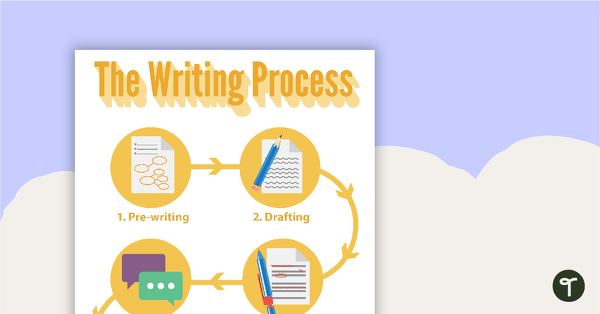
Writing Process Posters - Portrait - Names
Posters to visually guide your students through the writing process.
- Plus Plan
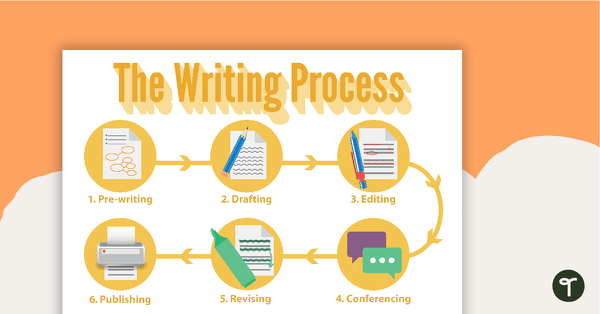
Writing Process Posters - Landscape - Names
Posters to visually guide your students through the writing process.
- Plus Plan
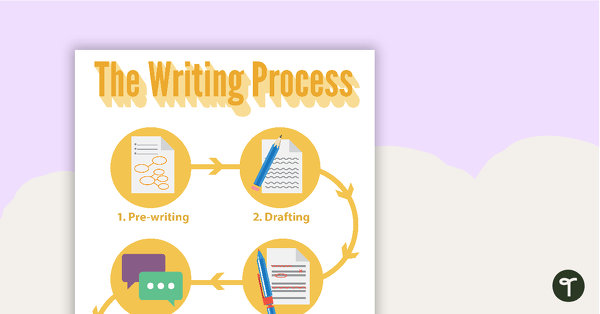
The Writing Process Poster - Portrait
A simple poster outlining the writing process.