English
By the beginning of year 3, pupils should be able to read books written at an age-appropriate interest level. They should be able to read them accurately and at a speed that is sufficient for them to focus on understanding what they read rather than on decoding individual words. They should be able to decode most new words outside their spoken vocabulary, making a good approximation to the word’s pronunciation. As their decoding skills become increasingly secure, teaching should be directed more towards developing their vocabulary and the breadth and depth of their reading, making sure that they become independent, fluent and enthusiastic readers who read widely and frequently. They should be developing their understanding and enjoyment of stories, poetry, plays and non-fiction, and learning to read silently. They should also be developing their knowledge and skills in reading non-fiction about a wide range of subjects. They should be learning to justify their views about what they have read: with support at the start of year 3 and increasingly independently by the end of year 4.
- Plus Plan
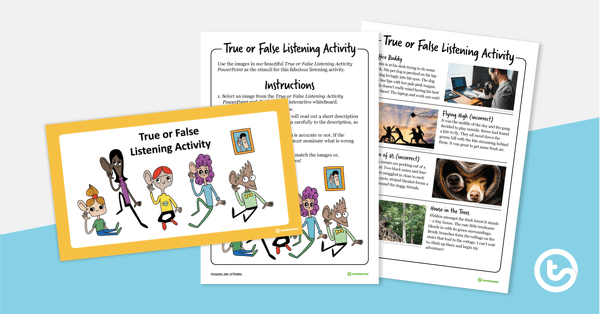
True or False Listening Activity
A collection of 16 images in a PowerPoint to use as prompts for listening practice.
- Plus Plan
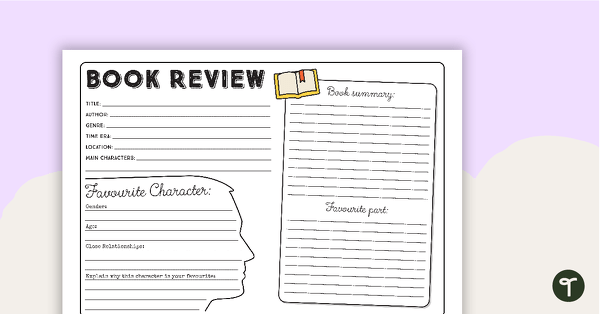
Book Review Worksheet
A book review and summary card for comprehension learning.
- Plus Plan
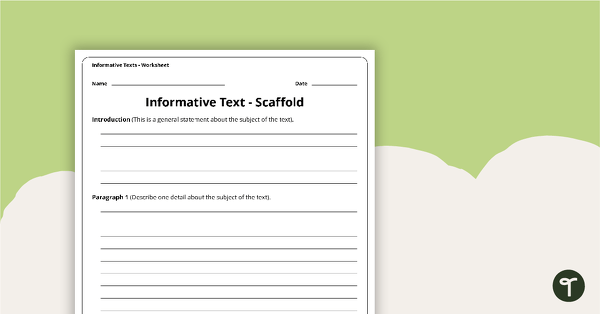
Informative Texts Writing Scaffold
A scaffolding sheet which can be used to write an informative text.
- Plus Plan
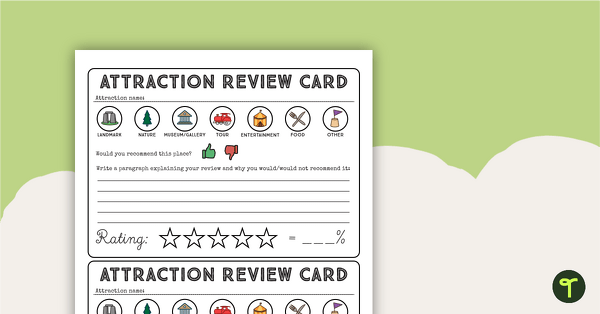
Attraction Review Card Template
A student review card for experiences outside of the classroom.
- Plus Plan
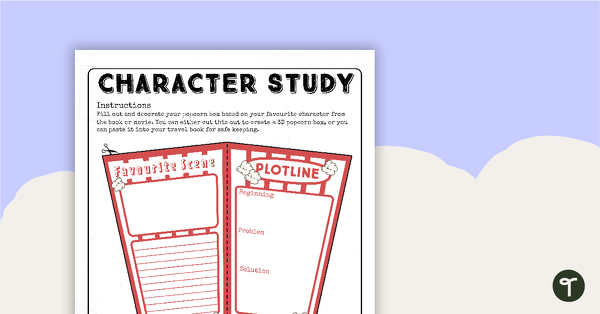
Movie Character Study 3D Popcorn Box Template
A movie review activity that students can make into their own 3D popcorn box.
- Plus Plan
Fantasy Novel Theme - PowerPoint Template
A Fantasy Novel Themed PowerPoint template to use on an interactive whiteboard or as print-outs for your class.
- Plus Plan
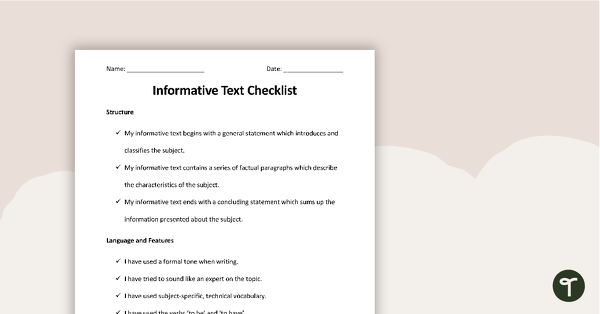
Informative Text Checklist - Structure, Language and Features
A checklist for students to use when proofreading and editing their informative texts.
- Plus Plan
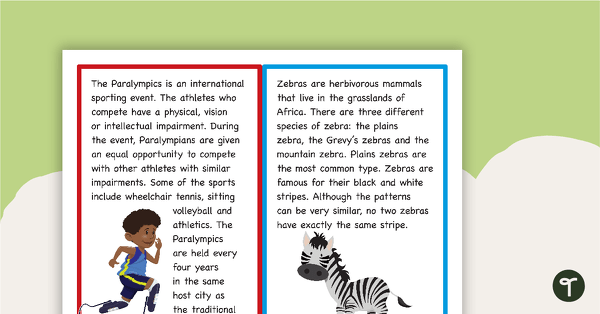
Informative Paragraphs Sequencing Activity
6 jumbled informative paragraphs for students to sequence in the correct order.
- Plus Plan
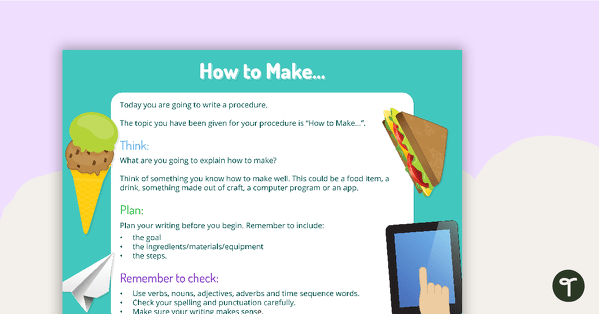
5 Procedure Writing Stimulus Sheets
Writing stimulus sheets with a procedure focus.
- Plus Plan
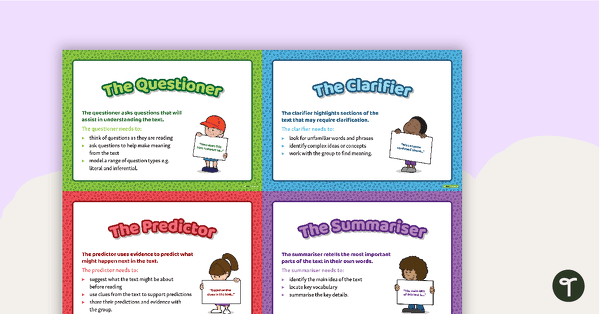
Reciprocal Teaching Role Cards
A set of 4 colourful reciprocal teaching role cards to assign to students during guided reading groups.
- Plus Plan
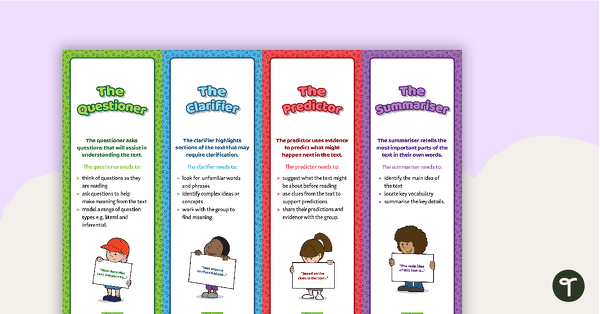
Reciprocal Teaching Role Bookmarks
A set of 4 colourful bookmarks explaining reciprocal teaching roles.
- Plus Plan
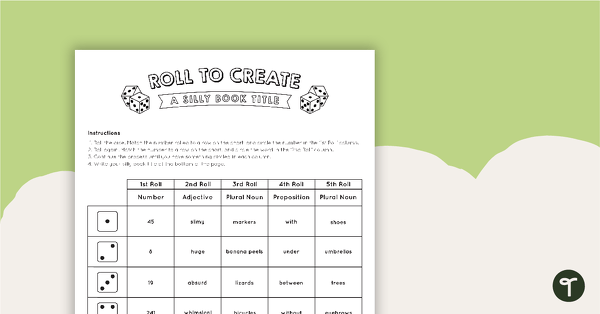
Roll to Create a Silly Book Title
A fun, hands-on literacy activity using a dice and chart to create a silly book title.
- Plus Plan
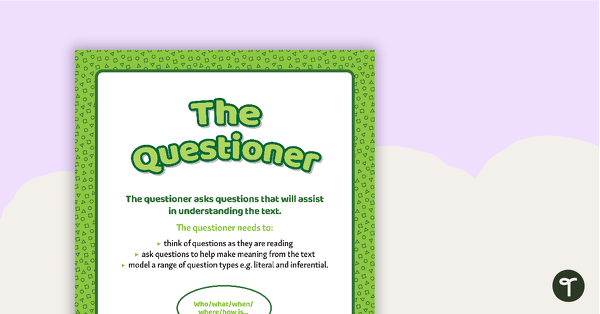
Reciprocal Teaching Role Posters
A set of 4 colourful posters explaining reciprocal teaching roles.
- Plus Plan
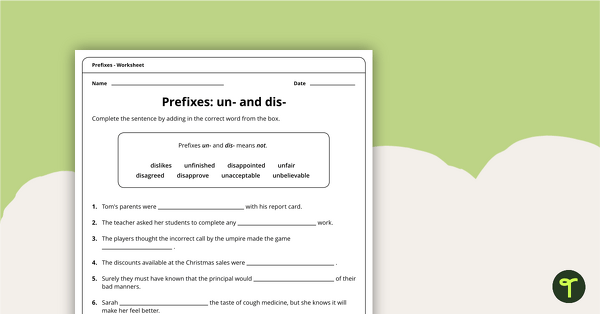
Un- and Dis- Prefixes Worksheet
A worksheet to consolidate students' understanding of un- and dis- prefixes.
- Plus Plan
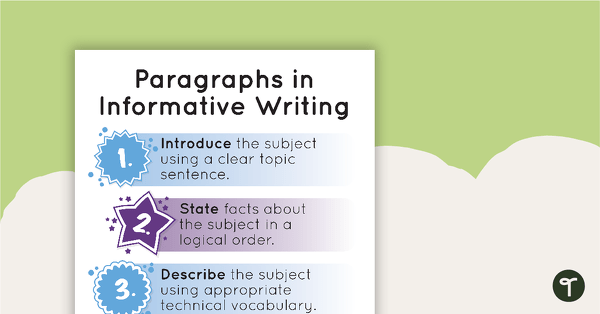
Paragraphs in Informative Writing - Poster and Planning Template
A poster and planning template to use when studying informative texts.
- Plus Plan
Prefixes and Suffixes Worksheets
A set of 24 prefixes and suffixes worksheets for students to use when learning about common prefixes and suffixes.
- Plus Plan
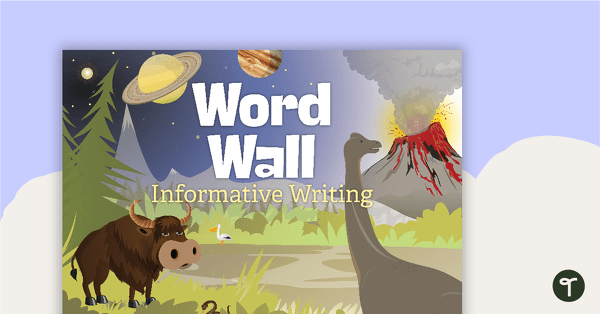
Informative Writing Word Wall
A set of 36 vocabulary words related to informative texts and informative writing.
- Plus Plan
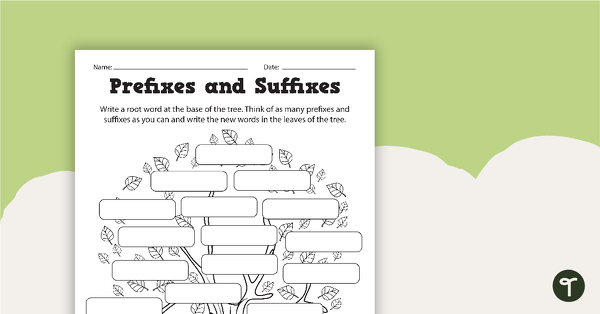
Prefixes and Suffixes Tree Poster and Worksheet
Use this set of tree themed resources to help your students think of prefixes and suffixes from root words.
- Plus Plan
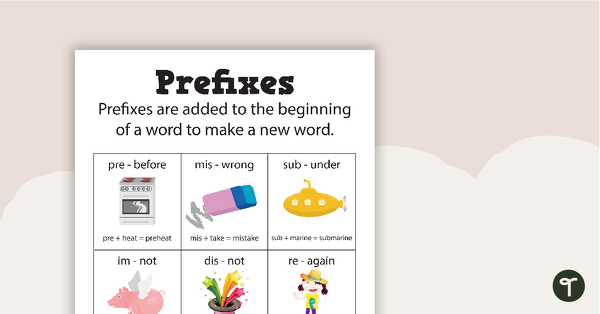
Prefixes and Suffixes Posters
A set of educational posters for explaining some common prefixes and suffixes.
- Plus Plan
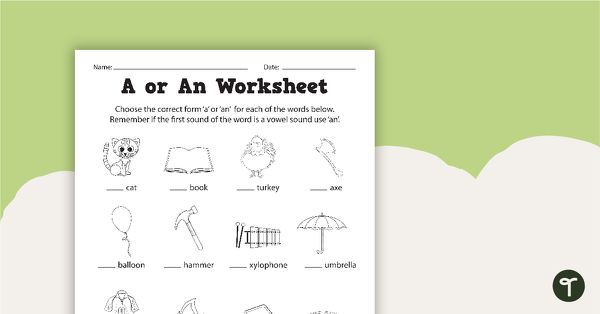
A or An? - Worksheets
2 worksheets for students to practice choosing 'a' or 'an'.
- Plus Plan

10 Fascinating Facts About the Golden Gate Bridge – Worksheet
A comprehension worksheet for an article from the Year 4 magazine (Issue 3).
- Plus Plan
Topic Sentence Starter Cards
A pack of 32 narrative, persuasive and report writing sentence starter cards.
- Plus Plan
Christmas Code Cracker Whole Class Game
A whole class game that consolidates your students’ knowledge with Christmas fun!
- Plus Plan
Writing Rotation Classroom Display
Guided writing classroom display to organise your classroom and their daily activities.
- Plus Plan
Spelling Rotation Classroom Display
Guided spelling classroom display to organise your classroom and their daily activities.
- Plus Plan
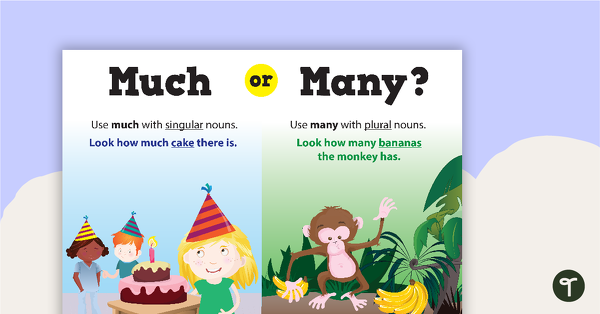
Much or Many Poster
A poster highlighting when to use much or many in a sentence.
- Plus Plan
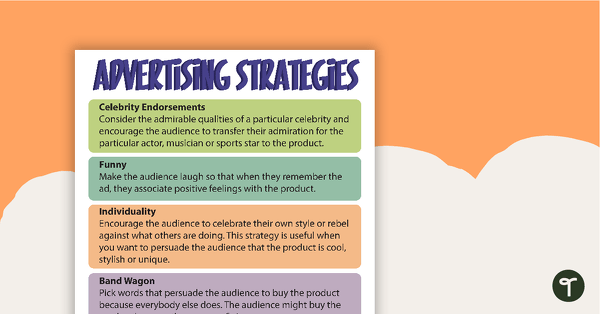
Healthy Lifestyle - Advertising Challenge
A fun advertising challenge to use in the classroom for students to persuade others to live a healthy lifestyle.
- Plus Plan
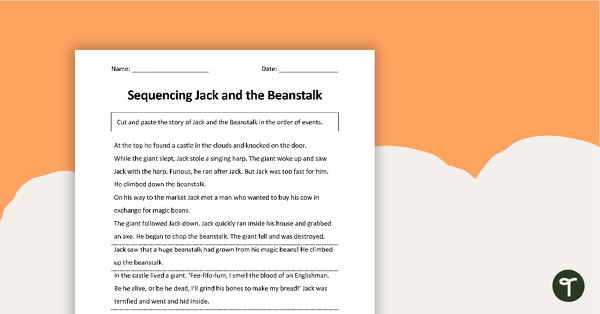
Understanding Sequence - Jack and the Beanstalk
A worksheet to use when teaching students how to understand sequence when reading.
- Plus Plan
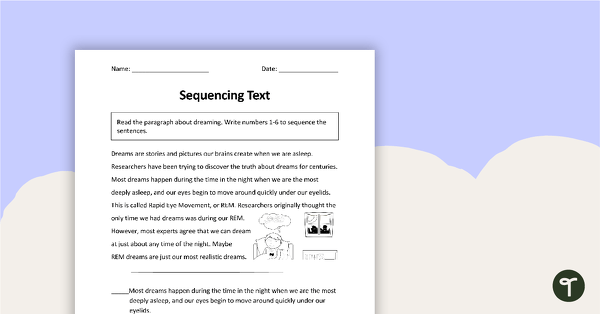
Sequencing Text - Worksheet
A worksheet to use when teaching students how to understand sequence when reading.
- Plus Plan
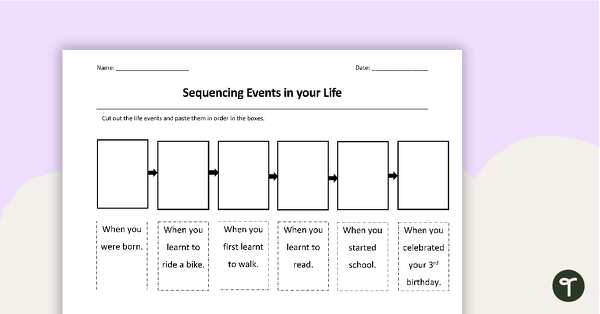
Sequencing Life Events - Worksheet
A worksheet to use when teaching students how to understand sequence when reading.
- Plus Plan
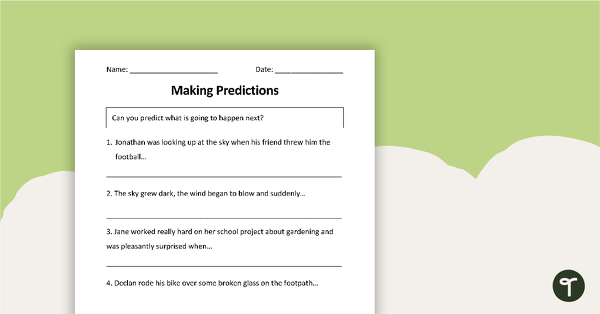
Making Predictions from Sentences - Worksheet
A worksheet to use when teaching students how to make predictions when reading.
- Plus Plan
Reading Rotation Classroom Display
Guided reading classroom display to organise your classroom and their daily activities.