English
By the beginning of year 3, pupils should be able to read books written at an age-appropriate interest level. They should be able to read them accurately and at a speed that is sufficient for them to focus on understanding what they read rather than on decoding individual words. They should be able to decode most new words outside their spoken vocabulary, making a good approximation to the word’s pronunciation. As their decoding skills become increasingly secure, teaching should be directed more towards developing their vocabulary and the breadth and depth of their reading, making sure that they become independent, fluent and enthusiastic readers who read widely and frequently. They should be developing their understanding and enjoyment of stories, poetry, plays and non-fiction, and learning to read silently. They should also be developing their knowledge and skills in reading non-fiction about a wide range of subjects. They should be learning to justify their views about what they have read: with support at the start of year 3 and increasingly independently by the end of year 4.
- Plus Plan
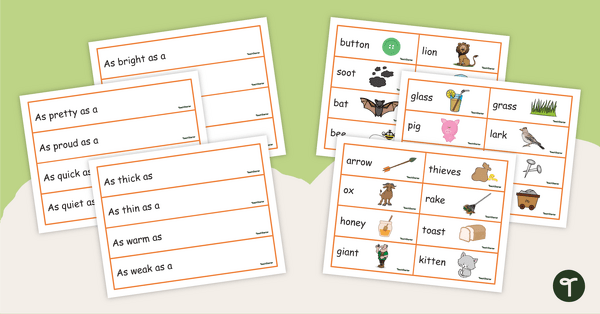
Similes Matching Game
Use this similes game to introduce your students to some of the most common similes used in the English language.
- Free Plan
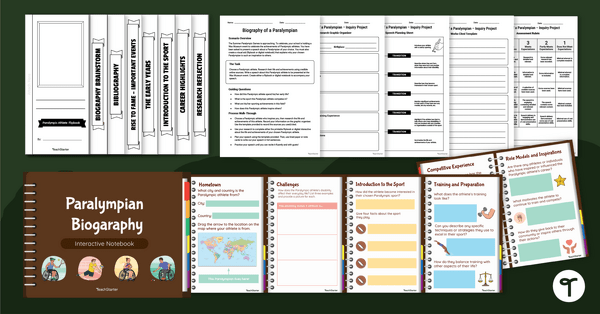
Biography of a Paralympian – Inquiry-Based Project
Have your students investigate the life and achievements of a famous Paralympic athlete with this inquiry-based learning project.
- Plus Plan
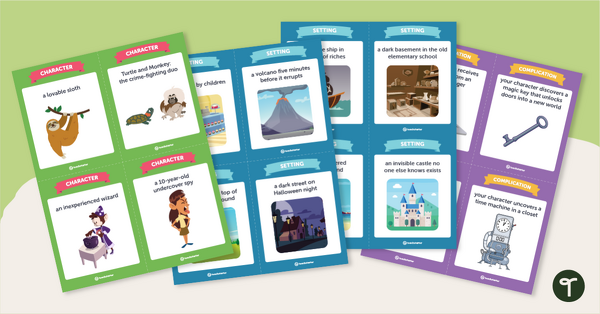
Story Ideas Sentence Starter Pack
Help your pupils choose a topic to write about with this set of 36 character, setting and compilation task cards.
- Plus Plan
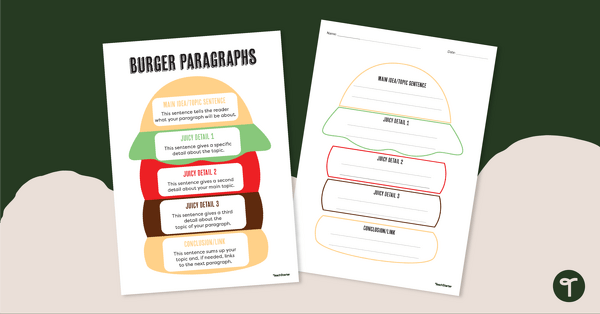
Hamburger Paragraph Poster and Worksheet
Teach your students how to correctly structure a paragraph using this hamburger-themed classroom poster and paragraph planning scaffold.
- Plus Plan
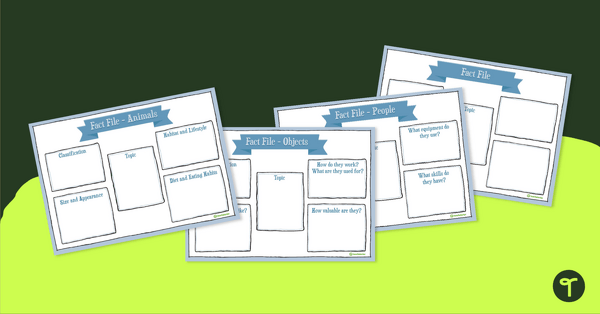
Informative Text Writing Graphic Organiser Pack
Make writing an informative text easy with graphic organisers for your pupils!
- Plus Plan
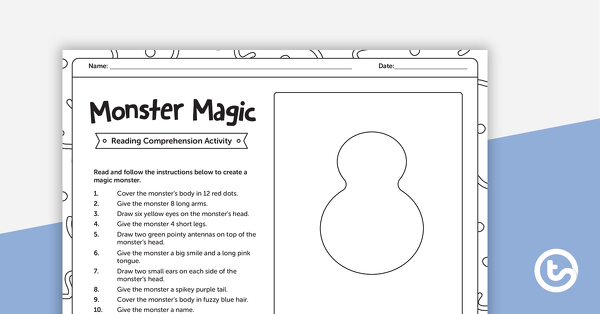
Monster Magic - Reading Comprehension Activity
A fun reading comprehension activity in which students follow a set of instructions to create their own magic monster.
- Plus Plan
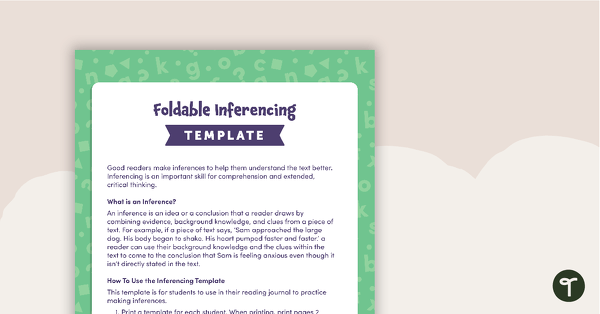
Foldable Inferencing Template
A template for students to use when making inferences.
- Plus Plan
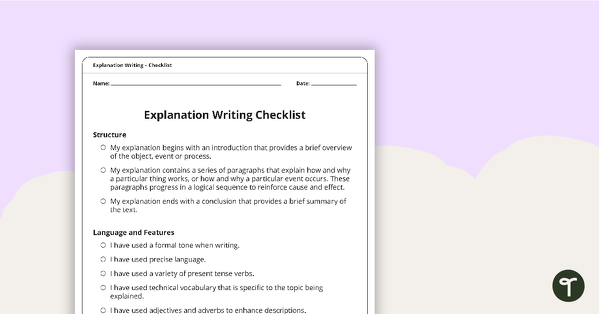
Explanation Writing Checklist – Structure, Language and Features
A checklist for students to use when proofreading and editing their explanation writing.
- Plus Plan
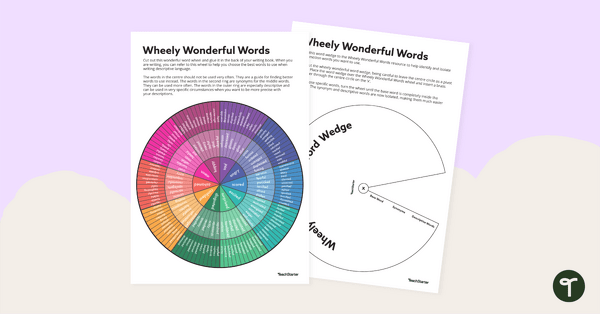
Wheely Wonderful Words – Emotional States Vocabulary
A word wheel of synonyms and similar words used to describe emotional states.
- Plus Plan
Narrative Writing Bump It Up Wall – Year 3
A visual display for your classroom to help students ‘bump up’ their narrative writing.
- Plus Plan
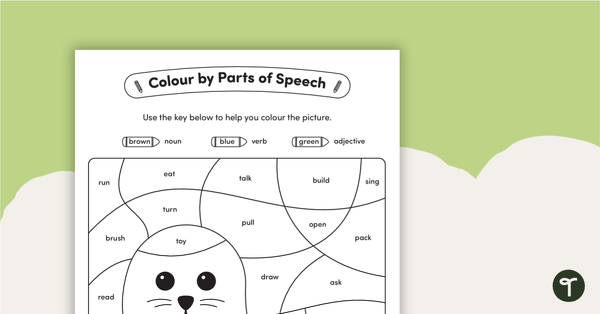
Colour by Parts of Speech - Nouns, Verbs & Adjectives - Seal
Review parts of speech by colouring nouns, verbs and adjectives on the seal.
- Plus Plan
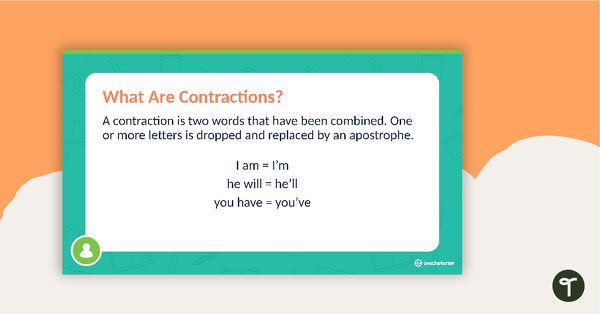
Contractions PowerPoint
A 24-slide editable PowerPoint template about contractions.
- Plus Plan
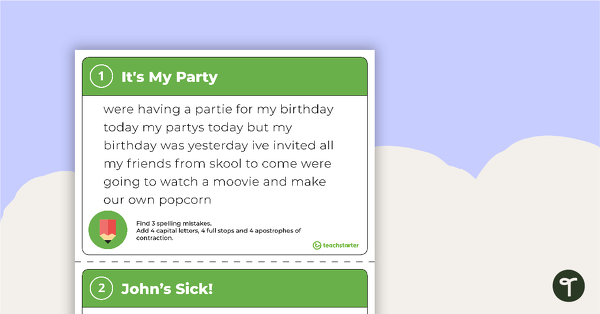
Editing Passage Task Cards - Year 3
A set of 20 editing passage task cards with answers.
- Plus Plan
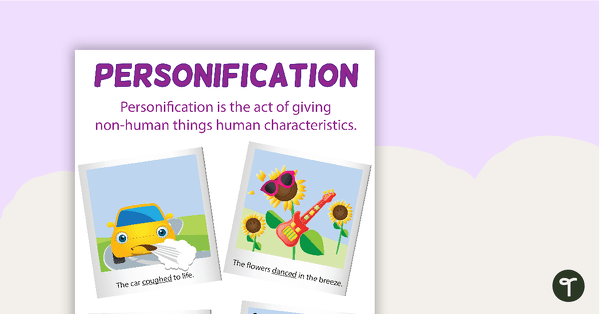
Personification Poster
A poster providing a definition and examples of personification.
- Plus Plan
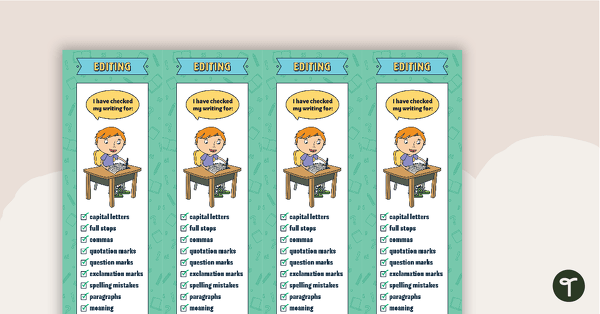
Editing Bookmarks
A clear and colourful editing checklist for students to refer to when proofreading their writing.
- Plus Plan
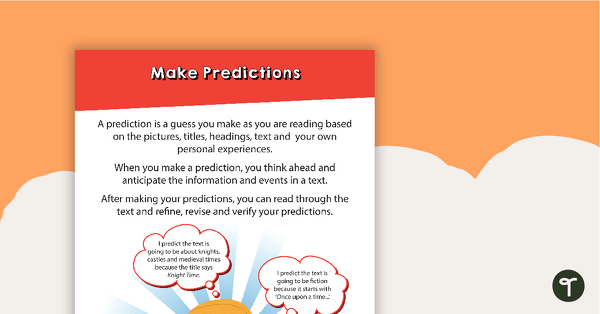
Make Predictions Poster
A poster highlighting how to make predictions when reading a piece of text.
- Plus Plan
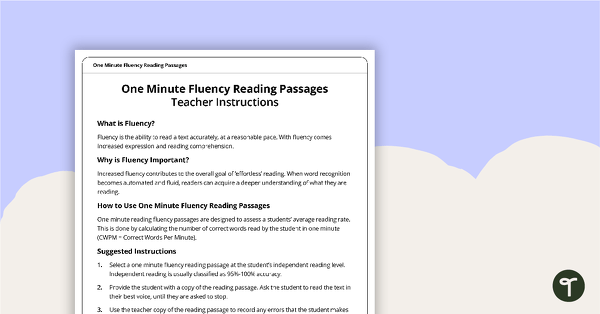
Fluency Reading Passage - Sally's Bad Day (Year 4)
A fiction text to use when assessing students' fluency.
- Plus Plan
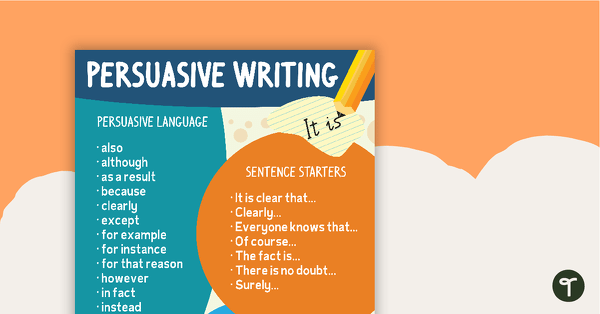
Simple Language in Persuasive Writing Poster
A poster to introduce students to the use of simple language in persuasive writing.
- Plus Plan
Writing Book Cover - Version 2
A Writing book cover to use on your students’ workbooks.
- Plus Plan
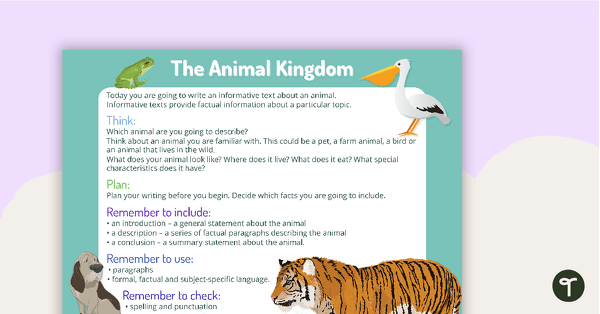
5 Informative Writing Stimulus Sheets
Writing stimulus sheets with an informative text focus.
- Plus Plan
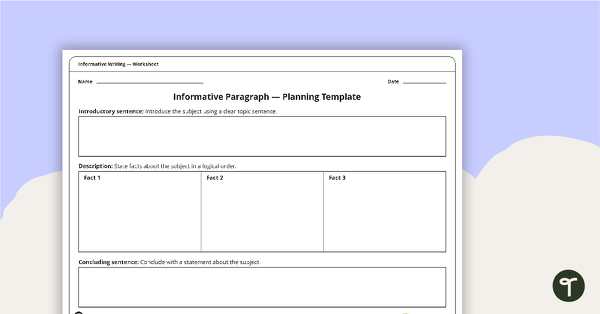
Informative Paragraph Planning Template
A planning template for students to use when writing an informative paragraph.
- Plus Plan
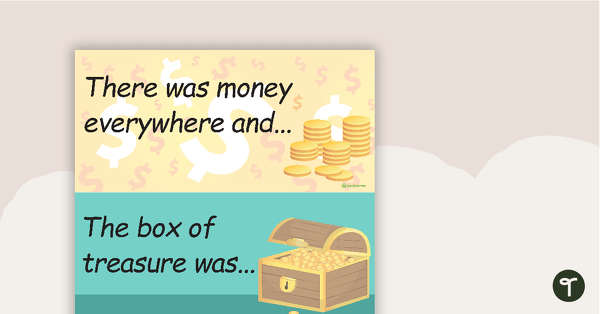
Narrative Sentence Starter Cards
Thirty sentence starter cards for narratives.
- Plus Plan
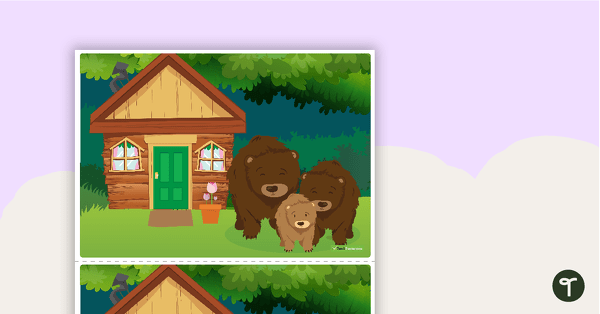
Goldilocks and the Three Bears Sequencing Activity Cards
Use these fairytale activity cards to help your students understand sequencing.
- Plus Plan
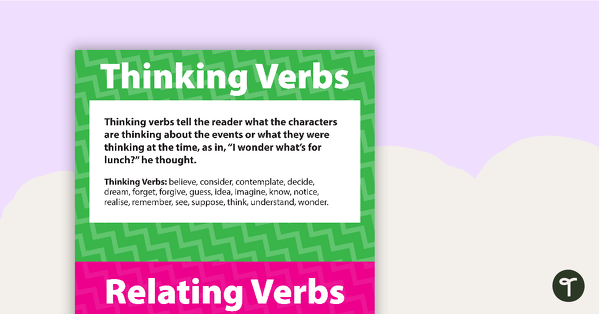
Thinking and Relating Verbs Poster
A poster giving the definition and examples for thinking and relating verbs.
- Plus Plan
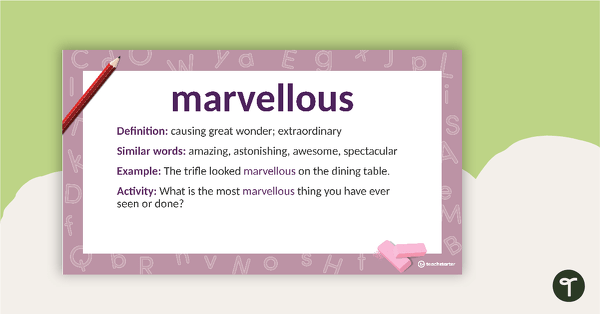
Word of the Week PowerPoint - Year 3
A 40 slide PowerPoint Template for introducing new vocabulary to year 3 students.
- Plus Plan
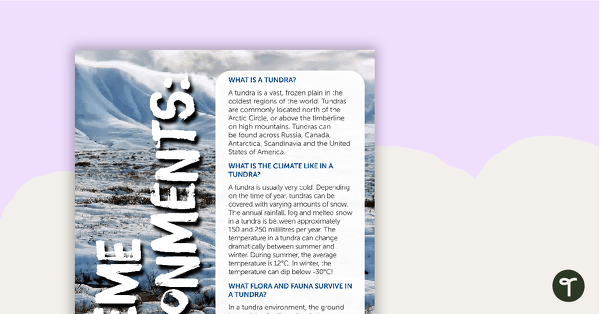
Extreme Environments: Lands of Ice and Sand – Worksheet
A comprehension worksheet for an information report from the Year 4 magazine (Issue 3).
- Plus Plan
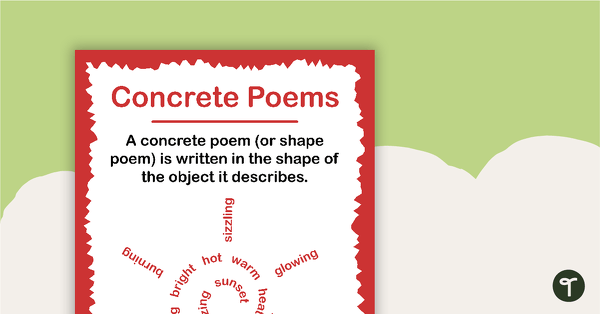
Concrete Poem Poster
A poster providing a definition and example of a concrete poem (or shape poem).
- Plus Plan
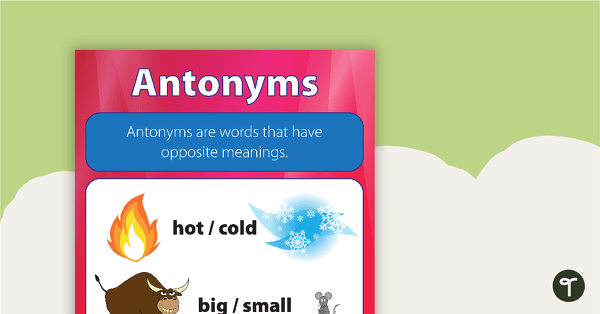
Antonym Poster
A poster showing the definition and examples of antonyms.
- Plus Plan
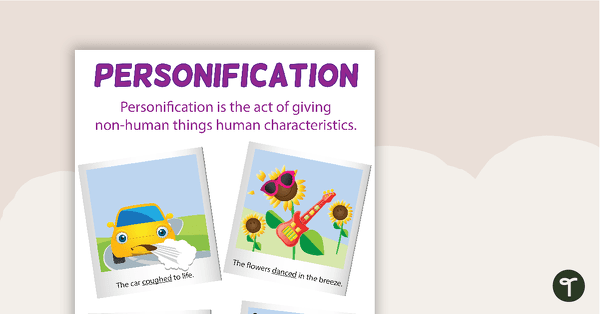
Figurative Language Poster Pack
A poster pack containing 8 different types of figurative language.
- Plus Plan
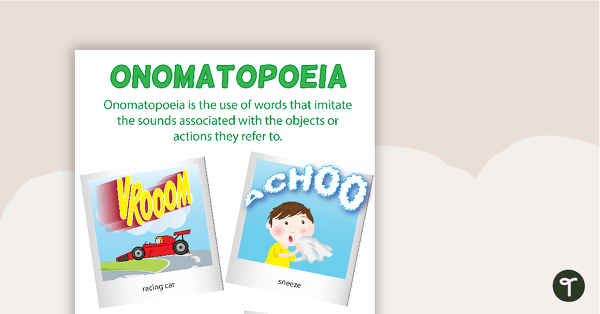
Onomatopoeia Poster
A poster providing a definition and examples of onomatopoeia.
- Free Plan
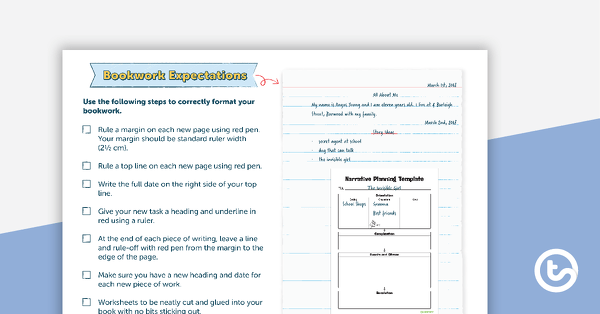
Bookwork Expectations Posters
A checklist for students to refer to when displaying bookwork.
- Plus Plan
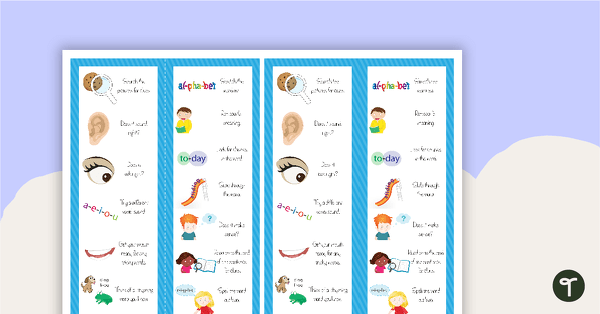
Reading Strategy Bookmark
Bookmarks to remind your students of the different reading strategies.