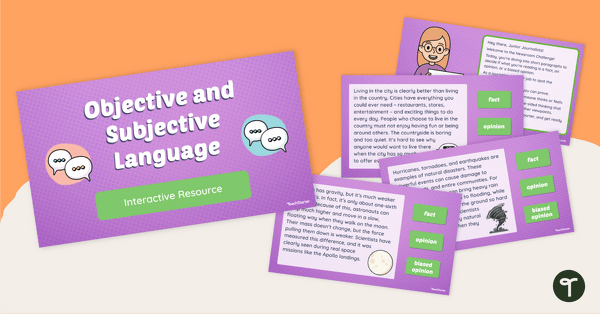
Spark deeper thinking about objective and subjective language with this interactive digital quiz that helps students distinguish between fact, opinion and biased opinion in real-world texts.
A Meaningful Objective and Subjective Language Activity for Students
In an age where digital content saturation is at its peak, it is more important than ever to teach our students the difference between facts, opinions and biased opinions. One way to do this is to help them recognise objective and subjective language in writing.
This engaging digital quiz makes the concept of objective and subjective language both accessible and fun for elementary students. Through a comprehensive series of short, relatable paragraphs covering a variety of topics, students must decide whether the content presents a fact, an opinion or a biased opinion by analyzing the language used. If they make the right choice, they will be able to proceed to the next paragraph. If they make an incorrect choice, they will be offered the opportunity to go back and try again.
This resource downloads as a Microsoft PowerPoint or Google Slides presentation and features 24 separate paragraphs for students to read and analyze. Simply project it onto your screen, and you have a ready-made activity for teaching and reviewing objective and subjective language!
Teaching the Difference Between Subjective and Objective Language: Why It Matters
As mentioned above, being able to differentiate between facts, opinions and biased opinions is a crucial life skill in the 21st century. There are many benefits to our students of explicitly teaching objective and subjective language, such as:
- Building critical thinking by helping students question and evaluate information rather than accept it at face value.
- Supporting media literacy by teaching students to recognize bias in advertising, news and social media.
- Improving reading comprehension by encouraging deeper engagement with texts, especially persuasive and informational texts.
- Strengthening writing skills by teaching students to support opinions with evidence and avoid biased language.
- Promoting independent thinking as students thoughtfully analyze texts to form their own reasoned opinions.
Download to Explore Objective and Subjective Language Examples
Use the Download button to access the Microsoft PowerPoint or Google Slides version of this resource. Please be aware that you will be prompted to make a copy of the Google Slides file and save it to your personal drive before accessing it.
Be sure to work with this presentation in Slideshow mode so that the hyperlinked slides can operate as intended.
This resource was created by Brittany Collins, a teacher in Indiana and a Teach Starter collaborator.
More Language Resources From Teach Starter
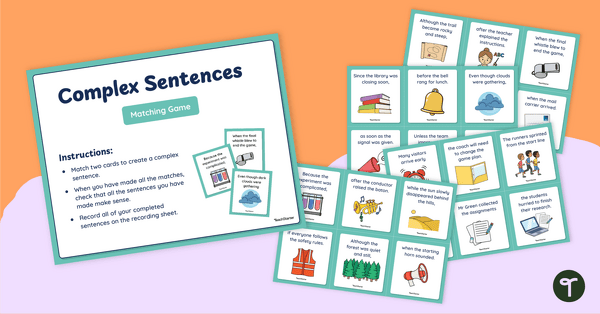
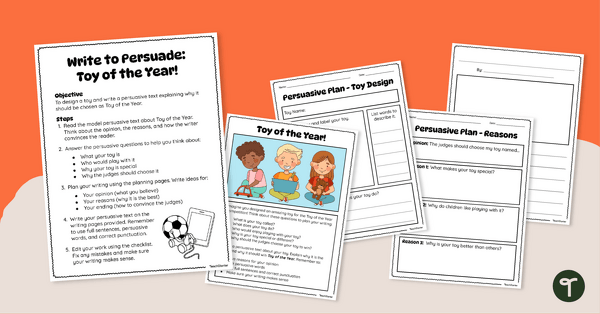
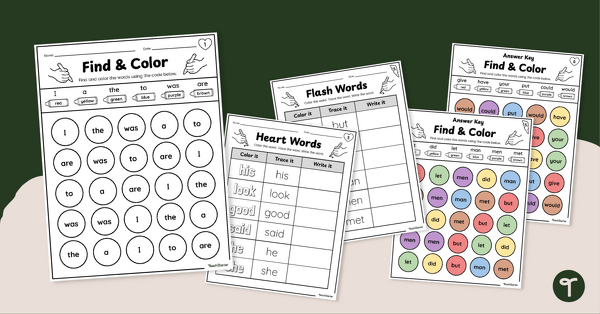
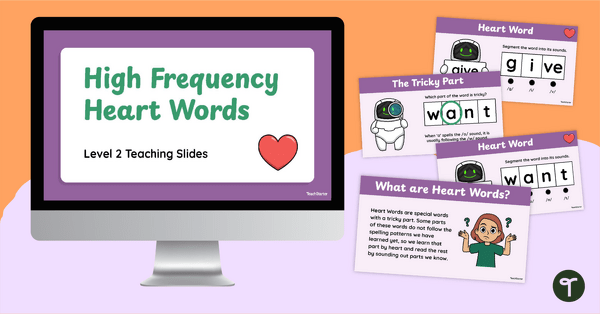
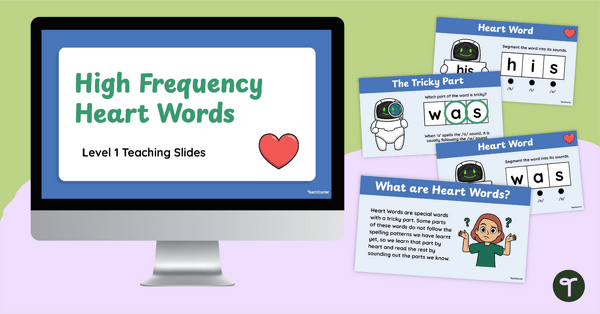
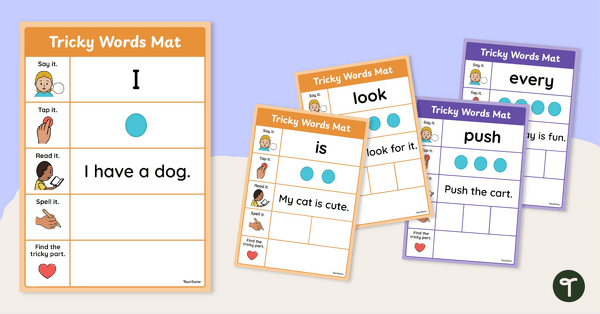
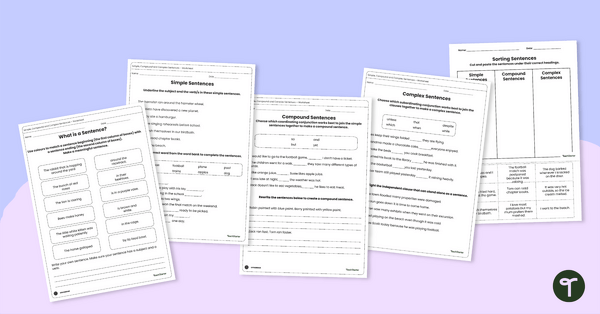
Teach Starter has more great resources to save you time when teaching language and vocabulary to your class. Click below for some more curriculum-aligned, teacher-created activities!
[resource:2657834] [resource:4477378] [resource:2658950]


0 Comments
Write a review to help other teachers and parents like yourself. If you'd like to request a change to this resource, or report an error, select the corresponding tab above.