S.5.1
The student asks questions, identifies problems, and plans and safely conducts classroom, laboratory, and field investigations to answer questions, explain phenomena, or design solutions using appropriate tools and models.
The student is expected to:
- Plus Plan
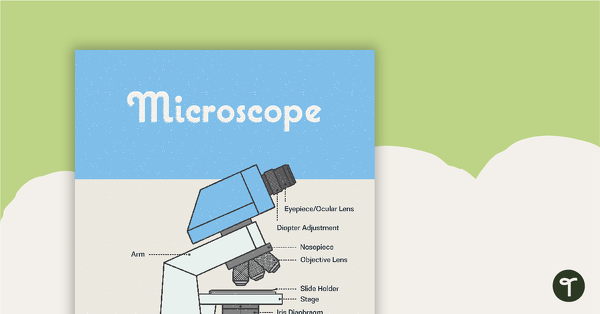
Microscope Poster - Diagram with Labels
A poster containing a diagram with labels showing the key parts of a microscope.
- Plus Plan
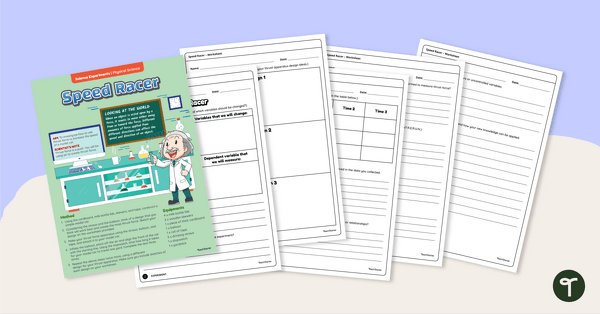
Balloon Car Experiment – Speed Racer
Use this hands-on balloon car experiment when teaching your 5th grade students about thrust force and its effect on the speed of objects.
- Plus Plan
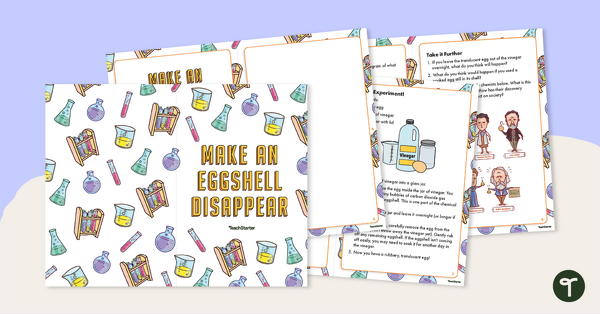
Make an Eggshell Disappear - Science Experiment Booklet
Investigate chemical reactions with this hands-on experiment booklet.
- Plus Plan
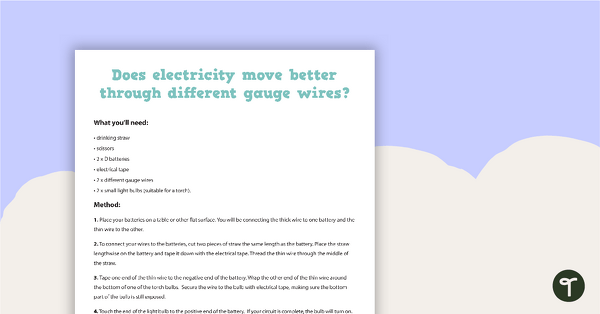
Electricity Experiment
An experiment to investigate if electricity moves better through different gage wires.
- Plus Plan
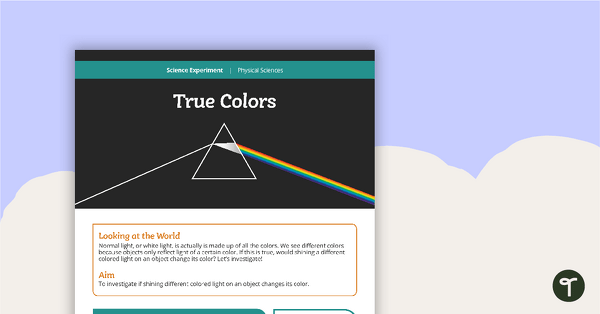
Science Experiment - True Colors
A science experiment that explores the perception of color.
- Plus Plan
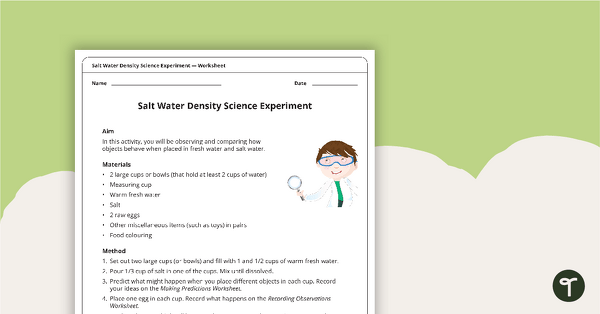
Salt Water Density Experiment
A hands-on science experiment about salt water density.
- Plus Plan
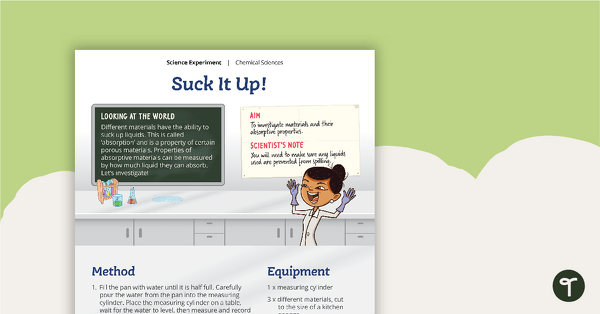
Science Experiment - Suck It Up!
A science experiment which investigates the absorptive properties of various materials.
- Plus Plan
Freedom of Choice PowerPoint - Developing Scientific Lines of Questioning
A teaching presentation discussing the development of scientific lines of questioning.
- Plus Plan
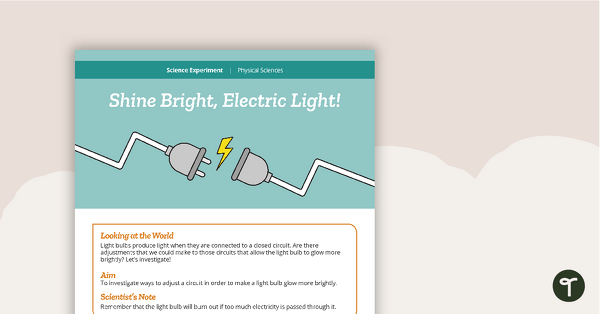
Science Experiment - Shine Bright, Electric Light!
A science experiment that investigates how changes to electrical circuits affects their components.
- Plus Plan
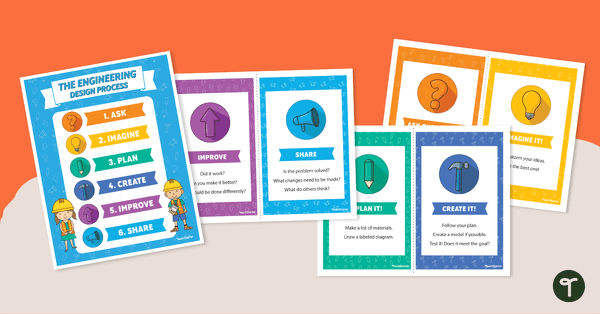
STEM - Engineering Process Poster Pack
Classroom posters outlining the STEM engineering design process.
- Free Plan
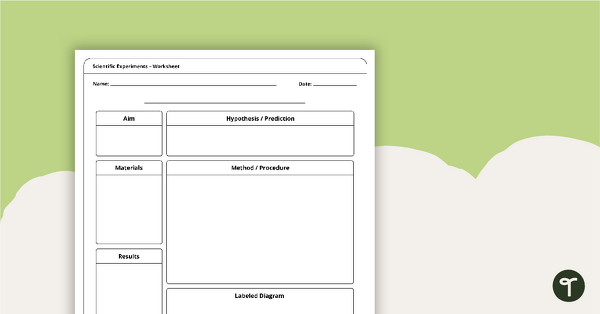
Science Experiment Recording Sheet
A recording sheet to use when completing a Science experiment.
- Plus Plan
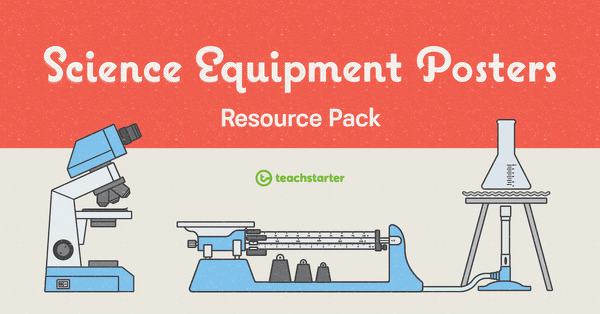
Science Equipment Poster Pack for the Classroom With Labels
A poster resource pack containing diagrams with labels of various pieces of scientific apparatus.
- Plus Plan
Slime - Solid, Liquid, or Gas?
A 60-minute lesson in which students will recognize that not all substances can be easily classified on the basis of their observable properties.