Year 6
The science inquiry skills and science as a human endeavour strands are described across a two-year band. In their planning, schools and teachers refer to the expectations outlined in the achievement standard and also to the content of the science understanding strand for the relevant year level to ensure that these two strands are addressed over the two-year period. The three strands of the curriculum are interrelated and their content is taught in an integrated way. The order and detail in which the content descriptions are organised into teaching and learning programs are decisions to be made by the teacher.
Incorporating the key ideas of science
Over Years 3 to 6, students develop their understanding of a range of systems operating at different time and geographic scales.
In Year 6, students explore how changes can be classified in different ways. They learn about transfer and transformations of electricity, and continue to develop an understanding of energy flows through systems. They link their experiences of electric circuits as a system at one scale to generation of electricity from a variety of sources at another scale and begin to see links between these systems. They develop a view of Earth as a dynamic system, in which changes in one aspect of the system impact on other aspects; similarly, they see that the growth and survival of living things are dependent on matter and energy flows within a larger system. Students begin to see the role of variables in measuring changes and the value of accuracy in these measurements. They learn how to look for patterns and to use these to identify and explain relationships by drawing on evidence.
(source: www.australiancurriculum.edu.au)
Achievement Standard
By the end of Year 6, students compare and classify different types of observable changes to materials. They analyse requirements for the transfer of electricity and describe how energy can be transformed from one form to another when generating electricity. They explain how natural events cause rapid change to Earth’s surface. They describe and predict the effect of environmental changes on individual living things. Students explain how scientific knowledge helps us to solve problems and inform decisions and identify historical and cultural contributions.
Students follow procedures to develop investigable questions and design investigations into simple cause-and-effect relationships. They identify variables to be changed and measured and describe potential safety risks when planning methods. They collect, organise and interpret their data, identifying where improvements to their methods or research could improve the data. They describe and analyse relationships in data using appropriate representations and construct multimodal texts to communicate ideas, methods and findings.
(source: www.australiancurriculum.edu.au)
- Plus Plan
Natural Disaster Effects and Management
A 60 minute lesson in which students will identify the effects of natural disasters and explore how these may be managed.
- Plus Plan
Wired Up! - Building Electrical Circuits
A 60 minute lesson in which students will read and draw circuit diagrams.
- Plus Plan
Flood Simulation Experiment
A 60 minute lesson in which students will investigate how town planning can reduce the impact of flooding.
- Plus Plan
What is Electricity?
- Plus Plan
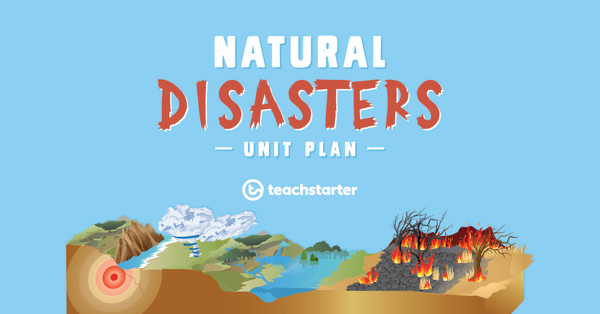
Meteorological and Other Natural Disasters
A 60 minute lesson in which students will investigate the causes and effects of meteorological and other natural disasters.
- Plus Plan
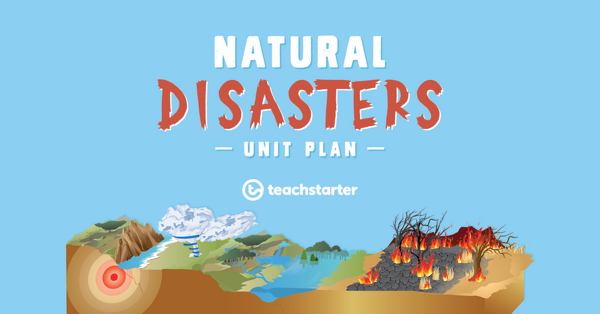
Geological Natural Disasters
A 60 minute lesson in which the students will investigate the causes and effects of geological natural disasters.
- Plus Plan
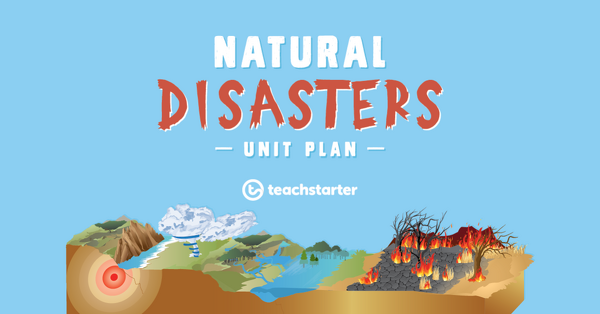
Plate Tectonics
A 60 minute lesson in which students will explore tectonic plates and the effects their movements have on the surface of the earth.
- Plus Plan
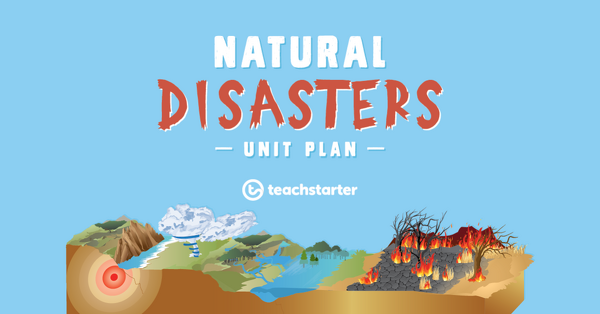
The Layers of the Earth
A 60 minute lesson in which students will identify the characteristics of the earth's internal layers.
- Plus Plan

What is a Fair Test? (Upper Years)