Behaviour Management Teaching Resources
Bring your behaviour management to the next level with printables and digital teaching resources created by teachers for teachers like you!
This collection of teacher-created resources is designed to support primary teachers as they implement their behaviour management strategies with printable reward charts, motivational posters and more!
Looking for tips and ideas to make your behaviour management more successful? Take a peek at some strategies from our teacher team!
What Is Behaviour Management?
Behaviour management is a proactive strategy for teachers to handle behaviour in the classroom. By setting up solid student organisation strategies, creating clear rules and expectations and providing consistent feedback, teachers set students up for success.
A good behaviour management strategy will give students:
- Specific expectations
- Positive reinforcement when expectations are met
- Fair and consistent consequences when expectations are not met
For example, of the most popular behaviour management strategies these days is CHAMPS, which stands for Conversation, Help, Activity, Movement and Participation. The goal is to provide students with an instructional structure that promotes responsibility and motivates students.
Why Is Behaviour Management Important?
Strongly backed by research, behaviour management strategies like CHAMPS have been shown to:
- Provide students with a sense of connection to school and their peers
- Promote a productive learning environment
- Minimise classroom disruptions
Behaviour Management Strategies
Before we dig in too deeply, it's worth stressing that the goal of the strategies you're about to read is to accentuate the positive, that is, to keep control of the behaviour in your classroom in a positive way.
We've also included a mix of strategies that will help you prevent negative behaviour as well as some simple things you can do to curb unwanted behaviour in the classroom.
Redirect
This technique is simple, yet effective. When you notice a child is off-task, simply move their attention from one thing to another. For example, if one student is distracting another student, you may direct their attention to the work at hand by saying you'll be over in a few minutes or simply asking that student what they are up to.
Ignore Secondary Behaviour
When a child is being warned about inappropriate behaviour, you may notice a secondary behaviour, such as an eye roll or a delayed response to a question. This behaviour is often to avoid humiliation in front of peers.
If the initial poor behaviour has stopped, ignoring the secondary behaviour — as long as no one is in danger and it hasn't caused additional classroom disruption — can prevent the situation from escalating. If you feel you need to, you may opt to talk to that student one on one after the lesson to reflect on the situation (without the audience of the other students).
Plan Your Transitions
A transition in a classroom is when a student moves from one activity to another. It can be a significant change such as transitioning from a PE lesson back into the classroom or a more minor change such as transitioning from time on the carpet back to their seats.
For little brains, transitions can be tricky as they need to go from an active state to a focused state ready for learning, and this is where inappropriate behaviour may start to fester.
Planning for how you and your students should transition can help avoid this situation from escalating. A simple transition for the example of going from PE back to class, for example, could be to use a fun movement such as walking like a ballet dancer back to class.
Make sure to explicitly teach students what they should be doing during transitions, so they know the sort of behaviour you expect!
Offer Choices
Providing a student choice is extremely powerful! It makes them feel like they are in the power seat, when in fact, you've planned it out beautifully! When you notice inappropriate behaviour, instead of issuing a demand, offer a student a choice of two options. The first choice would be the route you'd like them to take. The second is the consequence of not taking the first option.
For example, 'Zane, would you like to remove yourself from the distracting spot you're sitting in, and complete your work? Or, would you like to stay with me at lunchtime to complete the work then?'
You'll find that most of the time, the student will take the better option in this scenario.
Attention Grabbing
This is similar to the 'redirect' option, but this is a strategy to use if a number of students are starting to get off task. Use some fun attention-grabbing techniques like call and response ( you can download our Attention Grabbing Phrase Cards and use those!).
You can then redirect the group's attention back to the work by providing some more information that may support them in finishing off the task.
Use Positive Non-Verbal Reminders
You don't always have to use your voice for your behaviour management to work. Non-verbal reminders can be equally powerful and limit the disruption to the class. Simple non-verbals like stopping what you're saying and smiling at the student who may be off task is sometimes all that is needed for some students. This lets them know you know they're off-task in a gentle way.
Another non-verbal reminder is to simply lower your body down to the level of the child while you continue with the teaching, or, a simple tap on their desk as you walk past.
Set Up a Calm Corner
Little children experience BIG emotions, and often when they are trying to deal with these big emotions, they struggle with self-regulation.
Another behaviour management strategy that will work for some children is just some time away from the hustle and bustle of the classroom. If you have the space, set up a corner of the classroom for students to 'chill out.' You can fill the space with fidget toys, weighted blankets, wobble cushions, a tub of sensory toys and similar objects, plus some mindful colouring-in sheets!
If you are noticing a student that isn't responding to the smaller behaviour management strategies, 5 minutes in the chill-out corner/area may help this student.
Another idea — Sending a student to another teacher with a 'note' that says something simple such as 'John needed some space.' This gets the student out and about, and gives them some purpose by having the very important job of delivering the note to the other teacher.
Utilise Movement
We know a student's attention span is short, and yet we expect them to sit and listen and use their brains for long periods of time ... often longer than their age allows. Ensuring you have had a lot of movement integrated into your day is a great way to limit the number of behaviour situations you may encounter in a day.
It could be as simple as a 'stop work and stretch at your desks' type situation, but you may be surprised by how planning these movement breaks into your day can improve behaviour in the classroom.
- Plus Plan
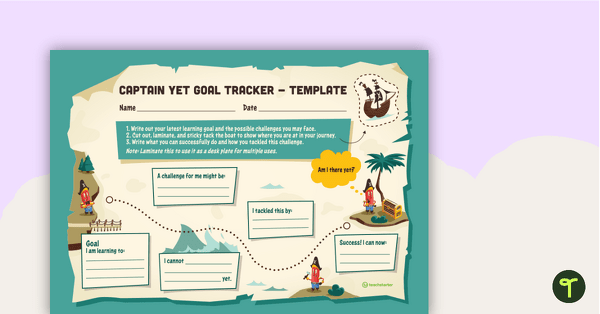
Captain Yet Goal Tracker (Pirate Nup Version) – Template
A Captain Yet template for students to track the progress of their goals.
- Plus Plan
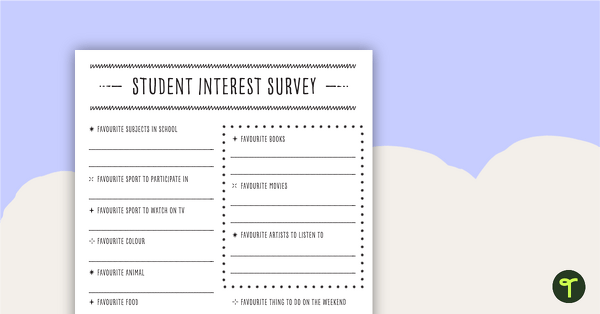
Student Interest Survey - Upper Years
Learn your students' interests on Day 1 of a new school year with this student interest survey for the upper years.
- Plus Plan
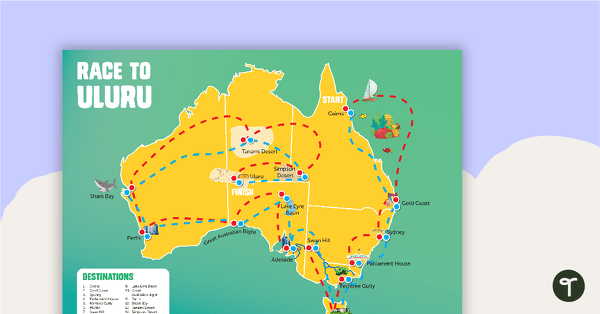
Race to Uluru – Class Behaviour Management Game
A whole class game played between the teacher and students to encourage good class behaviour.
- Plus Plan
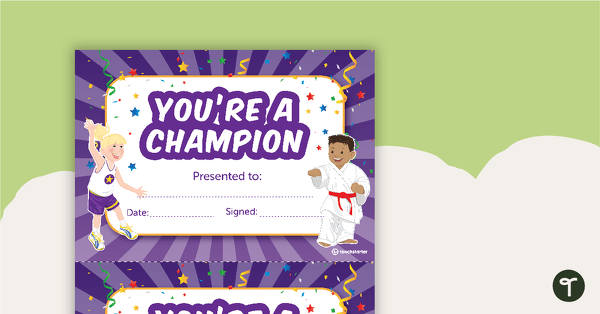
Champions - Award Certificate
A champions themed award to provide positive feedback and encouragement to your students.
- Plus Plan
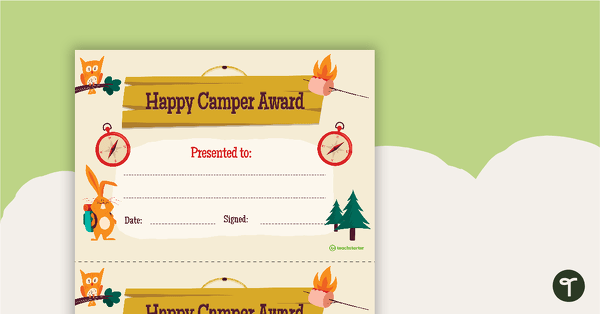
Camping - Award Certificate
A camping-themed award to provide positive feedback and encouragement to your students.
- Plus Plan
Chill Out Blue - Letters and Numbers Bunting
Chill out blue themed letters and numbers bunting.
- Plus Plan
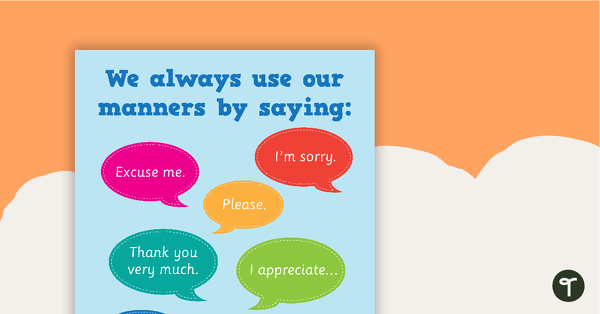
Classroom Manners Poster
We always use our manners by saying…
- Plus Plan
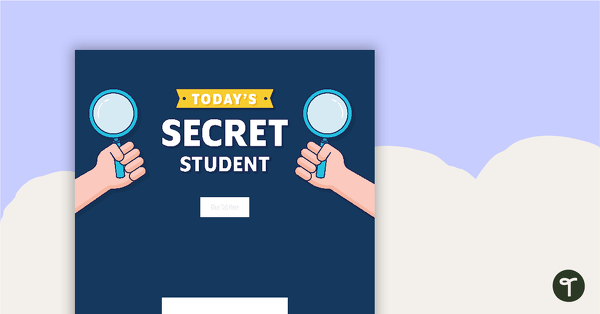
Daily Secret Student Classroom Display
A themed display for the daily Secret Student, a fun and easy conduct management strategy for your classroom.
- Plus Plan
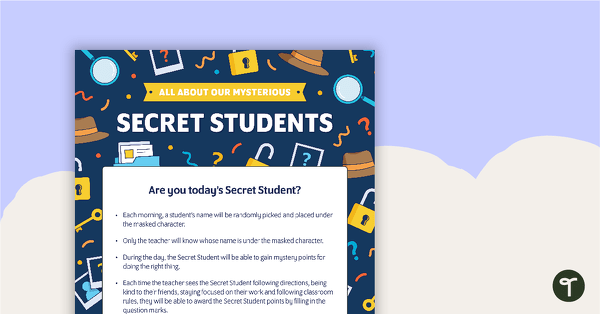
Secret Student Information Poster
Secret Student conduct management strategy information poster.
- Plus Plan
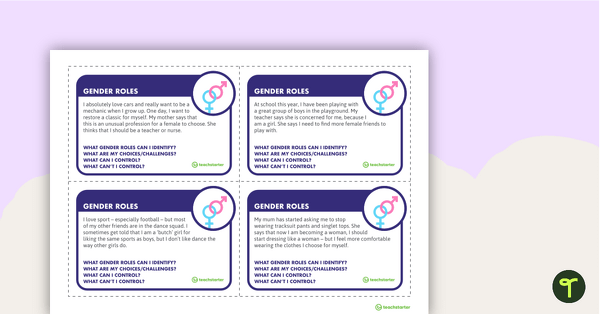
Social Strategies Gender Roles - Task Cards
A set of 16 social strategy scenario task cards that explore gender issues.
- Plus Plan
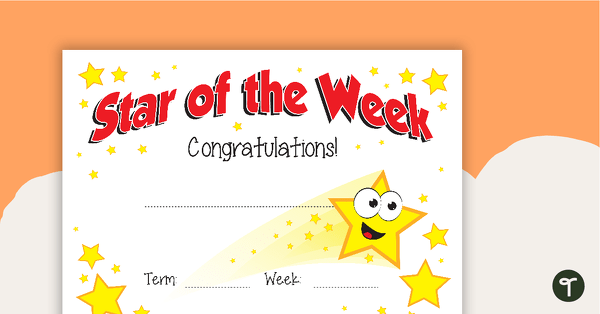
Star of the Week Certificate
Give positive feedback to your students with this Star of the Week Certificate.
- Plus Plan
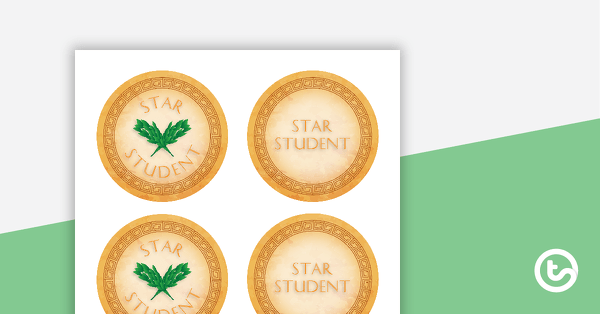
Ancient Rome - Star Student Badges
A set of star student badges with an Ancient Rome theme.
- Plus Plan

Race Around The World - Class Behaviour Management System
A whole class game played between the teacher and students to encourage good class behaviour.
- Plus Plan
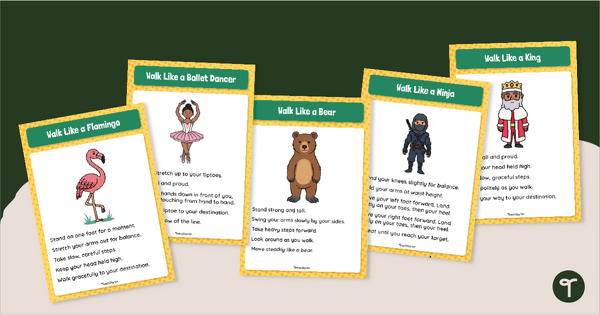
Walk Like a... Hallway Movement Break Cards
Help your students transition quietly through the hallways with this set of 12 Hallway Movement Break cards .
- Plus Plan
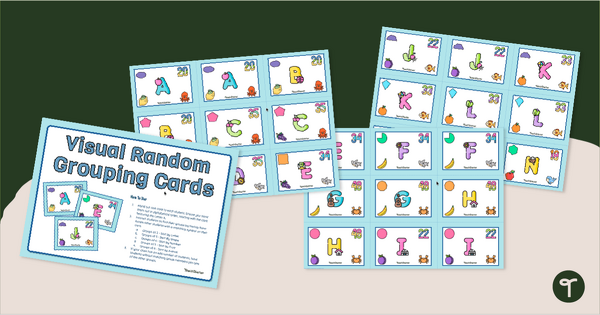
Visual Random Student Grouping Cards
Quickly form groups of 2-6 students in the classroom with a set of printable Visual Random Grouping Cards.
- Plus Plan
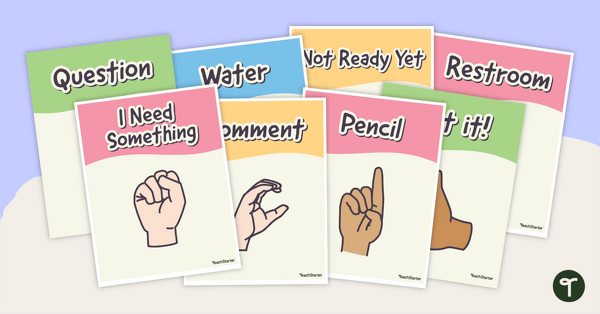
Classroom Hand Sign Posters
A set of posters with common student requests to display in the classroom.
- Plus Plan
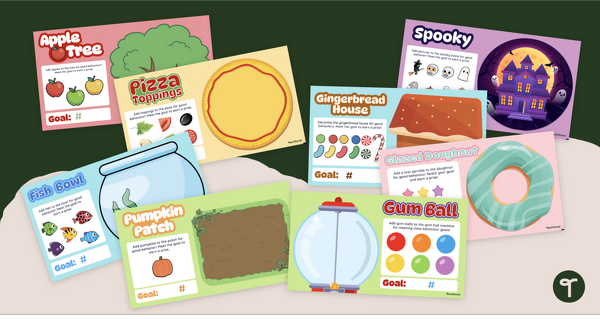
Virtual Classroom Management - Interactive Reward Charts
Track and reward extraordinary class behaviour with a set of fun digital reward tracking slides.
- Plus Plan
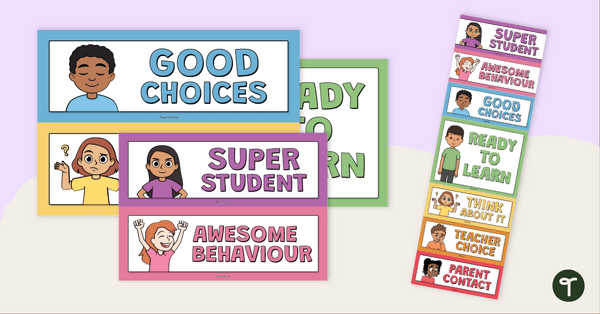
Classroom Clip Chart
Manage classroom behaviour in a visual way with a printable classroom clip chart.
- Plus Plan
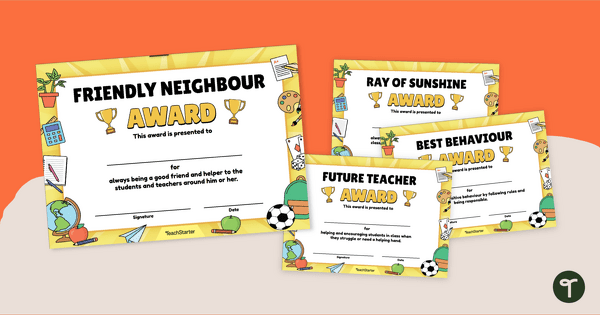
Editable Student Award Certificate Template Pack
Reward students with End-of-Year merit awards specifically tailored to their special strengths and abilities with a customisable student award certificate template.
- Plus Plan
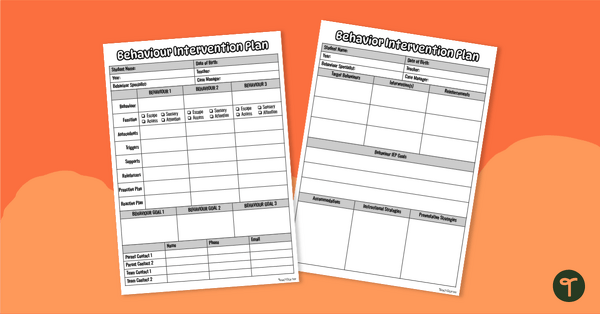
Behaviour Plan Template
Use our Behaviour Plan template to monitor and track student behaviour interventions and results.
- Plus Plan
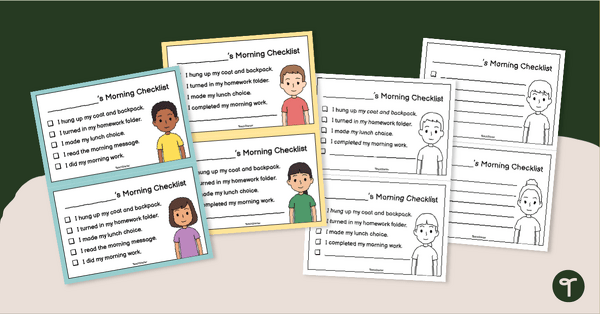
Morning Routine Checklist Pack
Start your day right and promote independence with a morning routine checklist.
- Plus Plan
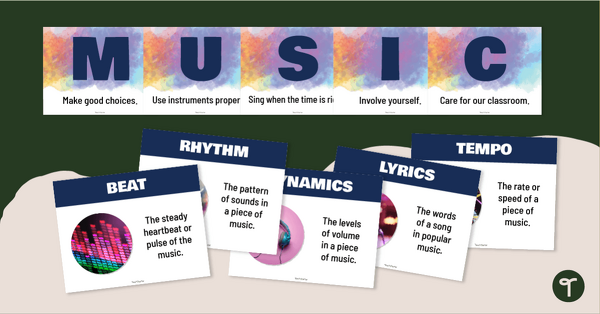
Music Classroom Posters
Decorate, educate, and build classroom management with a set of printable Music Classroom Posters.
- Plus Plan
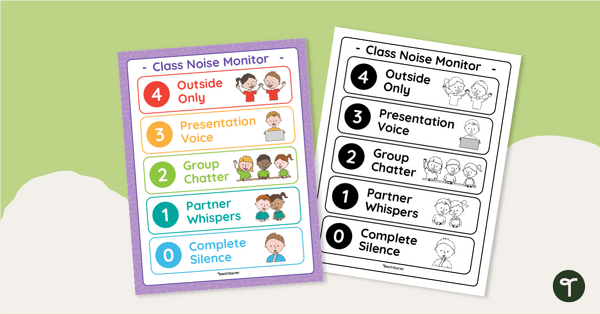
Noise Metre Classroom Poster
Remind your students of the appropriate noise level within the classroom with our noise monitor poster.
- Plus Plan
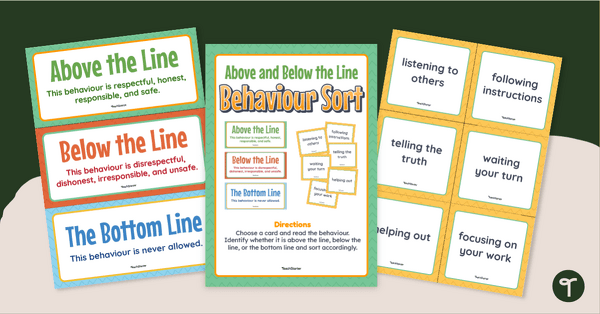
Above and Below the Line Behaviours – Sorting Activity
Remind students of behaviours that are 'above the line,' 'below the line,' and 'bottom-line' with this sorting activity.
- Plus Plan
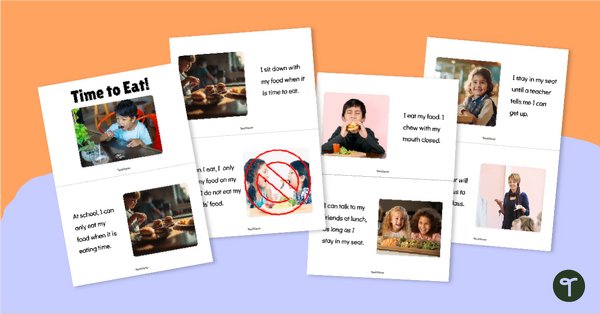
Time To Eat – Lunch Procedures Mini Book
Teach your students appropriate lunch procedures with a printable Time to Eat Social Stories booklet.
- Plus Plan
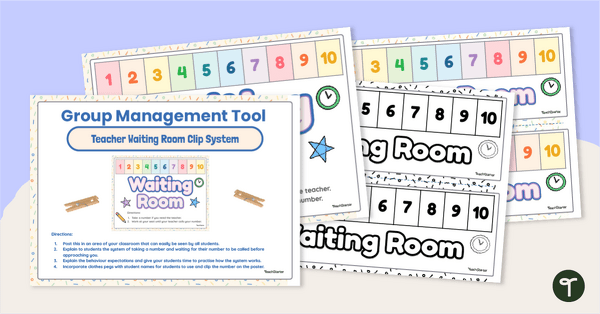
Teacher Waiting Room - Clip System
Calm classroom chaos when students need one-on-one help from the teacher with a printable Teacher Waiting List Clip System!
- Plus Plan
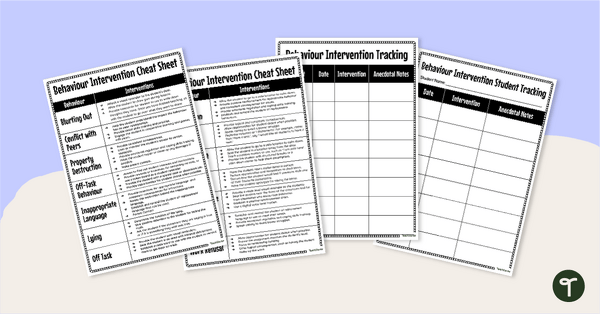
Behaviour Intervention Cheat Sheet
Keep a Behaviour Intervention Cheat Sheet at your fingertips to help manage classroom behaviours quickly and easily.
- Plus Plan
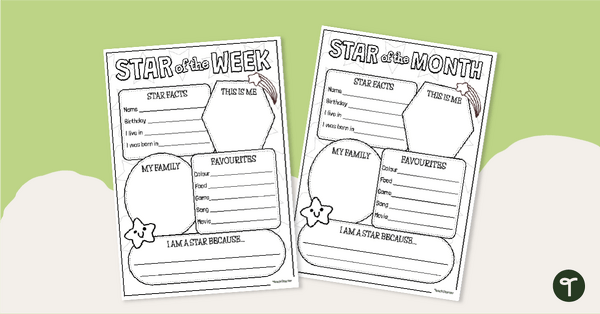
Star of the Week Poster Templates
Celebrate successful students with printable Star of the Week Poster Templates!
- Plus Plan
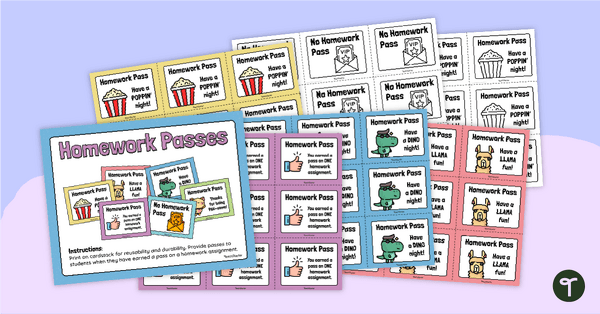
Printable No Homework Passes
Reward students with a No Homework Pass using our printable homework pass templates.
- Plus Plan
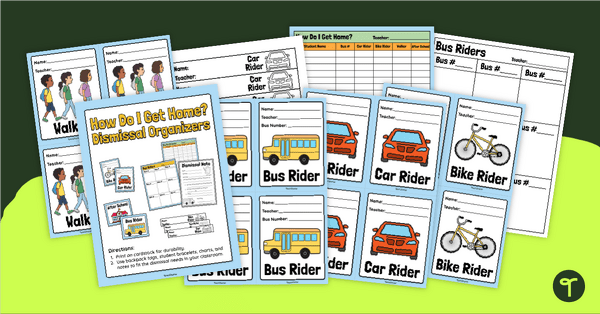
How Do I Get Home? Backpack Tags & Forms
Use printable bus and car rider tags for schools to organise the dismissal process at the end of the school day.
- Plus Plan
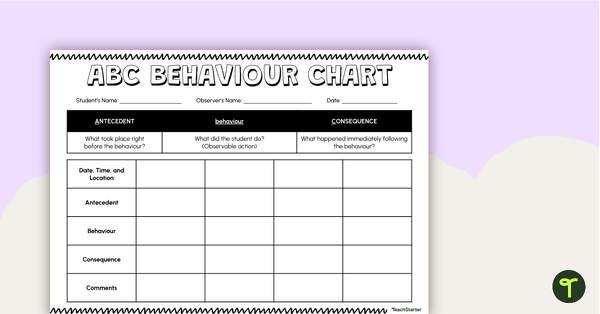
ABC Behaviour Chart
Identify triggers for challenging student behaviour by tracking incidents over time using an ABC Behaviour Chart.
- Plus Plan
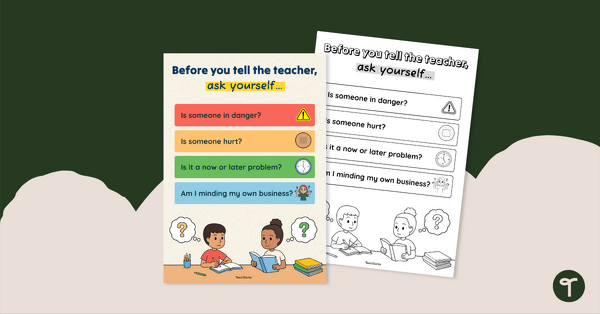
Before You Tell the Teacher Poster
A poster outlining questions children should ask themselves before telling the teacher.